


This article was originally published on Crafting Your Home. A human contributor also wrote and edited the post.
Brandon Ortiz-Vite admitted murdering a 25-year-old Michigan woman. From prison, he is demanding millions of dollars, a public apology, counseling, and the American citizenship that federal law appears to place permanently beyond his reach. Most Americans understand that taking responsibility means accepting the consequences of one’s actions. Brandon Ortiz-Vite appears to have a different interpretation.
The convicted killer admitted shooting Ruby Garcia, abandoning her body beside a Michigan highway, and stealing her vehicle. He is serving up to 102 years in prison. Now, instead of allowing attention to remain on the young woman whose life he ended, Ortiz-Vite has filed a federal lawsuit portraying himself as another victim. His targets are President Donald Trump and White House spokesperson Steven Cheung.
His demands include psychological counseling, court costs, a public apology, U.S. citizenship, and $75.5 million in punitive damages. For Americans who work, follow the law, support their families, and wait years to complete the legal immigration process, the request is difficult to view as anything other than a staggering display of entitlement.
A Murder That Left a Young Woman Beside the Highway
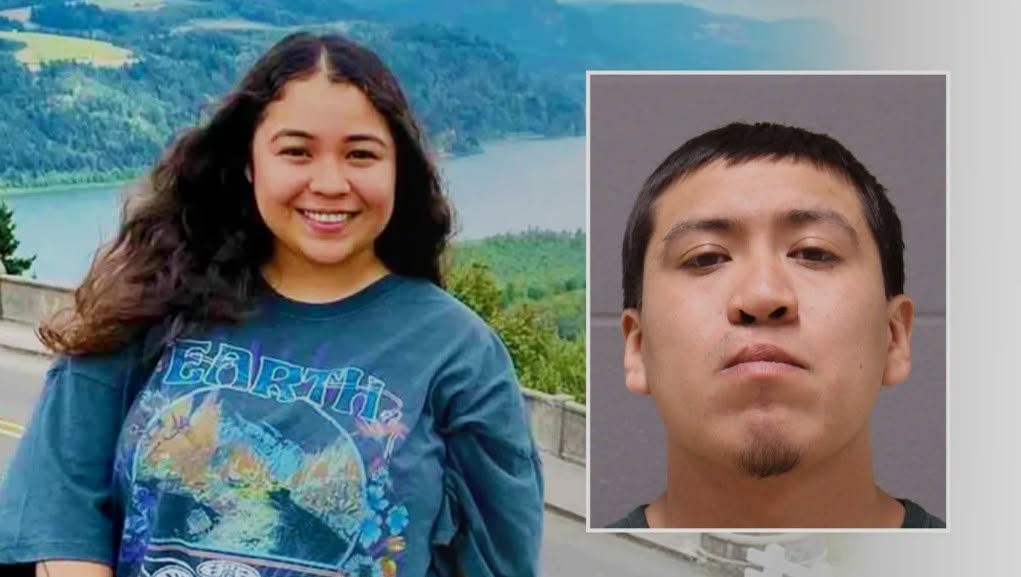
Michigan State Police found 25-year-old Ruby Garcia’s body beside southbound U.S. 131 in Grand Rapids on March 22, 2024. She had suffered multiple gunshot wounds. Investigators later located her abandoned vehicle near South Haven. On March 24, Ortiz-Vite contacted Allegan County dispatch and was taken into custody. Garcia and Ortiz-Vite had been romantically involved. Evidence presented in court showed that they were arguing inside her vehicle when Ortiz-Vite refused to leave.
Ortiz-Vite admitted that he shot Garcia, pulled her from the vehicle, and shot her again. He then left her body near the highway and drove away in her car. Prosecutors charged him with felony murder, open murder, carjacking, carrying a concealed weapon, and using a firearm during a felony. The Michigan State Police case summary documented the investigation and initial charges. These were not rumors invented by a political campaign. They were facts established through a homicide investigation and later confirmed by Ortiz-Vite’s own guilty plea.
Ortiz-Vite Admitted What He Did
On September 23, 2024, Ortiz-Vite pleaded guilty to second-degree murder, carjacking, carrying a concealed weapon, and using a firearm during the commission of a felony. Garcia’s family supported the plea agreement because it guaranteed a lengthy prison sentence. A trial could have created delays, appeals, a mistrial, or other uncertainties. The plea gave the family a measure of finality after an unthinkable loss.
On November 7, 2024, Kent County Circuit Judge Mark Trusock sentenced Ortiz-Vite to between 39 and 102 years in prison. The judge called the killing intentional and described Ortiz-Vite as a danger to society. Ortiz-Vite offered an apology during sentencing and said his actions did not represent other immigrants. Yet less than two years later, he filed a lawsuit demanding citizenship and a fortune from the country whose laws he repeatedly violated. His criminal conviction remains valid. Nothing in the new lawsuit changes his guilty plea, restores Garcia’s life, or reduces the sentence imposed by the Michigan court.
The Man Convicted of Murder Now Says He Was Humiliated
Ortiz-Vite filed his handwritten complaint on July 13, 2026, without an attorney. The case, Ortiz-Vite #816395 v. Trump et al., was filed in the U.S. District Court for the Western District of Michigan. The federal docket classifies it as an assault, libel, and slander case. Trump and Cheung are named as defendants. Ortiz-Vite claims Trump’s 2024 campaign used his name, mugshot, criminal case, and immigration history to support a broader argument about border security. He says seeing himself in campaign advertisements caused anxiety and despair.
He also alleges that inmates and correctional employees mocked him after recognizing him from television. According to accounts of the complaint, people called him “Mr. Famous” and made comments about his crime. Ortiz-Vite argues that the publicity damaged his dignity and his family’s name. He reportedly describes himself as a political sacrifice and suggests that the attention pressured him to accept a plea agreement.
That argument turns accountability upside down. The public knew his name because he killed Garcia, dumped her body, took her vehicle, confessed, and faced murder charges. Trump did not create those events. Public criticism did not place Ortiz-Vite in prison. His admitted actions did.
The Demands Stretch Credibility
Ortiz-Vite wants $75.5 million in punitive damages for himself, his family, and others he claims suffered because of the publicity. He also wants counseling, court costs, a public apology, and American citizenship. Consider what that means in ordinary terms. A man convicted of taking an innocent woman’s life is asking to become extraordinarily wealthy because politicians discussed the crime he admitted committing.
He is also asking for citizenship as though it were a consolation prize. Millions of immigrants complete background checks, pay fees, study American civics, maintain lawful status, and wait patiently for naturalization. Ortiz-Vite wants a federal judge to hand him the same privilege as compensation for embarrassment. Citizenship is not a settlement payment. It is a legal status governed by federal statutes, eligibility requirements, and an established application process.
U.S. Citizenship and Immigration Services states that a murder conviction permanently prevents an applicant from proving the good moral character required for naturalization. An aggravated felony conviction after November 29, 1990, also creates a permanent bar, according to the USCIS naturalization policy manual. No apology, counseling order, or damages award can erase those requirements.
His Immigration History Makes the demand even more extraordinary.
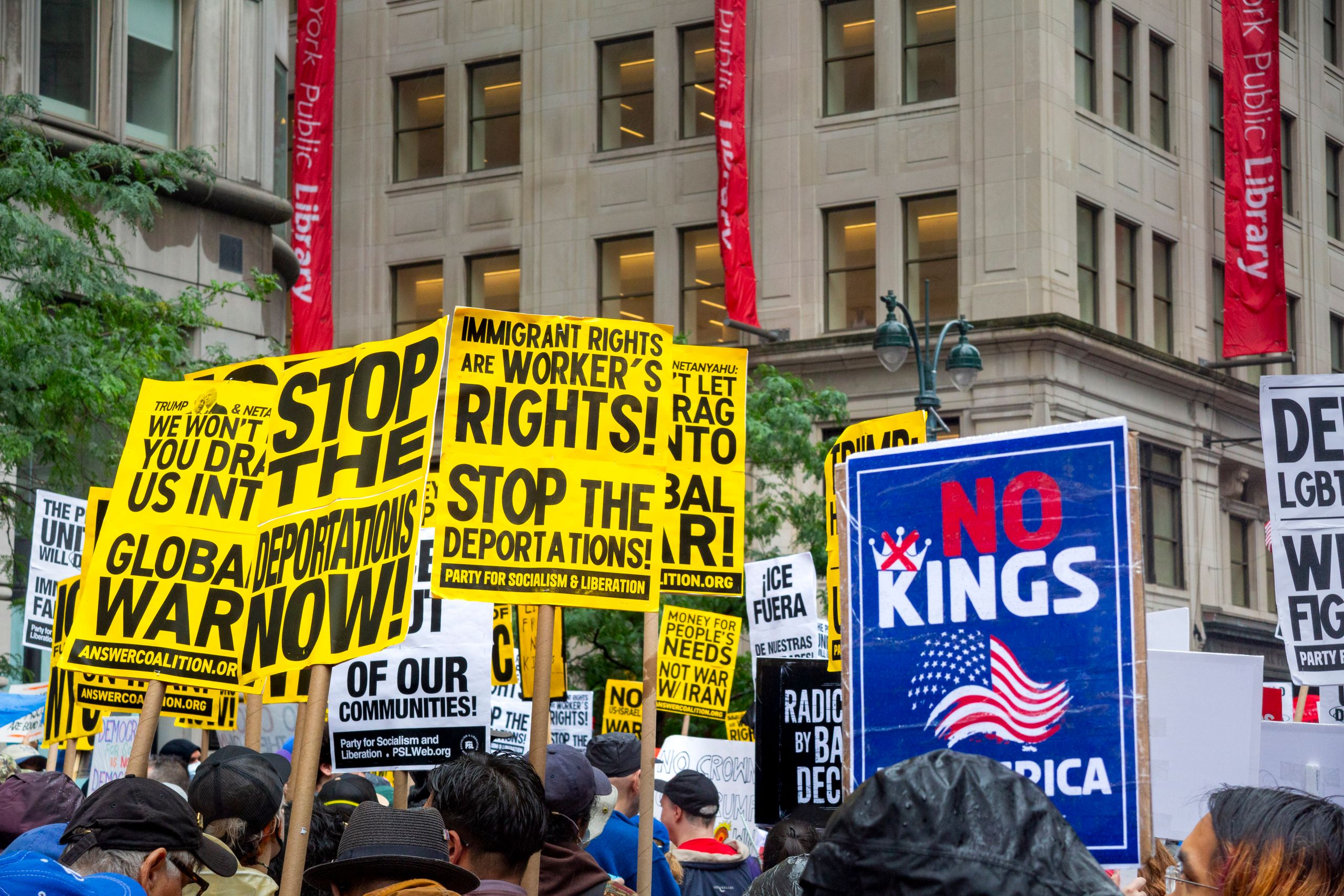
Federal officials said Ortiz-Vite initially entered the United States unlawfully before receiving protection under the Deferred Action for Childhood Arrivals program. His DACA status expired on May 10, 2019. After another arrest in 2020, immigration authorities detained him. An immigration judge ordered his removal on September 24, 2020, and the government deported him to Mexico five days later. At an unknown time and location, Ortiz-Vite returned to the United States without inspection.
Authorities have never publicly established whether that happened during the final months of Trump’s first administration or after Joe Biden took office. The uncertainty matters because Trump blamed the Biden administration for allowing Ortiz-Vite to return. That political assertion went beyond what investigators could verify.
However, uncertainty about the reentry date does not change the central facts. Ortiz-Vite had been deported, returned unlawfully, possessed a firearm, murdered Garcia, stole her vehicle, and pleaded guilty. His immigration history was not invented to humiliate him. It was part of the public record surrounding the case.
The Lawsuit Faces Severe Legal Problems
Submitting a complaint is easy compared with proving one. Federal courts do not award millions simply because a prisoner writes that he felt ashamed or mistreated. Because Ortiz-Vite is incarcerated and is suing government officials, the court must screen his complaint. Under 28 U.S.C. §1915A, judges must dismiss prisoner claims that are frivolous, fail to state a valid legal claim, or seek money from immune defendants.
The court allowed Ortiz-Vite to proceed without prepaying the full filing fee. That administrative decision says nothing about whether his claims have merit. A defamation plaintiff must generally identify a false factual statement and show how it caused reputational harm. Ortiz-Vite’s guilty plea makes that task exceptionally difficult. Calling him Garcia’s killer is not a false accusation. Calling him a convicted murderer is not a political invention. Describing his immigration status does not become defamatory merely because the description causes embarrassment.
Michigan also imposes a one-year limitations period on libel and slander claims. Ortiz-Vite filed his lawsuit in July 2026, more than two years after Trump’s April 2024 Grand Rapids speech. Unless he identifies a later publication or a valid reason to extend the deadline, the timing alone could threaten the case.
The Real Victim Is Being Pushed Aside Again
Ortiz-Vite’s lawsuit spends considerable energy describing his anxiety, humiliation, family shame, and damaged dignity. The person who can no longer describe her suffering is Ruby Garcia. She lost her life at 25. Her relatives lost a daughter, sister, and loved one. Their grief cannot be measured against the discomfort Ortiz-Vite felt when other people learned what he had done. Garcia’s family had legitimate concerns about politicians using her death.
Her sister disputed Trump’s claim that he had spoken with the family and emphasized that the killing involved domestic violence. Americans can recognize that concern without embracing Ortiz-Vite’s lawsuit. Criticizing the political exploitation of a murder does not require paying the murderer millions or granting him citizenship. The court will decide whether the complaint contains any claim that can legally proceed. The moral contrast, however, is already difficult to miss.
Ruby Garcia died a roadside death. Ortiz-Vite received due process, lawyers, a negotiated plea, a sentencing hearing, continued access to the courts, and the opportunity to make his allegations. Now he wants an apology from America’s president, citizenship from America’s government, and $75.5 million for the humiliation of becoming nationally known for a murder he admitted committing. For millions of Americans, that demand will not look like justice. It will look like one final attempt to make Ruby Garcia’s story about the man who killed her.
If you like what you just read, then subscribe to our newsletter and follow us on social media.


