

This article was originally published on Crafting Your Home. A human contributor also wrote and edited the post.
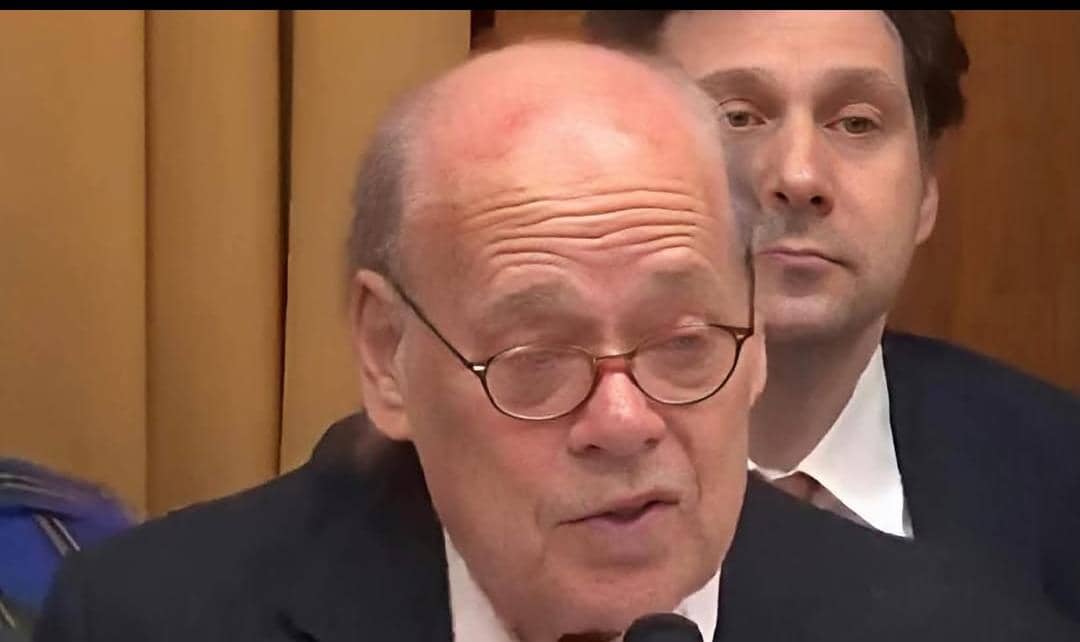
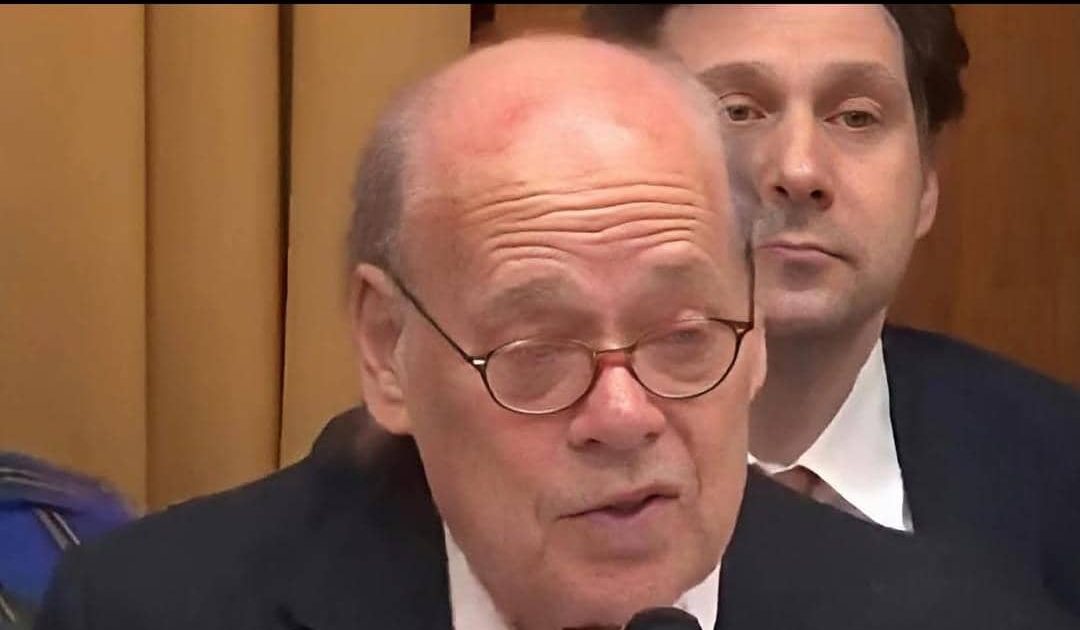
A few seconds of political video can travel much faster than a legal explanation. Democratic Rep. Steve Cohen of Tennessee learned that lesson after a clip of him criticizing Immigration and Customs Enforcement returned to social media.
“They’re arresting people simply for the offense of being in the country illegally,” Cohen said. He argued that deportation should not automatically follow when people are not committing additional crimes and are “contributing to the economy.” The clip dates to December 17, 2025, although it has continued circulating without always carrying that important timestamp.
Critics quickly treated the statement as a spectacular political own goal. After all, they argued, how could a member of Congress complain that immigration officers were enforcing immigration law?
ICE’s official account joined the pile-on with a one-line response: “Wait until Rep. Cohen learns about federal immigration laws.”
It was sharp, short, and perfectly designed for social media. The legal reality, however, needs more than nine words.
What Cohen Was Actually Arguing
Cohen’s remarks came during a broader discussion about federal enforcement in Memphis and the Trump administration’s promise to focus immigration operations on dangerous offenders.
President Donald Trump established the Memphis Safe Task Force in September 2025, bringing together the FBI, Drug Enforcement Administration, Bureau of Alcohol, Tobacco, Firearms and Explosives, ICE, Homeland Security Investigations, the U.S. Marshals Service and National Guard personnel. The administration presented the operation as a campaign against violent and street crime.
Cohen said he supported using federal resources against people convicted of murder, rape, child sexual abuse and other serious crimes. His complaint was that immigration agents were also detaining people whose only alleged violation involved their immigration status.
In a separate statement explaining his position, Cohen said, “I support deporting people that are here illegally who’ve committed serious crimes.”
That context matters. Cohen was not claiming that ICE has no authority to enforce immigration law. He was questioning how the government chooses its targets and whether limited enforcement resources should concentrate on dangerous offenders rather than workers, parents and longtime residents without criminal convictions.
Still, his wording practically invited a political firestorm. Saying ICE is arresting people for “being in the country illegally” sounds almost circular. Critics did not need a complicated rebuttal. They simply pointed to the word illegally and declared the case closed.
But immigration law separates criminal offenses from civil grounds for removal. That distinction is where the argument becomes more interesting.

Illegal Entry and Unlawful Presence Are Not Identical
Improper entry can be a federal crime. Under 8 U.S.C. Section 1325, entering the United States somewhere other than an authorized location, avoiding inspection, or gaining entry through deliberate deception can carry fines and up to six months in prison for a first offense. Repeat violations may bring harsher penalties.
However, not everyone living in the country without lawful status necessarily committed that particular crime.
Some people entered legally with temporary visas and remained after those visas expired. Others may have pending asylum, humanitarian, or immigration applications that do not automatically provide permanent legal status. USCIS describes how people can accumulate “unlawful presence” after an authorized stay expires or when they are present without admission or parole.
That does not mean they are immune from deportation.
Federal law states that a noncitizen present in violation of immigration law is deportable. It also identifies people who violate the conditions of their visas as subject to removal. In other words, the government does not need a robbery, assault, or drug conviction before beginning immigration proceedings.
This is the point both sides often flatten into slogans.
Cohen was correct that lacking legal status is not always the same as committing a separate criminal offense. ICE was also correct that federal law allows authorities to arrest and seek the removal of people who are unlawfully present, even when they have no additional criminal record.
Being removable and being convicted of a crime are legally different categories. Social media rarely has patience for that sentence, but the distinction is real.
The Larger Fight Is About Priorities
The deeper argument is not whether immigration laws exist. Of course they do. The fight concerns how aggressively they should be enforced, who should be arrested first, and whether the administration’s public messaging matches the people being detained.
The Trump administration repeatedly highlighted arrests involving murderers, sexual offenders, gang members and other dangerous individuals., DHS said that during Trump’s first 100 days back in office about 70% of ICE arrests involved people with criminal convictions or pending charges.
Yet government data also showed a rapid increase in immigration arrests involving people with no other criminal charges or convictions. The number booked into detention in that category increased from roughly 860 in January 2025 to about 7,800 by June 2025.
By December 2025, ICE was averaging approximately 1,300 arrests per day, compared with a daily average of about 350 during the previous decade. By early February 2026, roughly 24,500 people arrested by ICE and held in detention had no additional criminal charges or convictions, an analysis of agency figures found.
Trump border czar Tom Homan has openly acknowledged that agents arrest noncriminal targets encountered during operations.
“If ICE is there and arrests that bad guy and other aliens are there, we’re going to arrest them,” Homan said.
That policy explains Cohen’s criticism. It also explains why the administration rejects his argument. Cohen wants enforcement discretion to protect otherwise law-abiding immigrants who work and contribute to their communities. Administration officials maintain that once agents encounter someone who is removable, they should enforce the law rather than look away.

Cohen’s viral sentence was clumsy because it blurred the difference between saying someone has not committed a serious crime and saying the person cannot legally be deported. Those are not the same claims.
But the ICE response also skipped the central policy dispute. The agency can legally arrest many people without criminal convictions. The harder question is whether doing so represents the best use of federal power.
That debate cannot be settled by pretending immigration law is meaningless, or by pretending every immigration violation makes someone one of America’s “worst of the worst.”
If you like what you just read, then subscribe to our newsletter and follow us on social media.


