

This article was originally published on Crafting Your Home. A human contributor also wrote and edited the post.
Walk into almost any store, and everything seems designed for your convenience. The lights are bright, the music is pleasant, the products are neatly arranged, and colorful signs promise savings around every corner. Yet behind that welcoming appearance is a carefully planned system built to keep you shopping longer and spending more.
Retailers study how customers walk, where they look, what catches their attention, and which words make them reach for their wallets. Even small details, such as the size of a shopping cart or the location of a basic item, can influence how much you buy. Once you recognize these strategies, you can shop with greater confidence and keep more money in your pocket.
Sale Signs Do Not Always Mean Real Savings

A bright red sale sign can create instant excitement, but the discount may not be as generous as it appears. Some stores raise the original price before offering a markdown, making the final price look like a bargain. Others compare their price with a suggested retail price that customers rarely pay.
A product advertised as 50 percent off may have been sold at the lower price for weeks. Before celebrating a discount, compare prices online, check previous listings, and ask yourself whether you would still buy the item without the sale sign.
Loyalty Programs Collect More Than Points
Loyalty cards can offer useful discounts, rewards, and personalized coupons. However, they also give stores detailed information about shopping habits. Retailers may track what you buy, how often you visit, which promotions influence you, and how much you usually spend.
That information can help them send highly targeted offers designed to bring you back. The program may still be worthwhile, but customers should understand the exchange. The discount is partly a reward for providing valuable purchasing data.
Essentials Are Often Hidden in the Back
Milk, bread, eggs, medicine, and other frequently purchased products are commonly placed far from the entrance. This forces shoppers to walk through multiple aisles before reaching what they came to buy. Along the way, customers pass snacks, seasonal displays, household products, and special promotions.
Every additional aisle creates another opportunity for an unplanned purchase. A simple grocery list can protect you from this strategy. Head directly toward the items you need and avoid treating every display as an invitation.
Bigger Shopping Carts Encourage Bigger Purchases

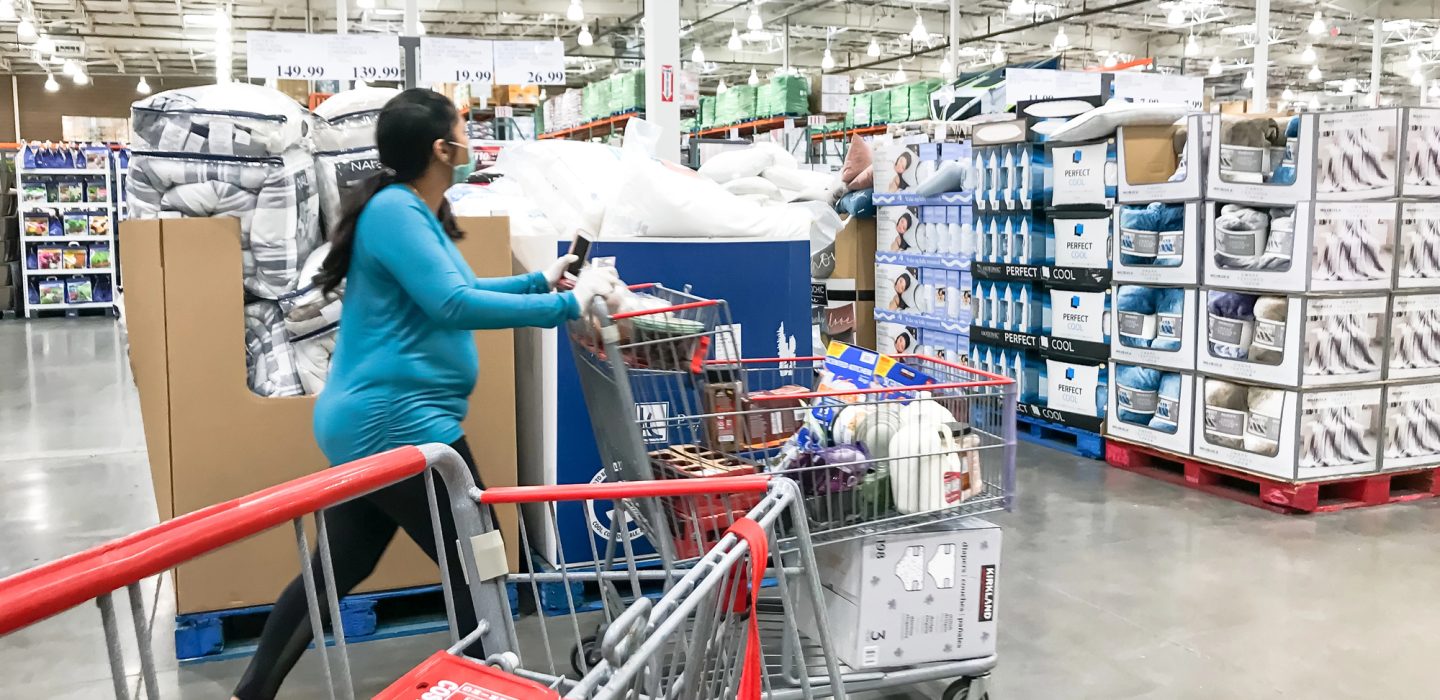
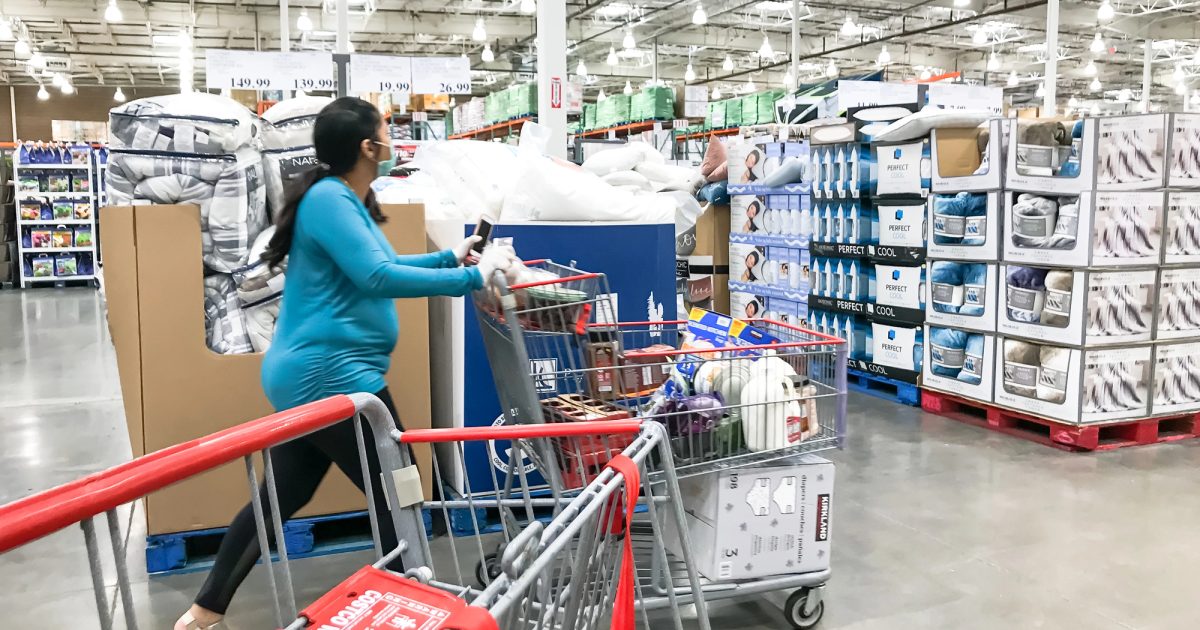
Shopping carts have grown larger in many stores, and that change is not always about customer comfort. A large cart can make a normal amount of groceries look surprisingly small. When the cart appears empty, shoppers may feel as though they have not bought enough.
They continue adding products, even when their original list is complete. Choosing a handbasket can help when you only need a few items. It creates a natural limit and makes every additional purchase feel more noticeable.
Eye Level Is Valuable Retail Space
Cheaper products are frequently placed on lower shelves, while specialty or premium goods may sit higher. Children’s cereals, candy, and toys are often positioned at a child’s eye level for the same reason. Looking up and down before choosing can reveal better prices and larger package sizes that are easy to miss.
Store Music Can Change Your Pace
The music playing overhead is rarely chosen at random. Slow, relaxing music can encourage customers to move more slowly, explore more aisles, and spend extra time inside the store. Faster music may be used during crowded periods to increase movement and improve customer flow.
Volume, tempo, and even song selection can shape the atmosphere without shoppers noticing. Staying focused on your list and setting a time limit for your trip can reduce the influence of the store’s carefully chosen soundtrack.
Larger Packages Are Not Always Cheaper
Warehouse stores and supermarkets often encourage shoppers to believe that buying in bulk automatically saves money. Sometimes it does, but not always. A larger package may cost more per ounce, gram, or unit than a smaller version.
Bulk purchases can also become wasteful if food expires or household products sit unused for years. Check the unit price printed on the shelf label rather than judging value by package size. The largest box is not automatically the smartest choice.
The Checkout Line Is a Final Spending Trap

After navigating the store, customers may believe the shopping trip is over. Then comes the checkout aisle, packed with candy, drinks, magazines, batteries, lip balm, gift cards, and small gadgets. These products are inexpensive enough to feel harmless, especially after a larger purchase.
However, adding a few checkout items during every shopping trip can quietly cost hundreds of dollars over time. Stores understand that tired shoppers are more likely to make quick decisions. Treat the checkout area as the finish line, not one last shopping opportunity.
Limited Time Offers Create Artificial Pressure
Signs saying “today only,” “while supplies last,” or “final chance” are designed to make shoppers act quickly. The fear of missing out can overpower careful thinking.
In some cases, the sale may return the following week, or the same product may be available elsewhere for less. Countdown timers on shopping websites can create similar pressure, even when they restart later. Before buying, pause and ask whether the deadline is genuine. A good purchase should still make sense after the excitement disappears.
Store Brands May Be Nearly Identical
Many shoppers automatically reach for familiar national brands because they assume the higher price reflects better quality. Yet store brands are sometimes made by the same manufacturers or produced with very similar ingredients.
The packaging may be less glamorous, but the product inside can perform just as well. This is especially common with basic foods, cleaning supplies, over-the-counter products, and household staples. Comparing ingredient lists, sizes, and unit prices can reveal major savings without sacrificing quality.
Shopping Smarter Starts With Paying Attention
Stores are not necessarily doing anything wrong by using marketing strategies. Their goal is to sell products, increase profits, and encourage customers to return. Problems arise when shoppers mistake clever presentation for genuine value.
The best defense is awareness. Make a list, compare unit prices, ignore artificial urgency, check lower shelves, and give yourself time before making expensive purchases. Once you begin noticing how stores influence your decisions, shopping becomes less emotional and more intentional.
A store may control the lights, music, displays, and product placement, but it does not have to control your wallet. The most powerful shopping tool is not a coupon or loyalty card. It is the ability to pause, look closely, and decide whether a purchase truly deserves your money.


