


This article was originally published on Crafting Your Home. A human contributor also wrote and edited the post.
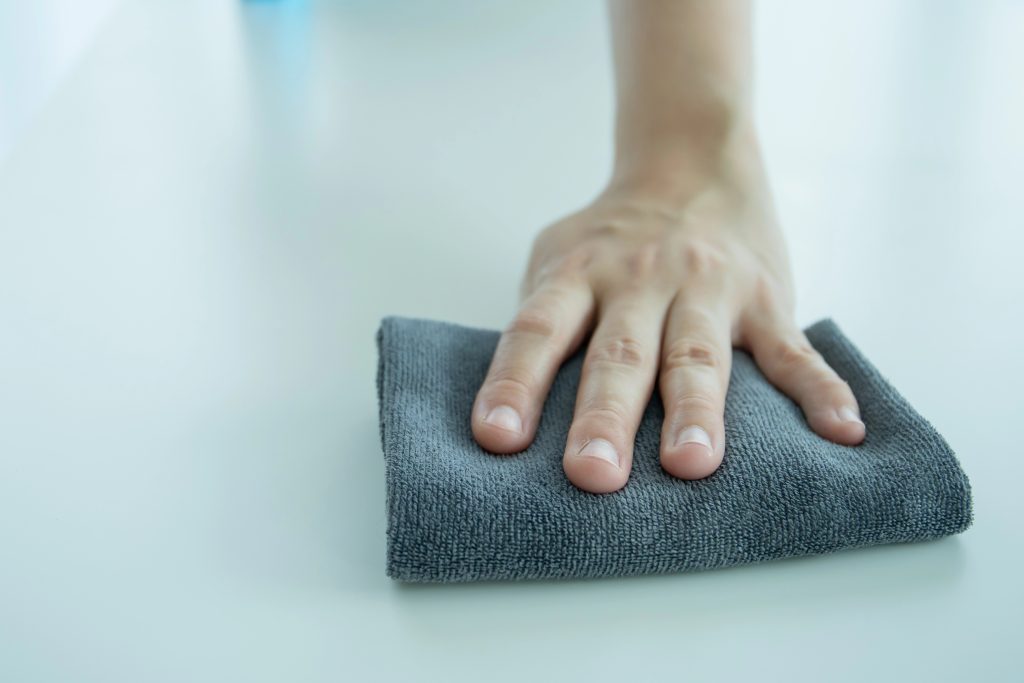
Microfiber cloths have become cleaning-cabinet essentials for good reason. Their tightly woven fibers grab dust, absorb spills, and polish many household surfaces without leaving lint behind.
However, that same gripping power can become a problem. A standard multipurpose cloth may hold sand, grease, and dried cleaner deep inside its fibers. Once contaminated, it can drag abrasive particles across delicate finishes, leaving scratches, haze, or stubborn streaks.
The lesson is not to throw away every microfiber towel. Instead, homeowners should know when a general-purpose cloth is the wrong tool and when only a clean, surface-specific version will do.
Coated Television and Computer Screens
Modern screens often have anti-glare, oleophobic, or Nano-textured coatings that require careful handling. A general cleaning cloth used on counters or furniture may contain invisible debris that scratches the display as you wipe.
Household glass cleaner can create even more trouble. Strong solvents and excess liquid may affect screen coatings or seep into the frame.
Use the polishing cloth supplied by the manufacturer whenever possible. Otherwise, choose a clean, soft, lint-free screen cloth and lightly dampen it with water only. Always turn the device off and never spray liquid directly onto the display.
High-Gloss Car Paint
Microfiber is widely used in automotive detailing, but a kitchen-grade cloth is not the same as an automotive towel. Thin multipurpose cloths may have rough edges, low-quality fibers, or trapped grit from previous jobs.
Dragging one across dusty paint can create fine circular scratches known as swirl marks. Dark vehicles tend to reveal this damage most clearly under direct sunlight.
Rinse loose dirt from the car before touching the finish. Then use a clean, plush automotive wash mitt or high-pile detailing towel with plenty of soapy water. Keep separate cloths for wheels, lower panels, and painted surfaces so brake dust never reaches the bodywork.
Unsealed or Rough Wood
Unfinished wood has open grain and no protective coating. A standard microfiber cloth can snag on rough fibers, leave small threads behind, or force dust deeper into the surface.
Water also presents a risk. A wet cloth may cause staining, swelling, or raised grain when moisture sinks into unsealed wood.
Begin with a soft-bristled brush or a vacuum fitted with a clean upholstery attachment. For light wiping, use a smooth cotton cloth with minimal pressure. Test any cleaning method in a hidden area before treating the full piece.
Marble and Other Polished Natural Stone
A clean, soft cloth can be safe for natural stone, but the everyday microfiber towel beside the sink may not be. Tiny grains collected from floors, stovetops, or windows can scratch a polished marble surface.
The cleaning solution matters as much as the cloth. Vinegar, lemon-based products, and other acidic cleaners may etch marble, leaving pale or cloudy marks that cannot simply be wiped away.
Use a dedicated soft cloth that never leaves the countertop area. Clean with warm water and a pH-neutral stone product or a small amount of mild dish soap. Rinse away residue and dry the surface immediately to prevent streaking.
Hot Glass Cooktops
A microfiber cloth should never touch a cooktop that is still hot. Most microfiber towels contain synthetic materials that may soften, melt, or stick when exposed to high heat.
Melted cloth can leave residue on the glass, making a simple spill much harder to remove. It may also ruin the towel and create an unpleasant odor.
Allow the cooktop to cool completely. Remove dried food with a manufacturer-approved cooktop scraper held at the recommended angle, then apply a cleaner designed for ceramic or glass cooking surfaces. Finish with a clean cotton cloth or a dedicated cooktop pad.
Crystal, Eyeglasses, and Camera Lenses
Delicate glass and coated lenses demand more care than ordinary windows. A thick household microfiber towel may trap grit, while fabric softener or detergent residue can leave a cloudy film.
Eyeglasses are especially vulnerable because many lenses carry anti-reflective, UV, or scratch-resistant coatings. Camera lenses and fine crystal can also show tiny marks that become noticeable under bright light.
Rinse removable dust away before polishing. Use lukewarm water and mild dish soap to clean washable eyeglasses, then dry them with a clean optical cloth or a soft cotton cloth recommended by the manufacturer. Keep lens cloths in a protective case rather than loose in a dusty drawer or bag.
When Microfiber Is Still the Right Choice
Microfiber remains excellent for dusting sealed furniture, cleaning tiles, wiping bathroom fixtures, and polishing many mirrors or windows. It works best when the cloth is clean, soft, and reserved for a single job.
Wash microfiber separately from lint-producing fabrics and skip fabric softener, which can coat its fine fibers. Retire any towel that feels stiff, greasy, or rough after washing.
The safest cleaning tool is not always the softest looking one. Before wiping an expensive surface, consider where the cloth was last used and whether a specialized cotton, optical, or automotive cloth would offer better protection.
If you like what you just read, then subscribe to our newsletter and follow us on social media.


