

For millions of Americans getting ready to pack coolers, load kids into the back seat, and chase fireworks across state lines, the price sign outside the gas station has become more than a number. It is a mood. It is a family budget. It is the difference between taking the long weekend trip and staying home.
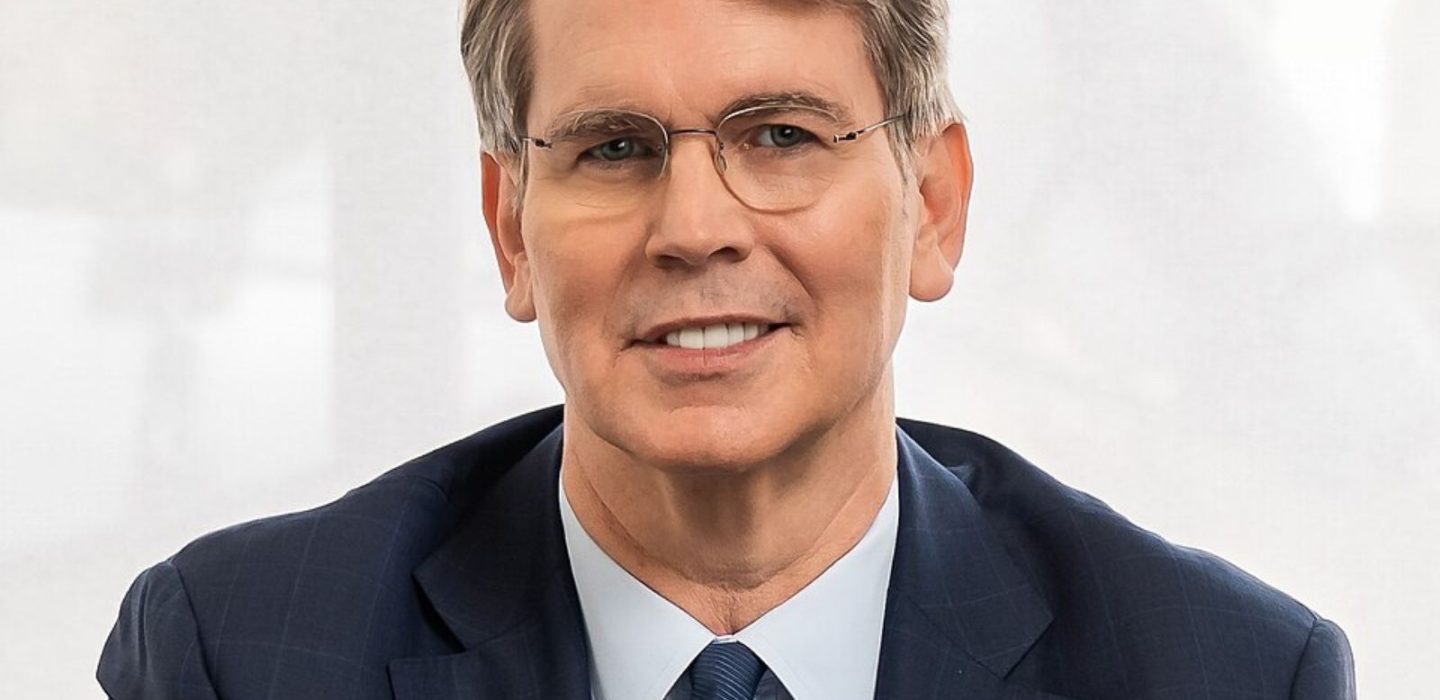
That is why Washington’s latest message to oil and gas companies landed with such force this week. U.S. Treasury Secretary Scott Bessent warned gasoline retailers to bring prices down, echoing President Donald Trump’s public demand that pump prices should fall faster as oil prices ease. Bessent’s message was blunt: gasoline sellers should be “good actors” during America’s 250th anniversary celebration because the administration is watching.
The warning comes at a politically sensitive moment. July Fourth is already one of the most expensive travel windows of the year, and this year’s holiday carries extra symbolism as the United States marks 250 years since its founding. Yet for many households, patriotic pageantry will be filtered through a familiar question: how much will it cost to get there?
The Pump Has Become a Political Stage
Trump had already turned up the pressure on gasoline retailers in a Truth Social post, telling them to drop prices “immediately” and suggesting they should target roughly $2.50 a gallon. Reuters reported that Trump warned retailers of “big problems” if prices did not fall.
Bessent then reinforced that message, directing it not only at major oil-linked sellers but also at independent retailers and international convenience chains. That distinction matters because Americans do not experience energy markets through charts, futures contracts, or refinery reports. They experience them at the corner station, where the posted price feels personal.
The administration’s argument is simple: crude oil prices have fallen, so drivers should see relief at the pump. Bessent said the Trump administration expects gasoline prices to follow the decline in global oil prices after an initial agreement eased market concerns following earlier Middle East tensions.
But the politics are sharper than the economics. Gas prices are one of the few costs Americans see advertised in giant numbers every day. Unlike grocery receipts or utility bills, gasoline prices stare at drivers from the roadside. They are unavoidable, instantly comparable, and emotionally loaded.
Americans Are Still Paying Far More Than Last Year

AAA listed the national average for regular gasoline at $3.847 per gallon as of July 1, 2026. That is down from $4.322 a month earlier, but still much higher than the $3.179 average recorded a year ago.
That gap is exactly why the White House pressure campaign may resonate with drivers. A falling price does not feel like relief when the family budget is still stretched. A driver who remembers paying closer to $3.15 last Independence Day may not feel grateful for $3.85 gasoline, even if prices have cooled from May and early June.
For a family driving hundreds of miles, the difference adds up quickly. A road trip that once felt ordinary can now feel like a calculation. The hotel is higher. Food is higher. Car rentals are higher. Gas is still high enough to irritate drivers who have spent years hearing that cheaper energy is always just around the corner.
July Fourth Travel Is Still Expected to Break Records
The frustration is not stopping people from traveling. AAA projects 72.2 million Americans will travel at least 50 miles from home between June 27 and July 5, slightly above last year’s record of 71.8 million.
Most of them will drive. AAA expects 61.4 million people to travel by car during the holiday period, representing about 85% of Independence Day travelers. The group also noted that gas prices are higher than last year, though still below the painful 2022 holiday average of $4.80 per gallon.
That creates an awkward reality for both politicians and oil companies. Americans are angry about prices, but they are still moving. Families may complain while filling the tank, yet many are still choosing the road because flying is often even more expensive, especially for parents traveling with children.
AAA said domestic round-trip flights are averaging about $830 a ticket, while domestic car rentals are 10% more expensive than last year during the holiday week. So the gas station becomes the place where a larger affordability crisis gets concentrated. It is not only about fuel. It is about every bill that has risen around the trip.
Why Prices Do Not Fall Instantly
The administration’s pressure rests on a point many drivers already believe: when oil rises, gas stations seem quick to raise prices, but when oil falls, pump prices seem slow to come down.
That feeling has some basis in how the fuel market works, though it does not prove wrongdoing by itself. Retail gasoline prices are shaped by crude oil costs, refining capacity, distribution, state taxes, seasonal fuel blends, local competition, and existing inventories. A station may be selling fuel bought earlier at a higher wholesale price. Refiners may still be dealing with supply limits. Some regions face higher taxes and transportation costs than others.
Still, the consumer suspicion is real. When people are paying nearly $4 a gallon and hearing that oil prices are easing, patience runs thin. Bessent’s warning speaks directly to that frustration. It tells drivers that Washington sees what they see: a disconnect between falling oil prices and stubborn pump prices.
The “Good Actors” Message Carries a Threat

Bessent’s phrase, “good actors,” sounds polite on the surface. But in context, it carries an edge. It suggests the administration is not merely asking companies to lower prices. It is warning them that their behavior is being judged.
“I would encourage them to be good actors, especially in the 250th anniversary, because we’re watching,” Bessent said in an interview with Fox News on Tuesday morning, addressing big oil, independent and international retailers.
That matters because energy companies and gasoline retailers are already operating in a politically charged environment. If prices remain high through a major holiday week, the administration could face pressure to escalate, whether through investigations, public shaming, regulatory scrutiny, or calls for action against alleged price gouging.
Trump has leaned heavily into the argument that the energy sector should pass savings to consumers. The Guardian reported that Bessent said oil companies were probably making “record profits” and that it was time to do something for the American people.
That language is designed for kitchen-table politics. It presents the issue as a moral test: if oil prices are falling, why are working Americans still paying so much to fill the tank?
The Anger Is Greater Than Gasoline
The reason this story cuts through is that gas prices touch nearly every part of American life. Higher fuel costs raise the price of commuting, deliveries, lawn care, food transportation, small-business operations, and summer vacations. For lower- and middle-income households, gasoline is not a luxury. It is the cost of getting to work, school, child care, medical appointments, and family obligations.
A few cents per gallon may look small on paper, but Americans do not live on paper. They live in weekly paychecks. They live in credit card balances. They live in the uncomfortable moment at the pump when the total keeps climbing, and the tank is still not full.
That is why the administration’s warning is likely to find a receptive audience, even among people who know presidents do not directly set gas prices. Voters may understand that the market is complicated, but they also want someone to blame when a basic expense feels unfair.
What Happens Next
The next few days will test whether public pressure has any visible effect. If the national average keeps sliding, Trump and Bessent may claim the warning worked. If prices stall near current levels, the administration may intensify its criticism of retailers and oil companies.
Either way, the pump has become a symbol of the summer economy. The White House wants lower numbers before families hit the highway. Retailers will likely argue that prices cannot move as quickly as political demands. Drivers will judge the situation in the simplest way possible: by what they pay when they pull up to the pump.
For now, the message from Washington is clear. The administration wants gasoline sellers to move faster, and it wants Americans to know someone is watching. But for the families heading out for Independence Day, the bigger question is even simpler: will the price fall before they have to fill up again?


