

For many Americans, Election Night already feels broken. The speeches come early, the numbers crawl in late, and the country goes to bed with one question hanging over every close race: how long will this take now? The Supreme Court’s latest mail ballot ruling may be legally narrow, but it lands in a country that is tired, suspicious, and deeply impatient with elections that seem to stretch past the night they are supposed to end.
In a 5-4 decision, the Court ruled that states may count mailed ballots that are postmarked by Election Day but arrive afterward, preserving Mississippi’s five business day grace period and protecting similar rules in other states. The decision in Watson v. Republican National Committee answers one legal question, but it does not calm the national mood.
If anything, it guarantees that in the next major election, millions of Americans will once again watch vote totals shift after Election Day, hear both parties accuse each other of bad faith, and wonder why the world’s most powerful democracy still cannot give voters a clean, trusted finish.
The ruling keeps late-arriving ballots alive.
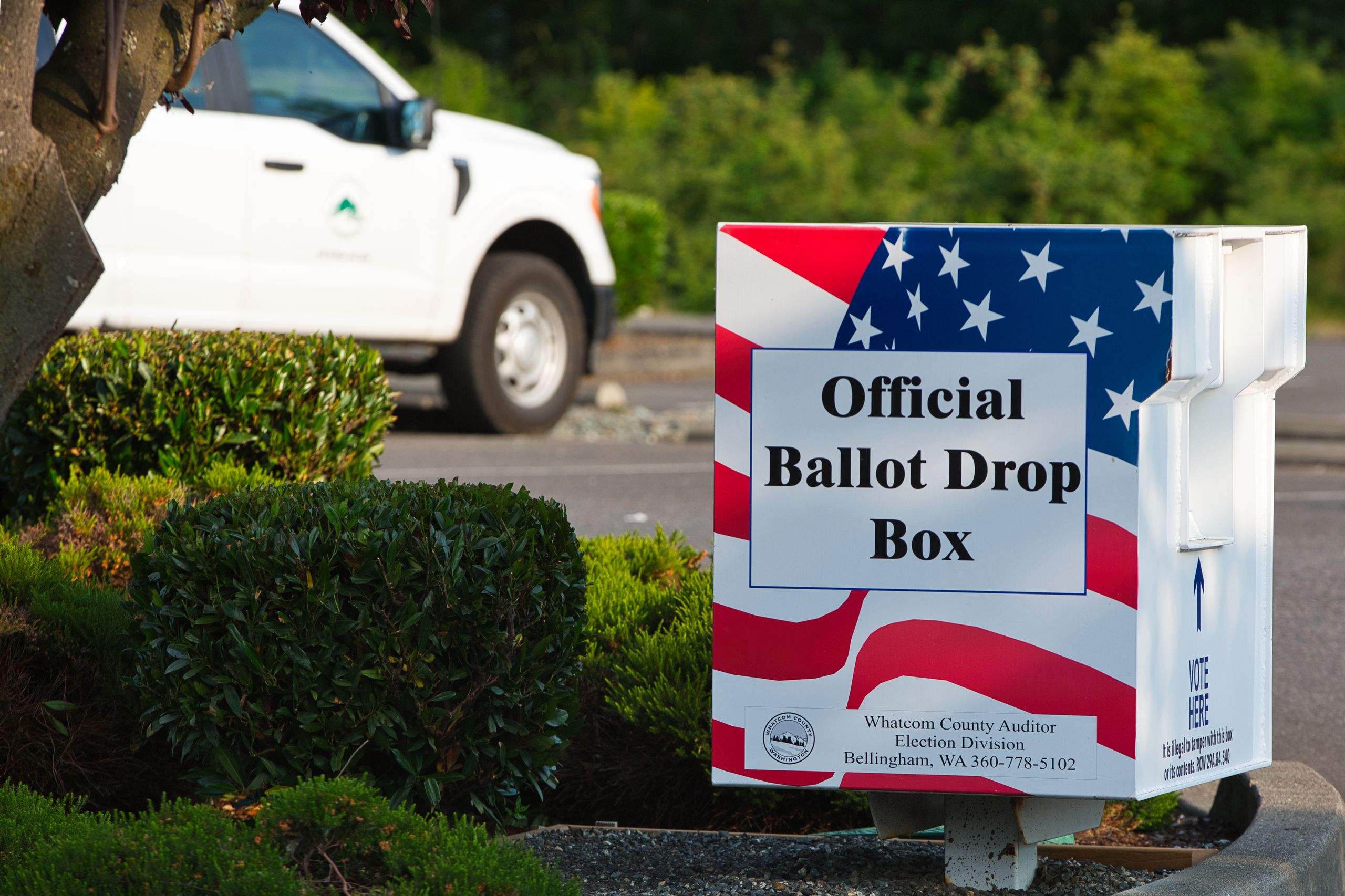
Mississippi’s law allows absentee ballots to be counted if they are postmarked on or before Election Day and received within five business days after the election. Republican challengers argued that federal law sets one Election Day and that ballots should be both cast and received by then.
The Supreme Court disagreed, ruling that federal Election Day statutes require voters to make their choice by Election Day but do not require election officials to physically receive every ballot by that date. Justice Amy Coney Barrett wrote the majority opinion, joined by Chief Justice John Roberts and the Court’s three liberal justices. Four conservative justices dissented.
That split alone tells Americans what they already know: even the rules for counting votes now look like another battlefield in the country’s political war. The Court’s reasoning is straightforward. A voter casts a ballot when the voter makes the choice and submits it according to state law.
The later arrival of the envelope is part of election administration. Legally, that may be clean. Emotionally, for a country that already distrusts the process, it feels much messier.
The problem Americans see is not just legal.
The average voter does not read federal election statutes. The average voter sees a race on television, sees one candidate ahead, wakes up the next morning, and sees the margin change. Then it changes again. Then analysts explain outstanding mail ballots, provisional ballots, cure periods, overseas ballots, canvassing deadlines, and certification rules.
That may be normal election administration, but it does not feel normal to people who expect Election Day to mean something final. This is the real wound underneath the case. The Court may have clarified that Election Day is the deadline for voting, not necessarily ballot receipt.
But public confidence is not built on legal definitions alone. It is built on whether people believe the process is clean, understandable, and consistent. Right now, many Americans do not.
Late counting feeds a national anxiety.
Mail ballot grace periods exist for a practical reason. A voter can do everything right, fill out the ballot properly, sign it, mail it on time, and still be at the mercy of the postal system. Rural voters, senior citizens, disabled voters, students living away from home, military voters, overseas citizens, and people in remote communities can all face delays outside their control.
That is the strongest argument for the ruling. No eligible voter wants to lose a ballot because a truck was delayed, a plane could not fly, or a mail facility moved slowly. But the other side of the frustration is just as real. Every extra day of ballot arrival becomes another day for suspicion to grow. Every changing vote total becomes another social media fight.
Every close race becomes another invitation for people to believe the system is being manipulated, even when officials are simply counting ballots under state law. Justice Samuel Alito’s dissent warned that the ruling creates a serious risk of further weakening public confidence in elections and self-government. Whether Americans agree with the legal dissent or not, many understand the fear behind it.
The patchwork system remains painfully confusing.

The ruling does not give America one clear national standard. It leaves the existing state by state maze in place.
Thirty six states require mailed absentee or mail ballots to be received on or before Election Day. Fourteen states, plus Washington, D.C., Guam, Puerto Rico, and the Virgin Islands, accept mailed ballots after Election Day if they are properly postmarked or otherwise verified under state rules.
Thirty states and Washington, D.C. accept at least some military and overseas ballots after Election Day. That means a voter in one state may have until several days after Election Day for a properly postmarked ballot to arrive, while a voter in another state may lose the ballot if it is not in hand by the close of polls. California gives postmarked ballots seven days after Election Day to arrive. Illinois allows 14 days. Mississippi allows five business days.
Texas allows one day for certain postmarked ballots. Nevada allows ballots to arrive by 5 p.m. on the fourth day after the election. Washington allows ballots to arrive before certification if properly postmarked. For voters, that is not democracy made simple. It is democracy with fine print.
Election Night will keep feeling unfinished.
One of the most relatable frustrations in American politics is the feeling that Election Night no longer ends the election. In close races, the first numbers are not the last numbers. The late numbers are not suspicious by themselves, but they often arrive in a climate where neither side trusts the other. That makes the Supreme Court ruling politically explosive even if it is legally narrow.
Supporters will say the decision protects lawful voters from being silenced by mail delays. Critics will say it makes elections feel open ended and harder to trust. Both reactions will shape the way voters experience the 2026 midterms. This is where the ruling becomes more than a court decision. It becomes part of the national ritual of doubt. Americans will watch county dashboards refresh.
They will hear campaigns demand patience when behind and speed when ahead. They will see viral posts claim something strange is happening before all the facts are known. And once again, election workers will be stuck in the middle, doing a technical job under a political microscope.
The court spared election officials a last-minute disaster.
There is one practical benefit that even critics should not ignore. A ruling against Mississippi could have forced states with similar laws to change deadlines just months before the midterms. Election offices would have had to rewrite instructions, retrain workers, update websites, change voter education campaigns, and explain new rules to millions of people already confused by the old ones.
The disruption would have been severe. At least one state, Ohio, had already changed its law in anticipation of a possible Supreme Court decision against post Election Day receipt rules. Illinois had budgeted money for an advertising campaign to warn voters about potential deadline changes, then canceled it after the ruling. That detail reveals the ugly truth about American elections: even administrators are now forced to plan around legal uncertainty.
Rules that should feel settled can be thrown into doubt by lawsuits, appeals, emergency orders, and late term court decisions. Voters see the chaos. They may not know the statute numbers, but they understand instability.
Trump and Republicans will not drop the issue.
The ruling is a defeat for President Donald Trump and Republicans who have pushed to restrict mail voting. Trump has repeatedly criticized mail ballots and again called for national voting changes after the decision, including the SAVE America Act, which would require proof of citizenship to register and photo identification to vote. That means the fight is not over.
It is simply moving back to Congress, state legislatures, campaign rallies, courtrooms, and television ads. Republicans will likely frame the ruling as another reason to tighten election laws. Democrats and voting rights groups will frame it as a protection for voters who follow the rules. Election officials will ask voters to mail ballots early. Voters will ask why the rules are still so complicated. Nobody will get a quiet election season.
The real loser may be public trust.
The Supreme Court’s ruling may be correct as a matter of statutory interpretation. It may protect voters who would otherwise be punished for slow mail. It may prevent states from having to overhaul election systems right before a major vote. But it does not solve the deeper problem. America has an election system that is legalistic, decentralized, slow, and increasingly distrusted. One state counts one way. Another state counts another.
One ballot must arrive by 7 p.m. Another can arrive days later. One voter gets a grace period. Another does not. One race is called quickly. Another drags through the week. That is not a recipe for confidence. It is a recipe for suspicion.
The Court has now said that a ballot cast by Election Day can still count after Election Day when state law allows it. That may protect voters. It may also prolong the anger that now shadows every close race.
For Americans already exhausted by politics, the message is bleak but familiar: Election Day is still the deadline to vote, but it is no longer the day the country expects answers.


