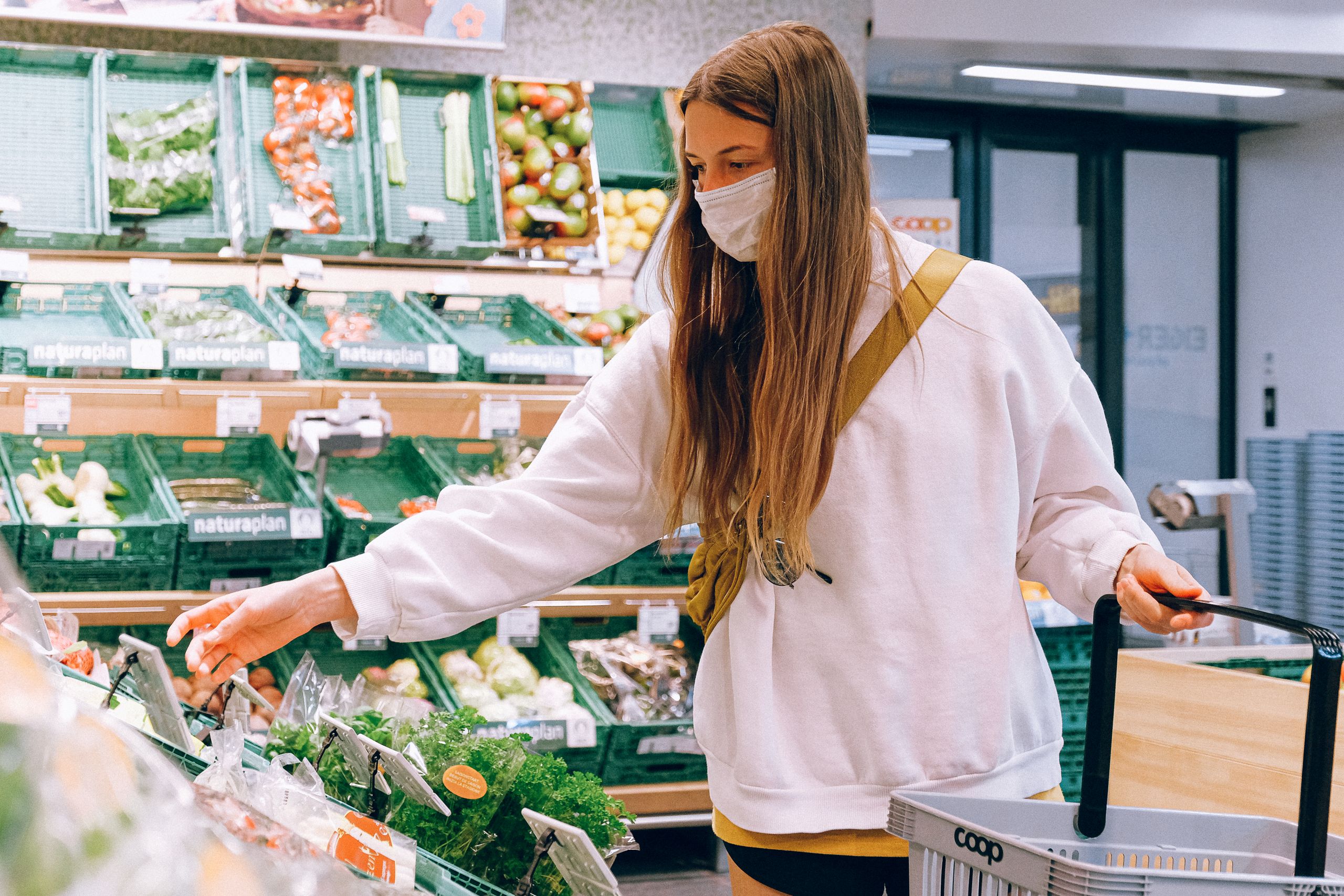
Across the United States, food insecurity is quietly expanding beyond traditional poverty lines, driven by a difficult combination of reduced federal nutrition assistance and steadily rising grocery prices. At the Ritenour Co-Care Food Pantry outside St. Louis, the shift is already visible on the shelves. Staple proteins such as ground beef and chicken legs, once common donations and distributions, are increasingly being replaced by lower-cost alternatives as supply tightens and demand rises. The result is a growing strain on both food banks and the families that depend on them.
This local snapshot reflects a broader national trend. From urban centers to rural counties, nonprofit food providers are reporting higher foot traffic, shrinking inventories, and more frequent shortages of high-protein foods. What was once considered emergency assistance is becoming a regular source of support for working families, seniors on fixed incomes, and households navigating the gap between wages and the cost of living.
Federal SNAP Reductions Are Reshaping How Families Access Food
One of the most significant forces driving the current food crisis is the reduction in federal Supplemental Nutrition Assistance Program (SNAP) benefits in several states and eligibility categories. Policy adjustments over the past year have tightened access for certain households, particularly those near income thresholds or affected by updated work-requirement rules. As a result, some families who previously relied on SNAP for monthly grocery stability are now receiving reduced support or losing eligibility entirely.
These changes are unfolding at a time when SNAP has historically served as a critical stabilizer during economic uncertainty. According to federal program data, SNAP supports tens of millions of Americans each month, with benefits typically averaging a few dollars per person per meal, which is already considered modest even before inflationary pressures have increased food costs. As benefits shrink or become harder to access, households are forced to make immediate adjustments, often cutting back on fresh produce, protein, and other nutrient-dense foods first.
Grocery Prices Continue to Outpace Wage Growth in Key Categories

At the same time, grocery inflation continues to pressure household budgets, even as overall inflation has cooled from its post-pandemic peaks. Essential items such as meat, dairy, eggs, and fresh produce remain significantly more expensive than they were just a few years ago, with price volatility still visible across regional markets.
For food pantries like Ritenour Co-Care, these increases are particularly challenging. Donated goods are no longer stretching as far, and purchasing supplemental food through wholesale channels has become more expensive. Many nonprofits report shifting toward lower-cost staples such as pasta, rice, and canned goods, while high-protein items, traditionally among the most in-demand are harder to consistently provide in sufficient quantities.
Food Banks Across the U.S. Are Operating Under Sustained Pressure
Food banks nationwide are experiencing a prolonged surge in demand that shows no clear sign of slowing. In many regions, distribution lines have grown longer, and appointment-based systems are becoming more common to manage limited inventory. These organizations are also reporting a shift in the demographic profile of those seeking assistance, with more working households and middle-income families relying on food support than in previous years.
Supply-side constraints are compounding the issue. Donations from grocery retailers, agricultural partners, and individual contributors fluctuate seasonally, but current demand levels are outpacing supply in multiple states. As a result, some food banks are reducing portion sizes or limiting the number of visits per household per month to stretch available resources further.
The Shift From “Supplemental Help” to Essential Lifeline
What is becoming increasingly clear is that food assistance in the United States is evolving from a supplemental safety net into a critical, ongoing necessity for millions of households. Rising housing costs, transportation expenses, and healthcare bills are leaving less disposable income for groceries, pushing families into reliance on food pantries for basic weekly sustenance.
This shift carries broader implications for community stability and public health. Diet quality often declines when households rely heavily on lower-cost, shelf-stable foods, increasing long-term risks of nutritional deficiencies and chronic conditions. At the same time, children in food-insecure households face additional challenges in academic performance and overall well-being, reinforcing cycles of inequality.
Why This Food Insecurity Trend Matters to Every American Community
The current rise in food insecurity is not confined to one region or demographic group, it is a nationwide economic signal reflecting deeper structural pressures. When both federal support systems tighten, and grocery prices remain elevated, the gap between income and basic living costs widens, forcing more households into difficult trade-offs.
This matters because food access is one of the most fundamental indicators of economic stability. As more families rely on food banks, communities face increased pressure on nonprofit systems, local governments, and charitable networks that were not designed to handle sustained, large-scale demand. The situation unfolding in places like St. Louis is increasingly mirrored in cities and towns across the country, making food security one of the most pressing domestic issues of 2026.
Read the original article in Crafting Your Home.