

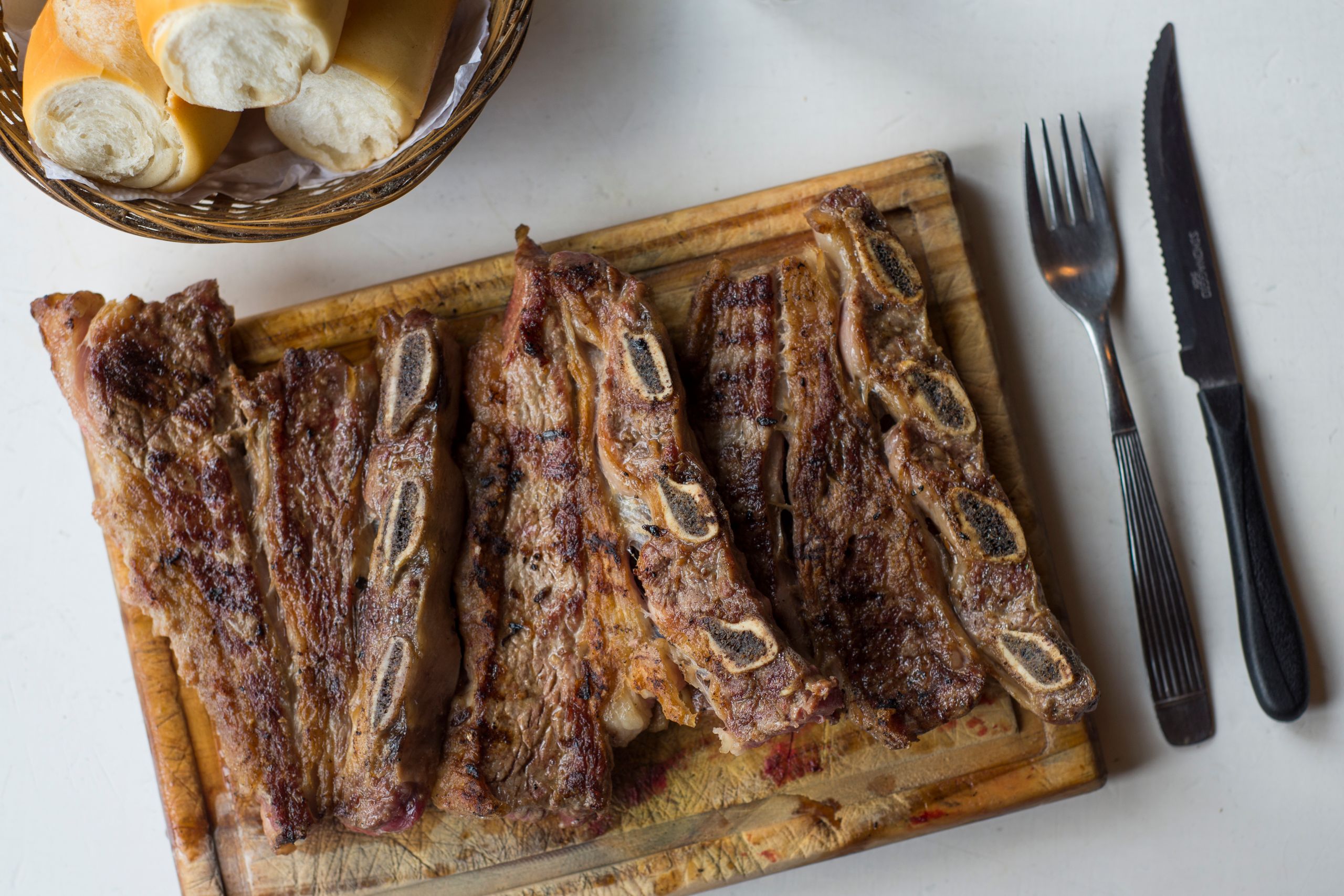
In Houston, Texas, a city where steak culture is closely tied to tradition, precision, and pride in the craft of cooking, a viral video showing a raw ribeye allegedly served straight from the fridge at a steakhouse has sparked a national debate that extends far beyond one restaurant kitchen.
What began as a single unusual customer request has rapidly evolved into a larger cultural flashpoint involving food safety rules, restaurant liability, social media influence, and the growing pressure on frontline workers to accommodate extreme customization demands.
The footage, reportedly shared by a restaurant employee, shows a cold, uncooked ribeye placed on a plate after a customer allegedly requested no cooking whatsoever. The moment, captured casually, has since spread across platforms where millions have reacted with confusion, concern, and debate.
At face value, it appears like a strange but isolated incident. But beneath the viral reaction lies a deeper structural tension now facing the entire restaurant industry: how far can hospitality stretch before it breaks food safety rules, legal responsibility, and operational logic?,
In an era where social media trends influence real-world dining behavior, this single plate of raw steak has become a symbol of something much larger.
What Happened

According to the viral video circulating online, a steakhouse employee documented an unusual customer request: a ribeye steak served with no cooking process applied at all.
Instead of grilling, searing, or preparing the meat in any traditional way, staff reportedly:
- removed a ribeye cut directly from the refrigerator
- placed it onto a serving plate
- served it uncooked at the customer’s request
The employee’s video quickly gained traction online, where viewers reacted with shock, humor, and concern about whether such a request should have been fulfilled.
Reactions focused on several immediate questions:
- Is this even allowed under food safety guidelines?
- Did the restaurant violate health standards?
- Should staff have refused the order?
- Where does customer choice end and professional responsibility begin?
While steakhouse culture is built around varying levels of doneness from rare to well-done, this case removed cooking entirely from the equation.
That single decision transformed what might have been an unusual order into a nationwide discussion about the boundaries of food safety and the limits of customer control in professional kitchens.
Food Safety Boundaries, Liability Risk, and the Collapse of Service Limits
The Invisible Line Between Rare and Unsafe
One of the most misunderstood aspects of this incident is the difference between “rare steak” and completely uncooked meat.
In professional kitchens:
- A rare steak still involves controlled exposure to heat.
- temperature thresholds are carefully monitored
- Food handling procedures are strictly regulated.
But a completely raw ribeye exists outside normal steakhouse preparation standards.
This introduces a critical reality:
Food safety is not flexible, even when customer preference is.
Restaurants are legally and operationally responsible for ensuring that food is handled in accordance with safe food-handling practices. Once those boundaries are crossed, liability shifts from customer preference to institutional risk.
The Liability vs Hospitality Collision
At the center of this controversy is a conflict every modern restaurant now faces: hospitality culture versus legal responsibility.
Restaurants are built on the idea of accommodating customers. But they are also bound by:
- health code regulations
- Food handling laws
- internal safety protocols
- liability exposure standards
This creates a structural contradiction:
“the customer is always right” ends where legal responsibility begins.
The raw ribeye incident exposes that tension in its most extreme form.
TikTok and the Rise of “Challenge Ordering” Culture

A major driver behind incidents like this is the rise of social media–influenced ordering behavior.
Customers are increasingly influenced by:
- viral food videos
- “extreme customization” trends
- challenge-based ordering content
- shock-value dining experiences
This creates what industry analysts describe as performance ordering, where the goal is not just to eat food but to create content or experience novelty.
In that environment, a request like “no cooking at all” becomes less about culinary preference and more about:
testing boundaries for attention or experimentation.
The De-Skilling of Food Understanding
Another overlooked factor is the growing gap between customer perception and kitchen reality.
Many diners do not fully distinguish between:
- raw ingredients
- prepared dishes
- food safety classifications
This leads to situations where customers believe:
Any modification is possible if the request is clear enough.
But professional kitchens operate under strict systems where not all modifications are permitted, especially those involving raw protein handling outside approved procedures.
Frontline Workers Under Operational Pressure
At the center of this incident is not just a customer request but the employee who had to respond in real time.
Restaurant workers often face:
- unclear escalation protocols
- pressure to maintain customer satisfaction
- limited authority to refuse unusual requests
- viral risk if decisions are filmed
This creates a high-pressure environment where staff must balance:
customer service expectations vs safety compliance responsibilities
In many cases, refusal authority exists but is not always clearly enforced or supported.
The Experience Economy Pushes Boundaries Further
Modern dining is no longer just about food; it is about experience.
Restaurants are increasingly expected to deliver:
- personalization
- flexibility
- novelty
- “Anything is possible” service culture.
But extreme customization requests push that model to its limits.
The raw ribeye incident represents the edge of that system:
where personalization collides directly with operational logic
Steakhouse Culture and Why “Raw Steak” Breaks the System
Steakhouses operate on a structured system of preparation defined by heat control and doneness levels.
Standard classifications include:
- rare
- medium rare
- medium
- medium well
- well done
Each level represents a controlled cooking process designed to ensure:
- flavor consistency
- texture expectations
- food safety compliance
Even dishes like steak tartare, which involve raw beef, are prepared under:
- strict sourcing standards
- specialized handling procedures
- specific culinary classification rules
A plain raw ribeye served without preparation does not fall into standard steakhouse service categories.
This is what makes the incident so unusual:
It bypasses the entire operational framework on which the industry is built.
What Happens Next
Restaurant Policy Tightening Likely
Incidents like this often lead to internal review processes, including:
- clearer refusal authority for staff
- stricter definitions of acceptable modifications
- reinforced food safety training
- updated customer request guidelines
Restaurants may begin explicitly defining what cannot be altered under any circumstances.
Industry-Wide Customization Limits
Across the restaurant industry, there is growing pressure to define boundaries around extreme customization.
Future policies may include:
- standardized refusal protocols
- clearer menu modification limits
- stronger employee protection against viral exposure
- health code reinforcement on raw handling requests
This incident may accelerate that process.
Social Media Influence Continues to Shape Behavior

The viral nature of the video highlights a continuing trend:
Real-world restaurant behavior is increasingly shaped by online culture.
As long as extreme food content performs well online, similar requests are likely to continue appearing in restaurants across the country.
Food Safety Communication Gap
Regulators and industry groups may also respond by improving public education around:
- raw meat handling rules
- steak preparation standards
- Food safety boundaries in restaurants
The goal would be to reduce misunderstandings between customer expectations and operational reality.
Final Thoughts
In Houston, Texas, a single plate of raw ribeye has become something far larger than a viral moment; it has become a stress test for the modern restaurant industry.
What appears on the surface to be a simple customer request reveals a deeper structural reality: restaurants today operate at the intersection of food safety law, social media influence, and increasingly extreme personalization expectations.
The incident does not just raise questions about one steakhouse. It raises questions about how far hospitality can stretch in a digital environment where every decision can become public content, and where customer expectations are increasingly shaped by viral experimentation rather than traditional dining norms.
In the end, the raw ribeye is not just a story about food.
It is a story about boundaries, how they are tested, how they are crossed, and how the modern dining industry is being forced to redraw them in real time.
Read the original post in Crafting Your Home.


