


Chesterfield, Virginia, is preparing for a retail shift that many local shoppers have been waiting years to see. Whole Foods Market is expected to anchor the upcoming Midlothian Depot development, giving Chesterfield County its first location from the national natural and organic grocery chain.
For residents who have long traveled to Richmond or Henrico for a Whole Foods run, the planned store marks more than another supermarket opening. It signals a new level of commercial investment in one of Chesterfield’s busiest suburban corridors, where housing growth, commuter traffic, dining demand, and retail competition are all pushing the area into a new phase.
The store is planned for Midlothian Depot, a mixed-use development taking shape near Midlothian Turnpike and Alverser Drive. The site places Whole Foods near established shopping traffic, including the Chesterfield Towne Center area, while also positioning it to serve nearby neighborhoods that have seen steady residential and commercial growth.
Whole Foods Will Anchor the Midlothian Depot Project
The planned Whole Foods location is expected to occupy roughly 36,000 square feet, making it the centerpiece of Midlothian Depot’s retail lineup. While the company has not publicly confirmed a firm opening date, reports indicate the store buildout is underway, and the earliest openings at the development could begin in the fall.
That timeline matters for shoppers because the project is not just one grocery store on an isolated lot. Midlothian Depot is being developed as a larger retail and lifestyle destination, with restaurants, service businesses, fashion retailers, wellness operators, and residential units expected to share the same commercial footprint.
In practical terms, that means a grocery trip could turn into a lunch stop, a salon visit, a coffee run, a quick retail errand, or a walkable outing for nearby residents. That is the kind of mixed-use model that developers increasingly favor in fast-growing suburban markets, especially in areas where consumers want convenience without having to drive across multiple shopping centers.
Why Local Shoppers Are Paying Attention
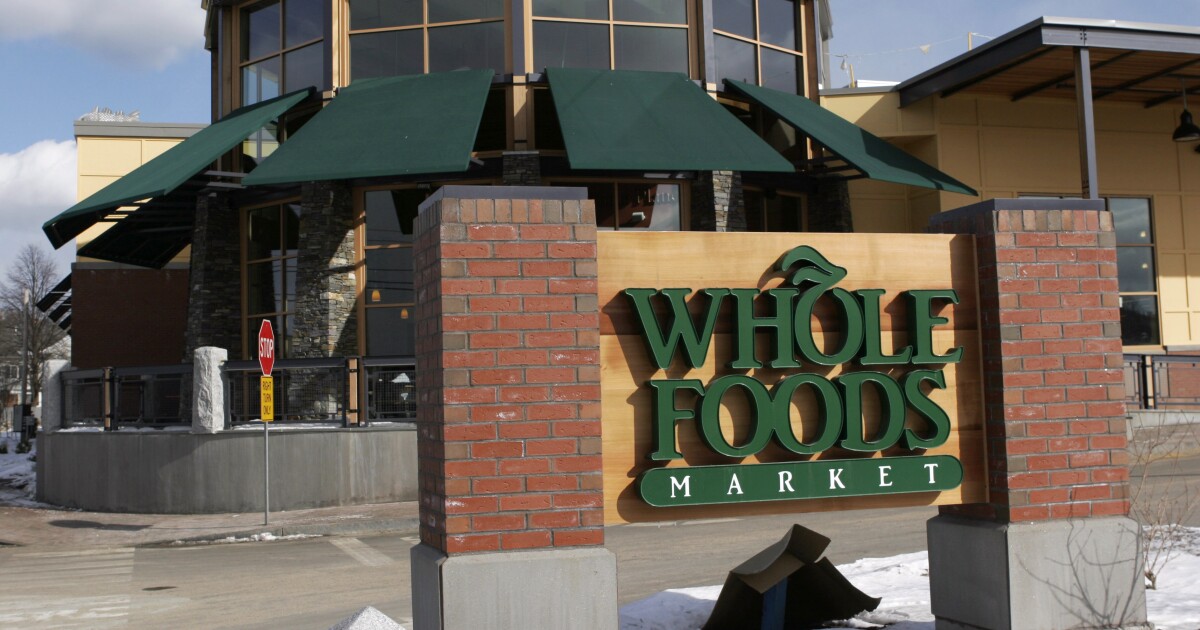
For Chesterfield residents, the arrival of Whole Foods could change everyday routines. A county that already has major grocery players, local markets, and traditional supermarkets would add a brand known for organic produce, prepared foods, specialty items, premium grocery selections, and a strong natural-foods identity.
That does not mean every shopper will suddenly shift their weekly grocery habits. Whole Foods has long carried a reputation for higher-end pricing, even as Amazon’s ownership has brought new promotions and Prime-linked discounts over the years. Still, for customers who already shop the brand in Richmond or Henrico, a Chesterfield store could save time and keep spending local.
The human angle is simple: convenience. Parents rushing between school pickup and dinner, workers commuting along Midlothian Turnpike, retirees looking for nearby prepared meals, and young professionals living around the corridor may all find the store useful. In a county where growth has stretched daily errands across busier roads, proximity can feel like a real quality-of-life upgrade.
A Bigger Retail Lineup Is Taking Shape
Whole Foods may be the anchor, but Midlothian Depot is being designed as more than a grocery destination. Reported tenants include J.Crew, Lovesac, Petfolk, VIO Med Spa, Gloss Nails, Dave’s Hot Chicken, Paris Baguette, and Blue Fish Grill, creating a mix of national names and lifestyle-focused businesses.
That tenant mix gives the project a different feel from a traditional grocery-anchored strip center. Instead of relying only on supermarket traffic, the development appears positioned to attract customers throughout the day. Morning bakery visits, lunchtime restaurant stops, evening grocery trips, weekend furniture browsing, veterinary appointments, med spa visits, and retail shopping could all feed into the same destination.
For local businesses nearby, that could bring both opportunity and pressure. More traffic may lift the entire area, especially for restaurants and service businesses that benefit from increased visibility. At the same time, a polished new development with national tenants can intensify competition for parking, customers, and employee recruitment.
Midlothian Turnpike Continues Its Commercial Evolution
Midlothian Turnpike has long been one of Chesterfield County’s most important commercial corridors. It connects dense shopping areas, residential neighborhoods, office users, and commuter routes, making it a natural target for developers looking to build projects with regional pull.
The Whole Foods plan fits into a broader pattern of investment in suburban retail hubs that offer more than basic errands. Developers are increasingly trying to create places where shoppers can spend more time, rather than simply park, buy, and leave.
Midlothian Depot’s planned combination of grocery, retail, restaurants, services, and townhomes reflects that shift. It gives the area a more layered identity, one that blends suburban convenience with walkable design elements and a stronger focus on lifestyle.
The Townhome Component Adds Another Layer
The development is also expected to include 60 townhomes, giving Midlothian Depot a residential component alongside its retail space. That detail is important because it shows the project is not being built only for drive-in shoppers.
Residents living within or near the development would have direct access to grocery shopping, dining, wellness services, and retail without needing to make every errand a separate car trip. In a suburban county where walkability can be limited by road design and distance, that kind of built-in convenience can be a selling point.
The townhomes also reflect the continued demand for housing in Chesterfield, especially in areas with strong access to shopping, schools, employment routes, and established community infrastructure. As more people move into the area, projects like Midlothian Depot are designed to meet both housing and lifestyle demand at once.
What Still Remains Unclear
The biggest unanswered question is the exact opening date. While the Whole Foods buildout is reportedly moving forward, no official public launch date has been confirmed. That means shoppers should treat any fall opening expectation as a projected timeline rather than a guaranteed date.
It also remains possible that tenant schedules will vary. In mixed-use developments, some businesses may open earlier than others depending on construction progress, inspections, staffing, permits, interior work, supply chains, and corporate launch plans.
For now, the safest takeaway is that Whole Foods is moving closer to reality in Chesterfield, but the final countdown has not officially begun.
Why This Opening Could Matter Beyond Groceries
A first Whole Foods in Chesterfield would carry symbolic weight for the county’s retail market. Grocery anchors often shape how a development is perceived, and Whole Foods brings a brand identity that can attract other premium or lifestyle tenants.
That could strengthen Chesterfield’s position as a retail destination within the greater Richmond region. It may also reduce the need for some local shoppers to leave the county for certain specialty grocery trips, keeping more spending within the local economy.
The development could also influence nearby property values, restaurant demand, and traffic patterns. A high-profile grocery anchor can make a corridor feel more desirable, but it can also raise congestion concerns if road access and parking are not well managed.
A New Retail Chapter for Chesterfield
The planned Whole Foods at Midlothian Depot is not just another store announcement. It represents a larger shift in how Chesterfield is growing, shopping, and competing for regional attention.
For locals, the opening promises convenience. For developers, it signals confidence in the Midlothian market. For nearby businesses, it brings a new wave of customer traffic and competition. For the county, it adds another marker of suburban growth moving toward denser, more lifestyle-oriented development.
Until the doors officially open, the project remains one to watch. But one thing is already clear: Chesterfield’s grocery and retail scene is preparing for a major new player, and Midlothian Depot is likely to become one of the area’s most closely watched shopping destinations.


