

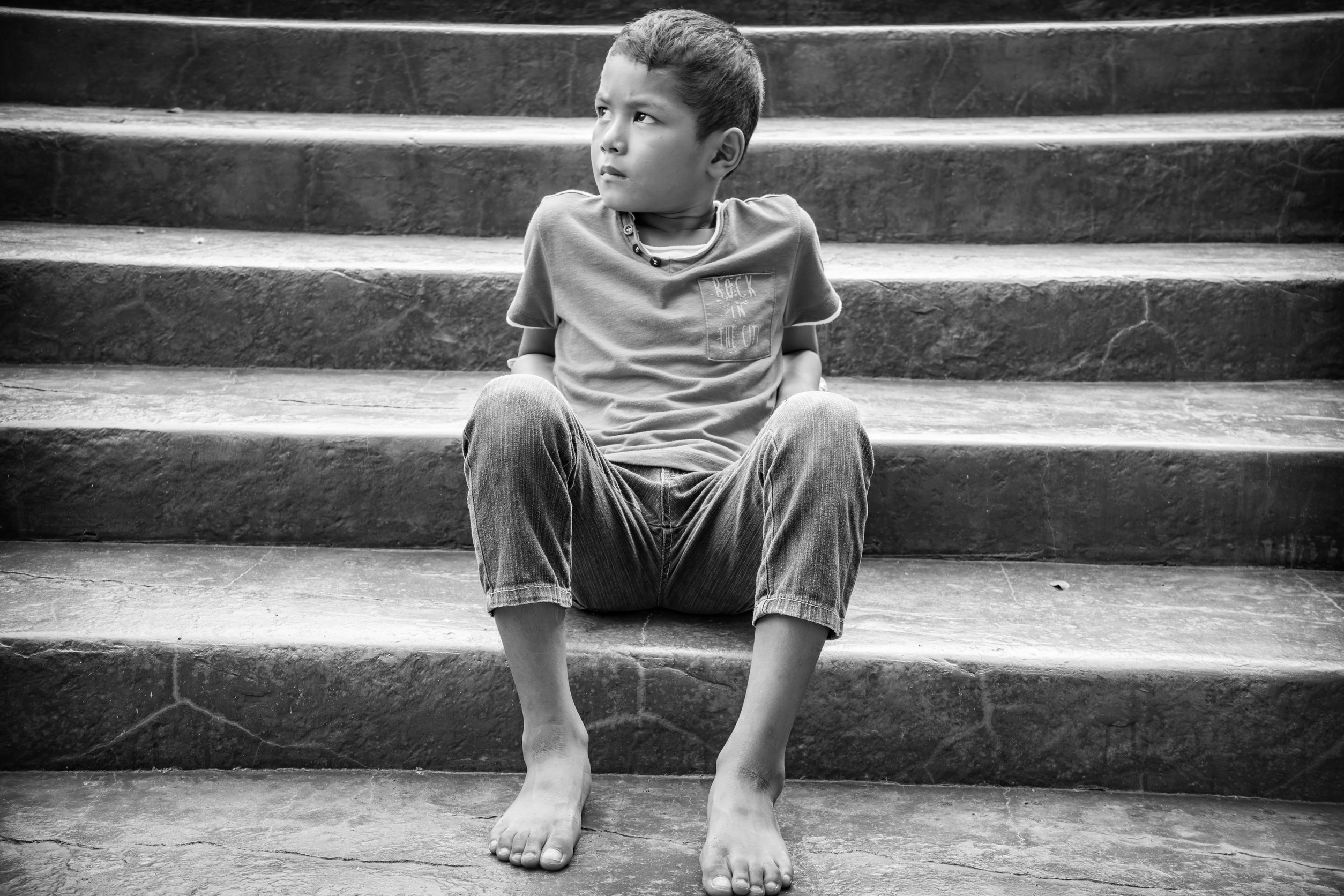
Growing up with very little money can leave lasting marks that influence habits, mindset, and daily choices well into adulthood. Experiences of scarcity create hidden patterns that affect lifestyle, spending habits, relationships, and emotional well-being in ways many adults do not even realize.
Let’s explore eight horrific ways childhood poverty silently shapes adult behavior and continues to impact life without most people noticing.
Extreme Frugality In Everyday Life

Adults who grew up with limited money often develop habits of extreme frugality that persist even when they are financially stable. They may avoid spending on meals out, travel, hobbies, or social activities, prioritizing saving over enjoyment. Even minor purchases can trigger guilt or anxiety, making their daily lives feel restricted and stressful.
Fear Of Financial Risk
Those who experienced poverty in childhood often develop an intense fear of financial uncertainty that influences adult decision-making. Investing, changing careers, or starting a new venture can feel intimidating or dangerous. The belief that security must always come first can prevent growth, new experiences, or opportunities for improvement.
Compulsive Saving And Hoarding
Adults shaped by scarcity frequently accumulate money or items compulsively out of fear of future shortages. Savings accounts may be overfilled while coupons and deals are collected obsessively. Physical objects, clothing, or household items are often kept long after they are no longer useful, out of a fear of needing them later.
Overworking And Avoiding Leisure

Adults who experienced poverty often feel a persistent need to work harder to guarantee stability. Leisure, vacations, or hobbies may be minimized or avoided entirely because they feel indulgent. This relentless focus on work over enjoyment can lead to long-term stress, exhaustion, and reduced quality of life.
Difficulty Asking For Help

Childhood scarcity often teaches people to rely exclusively on themselves, leaving adults uncomfortable with seeking assistance. Asking for support can feel like weakness, failure, or loss of independence. This behavior creates unnecessary stress and prevents adults from accessing resources, guidance, or opportunities that could improve their lives.
Guilt Around Spending On Others
Adults raised with limited resources frequently feel uneasy about spending money on gifts, celebrations, or acts of generosity. Giving can provoke anxiety or guilt, even when finances are sufficient. This behavior interferes with social relationships and diminishes the joy of shared experiences.
Anxiety Over Appearance And Possessions

Adults shaped by childhood poverty may be excessively concerned with how others perceive their wealth or possessions. Clothing, housing, and personal items may be chosen primarily to avoid judgment rather than to reflect personal taste or style. This persistent worry increases stress and limits authentic self-expression.
Reluctance To Embrace Change
Adults who grew up with little money often associate change with instability or risk. Moving, changing jobs, or even trying new hobbies may feel overwhelming or unsafe. This reluctance prevents personal growth and keeps adults tethered to routines or lifestyles that no longer serve them.
Final Thoughts
Childhood poverty leaves an enduring imprint that extends far beyond financial circumstances, shaping mindset, habits, and lifestyle choices in ways many adults do not realize. From extreme frugality to anxiety about change and reluctance to spend on others, these eight horrific patterns influence how adults live, relate, and make decisions every day. Awareness of these tendencies is the first step toward breaking cycles and reclaiming freedom to make choices based on desire and personal fulfillment rather than fear.


