Middle age often arrives quietly, bringing subtle shifts in energy, metabolism, and resilience. Many people assume their past habits will carry them through, only to discover their bodies no longer forgive neglect. The problem is not extreme lifestyles; it is the small, repeated health mistakes that accumulate and slowly undermine strength, energy, and vitality.
Ignoring these patterns is easy, especially with busy careers, family responsibilities, and social commitments. Yet what may feel like harmless shortcuts, skipping workouts, skipping screenings, or relying on convenience foods, can set the stage for serious health complications in the decades ahead.
Understanding the most common mistakes is essential for anyone wanting to age with energy and confidence.
Skipping Regular Health Screenings

Many middle-aged adults assume they will notice symptoms if something is wrong, delaying preventive tests. Blood pressure, cholesterol, colonoscopies, mammograms, and bone density scans often get postponed. Early detection is crucial because many serious conditions develop silently for years before obvious signs appear.
Ignoring Changes in Diet
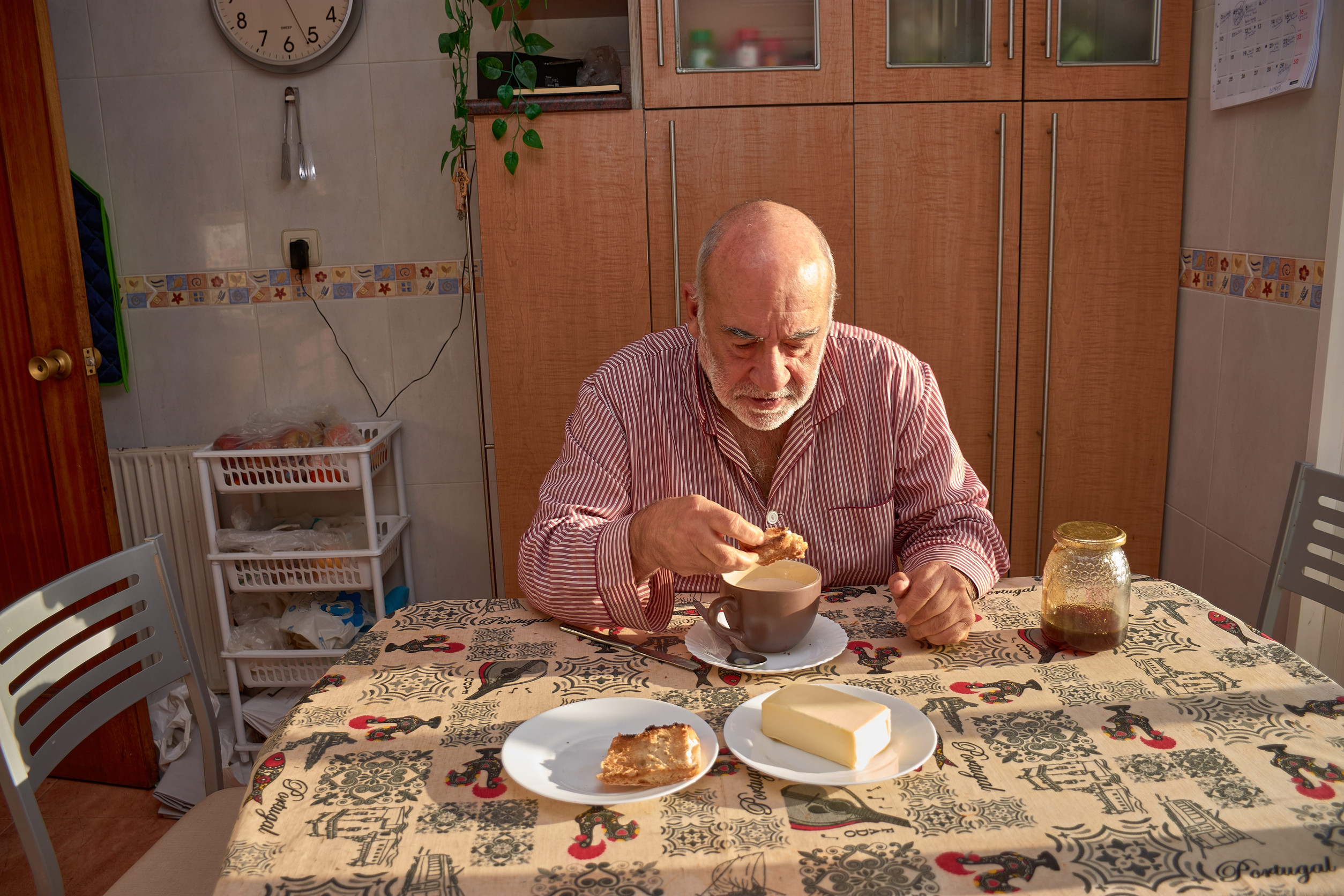
What worked in your twenties rarely sustains health in your forties or fifties. Many continue eating the same portions of processed foods, sugar-laden snacks, and fried meals without adjusting for a slowing metabolism. Nutrient deficiencies often creep in unnoticed, weakening bones, immunity, and energy levels.
Overlooking Exercise and Strength Training

Middle age often brings busy schedules and lingering aches, making it feel acceptable to skip workouts. Cardio may be prioritized for weight management, while strength training is ignored. Muscles naturally decline with age, and without resistance work, people lose bone density, stability, and metabolic efficiency.
Relying on Sleep-Shortcuts
Sleep often suffers under the pressure of work, family, and social demands, yet middle-aged adults underestimate its importance. Skipping hours or relying on stimulants like coffee or energy drinks to compensate disrupts hormones, cognition, and cardiovascular health. Chronic sleep deprivation is linked to increased risks of obesity, diabetes, and heart disease.
Ignoring Stress Management
Stress is often treated as an unavoidable fact of life rather than a health risk. In middle age, unaddressed stress contributes to high blood pressure, hormonal imbalance, and poor mental health. Many rely on alcohol, food, or screen time as coping mechanisms, unintentionally creating additional health problems.
Neglecting Hydration and Water Intake

It is common for middle-aged adults to underestimate the importance of hydration. Relying on caffeinated beverages or forgetting to drink water can lead to subtle dehydration that impacts kidney function, digestion, joint health, and skin quality. Chronic low-level dehydration increases fatigue and makes exercise feel harder.
Dismissing Mental Health and Cognitive Maintenance
Middle age brings cognitive challenges and emotional stress that can be ignored until problems appear. Many assume memory lapses or mood fluctuations are inevitable rather than preventable or manageable. Without attention, untreated depression, anxiety, or cognitive decline can worsen and impact daily functioning.
Final Thoughts
Middle age is not an excuse to ignore health; it is a crucial period for establishing habits that shape the next decades of life. The most serious mistakes often seem minor or convenient but accumulate silently, threatening energy, independence, and longevity. Preventive screenings, proper diet, exercise, sleep, stress management, hydration, and mental care are not optional; they are essential.
By identifying and correcting these common missteps, middle-aged adults can regain control over their health and prevent the slow slide into chronic illness. The goal is not perfection but consistent, realistic choices that protect body and mind. These seven mistakes are avoidable, and awareness is the first step toward aging with strength and vitality.
Read the original Crafting Your Home.