

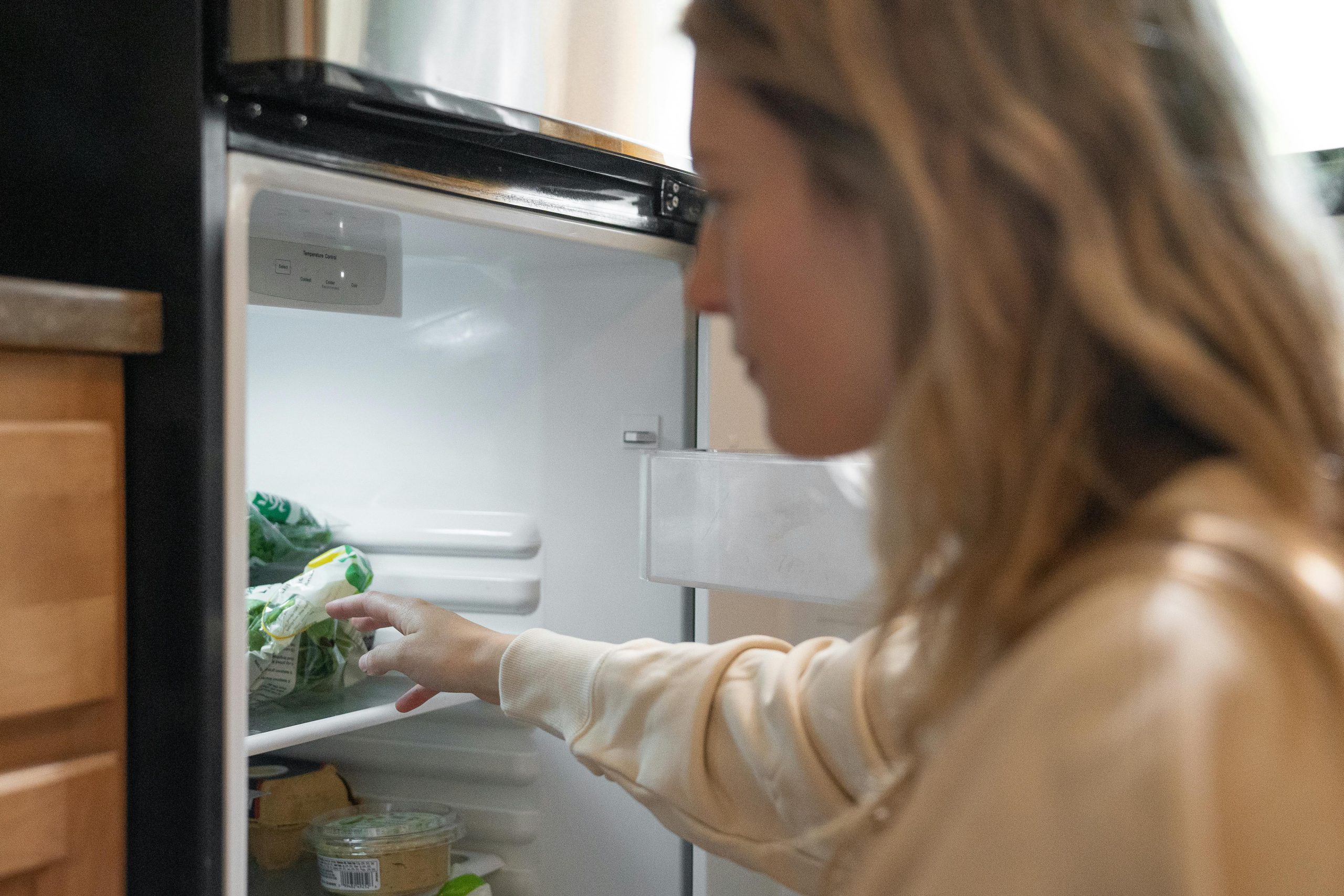
There’s something undeniably tempting about grabbing a slice of pizza, leftover pasta, or a bowl of salad straight from the fridge. It’s quick, convenient, and instantly satisfying. But that icy bite may come with consequences most of us rarely consider. Eating food straight from the refrigerator may seem harmless, yet it can subtly challenge digestion, weaken immunity, and even irritate delicate tissues over time.
Doctors and nutrition experts caution that cold foods, while safe from spoilage when stored correctly, can interact with the body in ways that sometimes cause discomfort or health risks. From digestive disturbances to heightened sensitivity in teeth and throats, the chill factor can be more than just a sensory shock.
Here are seven disturbing health risks associated with eating cold food directly from the fridge.
Tooth Sensitivity

Cold foods can trigger intense discomfort in people with sensitive teeth or exposed dentin. When food temperature dips sharply, dental nerves react quickly, sending sharp pain signals. Over time, frequent exposure can exacerbate sensitivity and make eating enjoyable foods stressful rather than pleasurable.
Potential Metabolic Stress
Cold foods require the body to expend a small but measurable amount of energy to warm them to body temperature. While this effect is minor in healthy adults, consistently consuming extremely cold foods may contribute to metabolic stress in vulnerable populations, such as the elderly or those with digestive disorders. Over time, repeated exposure can leave the body temporarily working harder than necessary after meals.
Sore Throat and Irritation

Directly consuming very cold foods may irritate the throat and exacerbate conditions like tonsillitis, pharyngitis, or general throat inflammation. The sharp chill can temporarily reduce blood flow in throat tissues, making them more susceptible to discomfort or soreness. Individuals with pre-existing respiratory conditions may notice coughing or throat tightness after eating icy meals.
Increased Risk of Foodborne Illness
While refrigeration slows bacterial growth, some foods may harbor low-level pathogens that survive cold storage. Eating certain leftovers or undercooked refrigerated meats without reheating can expose you to bacteria like Listeria or Salmonella. These pathogens thrive at refrigerator temperatures just enough to remain viable, and cold consumption doesn’t eliminate the risk.
Digestive Microbiome Impact

Emerging research suggests that the gut microbiome thrives in a relatively stable environment. While cold foods themselves are not harmful bacteria-wise if stored properly, extreme temperature changes may temporarily disrupt microbial activity. The sudden introduction of cold food can impair the activity of beneficial digestive bacteria, potentially affecting nutrient absorption and gut comfort.
Digestive Slowdown
Your stomach prefers warmth to break down food efficiently. Cold food can temporarily slow down digestive enzymes, making it harder for your body to process nutrients. This can lead to bloating, gas, and even mild cramping. The contrast between body temperature and icy meals requires the digestive system to work harder, which may leave some people feeling lethargic or uncomfortable after eating.
Stomach Cramping and Gas

Eating cold food on an empty stomach can shock the digestive tract, particularly in sensitive individuals. The stomach muscles may contract in response to the cold, causing cramping, bloating, or gas. This phenomenon is more pronounced with cold meals from storage, such as pasta salads or chilled rice dishes.
Final Thoughts
Eating directly from the refrigerator is undeniably convenient, but understanding the potential health risks is crucial. Cold foods can slow digestion, aggravate teeth and throats, disturb gut microbes, and even increase exposure to bacteria if not properly handled. While these risks don’t make cold meals inherently dangerous, frequent consumption without warming may amplify discomfort and minor health challenges.
The key is balance. Allowing food to reach a moderate temperature, using reheating when appropriate, and combining chilled items with room-temperature foods can maintain safety and comfort. By taking simple precautions, we can enjoy the convenience of cold meals while minimizing the hidden disturbances that icy bites can trigger in the body.
Read the original Crafting Your Home.


