


Walk into any grocery store and you’ll find yourself surrounded by products designed to make life easier. The fruit is already sliced. The snacks are already portioned.
The rice is already cooked. The salad is already assembled. Convenience is everywhere, and retailers know exactly how much consumers are willing to pay for it.
The problem is that convenience often comes with a surprisingly high price tag. Many of the most popular grocery store purchases aren’t expensive because of what’s inside the package, they’re expensive because of the packaging itself, the preparation, and the marketing behind it.
A few dollars here and there may not seem like much during a weekly shopping trip. But repeated over months and years, these seemingly harmless purchases can quietly drain hundreds or even thousands of dollars from your household budget.
If you’re looking for easy ways to reduce grocery spending without giving up quality, these are eight items worth reconsidering the next time you head to the store.
Pre-Cut Fruit

Few grocery store items illustrate the cost of convenience better than pre-cut fruit.
A container of cubed watermelon, sliced pineapple, or chopped mango often carries a price tag that is two or three times higher than the whole fruit sitting just a few feet away. Yet the fruit itself is exactly the same.
What you’re really paying for is the labor involved in cutting it, the plastic container it comes in, the refrigeration required to keep it fresh, and the higher spoilage risk associated with already-cut produce.
There’s another downside many shoppers overlook: pre-cut fruit generally has a shorter shelf life. Once fruit has been cut, it begins losing freshness more quickly, which increases the likelihood that part of it will end up in the trash.
Buying whole fruit requires only a few extra minutes of effort at home, but the savings can be substantial over the course of a year.
A knife, a cutting board, and five minutes of your time can easily outperform the convenience premium attached to those neatly packaged containers.
Bottled Water
Bottled water has become one of the most successful products ever sold to consumers, and one of the most expensive when measured against its actual production cost.
Many people reach for bottled water because it feels cleaner, healthier, or more convenient. Yet in many communities, tap water already meets strict safety standards and undergoes extensive testing.
The reality is that most of the price of bottled water has nothing to do with the water itself. Consumers are paying for the bottle, transportation, storage, branding, advertising, and retail markup.
What makes this particularly striking is the long-term cost. A household that regularly purchases bottled water can spend hundreds of dollars annually on something that could be obtained for a fraction of the price through a reusable bottle and a quality water filtration system.
Not only is the alternative cheaper, but it also reduces plastic waste and the need for constant repurchasing. It’s one of the simplest grocery budget upgrades available.
Single-Serve Snack Packs

Single-serve snack packs are a perfect example of how convenience can disguise poor value.
Whether it’s chips, crackers, pretzels, nuts, or cookies, individually packaged snacks almost always cost significantly more per ounce than larger versions of the same product.
Manufacturers know that consumers are attracted to portion-controlled packaging. It feels organized, practical, and easy to toss into a lunchbox or bag. But that convenience comes at a premium.
In many cases, the food itself accounts for only a small portion of the price. The rest goes toward additional packaging, marketing, and processing.
A far more economical approach is to buy larger packages and divide portions into reusable containers or storage bags at home. The process takes only a few minutes and delivers exactly the same convenience at a fraction of the cost.
Small savings on snacks may seem insignificant, but for families who purchase them weekly, the difference becomes surprisingly noticeable over time.
Salad Kits
Salad kits have exploded in popularity because they eliminate preparation. Open the bag, toss the ingredients together, and dinner is ready.
Unfortunately, that convenience often comes with a hefty markup. Most salad kits contain relatively inexpensive ingredients: lettuce, dressing, shredded cheese, croutons, nuts, or dried fruit.
Purchased separately, those ingredients can often create multiple salads for roughly the same cost as a single kit.
Another issue is waste. Salad kits tend to have short shelf lives, and if they aren’t eaten quickly, they can spoil before they’re used.
Buying the ingredients separately offers greater flexibility. You can build salads exactly how you like them, use ingredients across multiple meals, and avoid paying premium prices for basic assembly work.
The result is usually fresher, more customizable, and significantly cheaper.
Microwave Rice Cups
Rice is one of the most affordable foods available. That’s why microwave rice cups are such an interesting grocery store phenomenon.
The rice inside these containers isn’t dramatically different from standard rice. The primary difference is convenience. It’s already cooked, portioned, and packaged for microwave use.
That convenience, however, comes at a surprisingly steep cost. When compared serving for serving, microwave rice cups often cost several times more than traditional rice.
Cooking rice at home is remarkably simple. A large batch can be prepared in advance, stored in containers, and reheated throughout the week in just minutes.
Many meal-prep enthusiasts rely on this method because it delivers the same speed and convenience without the inflated price. It’s a small adjustment that can lead to meaningful savings, especially for households that regularly consume rice.
Pre-Marinated Meat
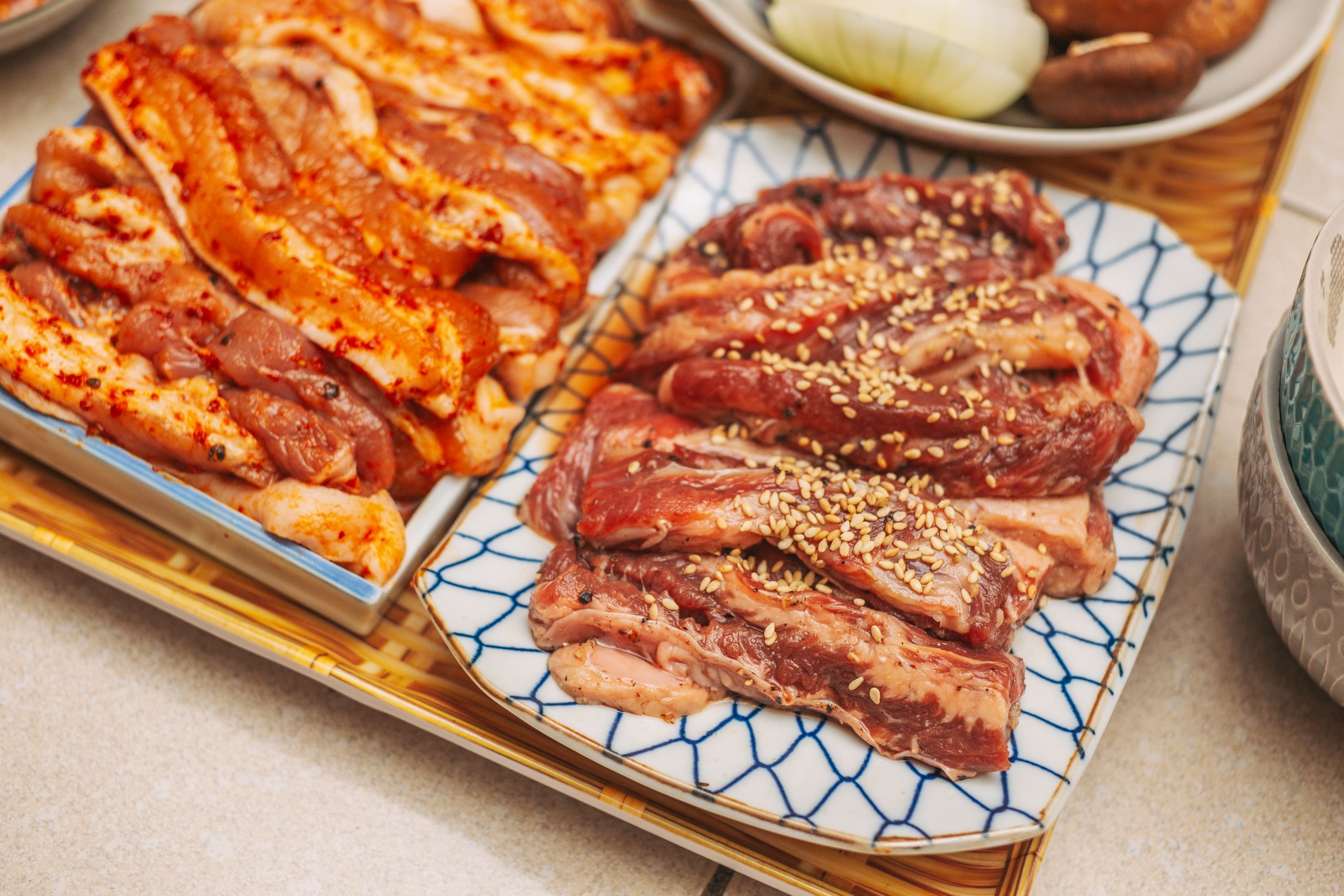
Pre-marinated meat often looks appealing in the grocery store display case. The seasonings are already applied, the flavors sound enticing, and the preparation appears effortless.
But convenience comes at a cost. The marinades used on these products are generally made from inexpensive ingredients such as oil, vinegar, herbs, garlic, spices, and citrus juice. These ingredients cost very little when purchased separately.
Yet once they are added to meat at the grocery store, the final product frequently commands a significantly higher price per pound.
There is also the question of quality. Some shoppers prefer to select their own cuts of meat and season them according to their tastes rather than relying on a pre-made blend.
Making a marinade at home takes only a few minutes and allows complete control over flavor, ingredients, and sodium levels. More importantly, it eliminates the premium charged for a task that requires minimal effort.
Shredded Cheese
Shredded cheese is one of those products that feels harmless until you compare it directly with block cheese. The convenience is obvious. Open the bag and it’s ready to use. No grater required.
But that convenience comes at a noticeable markup. Pound for pound, shredded cheese typically costs more than buying the same variety in block form.
In addition, manufacturers often coat shredded cheese with anti-caking agents to prevent the strands from sticking together. While perfectly safe, these additives can affect texture and melting performance.
Block cheese generally melts more smoothly and often provides better value. For anyone who cooks regularly, spending an extra minute shredding cheese at home can translate into meaningful savings over time without sacrificing quality.
Bottled Smoothies

Bottled smoothies have earned a reputation as a healthy grab-and-go option, but they are often far more expensive than many shoppers realize.
A single bottle can cost several dollars, despite containing ingredients that are relatively inexpensive when purchased separately.
Some versions also include added sugars, concentrates, preservatives, and flavor enhancers that diminish the health halo surrounding the product.
Making smoothies at home is surprisingly simple. Frozen fruit, yogurt, milk, and a blender are often all that’s required. The total cost per serving is usually much lower, and the ingredients can be adjusted to match personal preferences and nutritional goals.
In many cases, the cost of one store-bought smoothie is enough to make several servings at home. That’s a difficult value proposition for any bottled version to compete with.
Conclusion
Most grocery overspending doesn’t come from extravagant purchases. It comes from everyday habits that feel harmless because the extra cost is hidden behind convenience.
Pre-cut fruit, bottled water, snack packs, salad kits, rice cups, pre-marinated meats, shredded cheese, and bottled smoothies all follow the same formula: take an inexpensive product, add packaging and minor preparation, and charge significantly more for it.
The good news is that avoiding these markups doesn’t require advanced cooking skills, endless meal prep, or major lifestyle changes. In most cases, the alternative involves just a few extra minutes of effort.
Those minutes may not seem important in the moment, but the savings they generate can be surprisingly powerful.
Smart grocery shopping isn’t about deprivation, it’s about recognizing when you’re paying for food and when you’re paying for convenience disguised as necessity.


