


Some diseases look like pure biological bad luck until scientists zoom out and notice a strange pattern. A mutation that causes serious illness in one person may give another person a survival edge, especially when only one copy of the gene is inherited.
That does not make these conditions “good.” Many are painful, dangerous, lifelong, or deadly. The surprise is that human genetics often works like a harsh trade, where the same biological flaw can also reveal a hidden defense system.
Sickle Cell Trait Can Help Protect Against Malaria
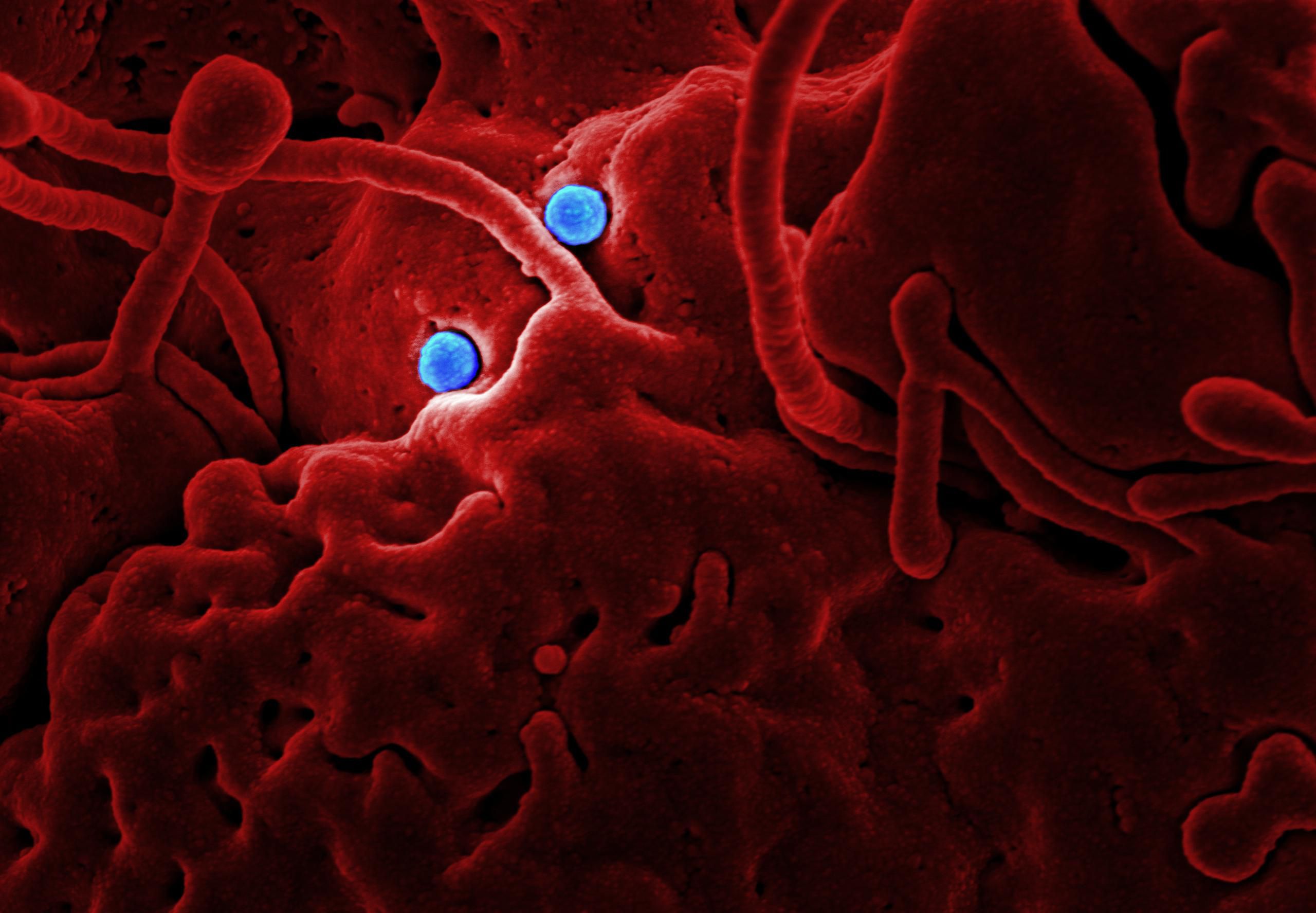
Sickle cell disease is a serious inherited blood disorder that can cause severe pain crises, organ damage, anemia, and lifelong health complications. Yet people who carry only one sickle cell gene, known as sickle cell trait, have long been known to receive partial protection against severe malaria. Research on the sickle trait shows that this protection may involve stronger immune responses against malaria parasites, especially in regions where malaria has historically killed large numbers of children.
The evidence is one of the clearest examples of heterozygote advantage, where carrying one copy of a harmful gene can help survival under certain environmental pressures. The painful irony is that inheriting two copies can cause sickle cell disease, which brings serious health risks instead of a simple advantage. This is why the condition remains one of the strongest examples of nature’s brutal genetic tradeoffs.
Cystic Fibrosis Carriers May Have Had Protection Against Deadly Infections
Cystic fibrosis is a severe genetic disorder that affects the lungs, pancreas, and digestive system. It causes thick, sticky mucus to build up in the lungs, digestive tract, and other organs, often leading to recurrent infections and breathing problems. The surprising benefit is mainly linked to carriers, not to people with full cystic fibrosis. Studies have suggested that changes in the CFTR gene may reduce susceptibility to infections such as typhoid fever, and researchers have also explored whether tuberculosis contributed to maintaining CF carrier rates in European populations.
The strongest lesson here is not that cystic fibrosis is protective. It is that one altered copy of the gene may have offered survival value in older environments full of deadly infectious diseases. Researchers still debate which infection created the strongest evolutionary pressure, but the CFTR story remains one of the most fascinating examples of disease genes surviving because they may once have helped carriers live longer.
Persistent Fetal Hemoglobin Can Soften Severe Blood Disorders
Fetal hemoglobin is the type of hemoglobin babies use before birth, and most people switch mainly to adult hemoglobin after infancy. In hereditary persistence of fetal hemoglobin, the body continues to produce higher levels of fetal hemoglobin into adulthood. That can be surprisingly helpful for people with sickle cell disease or beta thalassemia, because fetal hemoglobin can reduce sickling and ease disease severity.
For those with sickle cell disease, it acts as a natural medicine, physically preventing the sickle hemoglobin from forming the dangerous, rigid chains that damage blood cells and cause pain.
This finding has changed modern research on blood diseases. Scientists are now studying ways to reactivate fetal hemoglobin as a treatment strategy, because the body already has a built-in alternative that can partially bypass the dysfunctional adult hemoglobin system. It is rare for a leftover feature from early development to become a biological rescue tool later in life.
Myostatin Related Muscle Hypertrophy Can Create Unusually High Muscle Mass

Myostatin-related muscle hypertrophy is rare, but it sounds almost fictional. People with this genetic condition have reduced body fat, increased muscle mass, and, in some cases, up to twice the usual amount of muscle. MedlinePlus Genetics notes that affected people often have increased strength and that the condition is not known to cause medical problems.
The evidence matters because myostatin acts like a brake on muscle growth. When the MSTN gene reduces that braking system, the body can build unusually large muscles without the usual training demands. Scientists study this pathway because blocking myostatin could one day help people with muscle-wasting diseases, although artificially mimicking its effects is much more complicated than simply “turning on” muscle growth.
Congenital Insensitivity to Pain Has Helped Scientists Understand Pain Itself
Congenital insensitivity to pain can sound like a superpower, but it is usually dangerous. People with this rare condition may not feel injuries, burns, fractures, or infections, which means serious damage can go unnoticed. MedlinePlus Genetics links one form of the condition to SCN9A gene variants that disrupt NaV1.7 sodium channels, blocking normal pain signaling from injury sites to the brain.
The unexpected benefit is scientific. By studying people who cannot feel pain, researchers have identified pain-signaling pathways that can be targeted by new medicines. The FDA approved suzetrigine in January 2025 as a first in class non opioid treatment for moderate to severe acute pain in adults, and it works through sodium channel-related pain signaling in the peripheral nervous system.
Some Types of Color Blindness May Help Spot Camouflage
Color blindness can make everyday life harder, from reading color-coded charts to spotting ripe fruit or traffic signals in difficult lighting. Yet research has found that some people with red-green color vision deficiency can detect certain camouflaged patterns that people with typical color vision may miss. A classic study reported that dichromats could detect color-camouflaged objects that trichromats could not under specific testing conditions.
The advantage is narrow, not universal. Later studies show that color vision deficiency is not always better for camouflage detection. Still, the evidence suggests that seeing less color can sometimes make texture, brightness, or pattern differences stand out more clearly, which may explain why this trait has remained relatively common.
ApoA I Milano Shows That Low “Good Cholesterol” Is Not Always Simple

Low HDL cholesterol is usually treated as a warning sign because HDL helps move cholesterol away from arteries. ApoA I Milano turns that logic on its head. Carriers of this rare APOA1 mutation can have very low HDL levels, yet studies found they did not show the expected structural evidence of vascular disease, which challenged the simple idea that higher HDL always means better heart protection.
The benefit here is not a free pass against heart disease. It suggests that HDL function may matter more than HDL quantity. Researchers have used ApoA-I Milano to better understand cholesterol transport and plaque biology, although attempts to turn the mutation into a treatment have been difficult and have not yielded a simple breakthrough therapy.
Phenylketonuria Carriers May Have Had a Reproductive Advantage
Phenylketonuria, or PKU, is a serious inherited disorder that prevents the body from properly processing the amino acid phenylalanine. Untreated PKU can cause severe neurological damage, which is why newborn screening and strict dietary management are so important. The surprising advantage appears mainly in carriers of just one type of mutation, with older research finding that mothers of children with PKU had lower miscarriage rates than matched controls in Ireland and western Scotland.
One hypothesis links this advantage to ochratoxin A, a fungal toxin found in some contaminated foods. A review of genetic diseases and infectious resistance describes the proposed association between PKU carrier status and reduced mycotic abortions, although this remains a more debated advantage than the sickle cell-malaria connection.
Gaucher Disease Variants May Help Fight Tuberculosis

Gaucher disease is a rare inherited condition caused by problems in the breakdown of certain fatty substances within cells. It can lead to enlarged organs, anemia, bone disease, and other serious complications. The surprise came when Cambridge researchers reported that biological mechanisms linked to Gaucher disease may help clear tuberculosis infection, with accumulated glucosylsphingosine acting like a microbe-killing compound against TB bacteria in experimental work.
This finding is especially interesting because it gives researchers a possible explanation for why Gaucher-related variants became more common in some populations. The advantage does not mean the disease is desirable, and the protection appears to depend on specific genetic and biological conditions. Still, it shows how a disease mechanism that harms the body in one setting can also serve as a weapon against one of history’s deadliest infections.
Conclusion
The strangest lesson from these nine conditions is that biology rarely works in clean categories. A gene can be harmful in one dose, protective in another, and devastating in a different environment. That is why many of these “benefits” apply to carriers, mild forms, or research clues rather than to people living with the full disease.
These conditions should never be romanticized. They cause real suffering, real medical risk, and real family burdens. But they also show why medicine keeps studying rare diseases closely, because hidden inside some of the body’s worst mistakes are clues that may lead to better treatments for everyone.


