

Flying should be a mix of excitement and efficiency, but your seat choice can drastically affect your experience. While some passengers prefer the back of the plane for easy boarding or the occasional empty seat next to them, travel experts caution that this spot comes with hidden drawbacks. From discomfort to delays, sitting in the rear may turn a routine flight into an ordeal, and these issues are often underestimated until you’re already buckled in.
Here are eight reasons why seasoned travelers and flight experts warn against claiming the back row.
It’s Often the Bumpiest Spot
Turbulence hits every plane differently, but the back tends to feel it the hardest. The tail is furthest from the plane’s center of gravity, which means even small shifts in airflow can translate into jolts that make it feel like the cabin is bouncing wildly. Passengers sitting here are more likely to spill drinks, struggle with motion sickness, or simply feel more anxious as every bump is amplified compared to mid-cabin seats.
Restroom Lines Can Be Longer
Back-of-the-plane seating often means closer proximity to lavatories, but that convenience comes with a catch. The busiest passengers in flight, those moving constantly or traveling with children, tend to gravitate to these rows. That means restroom lines can be relentless, especially on long-haul flights or during peak travel times.
You may spend more time waiting than you expected, turning a short bathroom break into a frustrating delay. Additionally, limited lavatory space results in longer wait times for multiple passengers.
The constant traffic can disrupt your attempts to rest or work quietly. Travel experts note that the front and mid-cabin rows often experience far less congestion, making them a smarter choice for uninterrupted comfort.
Cabin Noise Is Amplified
Airplanes are noisy, but noise levels are not evenly distributed. Engines are usually located toward the wings, yet the sound reverberates more in the tail, where structural vibrations and airflow amplify the sound.
Passengers in the back report higher levels of hum, clatter, and even occasional rattles, making it hard to relax, read, or concentrate on a laptop or book. If you are sensitive to noise or need to concentrate during the flight, the rear can be especially challenging.
The amplification can make sleep harder and even minor conversations with fellow passengers more intrusive. Experts recommend noise-canceling headphones or choosing seats closer to the middle for a calmer experience.
Food and Beverage Service Often Comes Last
Meal service on airplanes is served sequentially, typically starting at the front and working toward the back. While this may seem trivial, back-seat passengers often receive cooler meals, fewer fresh options, or even depleted menu choices when supplies run low.
Special requests can take longer to fulfill, and sometimes snacks or drinks are in short supply by the time the attendants reach the rear. This delay also extends to drink service.
Back-seat travelers may wait longer for beverages, which can be frustrating on long flights. On flights where meals are a highlight, being last in line can compromise both taste and convenience, leaving passengers feeling less cared for compared to those in front.
It Can Mean a Slower Exit
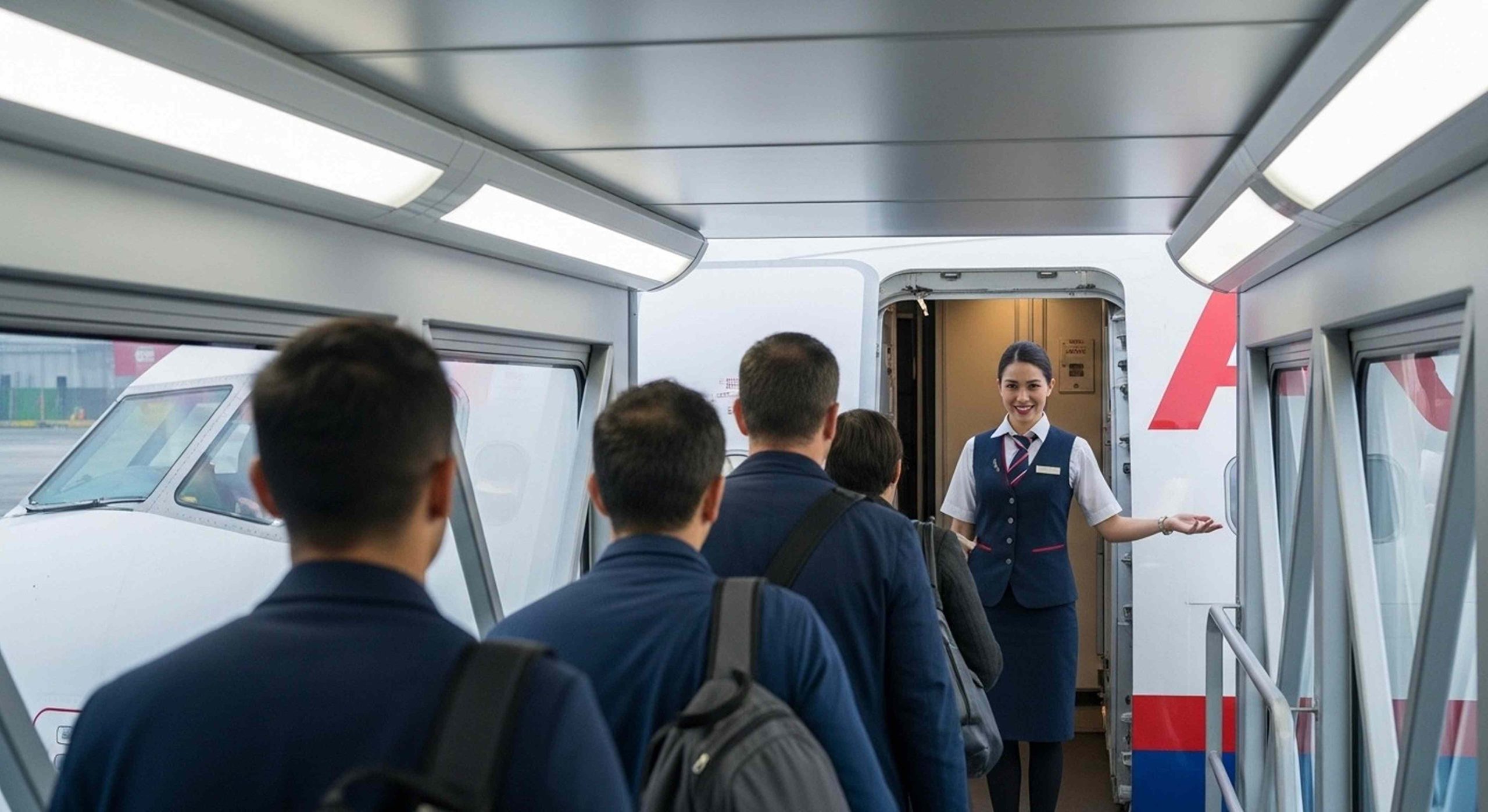
One of the common reasons travelers choose the back is for quicker deboarding, but in reality, this often doesn’t hold true. Aircraft doors are typically located at the front, so passengers in the rear must wait for the rows ahead to exit first. In full flights, this can add 10 to 20 minutes to your journey, which can be critical if you have a tight connection or urgent plans after landing.
Limited Recline and Legroom
Rear seats, especially those directly behind bulkheads or near lavatories, often have restricted recline and slightly awkward legroom. The last row can feel cramped because the seat cannot recline into the seat ahead, which limits your comfort on long trips. For taller passengers or anyone hoping to rest in a fully reclined position, this can quickly lead to a sore back and a stiff neck.
Proximity to Turbulent Zones
Besides amplifying turbulence, sitting in the back also places passengers closer to zones where airflow is less predictable. The rear of the plane experiences more vibration from control surfaces, tail flaps, and engine thrust adjustments. This can translate into sudden, unexpected jerks that disrupt sleep, reading, or work.
Less Attention From Flight Attendants
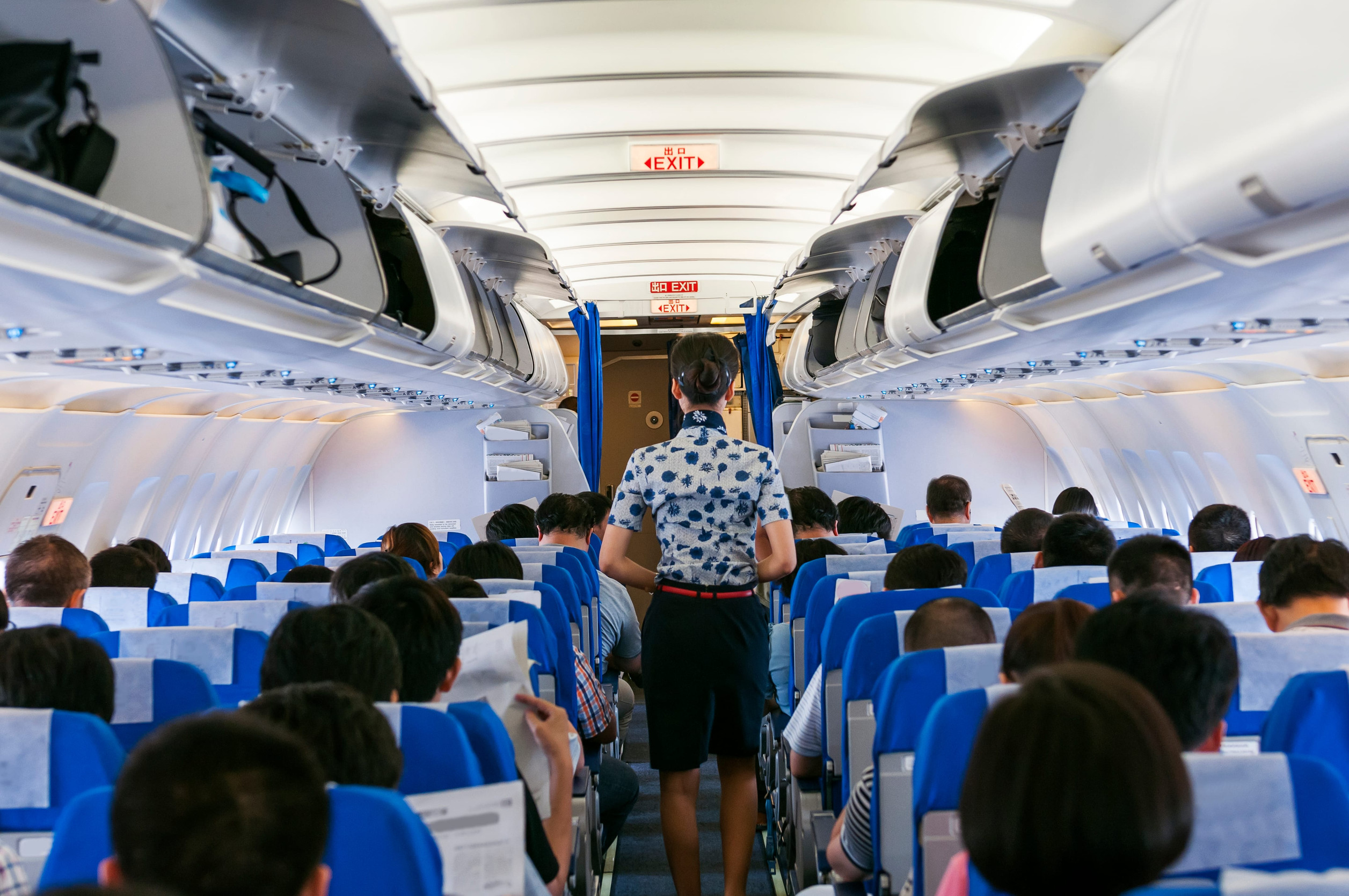
Flight attendants circulate the cabin in waves, usually focusing on the front and middle first. Passengers at the back may receive slower responses to requests, from extra blankets to special assistance. While this is not neglect, it does mean that minor needs may take longer to meet, which affects comfort and the perception of service.
Conclusion
Choosing a seat on a plane may seem trivial, but travel experts caution that the back row carries more hidden costs than many passengers realize. From amplified turbulence and noise to slower service, cramped seating, and longer lines, the rear of the plane presents a series of small yet cumulative disadvantages.
For anyone prioritizing comfort, calm, or efficiency, selecting a middle or forward seat can transform your flying experience. While every flight carries some unpredictability, informed seat choice helps ensure you arrive rested, ready, and far less rattled than if you were tucked in at the very back.
Read the original Crafting Your Home.


