


The 1970s were a whirlwind era of celebrity, where overnight fame became the norm, and the entertainment industry thrived on spectacle, excess, and relentless media attention. Musicians, actors, and television personalities catapulted to superstardom, capturing hearts and headlines across the nation.
Yet beneath the glittering surface, countless stars were grappling with addiction, financial pitfalls, personal demons, and the crushing pressure that came with instant recognition. For many, the very spotlight that fueled their careers also exposed vulnerabilities, accelerating their decline.
The careers of these figures reveal a recurring pattern: explosive fame often magnifies personal weaknesses, leaving talent, charm, or good looks insufficient to withstand the pressures of public life. Their stories serve as cautionary tales, illustrating how quickly success can unravel when the foundations of health, stability, and guidance are missing.
Tiny Tim
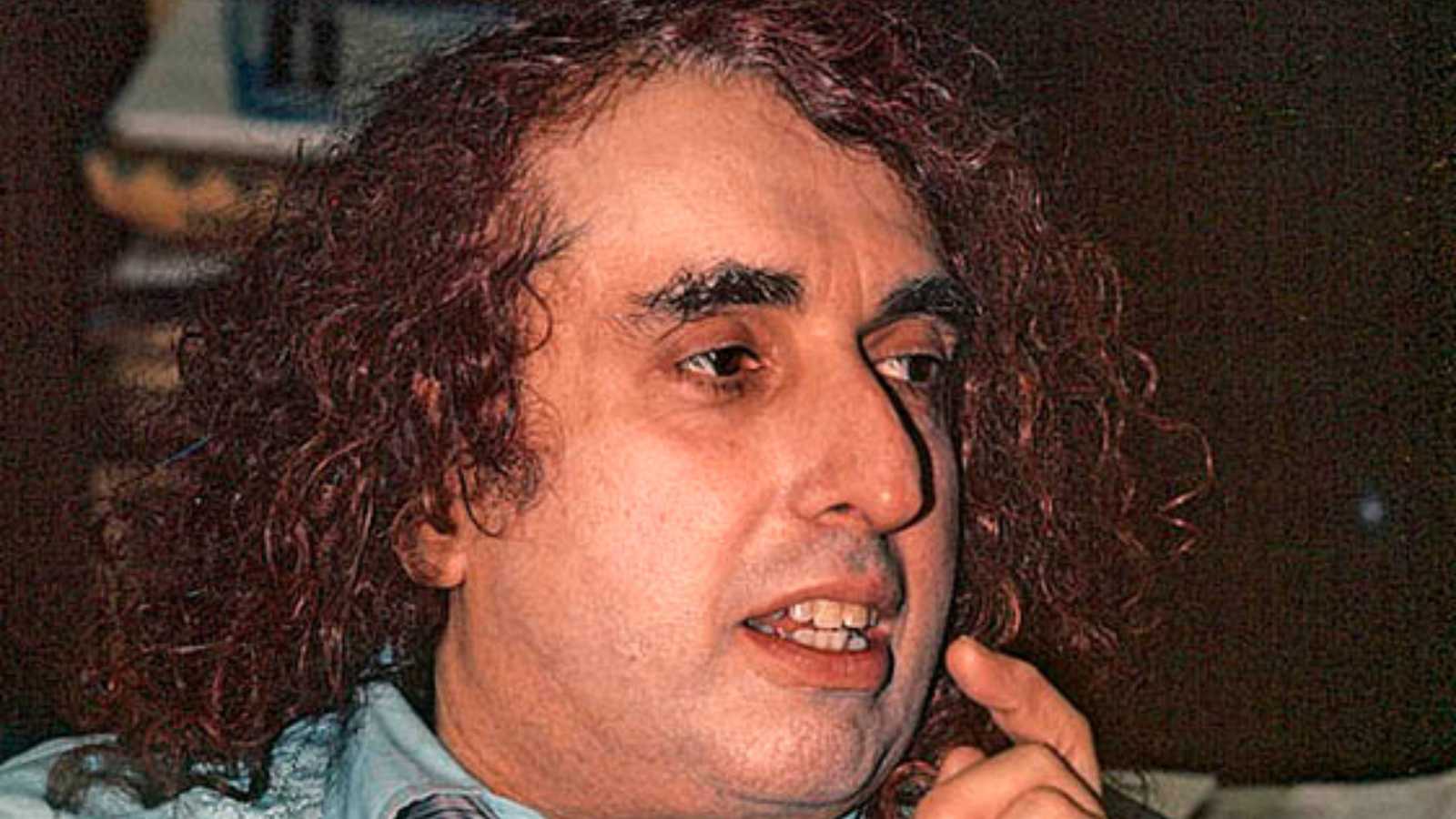
Tiny Tim’s falsetto and eccentric style made him an instant 1970s sensation.
Yet novelty stardom proved ephemeral; as trends shifted, his career became less stable, financial difficulties arose, and mainstream attention waned, despite a loyal fan base.
Anissa Jones
Anissa Jones’ charm on Family Affair made her beloved nationwide, but transitioning from child star to adolescence without guidance led to early substance issues and her untimely death at eighteen.
Her story is a stark reminder of the hidden dangers of fame for young performers.
Dennis Wilson
Dennis Wilson embodied California’s surf-rock dream, yet alcohol, drugs, and associations with notorious figures contributed to his downfall.
His drowning in 1983 at age thirty-nine marked the tragic end of a talented musician whose personal demons overtook his creative potential.
Jan-Michael Vincent

Jan-Michael Vincent’s striking blue eyes and athletic presence made him one of television’s highest-paid actors, starring in Airwolf at rates exceeding a million dollars per episode. Despite his on-screen charisma, alcohol addiction took a relentless toll, resulting in car accidents, legal issues, and health complications.
By the 2000s, Vincent had lost a leg to infection and faced near-poverty, highlighting the fragility of fame when personal struggles go unchecked.
Gary Glitter
Glam rock icon Gary Glitter achieved immense popularity with hits like Rock and Roll Part 2.
His criminal convictions for child sexual abuse in multiple countries erased his legacy, banning his music from airplay and highlighting the consequences of abhorrent behavior irrespective of fame.
Tatum O’Nea
Tatum O’Neal became an Academy Award winner as a child, thrust into fame before stability.
Her early success led to public scrutiny, substance abuse, and legal challenges, demonstrating how precocious fame can disrupt normal personal development.
Marianne Faithfull

Singer and actress Marianne Faithfull transitioned her 1960s icon status into the 1970s spotlight, with relationships and hits keeping her in the public eye. Her career, however, was derailed by heroin addiction, homelessness, and the loss of her child.
Though she staged a comeback, the years of struggle left permanent damage to her health and voice.
Leif Garret
Blond-haired, charismatic Leif Garrett became the ultimate teenage crush of the late 1970s. A tragic car accident while driving under the influence, combined with substance abuse, resulted in lifelong legal and financial challenges.
Garrett’s life underscores the dangers of fame arriving before emotional maturity and guidance.
Karen Carpenter
Karen Carpenter’s voice defined an era, yet public and industry pressures led to anorexia nervosa, a condition little understood at the time.
Her death at thirty-two from heart failure brought global attention to the deadly consequences of eating disorders, particularly among public figures.
David Cassidy
David Cassidy became a household name through The Partridge Family, drawing screaming fans and selling out concerts. The pressures of early fame, coupled with the loss of privacy, drove him to alcohol dependency.
Years of struggles culminated in his death in 2017 from organ failure, a somber reminder of the toll of decades of unmanaged stress and substance abuse.
Burt Reynolds
Burt Reynolds’ charisma and talent made him a top box-office draw, but poor financial decisions, injuries, and substance abuse led to bankruptcy and a diminished career.
Despite working until his death, he never fully regained his 1970s superstar status.
Conclusion
The 1970s created an unprecedented environment in which overnight fame was paired with intense pressure, media scrutiny, and insufficient support systems. These stars exemplify how quickly success can turn into personal tragedy when compounded by addiction, trauma, or poor guidance.
Their stories endure as cautionary tales of fame’s fragility, underscoring the human cost behind glittering public personas.
Read the original article on crafting your home


