

LIfestyle & Entertainment

5 Common Habits That May Be Putting Your Digestion Under More Strain Than You Realize

Gracy Munga
By Gracy Munga 5 min read

This post:5 Common Habits That May Be Putting Your Digestion Under More Strain Than You Realize first appeared on Crafting Your Home.


Some everyday routines can affect the body more than people expect. Certain lifestyle habits, including drinking heavily, smoking, eating a diet high in processed foods, carrying excess body fat, and being inactive, have been identified as behaviors that may affect the pancreas.

The pancreas plays an important role in digestion, making it central to how the body processes food. While many people focus on what they eat from day to day, other lifestyle choices can also influence how the body functions.

For everyday readers, the concern isn’t one single decision but repeated patterns over time. Small habits that become part of a daily routine can be overlooked, especially when they don’t create immediate, easy-to-notice changes.

Understanding these common behaviors can help people take a closer look at their lifestyle choices and consider where simple adjustments may be possible.

Heavy drinking can become a concern when it happens frequently.

A young adult wearing a striped shirt drinks beer at a lively party.
Image credit:by Zachary DeBottis/pexels
Alcohol is part of many social activities, but frequent heavy drinking is one habit linked with concerns surrounding the pancreas. Regular patterns of heavy alcohol consumption can place stress on this organ, making it an important lifestyle factor to consider.

The relationship between alcohol and the pancreas is connected to how the body responds to repeated exposure. Occasional choices and frequent heavy drinking represent different patterns, and the concern focuses on ongoing habits.

For people who drink regularly, taking time to evaluate their routines can help. Understanding the difference between occasional consumption and frequent heavy drinking helps put the issue into perspective.

Lifestyle choices are often built gradually. A habit that starts at social events or becomes part of personal routines can become more frequent over time without anyone noticing.

Smoking tobacco is another habit linked to pancreatic health concerns.

Portrait of a stylish man smoking a tobacco pipe in an indoor setting, exuding vintage vibes.
Image credit: by cottonbro studio/pexels

Smoking affects more than just the lungs. Tobacco use is another everyday habit that has been identified as a factor connected to concerns involving the pancreas.

Many people think about smoking only in terms of its immediate effects, but long-term habits can influence different parts of the body. The connection between tobacco use and the pancreas makes smoking another behavior worth examining.

For those who smoke, understanding the broader effects of tobacco use may encourage a closer look at the role it plays in overall lifestyle choices.

Changing a long-standing habit can be difficult, but recognizing the connection between smoking and the pancreas is an important part of understanding the bigger picture.

Diets high in processed foods, saturated fat, and refined sugar may add challenges.

Food choices are another area where daily habits can influence the body. A diet high in processed foods, saturated fat, and refined sugar has been identified as one lifestyle pattern associated with concerns involving the pancreas.

Modern eating routines can sometimes include many convenient foods, especially during busy schedules. Processed foods can become regular choices because they are easy to access and prepare.

The issue isn’t a single meal or an occasional choice. Instead, the focus is on repeated dietary patterns that become part of everyday life.

Taking a closer look at eating habits can help people better understand the connection between their daily food choices and their overall lifestyle.

Carrying excess body fat is one factor researchers continue to examine
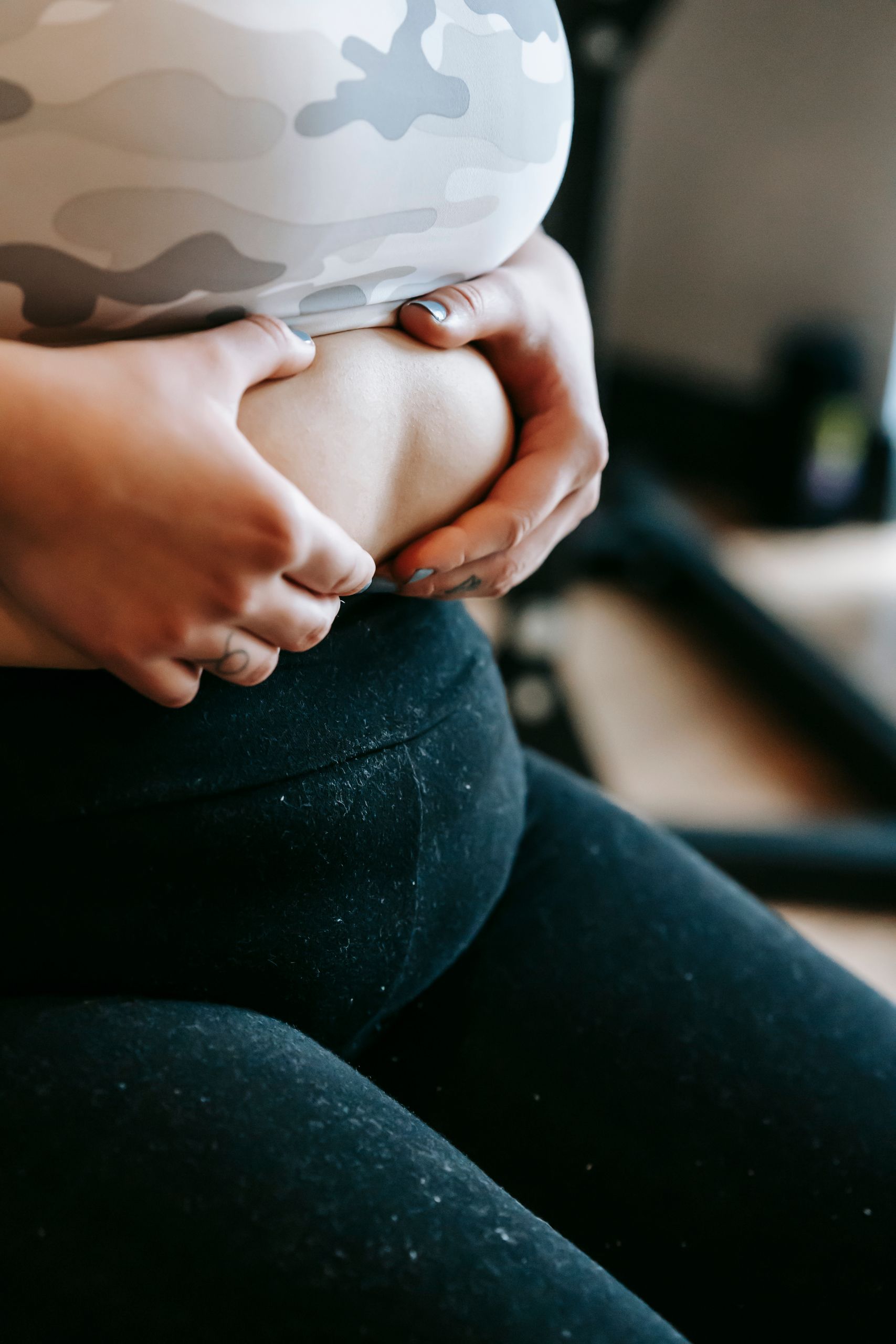
Crop faceless overweight woman in activewear touching belly fat during training in gym in daylight
Image credit: by Laura Tancredi/pexels

Body weight and lifestyle are closely connected topics when discussing pancreatic health. Excess body fat is another factor identified as a possible concern.

Weight changes can happen for many different reasons, including lifestyle patterns and daily routines. Because of this, it’s important to look at the broader picture rather than focus on a single factor.

Staying aware of body composition and lifestyle choices can help people better understand how different habits work together.

The relationship between body fat and the pancreas highlights why overall lifestyle patterns matter. Eating habits, physical activity, and other choices often overlap.

A sedentary lifestyle can affect overall wellness routines.

Movement is another important part of daily habits. Sedentary behavior has been linked to concerns about the pancreas.

Many modern routines involve long periods of sitting, whether at work, while traveling, or during leisure activities. Over time, low levels of physical activity can become a normal part of everyday life.

Paying attention to movement habits is one way to examine daily routines. Even recognizing how much time is spent inactive can be an important first step.

A person’s lifestyle includes many different choices. Drinking patterns, tobacco use, food habits, body weight, and activity levels can all contribute to the bigger picture.

Small lifestyle changes start with awareness.

The habits connected to pancreatic concerns are often common parts of everyday life. That is why understanding them matters. Many people may not think about how routine behaviors can influence different parts of the body.

The goal is not to focus on one specific habit alone but to recognize how multiple lifestyle choices can work together. Looking at daily routines can help people identify areas they may want to change.

For readers interested in improving their everyday habits, the first step is often awareness. Recognizing patterns around alcohol, smoking, food choices, activity levels, and body weight can provide a clearer picture of personal routines.

Small decisions made consistently can shape long-term lifestyle patterns. By paying closer attention to these common habits, people can become more informed about choices that affect their overall well-being.
Other Post You Might Also Like

If you like what you just read, then subscribe to our newsletter and follow us on social media.

Leave a Reply

Your email address will not be published. Required fields are marked *