Okay, so you know how sometimes a camera catches you mid-blink in a group photo, and suddenly your entire existence feels like a tragedy? Now imagine that, but you are the President of the United States, and the whole internet decides to weigh in.
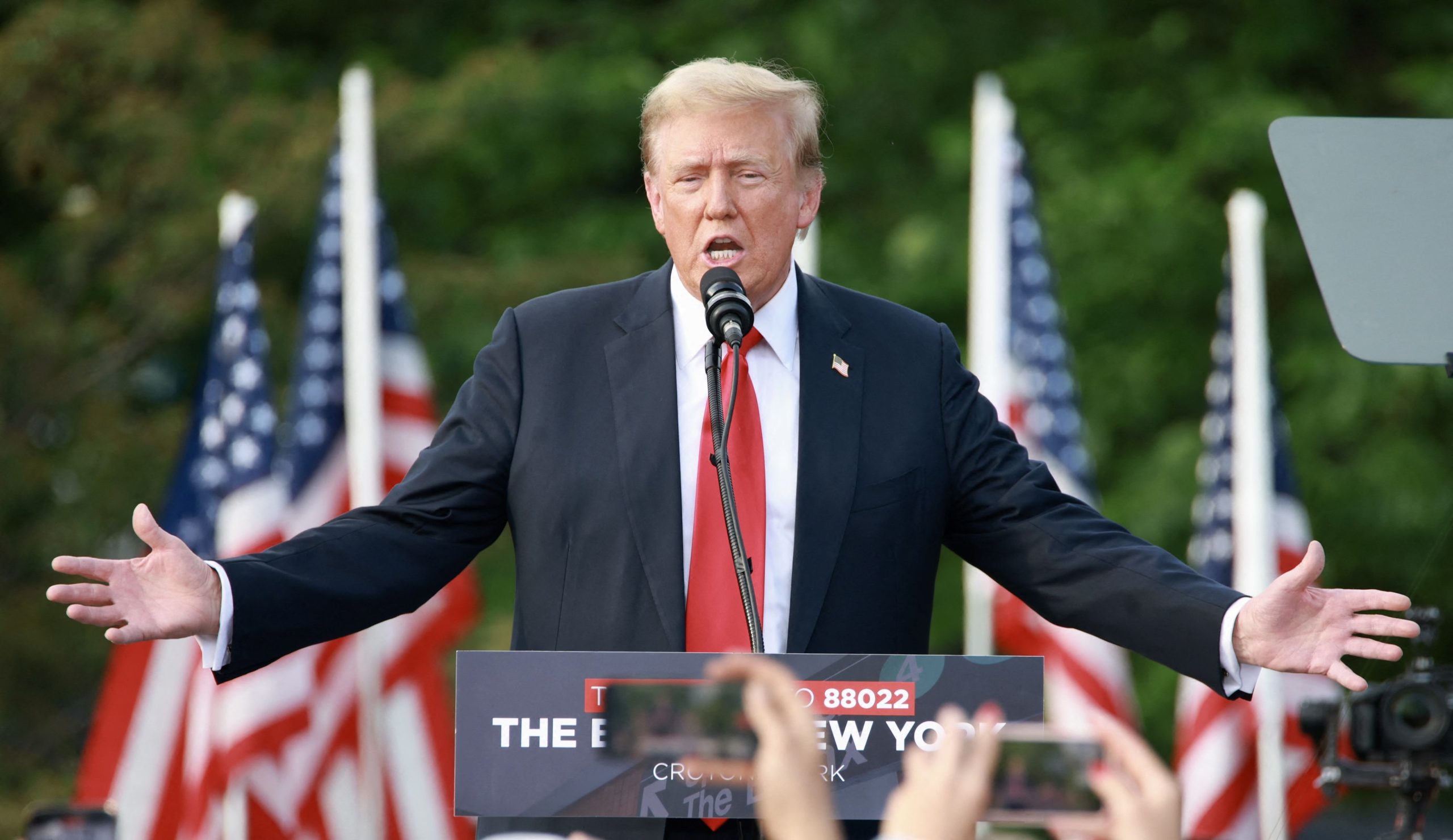
That is exactly where we are right now. Photos, and, in fact, videos, of President Donald Trump with his eyes closed have been making the rounds online throughout his second term, appearing mostly during public meetings and official events.
Supporters say the cameras caught the timing wrong. Critics say the images reveal something bigger about stamina and alertness. And the White House? Well, the White House decided to respond in what can only be described as the boldest possible way.
They started posting screenshots of news anchors and public figures with their eyes closed, too. Yes, really.
This Is Officially a Blink-Off Now

The White House rapid response account went full offense, digging up freeze-frame photos of journalists mid-blink and posting them online as though to say: see, everybody, blinks, stop making this about us.
The strategy here is classic playground energy. You pointed something out about my guy, so here is a picture of you looking weird, too. Except this is not the playground. This is the official communication apparatus of the leader of the free world.
That choice of battlefield raised a lot of eyebrows, and not just because everyone kept blinking.
Dana Bash Said One Thing and Won the Whole Situation
CNN anchor Dana Bash got pulled into the drama after the White House account posted a screenshot implying she had fallen asleep on air. Her response was two sentences. She made a joke, literally thanked the white House for watching, and moved on. That was it. That was the whole play.
In a media cycle where everyone is screaming over everyone else, a calm, dry joke lands harder than a long defensive statement ever could. Bash did not give the moment weight. She gave it punchline status, and suddenly the story was less about the screenshot and more about the White House posting it in the first place.
Why These Photos Keep Going Viral

Here is the honest truth: one blink means nothing. Cameras capture awkward split seconds constantly. Every celebrity, anchor, politician, and regular human being has a photo out there somewhere where they look absolutely terrible because a shutter fired at the exact wrong millisecond.
The reason these particular photos keep traveling is not the blink itself. It is the context around the blink. Trump is close to 80 years old, and questions about age and stamina are already circulating in public conversation. Repeated images that seem to confirm those questions spread quickly because they fit a story people already have in their heads.
That is just how viral content works. The image is not the point. The feeling the image triggers is the point.
The White House Accidentally Made It Bigger
Here is where the strategy gets shaky. When a story is gaining traction, and you want it to die, the last thing you do is respond to every single version of it. That keeps the conversation alive. Every post, every clapback, every counter-screenshot is essentially a press release saying this thing matters enough to fight over.
By going the blink-shaming route, the White House did not bury the original narrative. It handed it a second news cycle, a third, and honestly, probably a fourth. A political operation that is confident in its image tends to ignore the noise. An operation that is rattled tends to chase every meme. And the chase itself becomes the story.
The Age Conversation Is Not Going Away
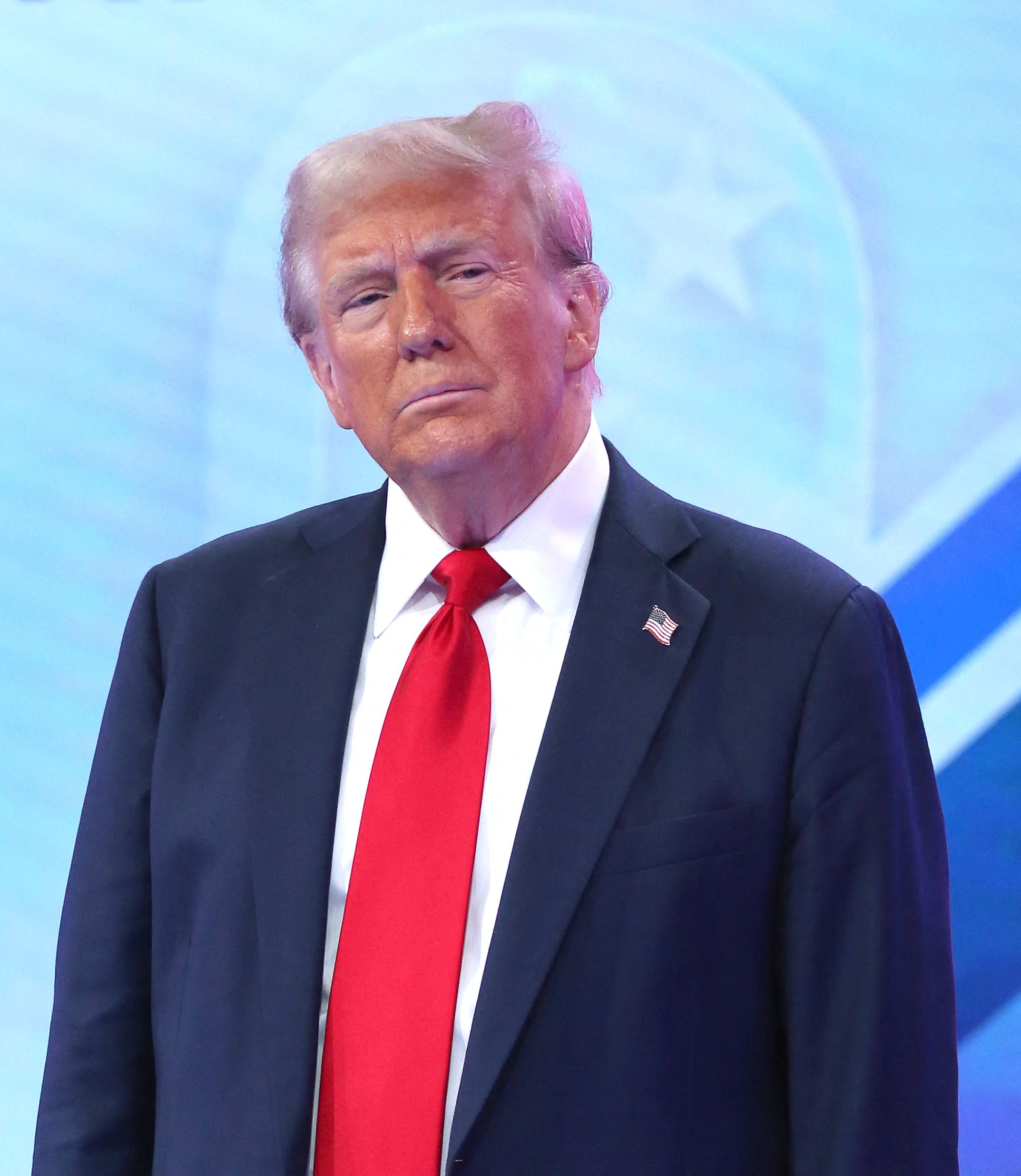
Buried beneath all the screenshots and jokes is a serious question. Voters pay attention to presidential health. They always have. Questions about whether a president in their late seventies or early eighties has the energy and focus for the job are not unfair questions. They are reasonable questions for the public to ask.
The problem is that a photo does not answer that question. A freeze-frame does not diagnose anything. It just feeds the anxiety without resolving it.
If the White House wanted to genuinely push back on the health narrative, the move would have been calm transparency, not meme warfare. Instead, the chosen response made the administration look reactive and a little rattled, which is the exact opposite of the image they were trying to project.
Conclusion
At the end of the day, a blink is a blink. But in 2026, a blink is also apparently a political crisis, a communication strategy, a CNN segment, and about fourteen thousand Twitter posts. What this whole situation really shows is how thoroughly the line between official communication and internet trolling has dissolved.
The White House is now playing on the same field as the meme accounts, and once you step onto that field, you play by those rules. The photos were never going to end a presidency. The response to the photos, though, wrote itself into the story permanently. And that is the part nobody in Washington seems to have figured out yet.