


Turning 40 does not mean the body suddenly becomes fragile, but it does mean the warning lights deserve more respect. A little fatigue, a strange pain, or unusual bleeding can feel easy to explain away because life is busy, hormones shift, stress piles up, and many women are used to pushing through discomfort without making a fuss.
The problem is that some symptoms do not arrive with drama. They whisper first. Doctors often worry less about one random bad day and more about symptoms that are sudden, severe, persistent, unusual for you, or paired with other warning signs.
These eight symptoms deserve attention because catching them early can change everything.
Chest Pressure, Shortness of Breath, or Sudden Exhaustion

Heart symptoms in women can be sneaky. Chest pain matters, but it is not always the crushing movie-scene pain people imagine. Women may also feel shortness of breath, nausea, dizziness, upper back pain, neck pain, jaw pain, indigestion, or extreme fatigue during a heart attack, and the CDC warns women not to delay calling emergency services when these symptoms appear.
For those over 40, this becomes even more important because blood pressure, cholesterol, diabetes risk, and hormonal changes can all affect heart health. If you feel a heavy pressure in your chest, become breathless while doing something that normally feels easy, or suddenly feel wiped out in a way that scares you, do not brush it off as “just stress.” Your heart does not always shout before trouble starts.
Constant Thirst, Frequent Urination, or Blurry Vision
Diabetes can creep in quietly, especially type 2 diabetes. Common warning signs include frequent urination, increased thirst, increased hunger, fatigue, blurry vision, frequent urinary tract infections or yeast infections, and weight loss without trying. The CDC lists these symptoms for both type 1 and type 2 diabetes, though symptoms of type 2 may develop slowly.
Women over 40 may blame thirst on heat, tiredness on work, and blurry vision on screens. That delay can allow high blood sugar to damage blood vessels, nerves, eyes, kidneys, and the heart.
A simple blood test can reveal a lot. If you keep waking up to urinate, feel thirsty no matter how much water you drink, or notice infections coming back again and again, your body may be asking for a glucose check.
Sudden Weakness, Slurred Speech, or Vision Changes
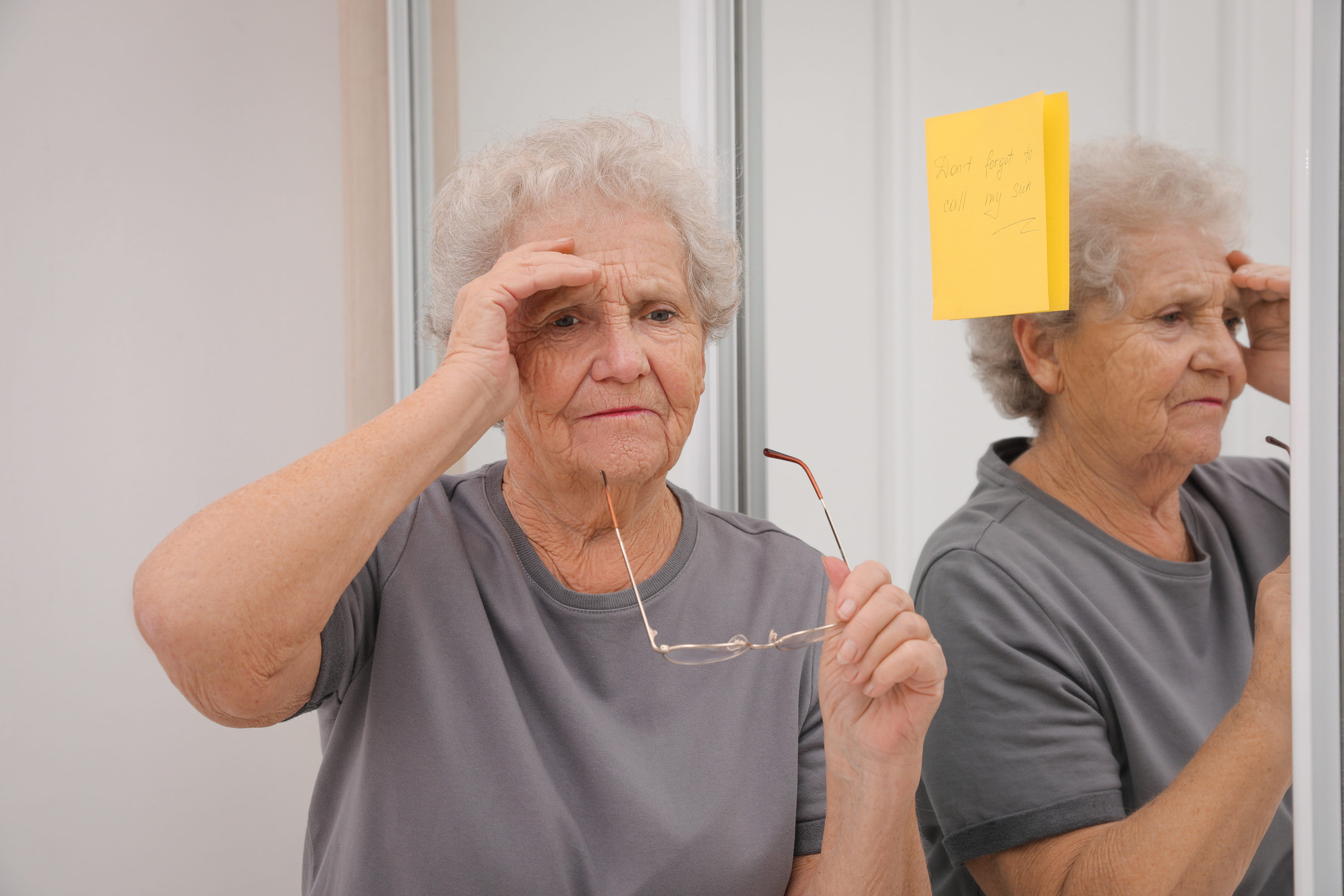
A stroke can announce itself in seconds. Sudden numbness or weakness in the face, arm, or leg, especially on one side of the body, should be treated like an emergency. The same goes for sudden confusion, trouble speaking, trouble understanding speech, sudden vision problems, dizziness, loss of balance, or a severe headache with no clear cause.
The CDC advises calling 911 right away when these symptoms appear. Women sometimes minimize neurological symptoms because they pass quickly or seem strange rather than painful. That is risky.
A brief episode may still signal a transient ischemic attack, often called a mini-stroke, and it can warn of a bigger stroke ahead. If your face droops, your speech sounds wrong, one arm feels weak, or your vision suddenly changes, time is brain tissue.
Bleeding After Menopause or Unusual Bleeding Before It
Abnormal vaginal bleeding deserves a direct conversation with a doctor, especially after 40. Bleeding between periods, bleeding after sex, very heavy bleeding, bleeding that lasts longer than usual, or any bleeding after menopause should not be dismissed as a “weird cycle.” The CDC lists abnormal vaginal bleeding or discharge as a common symptom across several gynecologic cancers.
A New Breast Lump or Skin Change

A breast lump is the symptom most people know, but it is not the only one. A new lump under the arm, swelling in part of the breast, skin dimpling, nipple pulling inward, nipple discharge other than breast milk, breast pain, thickened skin, or redness and flaking around the nipple can all deserve medical attention.
The American Cancer Society lists these as possible breast cancer symptoms. The dangerous habit is waiting to see if it “settles.” Some breast changes are harmless, and many lumps are not cancer, but doctors need imaging or an exam to sort that out.
Women over 40 should be especially alert because breast screening conversations usually become more serious around this stage of life. If one breast suddenly looks or feels different from your normal, do not negotiate with fear. Book the appointment.
Bloating That Keeps Coming Back

Bloating is easy to blame on dinner, constipation, salt, hormones, or stress. That is exactly why persistent bloating can be missed. Ovarian cancer symptoms can include abdominal bloating or swelling, feeling full quickly while eating, pelvic discomfort, weight loss, fatigue, back pain, constipation, and a frequent need to urinate.
Mayo Clinic notes that these symptoms can be vague and easily mistaken for everyday digestive trouble. The keyword is persistent. A bloated stomach after a big meal is normal.
Bloating that keeps returning, lasts for weeks, changes your appetite, makes your clothes tighter, or comes with pelvic pressure should be checked. Women often know when their bodies have changed, even before they have the language for it. That instinct is worth respecting.
One-Sided Leg Swelling or Sudden Chest Pain
A swollen, painful, warm, or red leg can signal deep vein thrombosis, a blood clot that often forms in the leg. The risk increases if the clot travels to the lungs, leading to a pulmonary embolism. The CDC notes that DVT symptoms can include pain, tenderness, swelling, warmth, and skin discoloration, while pulmonary embolism symptoms can include unexplained shortness of breath, chest pain, coughing blood, fainting, or sudden collapse.
Unexplained Weight Loss, Night Sweats, or Deep Fatigue
Losing weight without trying may sound like good news in a culture obsessed with shrinking women’s bodies, but doctors take it seriously. MedlinePlus defines unintentional weight loss as losing about 10 pounds or 5% of body weight over 6 to 12 months or less without knowing why.
Conclusion
Women over 40 do not need to panic over every ache, skipped period, or tired morning. The wiser move is to notice patterns and respect symptoms that feel new, intense, persistent, or out of character. Your body is not being dramatic when it changes the script.
The safest rule is simple. Sudden chest pain, shortness of breath, stroke symptoms, fainting, coughing blood, or severe one-sided weakness need emergency help. Persistent bleeding, breast changes, bloating, weight loss, extreme fatigue, repeated infections, or unusual pain need a medical appointment. Ignoring symptoms may feel convenient for a moment, but listening early can protect your future.
Read the original Crafting Your Home.


