


Victorian homes, with their intricate designs, carefully arranged rooms, and elegant interiors, can evoke images of a time when the world felt simpler, even refined. But while the Victorians were often seen as purveyors of high moral standards and exquisite taste, their homes were often full of hidden dangers.
What appeared to be charming or even cutting-edge design was sometimes unknowingly a health risk, and the daily lives of those who lived in these homes were often punctuated by hazards we would never expect to find today. Let’s dive deeper into the more sinister aspects of the Victorian household.
Arsenic Wallpaper
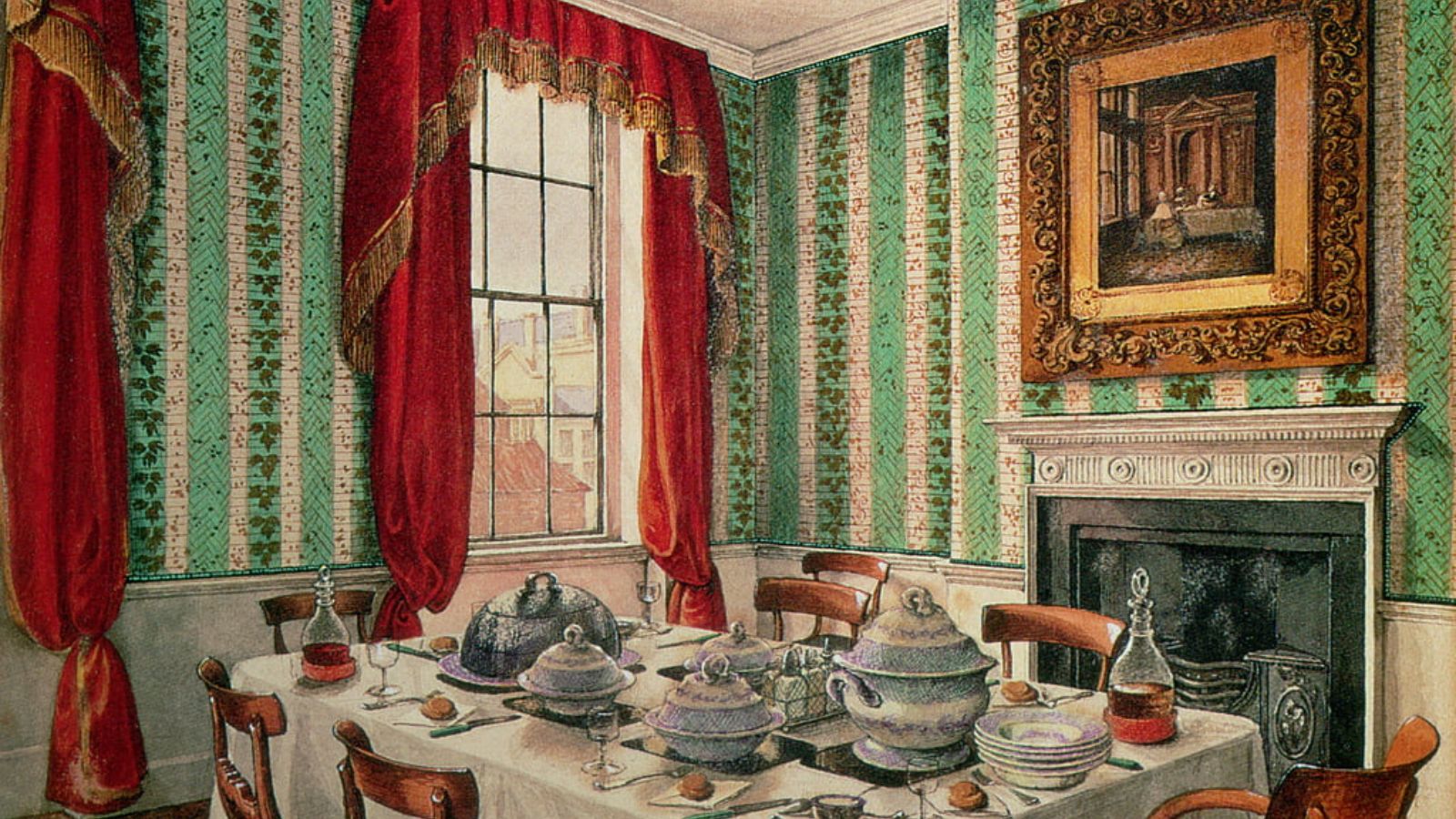
Wallpaper in the Victorian era was more than just a decorative choice; it was a statement. The colors were bold, vivid, and often striking, but one particular shade of green became infamous: Scheele’s Green. Made using arsenic, this brilliant pigment made its way into homes all across Europe, decorating parlors, bedrooms, and even children’s rooms.
What seemed like a beautiful aesthetic in drawing rooms was, in reality, a toxic hazard. The arsenic in the wallpaper was known to cause severe health problems, including nausea, headaches, and even death.
The idea that the very walls of a home could slowly poison its inhabitants is unsettling, yet it wasn’t until later that the link between the vibrant greens and the illnesses that plagued families became clear.
Gas-Heated Baths
Victorians loved innovation, especially when it promised luxury and convenience. The advent of gas-heated baths was a prime example of this, designed to offer a new level of comfort for homeowners. However, while this new bathing system was lauded for its ability to heat water instantly, it came with some potentially lethal drawbacks.
The gas burners used in these systems lacked proper ventilation, meaning that carbon monoxide could build up in enclosed spaces, suffocating anyone who used the bath for an extended period. In the worst cases, the presence of this deadly gas could lead to tragic, unnoticed accidents. A luxurious soak could have a very real and deadly consequence if one wasn’t careful.
Coal Gas Lighting
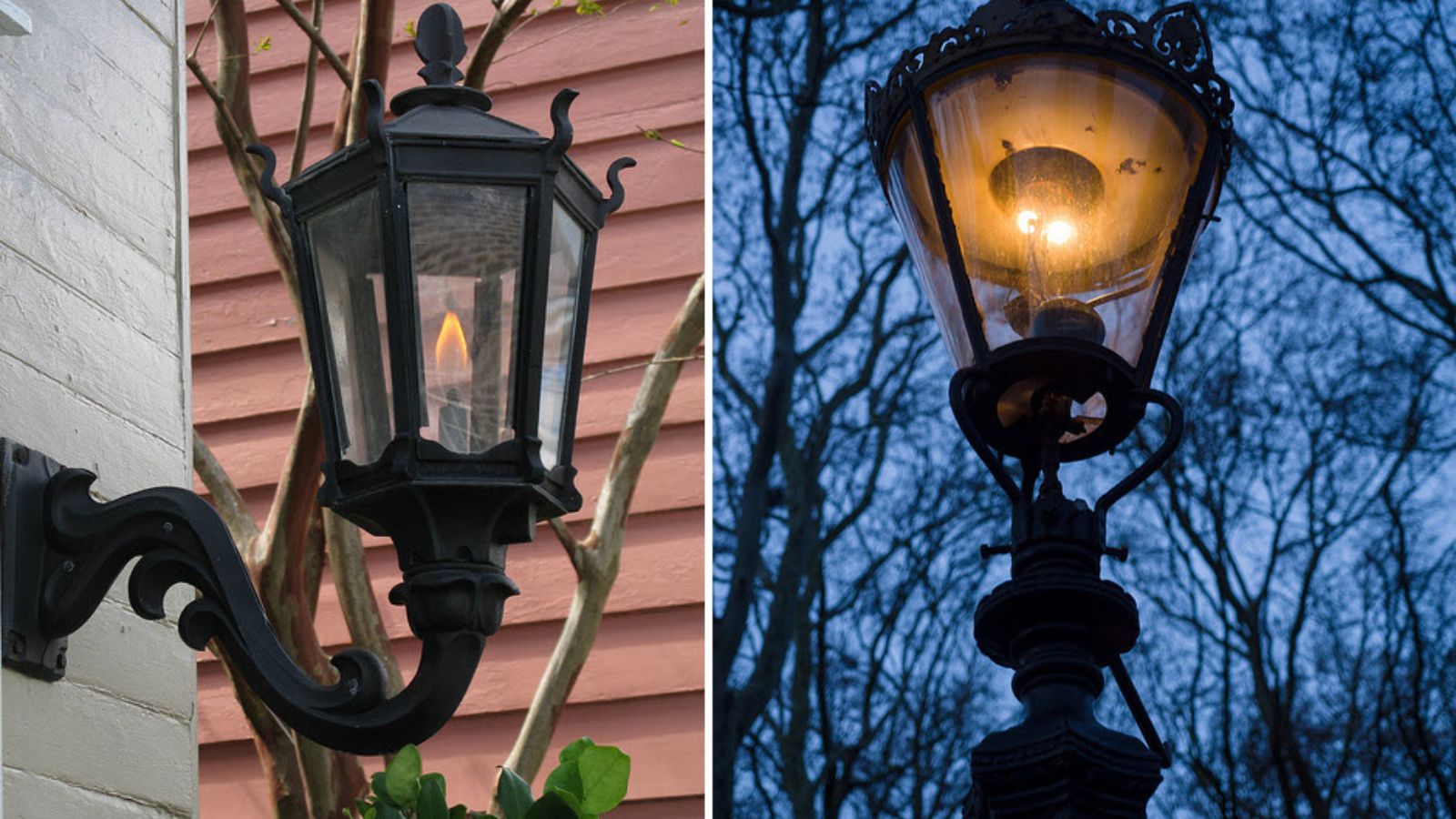
Gaslight was a revolutionary feature in Victorian homes. It allowed people to extend their day into the evening, creating bright, warm interiors. Yet, the gas used to power this lighting came with its own dangers. Coal gas, the primary fuel for these lights, could contain harmful substances like methane and carbon monoxide.
In a home filled with poorly ventilated rooms, burning coal gas could lead to an accumulation of dangerous fumes, raising the risk of suffocation or poisoning. There were even incidents of homes exploding because of gas leaks that went undetected due to faulty pipes and improper installations. The glamorous light was not without its deadly risks.
Lead Paint on Walls and Toys
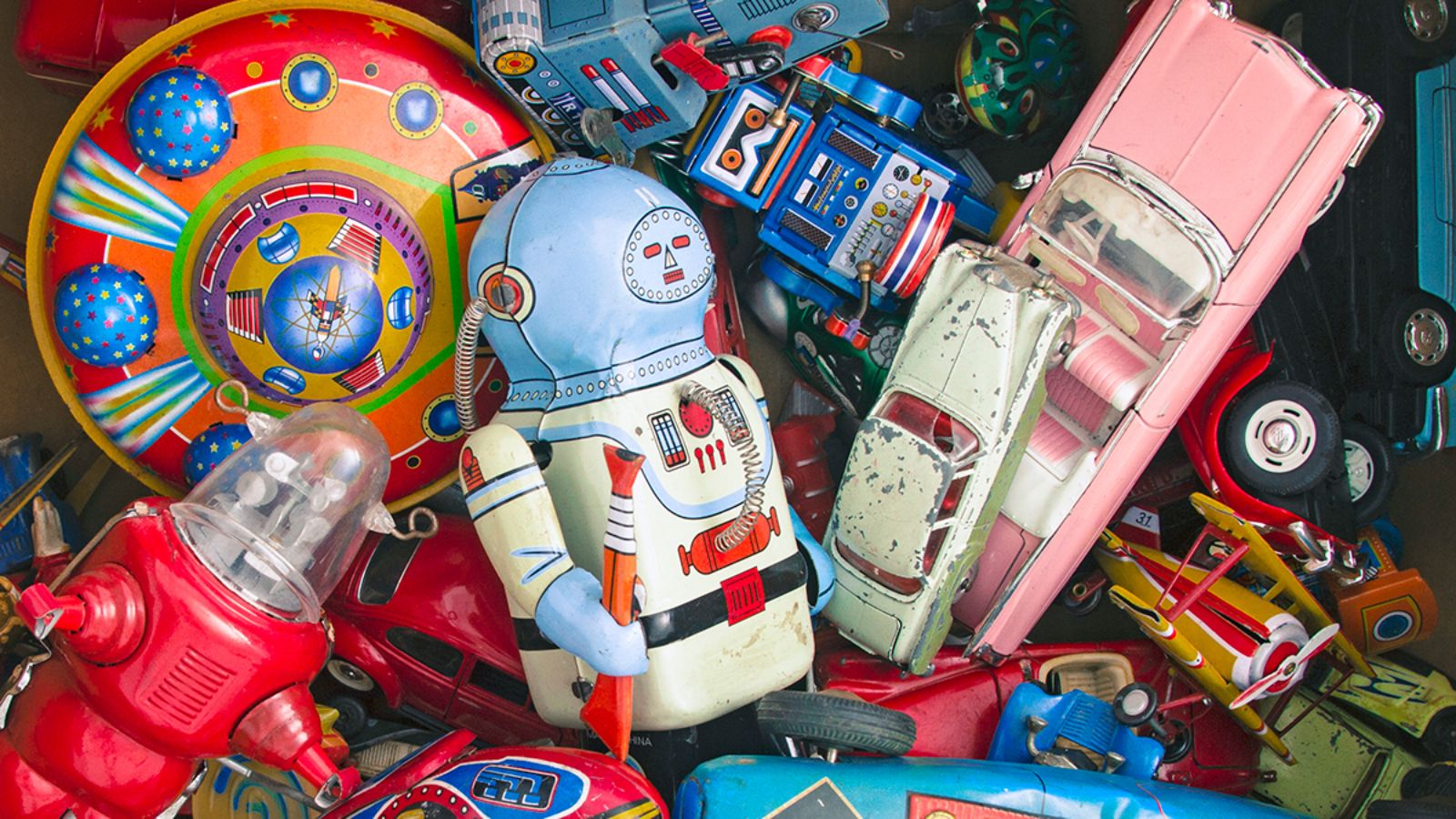
In the Victorian era, lead was often used in household paints, and it wasn’t just the adults who were at risk. Children, especially, were vulnerable to lead poisoning. Lead-based paint was not only used on walls but also on children’s toys, making it easy for kids to ingest tiny chips of the toxic material when they inevitably put their toys in their mouths.
Lead poisoning could cause a variety of problems, including developmental delays, learning difficulties, and in severe cases, death. The fact that these dangers were so deeply embedded in everyday life underscores just how unaware people were of the hidden risks in their environments.
The Back Stairs
Not all dangers in a Victorian home were chemical or mechanical; some were purely structural. The back stairs, often used by servants and tradespeople, were frequently built in dark, narrow, and winding configurations. These stairs were designed for function rather than comfort, and their poor construction, combined with a lack of lighting, made them dangerous to navigate.
Many people, particularly those rushing to attend to household duties, suffered accidents on these stairs. What might have been viewed as a minor inconvenience became a serious hazard, with falls leading to broken bones or worse, depending on the severity of the tumble.
Early Plastic Vanity Goods
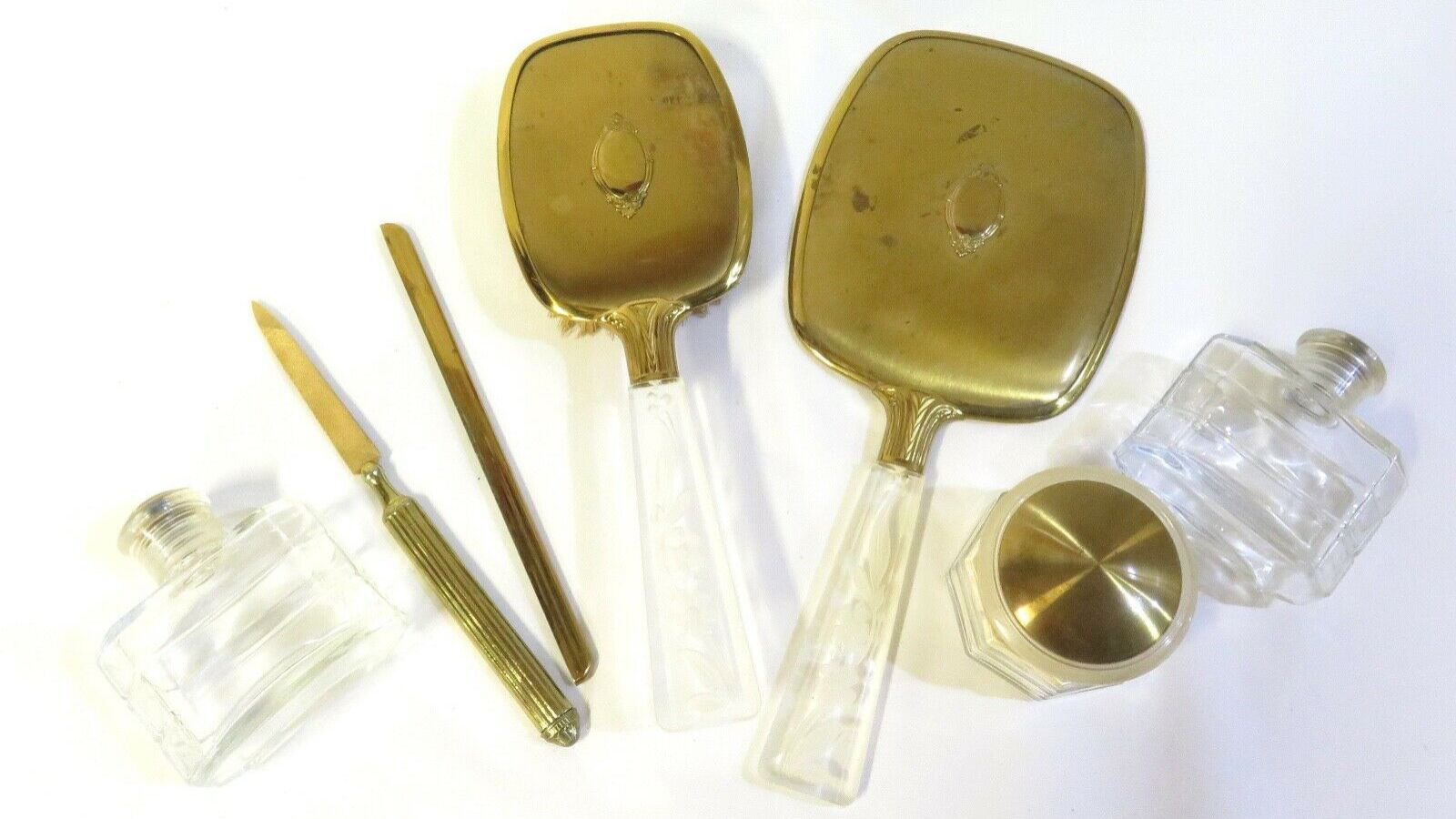
As technology advanced, new materials began to make their way into Victorian homes. One such material was early plastic, made from celluloid. While it was seen as a modern marvel, it was actually highly flammable.
Early plastics used in vanity goods, such as combs, mirrors, and hairbrushes, might have looked sleek and sophisticated, but in a home filled with open flame and gas-powered lighting, they were an accident waiting to happen. A simple spark could set them ablaze, potentially causing a devastating fire.
So, while these products were marketed as advanced and helpful, they carried a dangerous flaw that made them less than ideal in a house full of combustible materials.
Beauty Products
The pursuit of beauty in the Victorian era often involved questionable – and sometimes downright dangerous – practices. Some of the most popular beauty products of the time contained toxic ingredients like lead, arsenic, and mercury.
In fact, these substances were often used in cosmetics to achieve the pale, flawless complexion that was so coveted in the period. While many women were unaware of the potential dangers, prolonged use of these products could result in poisoning, skin damage, and long-term health complications.
These beauty regimens, intended to enhance one’s appearance, often ended up undermining it in the most alarming ways.
Laudanum in the Medicine Cabinet
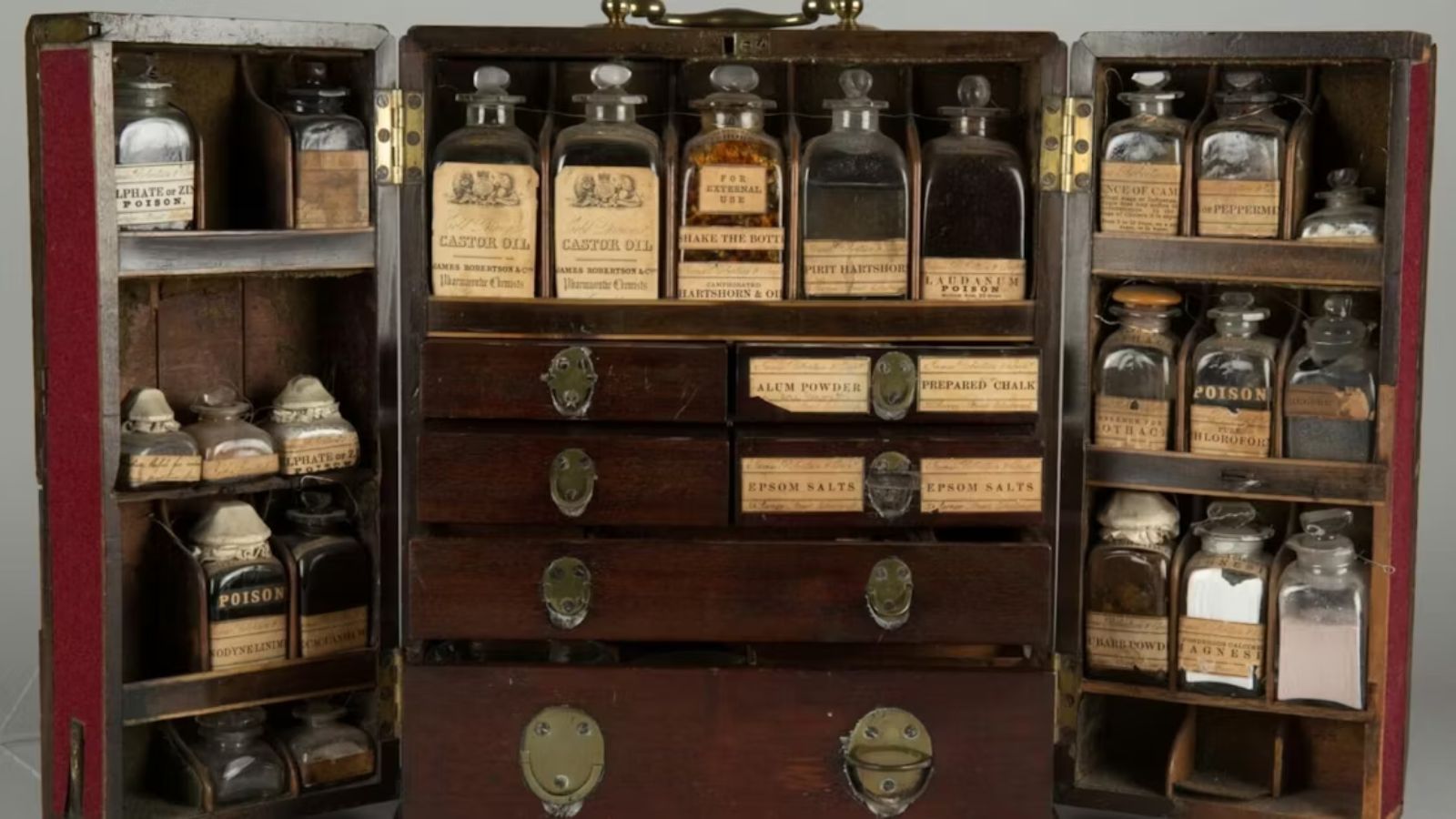
Laudanum was a common remedy in the Victorian medicine cabinet, prescribed for everything from pain to insomnia to teething babies. A mixture of opium and alcohol, it was widely available and often used in excess, making it easy to become addicted to.
While it may have been effective in the short term for alleviating pain or distress, laudanum was also highly dangerous, and its overuse could lead to death. The casualness with which this potent drug was administered is a stark reminder of how little was known about addiction and its devastating effects at the time.
Soothing Syrups for Children
In an era where many of today’s modern drugs had not yet been invented or were poorly regulated, some of the most dangerous substances were sold under the guise of harmless “soothing syrups.” One infamous example was Mrs. Winslow’s Soothing Syrup, which was marketed as a remedy for children’s colic and teething pain.
However, it contained high doses of morphine and alcohol, substances that could easily lead to overdose in young children. Tragically, many infants died after being given this syrup, making it a deadly example of how medical practices of the time often overlooked safety in favor of quick fixes.
Murder Bottles for Babies
The so-called “murder bottles” were a grim product of Victorian innovation. These feeding bottles, often made from glass or metal, were designed to make feeding babies easier. However, their complicated design, often involving tubing and hard-to-clean components, could trap milk and bacteria, creating a breeding ground for infection.
Over time, these bottles gained the notorious nickname “murder bottles” due to the number of infants who died from infections caused by the unsanitary design. What had been intended as a labor-saving device turned out to be a hazardous innovation.
Closing Thought
Victorian homes, for all their charm and elegance, were full of hidden dangers that could be life-threatening. Whether through the use of toxic materials, poorly designed products, or the unregulated use of chemicals and drugs, these homes were often much more hazardous than they appeared.
The comforts of modern life, from the beauty of gas lighting to the promise of a warm bath, were tempered by the harsh realities of a time that hadn’t yet figured out how to keep up with the dangers lurking within its own innovations.
The Victorian era serves as a stark reminder of how far we’ve come in terms of health and safety, even as it challenges us to remember how often progress can carry its own risks.


