The American Dream, once synonymous with success, prosperity, and endless opportunity, is now a myth for many in 2026. While it still holds a significant cultural value, the journey towards achieving it has become increasingly complicated. The idea that anyone, regardless of background, can achieve wealth and status through hard work is slowly crumbling under the weight of economic, social, and political challenges.
Here are eight harsh realities that are redefining the “American Dream” for many in 2026.
The Rising Cost of Living Is Crushing Aspirations
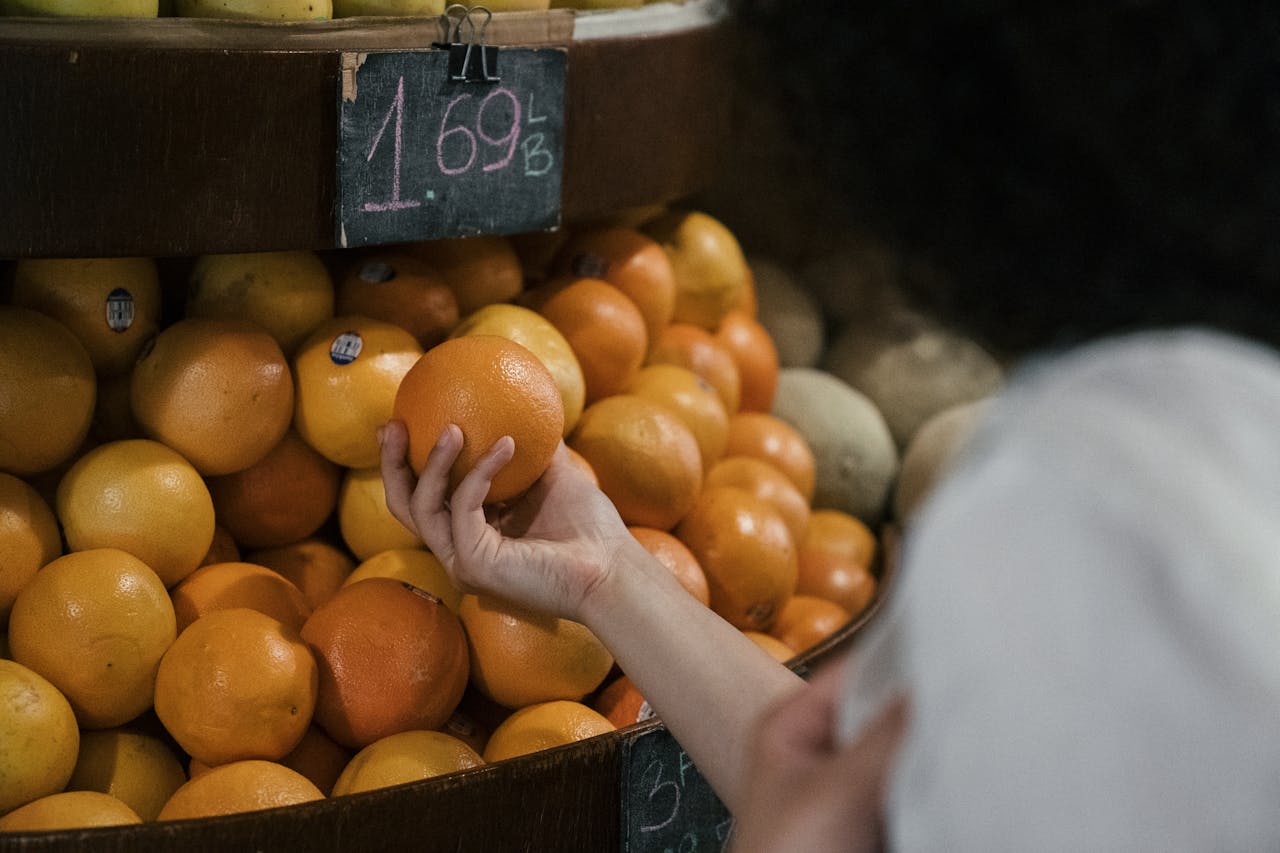
The first reality to face is the sky-high cost of living. In 2026, the basic necessities of life are more expensive than ever before. From rent to groceries, the prices are consistently outpacing wages. A report from the Bureau of Labor Statistics shows that, since 2020, the cost of housing has surged by over 30%, and inflation continues to spike unpredictably.
For many young Americans, achieving the dream of owning a home or saving for retirement feels more like a distant fantasy than a viable reality. Millennials and Gen Z are especially burdened by rising costs.
With student loan debt reaching new heights and home prices climbing, these generations are finding it increasingly difficult to maintain the standard of living their parents once enjoyed. What was once considered middle-class comfort is now an unattainable luxury for many.
The Wage Gap Is Wider Than Ever
While the cost of living continues to climb, wages have stagnated for most Americans. The wage gap between the wealthy elite and the average worker has only grown wider in recent years. In 2026, the top 1% of earners control a staggering portion of the nation’s wealth, while the working class struggles to keep up with rising expenses.
Job Insecurity is the New Normal

Another cruel truth in 2026 is the widespread job insecurity that has replaced the promise of stable, lifelong employment. The gig economy has become the dominant force, and many workers are now forced to rely on part-time, contract, or freelance jobs with no benefits or job security. Even those in full-time positions are facing layoffs and corporate restructuring at an alarming rate.
The pandemic exposed just how fragile the traditional workforce is. In a world where automation and artificial intelligence are rapidly transforming sectors, job displacement is a constant concern. In fact, a recent World Economic Forum study predicts that over 80 million jobs worldwide could be replaced by AI by 2030, leaving many workers wondering whether the dream of a secure job with healthcare and retirement benefits is anything more than a relic of the past.
The Digital Divide Is Widening
In 2026, the internet has become more essential than ever before. It’s a tool for education, job opportunities, and social engagement. However, for millions of Americans, access to reliable, high-speed internet remains out of reach, creating a new form of inequality: the digital divide. Rural areas and lower-income households are disproportionately affected by this issue, which makes it more difficult for them to access online resources, education, and remote work opportunities.
The Dream of Homeownership Is Dying

For many Americans, owning a home is no longer a realistic goal. Once the ultimate symbol of the American Dream, homeownership has become a pipe dream for those without a high-paying job or financial backing. According to recent reports, over 40% of Americans now rent their homes, and many are trapped in a cycle of renting forever.
In 2026, the dream of buying a home seems more elusive than ever. With mortgage rates at an all-time high and the average price of homes reaching over $400,000, the idea of buying a house is reserved only for the wealthiest. The American Dream used to include owning a piece of land to call your own, but for many, that dream has been replaced with the struggle to find affordable rental properties.
Climate Change is a Growing Threat to Stability
In 2026, climate change is no longer just a future threat; it’s a present-day crisis. Extreme weather events, rising sea levels, and devastating wildfires are becoming increasingly common, particularly in regions once considered safe. For many Americans, the dream of a stable, predictable future is being undermined by the increasing frequency and intensity of natural disasters.
Health Care Costs Are a Constant Burden
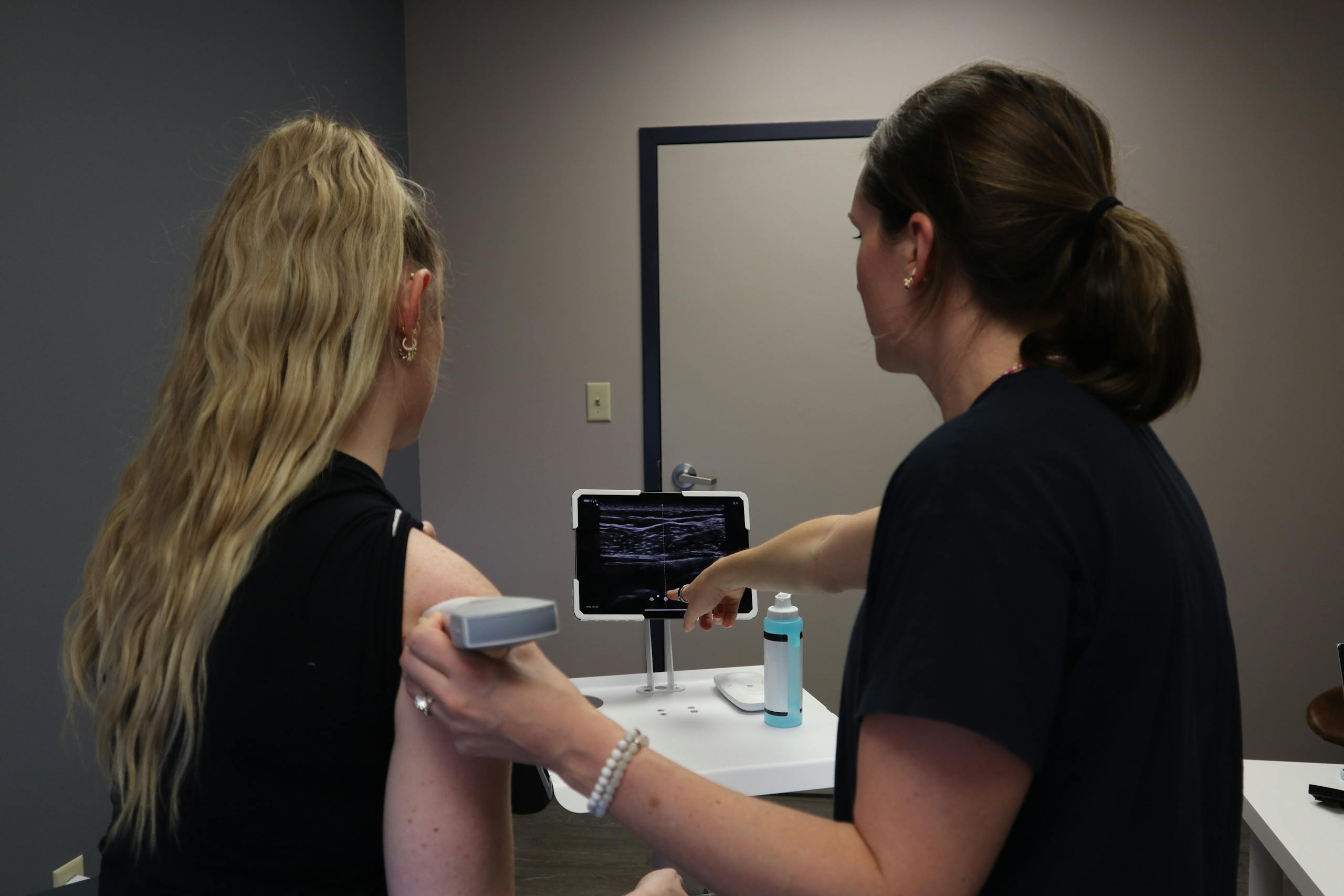
In a country as wealthy as the United States, it’s hard to imagine that health care would be such a massive obstacle to achieving the American Dream. Yet, in 2026, medical bills remain one of the leading causes of financial ruin for many Americans. Despite reforms under the Affordable Care Act, health insurance premiums remain prohibitively expensive for many, especially those without employer-sponsored plans.
The American Dream is No Longer Racially Equal
While the American Dream has always been touted as a promise for all, the reality is that racial inequality remains deeply embedded in the fabric of American society. In 2026, Black and Hispanic Americans still face systemic barriers to success, including discrimination in education, employment, and the criminal justice system. While progress has been made, racial disparities in wealth, health, and opportunity are still rampant.
Conclusion
The American Dream is no longer the shining beacon of hope that it once was. Instead, it has become a distant, often unattainable fantasy for many who are weighed down by the rising costs of living, job insecurity, and systemic inequalities. In 2026, the dream of success through hard work has been overshadowed by difficult-to-overcome economic and social realities.
For many, the dream is simply out of reach. But despite these harsh truths, some still cling to the idea that the American Dream is achievable. The question remains: can it be redefined and reclaimed, or will it remain a relic of the past? Only time will tell.