

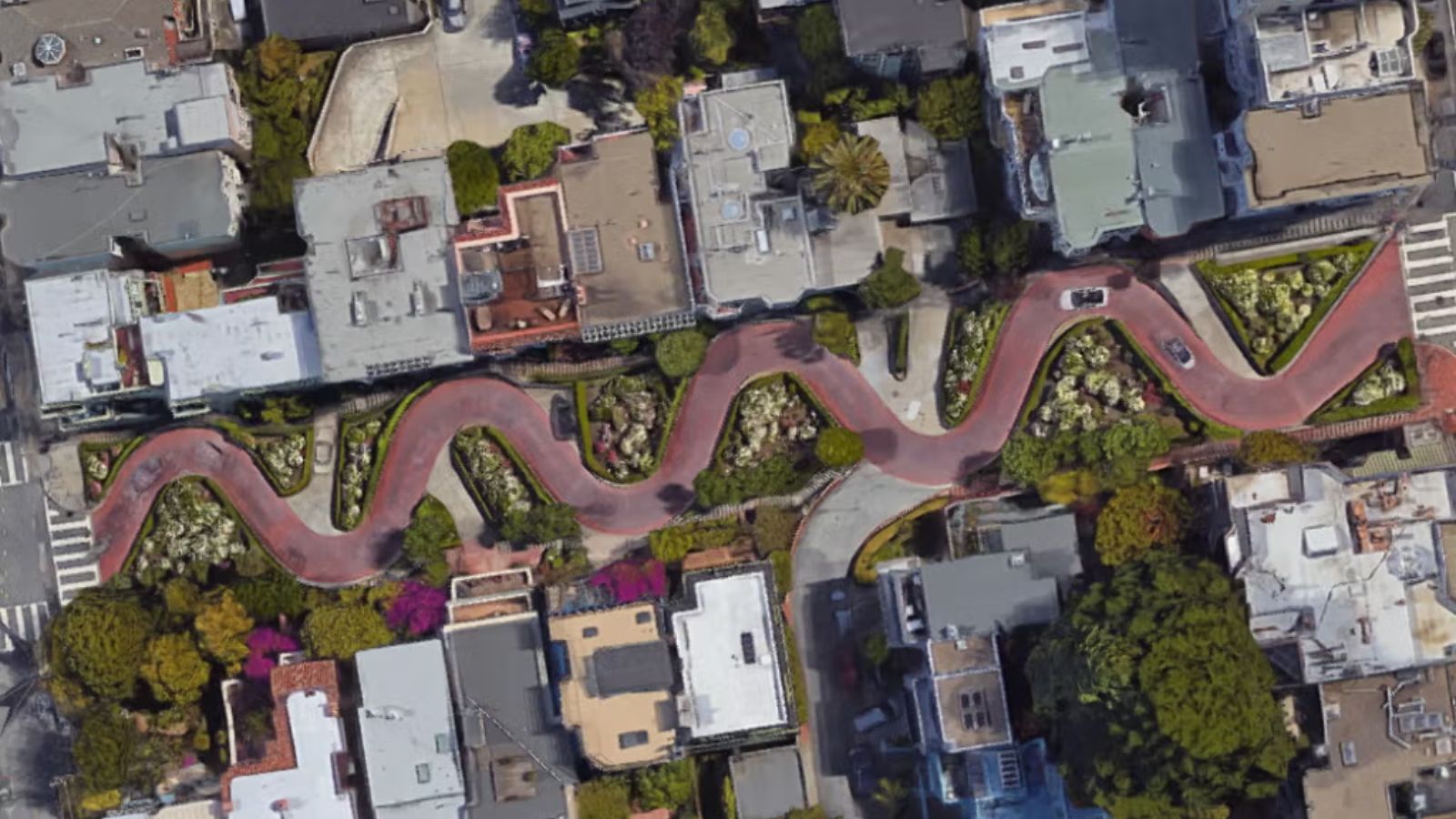
Have you ever looked at a street and wondered about the oddities it might conceal? From hidden histories to surprising functions, the streets we walk on are often more fascinating than we realize. Streets, sidewalks, and roads are central to our everyday lives, yet we seldom think about the stories they hold.
We all have our daily routines, walking to work, driving home, or maybe taking a casual evening stroll. But have you ever considered the origins and significance of the roads beneath your feet? Street names, designations, and layouts often have centuries-old histories that offer insight into the culture and development of cities.
Let’s dive deep into the quirky world of street facts that are bound to make you look at your next stroll a little differently.
Streetlamps
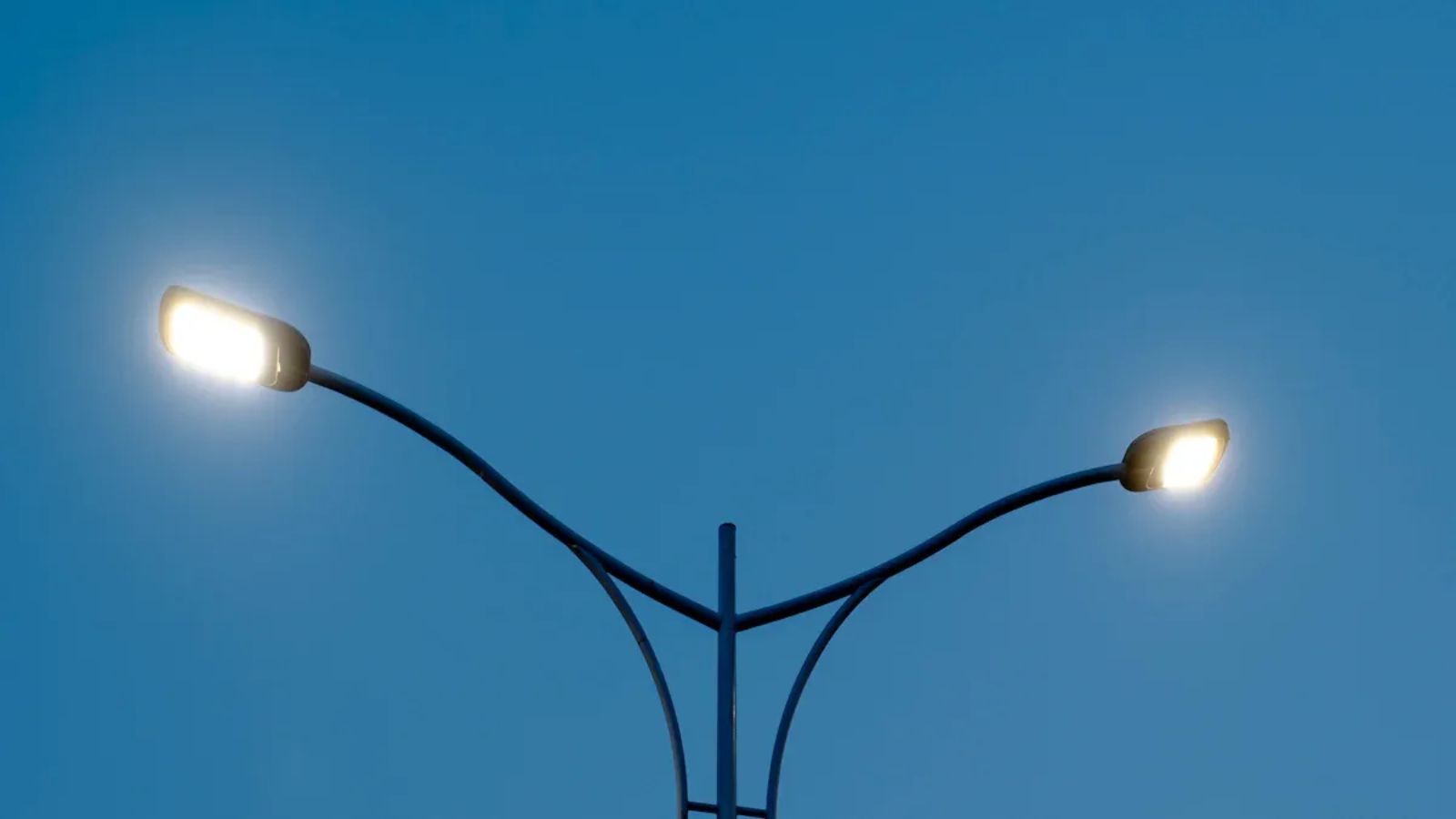
We often take streetlamps for granted. Their soft glow illuminates our path on those late-night strolls, yet few know the fascinating history behind these humble lights. Believe it or not, the first streetlamps were actually powered by… whale oil! In the early 19th century, whale oil was used to light the streets of cities like London and New York.
Whale oil was considered the best option due to its clean-burning qualities, which made it a superior choice for street lighting. The “whale oil lamps” became essential to urban life, lighting the way for pedestrians and reducing crime at night. It wasn’t until the invention of gas lights in the early 1800s that whale oil lamps were phased out.
The transition to gas lighting marked a huge leap forward in urban planning, as gas-powered lamps could be lit automatically and offered brighter, more efficient light. While we now rely on electric streetlights, the early reliance on whale oil is a reminder of the lengths society went to for illumination. Not to mention, it highlights the sometimes-surprising origins of modern conveniences we now take for granted.
Squirrels and Sidewalks

When you think of sidewalks, what comes to mind? Probably just a path to walk along. But did you know that squirrels, those seemingly chaotic creatures, play a strange role in the urban landscape? Urban sidewalks often become home to these critters, hopping from tree to tree and dodging traffic. But what’s even more bizarre is their tooth growth! Squirrels are known for their frenzied activity, but their teeth grow at a rapid pace, about six inches per year!
That’s the same rate at which human hair grows, but with a much more critical purpose. Their constant chewing keeps their teeth from growing out of control. This fascinating fact reveals the unique ways animals adapt to urban life.
Ancient Roman Roads
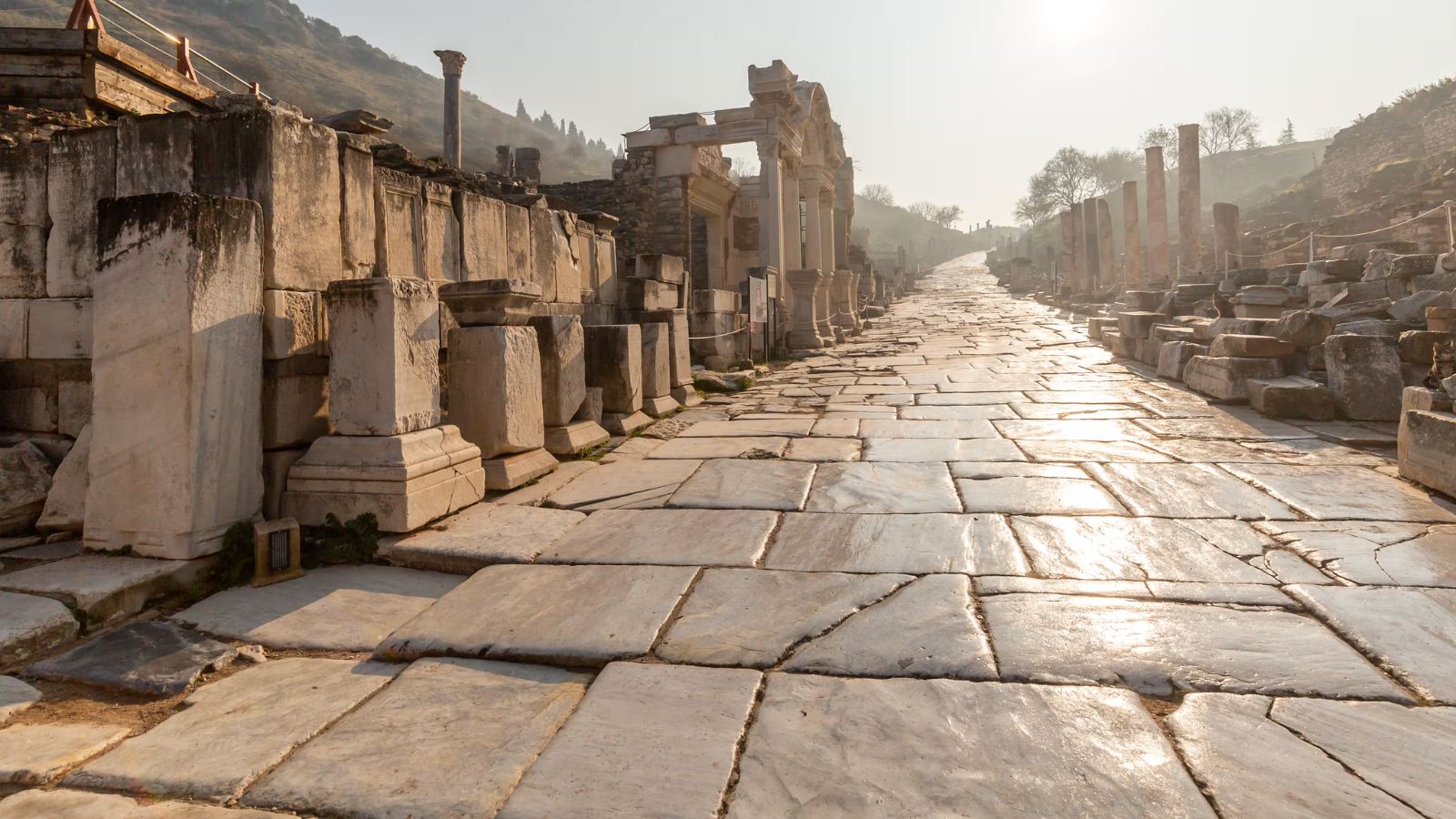
Street history isn’t just about modern developments. The Romans were masters of road construction, laying down roads that would influence how cities were built for centuries to come. The word “strata,” used by the Romans, eventually became the basis for our modern-day “street.”
Roman engineers were ahead of their time. Their roads were known for their durability, and many are still in use today, albeit with some updates. The precision and innovation in their construction methods were so advanced that even the most modern roads still take inspiration from Roman designs.
So, the next time you walk down a cobblestone path, you’re literally walking in the footsteps of history.
The Science Behind Yellow Lights

The yellow light at an intersection may seem like just a warning, but there’s actually a complex science behind its timing. Have you ever found yourself debating whether to speed up or slow down when the light turns yellow? There’s more to it than meets the eye. Cities carefully plan yellow light timing based on the street’s speed limit.
For example, on streets with a 55 mph speed limit, yellow lights last longer than on streets with a 30 mph limit. The purpose is simple: ensure smooth traffic flow while keeping safety in mind. So, next time you’re driving, consider that the timing of yellow lights is all part of a well-planned system designed to keep traffic moving efficiently.
Stop Signs

Stop signs are now a staple of urban life, but they didn’t always look the way they do today. Early stop signs were actually diamond-shaped and black. It wasn’t until the 1920s, when the Detroit Police Department decided to cut the corners off the signs for better visibility, that the now-iconic red octagonal design emerged.
The transformation of the stop sign reflects broader changes in urban planning. Over the years, the stop sign evolved not only in shape but in color. The transition from black to yellow and, finally, to red, was spurred by the advent of fade-resistant paint in the late 1940s. This change ensured that the signs could be seen in all conditions, day or night.
Sidewalks
Sidewalks are older than most people realize. In fact, they date back to ancient civilizations, including the Greeks and Romans. But their role in urban planning wasn’t solidified until much later. In ancient Greece, sidewalks were a luxury, but the Romans made them a common feature in their cities.
The word “sēmitae” was used to describe these pedestrian paths, and they were vital for separating foot traffic from wheeled carts. By the Middle Ages, however, sidewalks became narrower and less common. But after the Great Fire of London in 1666, city planners started to rethink how streets were designed.
Conclusion
Streets, roads, and sidewalks may seem like mundane parts of our daily lives, but they are filled with surprises. From their origins in ancient Rome to their modern-day significance, the history and evolution of these paths are fascinating.
Whether it’s the science behind yellow lights or the quirky habits of urban squirrels, the world of streets holds endless discoveries. So, the next time you step out for a walk, take a moment to appreciate the stories that lie beneath your feet. Streets are more than just roads; they’re the veins of our cities, connecting us to both history and the present.


