


We all dream of a tidy, well-organized home, a space where everything has a place, and we can easily find what we need. However, organizing can sometimes backfire, leaving us with more frustration than satisfaction. It’s tempting to believe that if we just declutter or invest in the latest organizational trend, our homes will magically feel more peaceful and functional.
But that’s not always the case. In fact, many well-intentioned organizing habits can make your home feel less livable and more stressful. In this article, we’re going to explore 10 common organizing mistakes that backfire. If you’ve ever spent hours tidying up only to feel like you’ve made things worse, you might recognize yourself in one of these scenarios.
The key takeaway? Sometimes, less is more, and making your home truly organized requires more than just throwing things into neat boxes or following the latest trends.
Over-Storing Items You Rarely Use

It’s easy to think that the more storage solutions you buy, the more organized your home will be. Storage bins, drawers, baskets, and shelving units are great tools, but over-storing items you rarely use can quickly turn your home into a maze of forgotten objects. You may end up packing things away out of sight, with no clear system for accessing them.
Focusing Too Much on Perfection
In an age of Pinterest-perfect homes, it’s tempting to organize your space to match those flawless, immaculately styled photos. The problem? Perfection doesn’t always equal practicality. Spending hours creating perfect vignettes, organizing your closet with color-coordinated hangers, or folding towels in intricate patterns may look beautiful, but these efforts can quickly become overwhelming.
Not Giving Yourself Enough Time to Maintain the Organization
Organizing is not a one-time event it’s an ongoing process. After you’ve spent time getting your home in order, the last thing you want is for it to fall apart. But without a routine for maintaining the organization, all your hard work can unravel in no time. It’s easy for clutter to accumulate again if you don’t regularly assess and tidy up.
Over-Complicating Systems with Too Many Categories
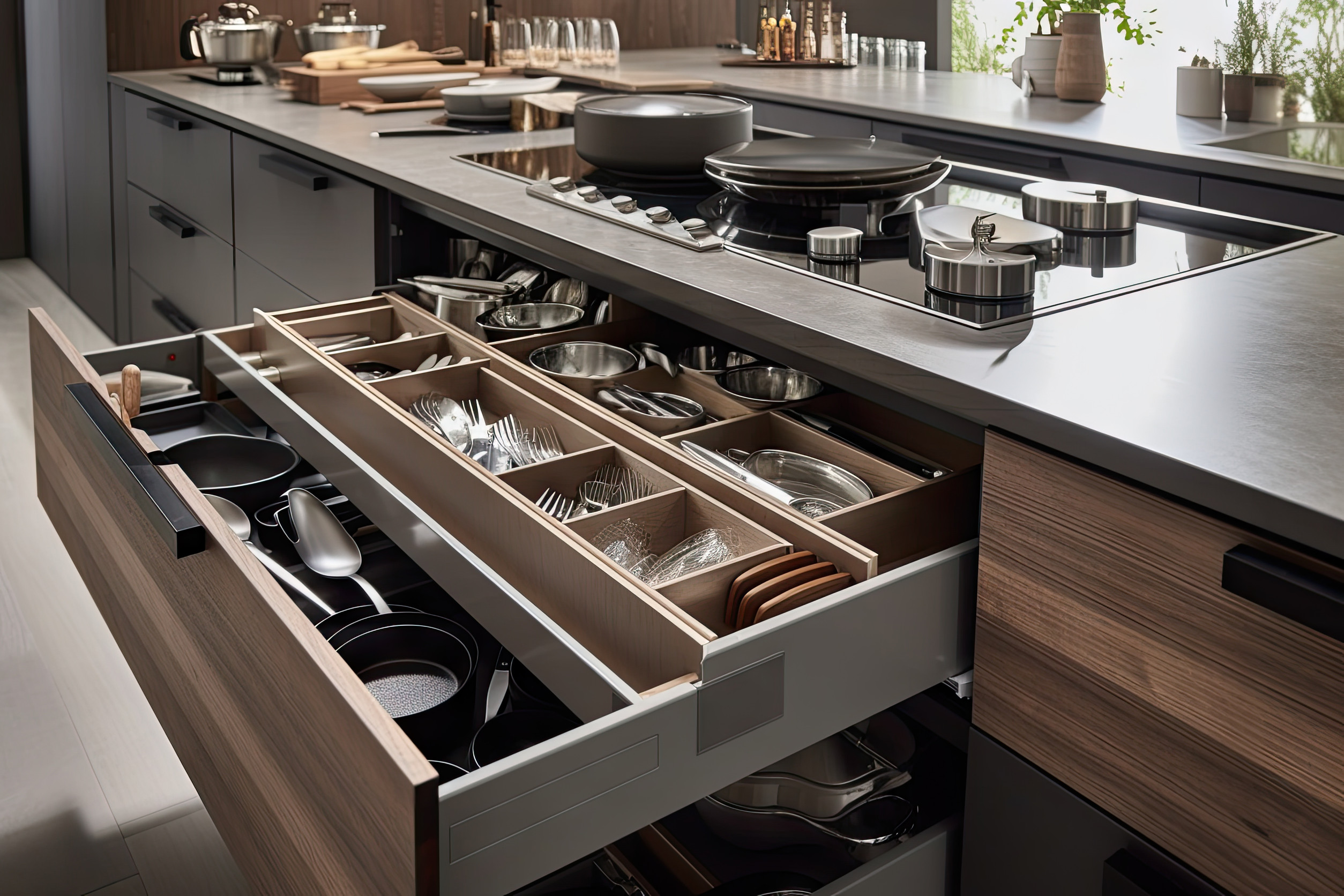
When you organize, it’s easy to fall into the trap of over-categorizing everything. Maybe you decide to organize your books by genre, color, and size, or you break down your wardrobe into an endless array of categories. While categorizing items can make sense, overcomplicating it with excessive categories can lead to confusion and, ultimately, frustration.
The more categories you have, the harder it becomes to remember where things are and how to put them back. Simple is often better. Rather than creating dozens of specific categories, focus on broader groups that make sense and that you can maintain. For example, instead of breaking down your wardrobe by color and style, consider organizing it by season and type casual, formal, etc.
This will make your systems easier to follow and maintain in the long run.
Hiding Clutter Behind Closed Doors
Out of sight, out of mind, right? Well, that’s one of the worst organizing myths out there. Storing clutter behind closed doors, whether in a closet, drawer, or storage container, might give you temporary relief, but it doesn’t solve the underlying issue of excessive stuff. What you hide behind those closed doors often just piles up, leading to disorganization when you finally open them.
Sticking to One Organizational Method for Too Long
Organizing trends come and go, and what worked for you a few years ago might no longer be practical. Sticking to a single organizational method for too long without reevaluating it can result in inefficiency and disorganization.
As your lifestyle changes, so too should your organizing systems. For instance, the way you organized your home when you lived alone may not work once you have a family, or what worked for your single-bedroom apartment may not be the best fit for a larger house.
Trying to Fit Everything into One Space

A common organizing mistake is the belief that everything must fit neatly into one space. You might be determined to squeeze every book, knick-knack, and piece of furniture into a small room in order to maximize space. But this approach can backfire, making the space feel cramped and unlivable.
Overly Complicated Storage Solutions
We’ve all seen the sleek, complicated storage solutions promised by organization gurus. There’s no shortage of products designed to help organize everything from drawers to closet shelves that pop out, drawers with hidden compartments, and rotating bins. While these items can be useful, they can also end up being more trouble than they’re worth.
Complicated storage systems might look like a dream, but in reality, they can quickly become frustrating to use. The more complex the system, the more time it will take to access what you need. Instead of investing in the latest high-tech storage solutions, simplify your approach with practical, easy-to-use storage items.
A few good, sturdy shelves, baskets, or containers are all you need to keep your space organized without overcomplicating things.
Ignoring the Need for Flexibility
Sometimes, we create organizing systems that work well in the short term but fail to adapt as our needs evolve. Maybe you’ve organized your closet by season, but as the seasons change, you find it hard to keep up with the shifts. A rigid system that doesn’t allow for flexibility will ultimately lead to frustration.
Over-Reliance on Storage Bins and Containers

While storage bins and containers are excellent tools, an over-reliance on them can be counterproductive. Simply tossing everything into a container without considering its use or frequency can make finding things difficult and slow down your everyday routine. Additionally, overstuffed bins tend to get buried under other items, making it even harder to locate what you need.
Conclusion
Remember, the best systems are simple, flexible, and adaptable to your needs. By eliminating unnecessary storage, avoiding complex methods, and regularly maintaining your organization, you can create a home that feels organized without overwhelming you.
Ultimately, the secret to a truly organized home is balance. Keep things simple, maintain what works, and don’t overthink the process. Organizing should reduce stress, not create more. So, next time you tackle your home’s clutter, take a step back and ask yourself: Is this solution working for me? If it’s not, it’s time to make an adjustment.
Read the original Crafting Your Home


