

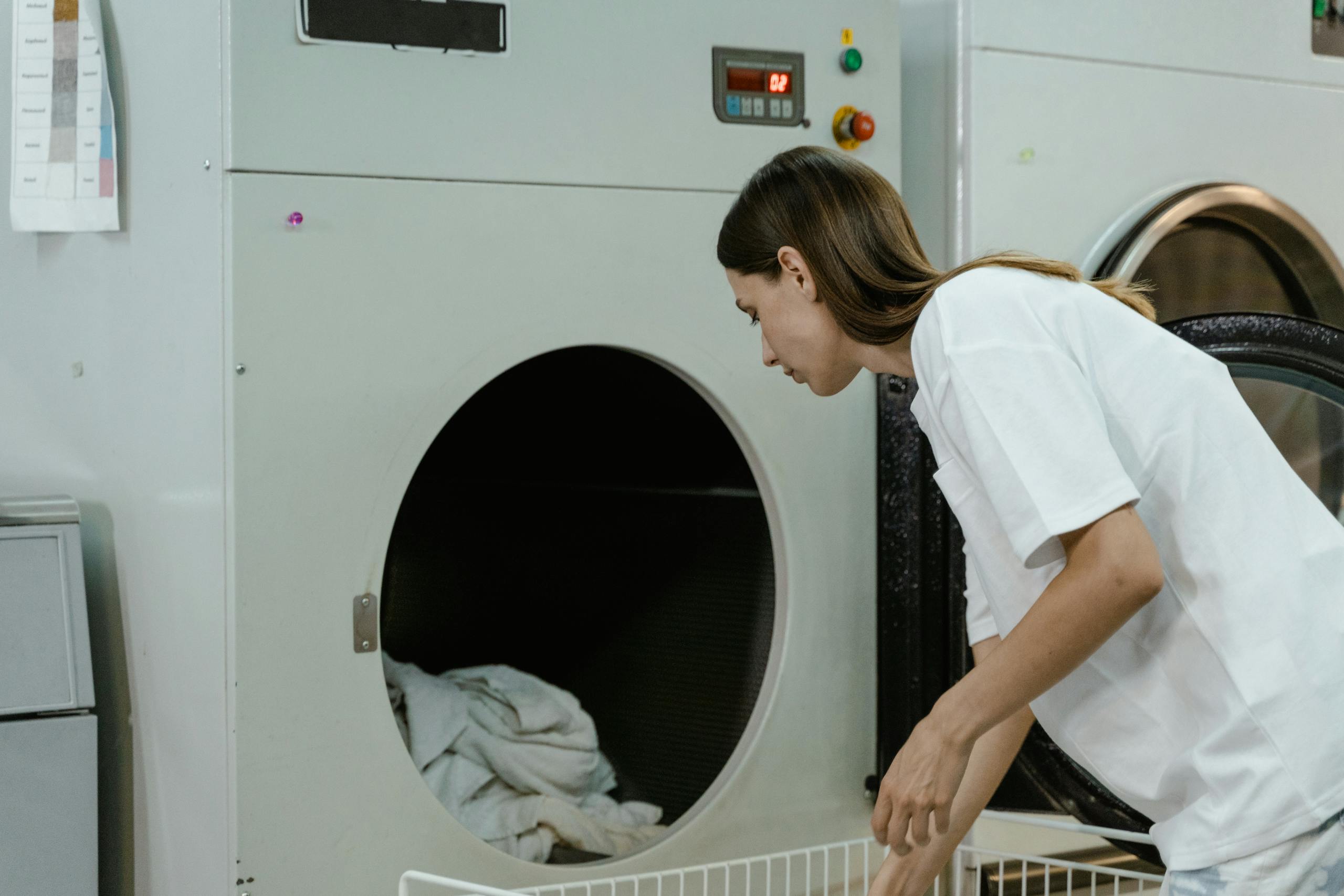
Washing machines are indispensable appliances that effortlessly clean everything from your favorite shirts to the kids’ soccer uniforms. Unfortunately, many homeowners unknowingly sabotage their machines by tossing in items they shouldn’t put through the wash. Not only does this lead to a less-than-stellar clean, but it can also cause irreparable damage to your washer, costing you both time and money.
In this article, we’ll dive into the eight common culprits that could destroy your washer and drain your wallet.
Heavy Bedding and Comforters
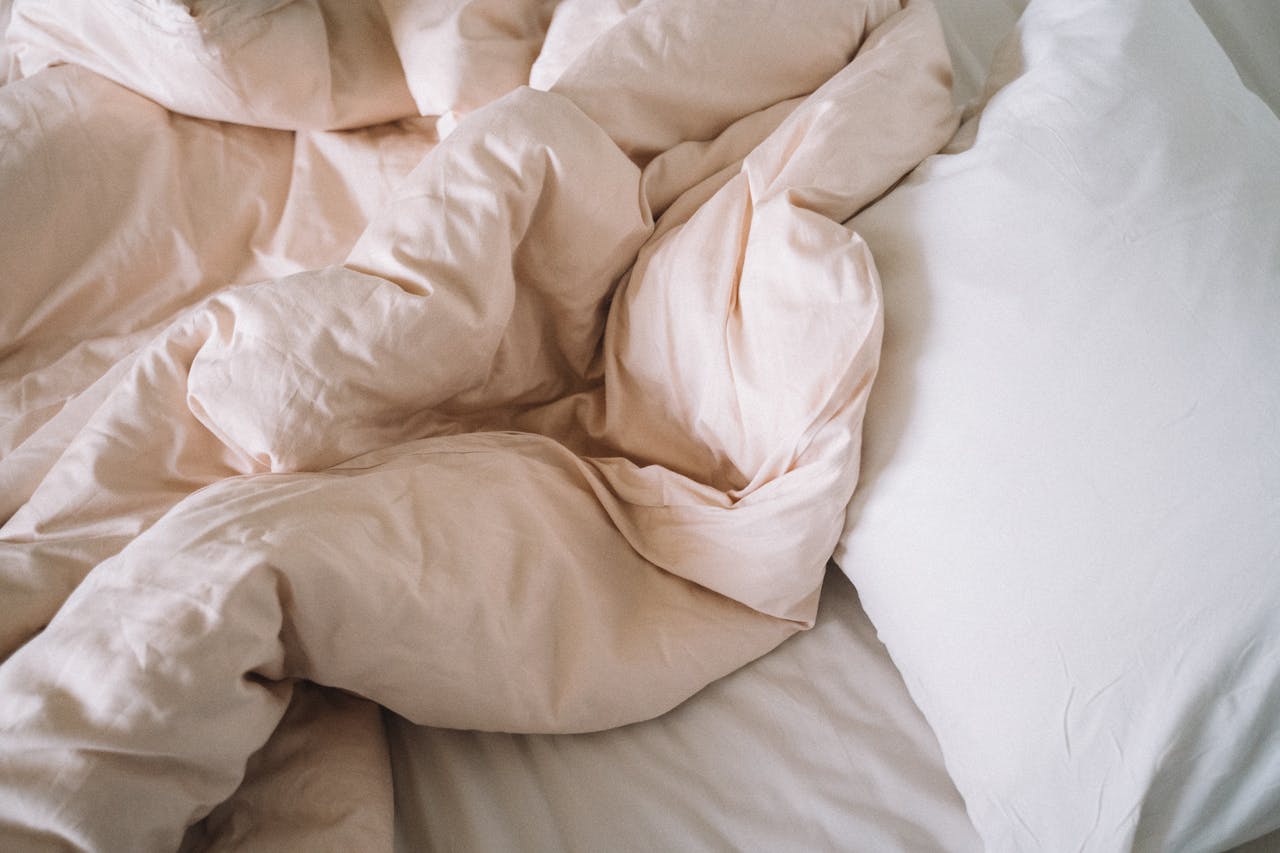
While it might seem tempting to throw your king-sized comforter or duvet into your washing machine, these bulky items can wreak havoc on your washer. Bedding is often too large and heavy for most machines, especially front-loaders, which can become unbalanced and damaged during the wash cycle. When overloaded, your washer has to work harder to keep up, leading to excessive wear and tear on the drum, motor, and suspension system.
Furthermore, washing heavy bedding with other items can cause improper wash cycles, leaving your bedding partially wet or unclean. To preserve your washer’s integrity, always check your machine’s capacity before washing bulky items. For large comforters, it’s better to visit a laundromat that has industrial machines designed for heavy-duty loads.
Towels and Clothes with Excessive Lint
While towels are an essential part of laundry day, excessive lint from them can harm your washer. Towels tend to shed a significant amount of lint, which can collect in your machine’s filter, clog the drainage system, and cause the machine to work harder. This buildup can eventually lead to drainage issues or even more severe mechanical failure.
Coins and Small Items Left in Pockets

We’ve all been there: the last-minute laundry load, and you forget to check the pockets. Coins, keys, and small objects can do more than just create a mess in your washer. When left in pockets, these hard objects can bounce around inside the drum, damaging the drum’s interior, scratching the surface, or even breaking internal components.
Additionally, coins can clog the drain pump, preventing proper drainage and causing your washer to malfunction. It’s essential to check pockets thoroughly before washing any load, especially when dealing with children’s clothes or jackets that might hide coins or small toys.
Zippers, Hooks, and Other Sharp Objects
Zippers, hooks, and other metal hardware are more than just nuisances for your washer; they’re silent destroyers. Zippers can easily snag on the drum’s interior, causing scratches and dents. They may also damage delicate fabrics, creating unsightly tears or holes in your clothes. Meanwhile, hooks (commonly found on bras, for example) can catch on the agitator or the drum, potentially damaging both the clothing and the machine’s parts.
Rubber-Backed Mats
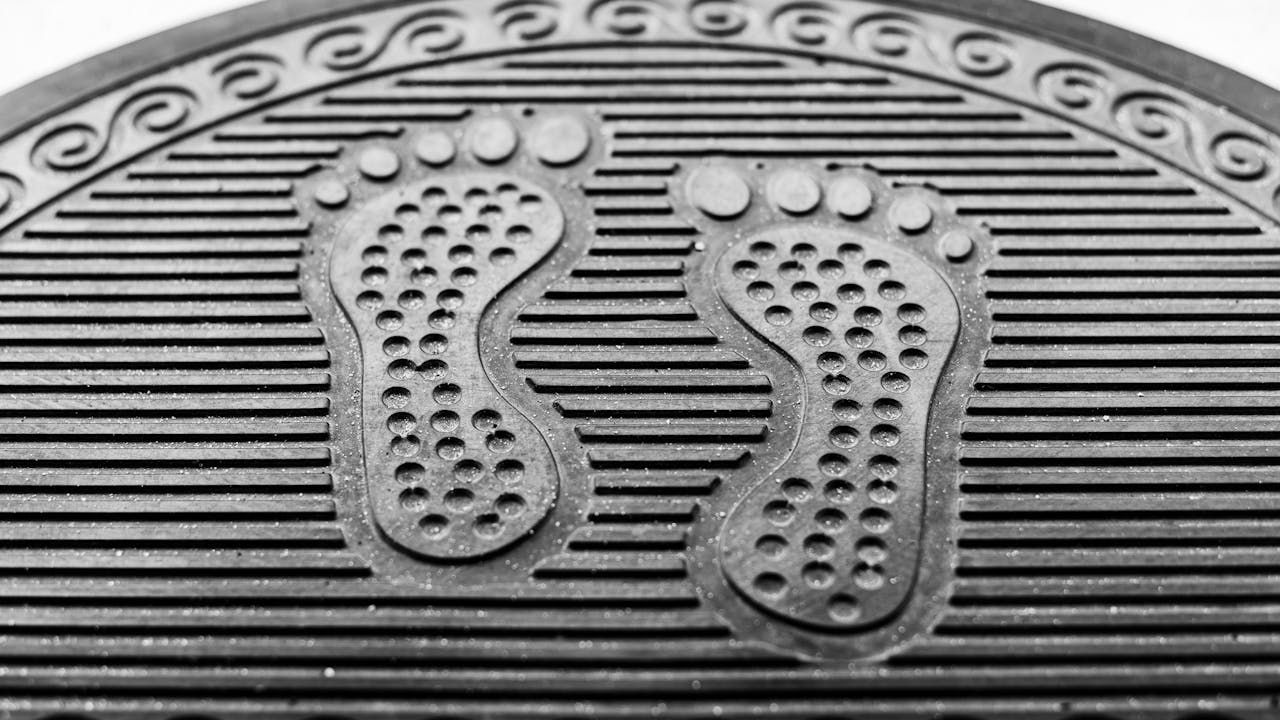
Rubber-backed mats, like bathroom rugs or some kitchen mats, should never go through your washing machine. These mats can damage the drum and agitator with their weight and rigid backing, especially in top-load washers. The rubber backing can also degrade during washing, leaving a sticky residue that may clog the machine’s drainage system.
Delicate Items Without Protection
While delicate fabrics like lace, silk, and wool can survive a gentle wash, they still require protection. Throwing these items into the wash without a protective garment bag increases the chances of damaging both the fabric and your machine. These materials are prone to stretching, warping, or fraying, especially when exposed to the powerful agitation in your washer.
Hairy Items Like Pet Blankets
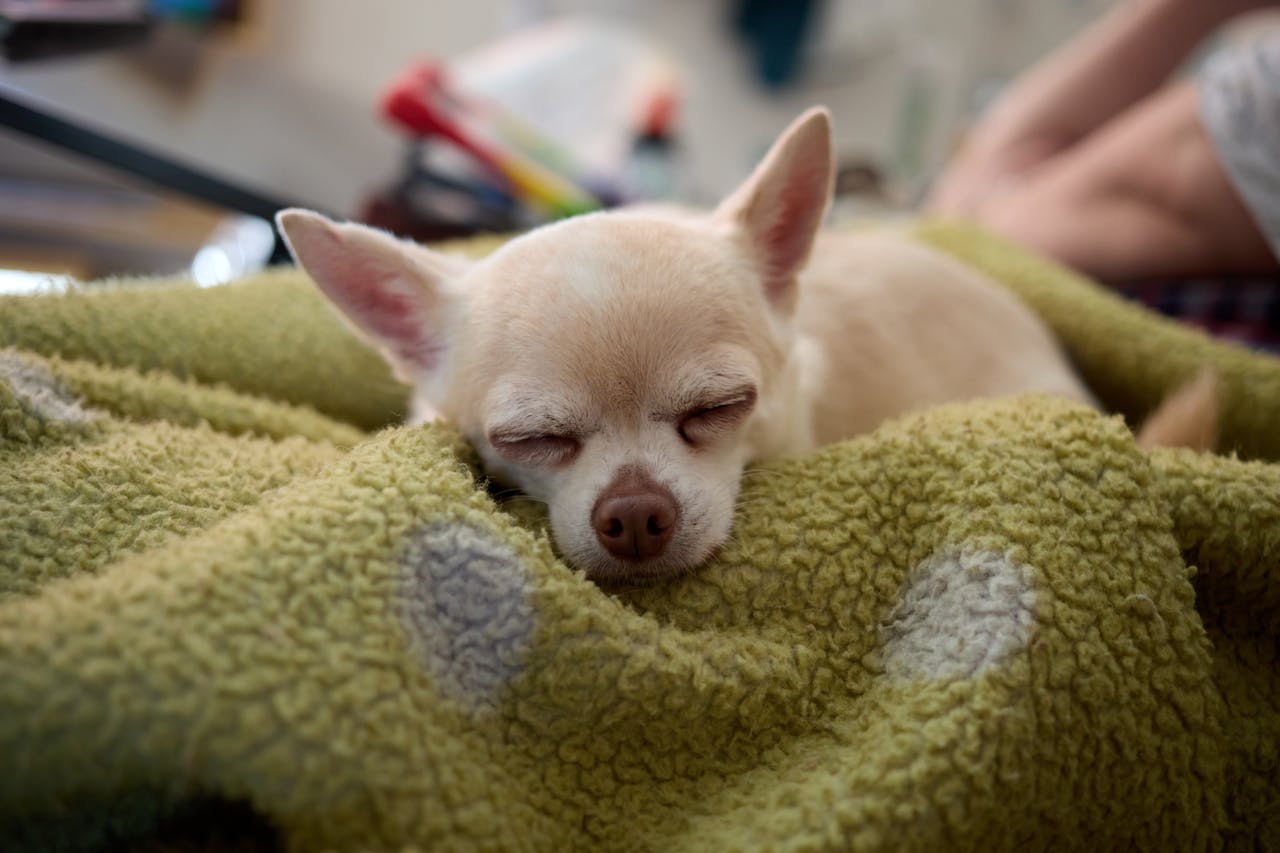
If you have pets, you know how much hair they shed. Unfortunately, when you wash items like pet blankets or stuffed animals, the fur can easily clog your washer’s drain and pump. The hair can form clumps, creating blockages that will prevent the water from draining properly. If left untreated, this buildup can lead to an expensive repair.
Unwashed Gym Clothes with Excessive Sweat
Gym clothes are often drenched in sweat, which can lead to an unpleasant odor if not washed properly. However, placing heavily sweat-soaked items directly into your washer without pre-treating them can damage the washer’s interior, leaving behind unpleasant smells that could cling to your clothes after the cycle. The salt and oils in sweat can also accumulate over time, causing the drum and interior parts of your machine to deteriorate.
Key Takeaway
A washing machine is an investment, and taking care of it should be a top priority. By avoiding these eight items that could destroy your washer, you can prolong its life and save yourself from costly repairs. From heavy bedding to pet hair-filled blankets, taking the time to inspect your laundry load and follow proper washing procedures can save you significant headaches (and money) down the road. Protect your washer, and it will continue to serve you efficiently for years to come.
Read the original Crafting Your Home.


