


In recent years, minimalism has taken the design world by storm, promising clean spaces, less clutter, and a focus on the essentials. While this aesthetic has garnered widespread appeal, especially in American homes, it’s not all sunshine and serenity.
What was once a design movement grounded in simplicity has evolved into a trend that may be stripping homes of the very essence that makes them warm, inviting, and personal. Minimalism, when done right, can be peaceful and calming, but many homeowners have gone too far in their pursuit of “less.”
Instead of fostering a sense of serenity, these nine shocking minimalist trends are causing American homes to feel cold, impersonal, and downright empty. Here’s a look at how these trends are killing the warmth and soul of our homes.
Too Much White: The Coldness of the Overused Neutral

The color white has become synonymous with minimalism, as it’s often seen as the perfect neutral, bright, clean, and calm. However, when used excessively, white can drain a space of warmth and personality. White walls, white furniture, white floors, and white accessories might look sleek in a design magazine, but they often leave a space feeling sterile, lifeless, and uninspiring.
Bare Walls: The Loss of Personal Touches
Minimalist spaces are often characterized by bare, unadorned walls, with little to no artwork or decor. While this trend initially appeals to those seeking a clean, uncluttered look, it can make a home feel empty and devoid of character. Personal photos, artwork, and mementos are what make a space feel lived in, meaningful, and uniquely yours.
When you strip away personal touches, you risk transforming your home into something that looks more like a showroom than a place of comfort and connection. A minimalist approach to wall decor doesn’t mean you have to eliminate artwork completely; it just means being more intentional with what you choose to display.
Incorporating meaningful pieces, like family portraits or your favorite paintings, adds personality without overwhelming the space.
Furniture That Is All Function, No Form

One of the primary principles of minimalism is that everything in the home should serve a purpose. While functional furniture is undoubtedly important, when everything in a home is reduced to bare essentials, the space can begin to feel utilitarian and uninspired.
Chairs, tables, and couches that serve only their most basic functions, without considering comfort or style, can create a space that feels more like an office than a home.
Open Shelving That Exposes Clutter
Lack of Textures: The Dangers of Flat, Lifeless Spaces
Monotony in the Color Palette
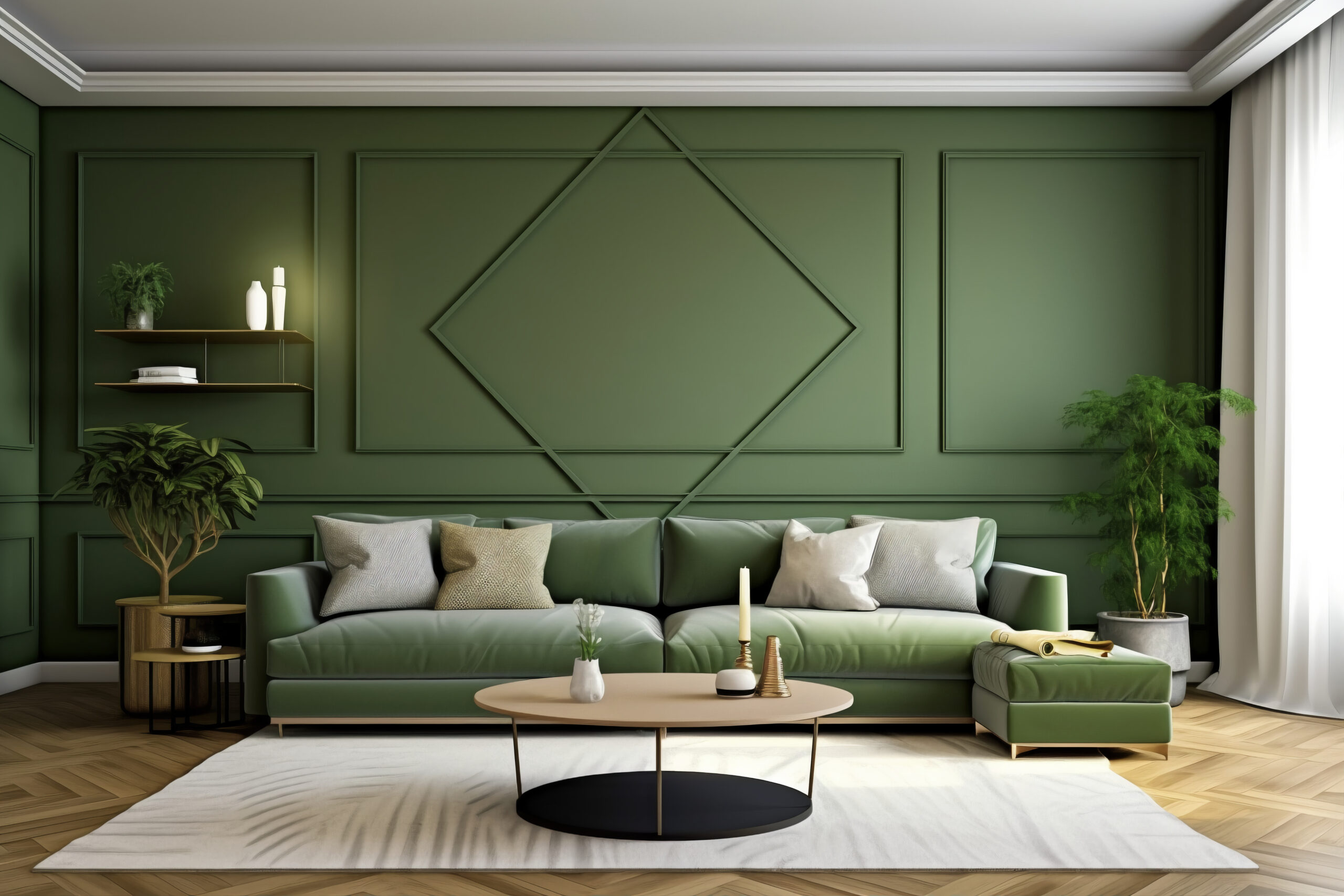
Minimalism often relies on a neutral color palette, beiges, whites, and grays, to create a calming, serene environment. While this approach is great for maintaining visual coherence, it can also lead to a monotonous, uninspiring space if the colors are too similar across the home.
A room painted entirely in shades of gray, for example, may feel flat and lack the warmth and vibrancy of a more diverse color scheme. Rather than sticking rigidly to one color family, consider introducing subtle contrasts in your palette.
Deep blues, warm earth tones, and even muted metallics can add richness and personality to the space without disrupting the minimalist aesthetic. A well-thought-out color scheme can elevate a room from bland to beautiful while still maintaining a minimalist vibe.
Focusing Too Much on Space, Not Enough on Function
Minimalism often prioritizes open space and sparse furnishings, leaving rooms feeling unnecessarily empty. While it’s true that an open, airy space can feel liberating, too much space without purpose can feel like a vast, barren expanse. Rooms designed with an emphasis on open space and minimal furniture may lose their coziness and functionality, leaving inhabitants feeling detached rather than comfortable.
Excessive Symmetry: Where’s the Personality.
Minimalism often emphasizes symmetry, furniture arranged in perfect alignment, art framed at equal heights, and decorations placed with exact precision. While symmetry can create a sense of order, an over-reliance on it can make a room feel too rigid and formulaic. The absence of playful, imperfect elements can stifle creativity and make a space feel void of personality.
The ‘Less Is More’ Mentality Taken Too Far
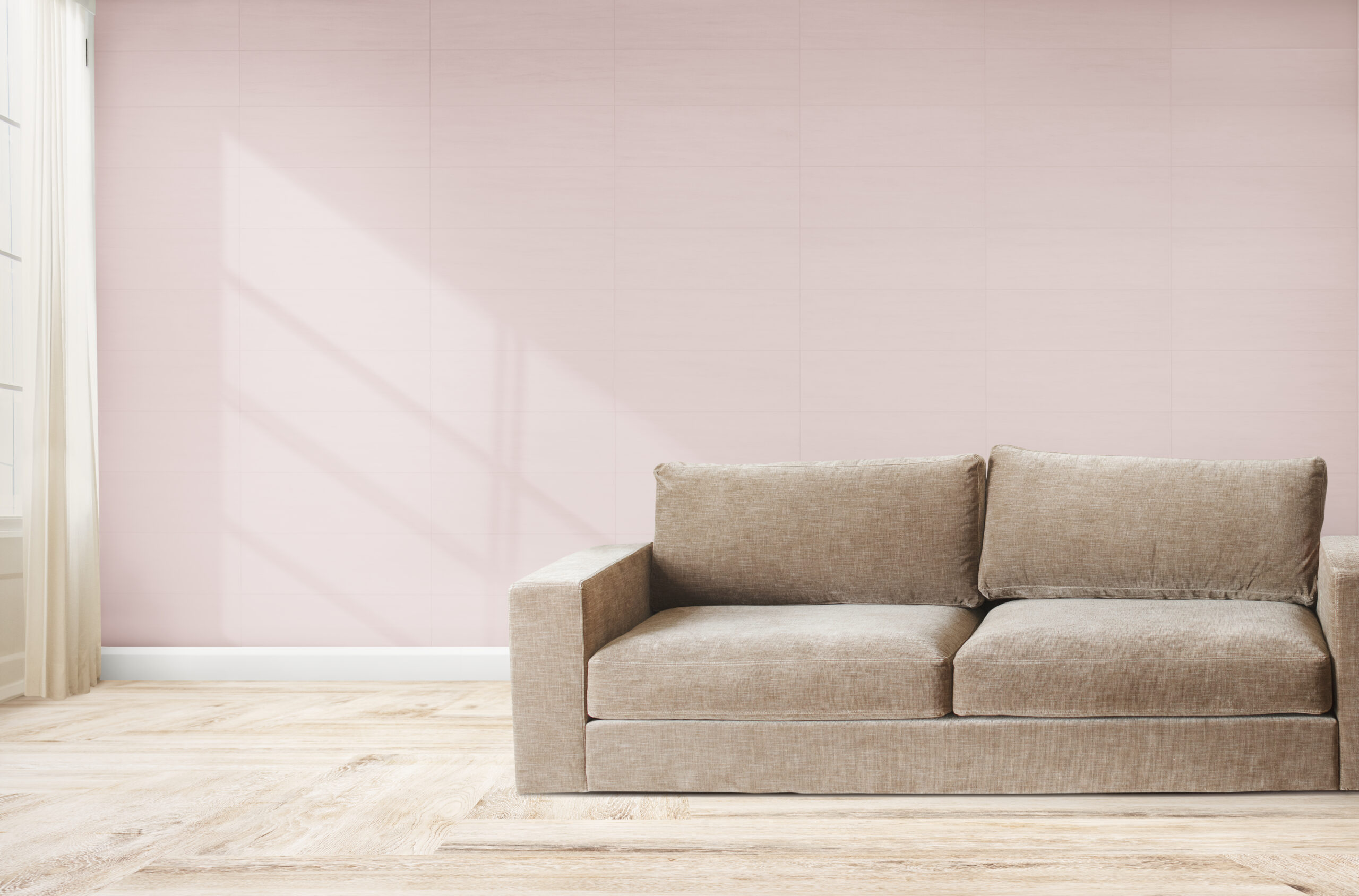
Minimalism’s core principle, “less is more,” encourages a focus on quality over quantity. However, when taken to extremes, this mentality can create an empty, impersonal environment. Stripping away too many elements can result in a space that feels sterile, like a showpiece rather than a lived-in home.
Conclusion
So, before you embrace the next minimalist trend, ask yourself: Does this make my space feel like home, or am I sacrificing the soul of my house in pursuit of the perfect minimalist look? Finding that balance is the secret to making your minimalist home both beautiful and lived-in.
Read the original Crafting Your Home.


