When it comes to household habits, many of us go about our daily routines without a second thought. After all, what could possibly be wrong with turning on a few lights, flushing the toilet, or running the dishwasher? However, certain everyday practices in our homes can land us in hot water, or worse, result in fines in certain states.
From wasting water to neglecting proper waste disposal, these household habits may not seem like much, but they can violate local ordinances and cost you a pretty penny. So, before you continue with your seemingly harmless habits, it’s worth checking whether you might be unknowingly breaking any laws.
Here are eight household habits that could get you fined in some states.
Excessive Watering

A lush, green lawn is often seen as the crown jewel of a well-kept yard. But in certain parts of the U.S., water conservation laws are strict, and overwatering your garden could result in hefty fines. States like California, Nevada, and Arizona, where water is scarce, have enacted regulations that limit how much water you can use during certain hours or days.
: Watering restrictions are in place for a reason. Make sure to water your lawn responsibly by following your local watering schedules and using sustainable methods, such as drip irrigation.
Improperly Disposing of Old Appliances
Old appliances like refrigerators, washing machines, and air conditioners can be expensive to replace, so it might seem tempting to just leave them out with the trash when it’s time for a new one. But in some states, improper disposal of large household appliances is illegal, and you could face a fine.
In states like California, New Jersey, and Washington, laws dictate how to dispose of old appliances, particularly those containing harmful substances like Freon (a refrigerant used in refrigerators and air conditioners). Improper disposal can contaminate the environment, and local governments require that these items be taken to a recycling center or a designated disposal facility to prevent damage to the ecosystem.
Improper Waste Disposal
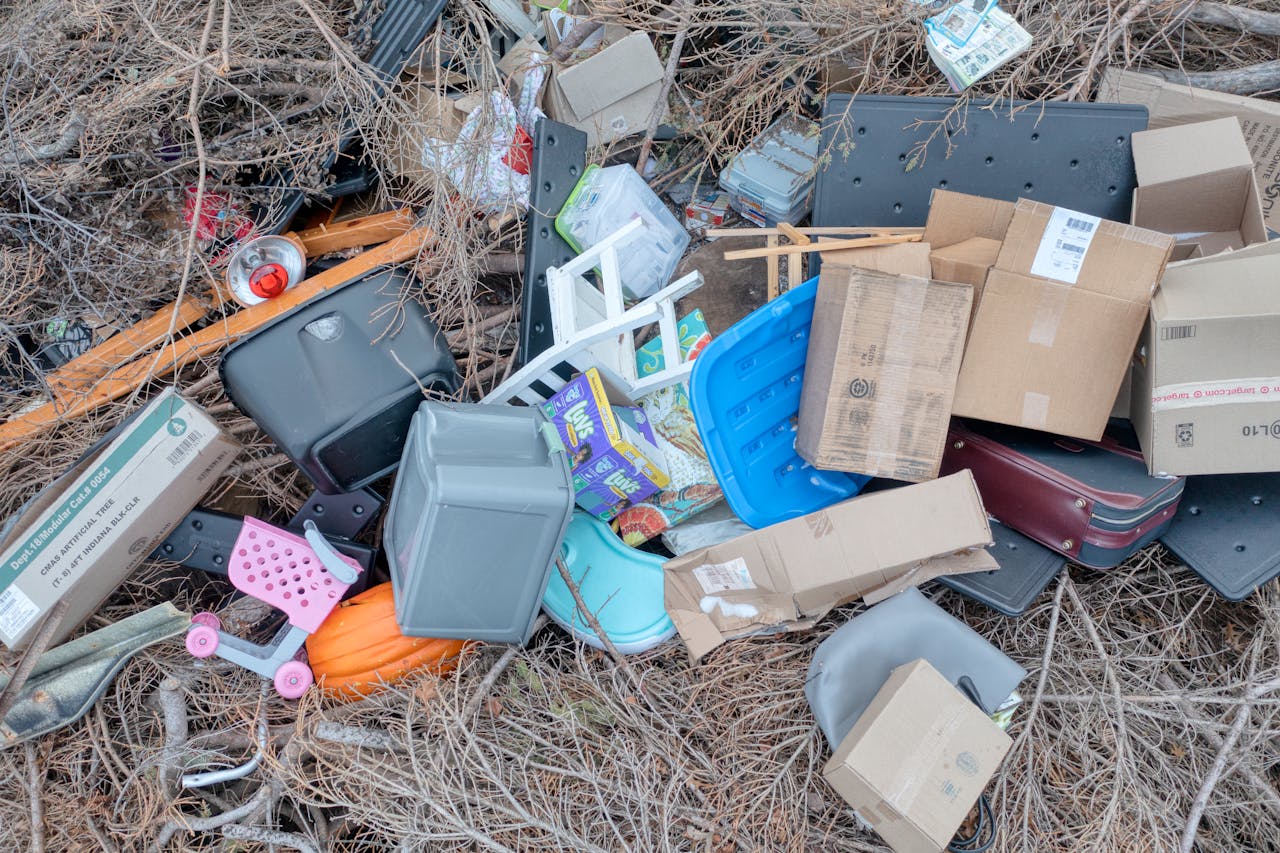
We’ve all been guilty of tossing things into the trash without thinking too much about it, but in some states, improper disposal of certain items can get you into legal trouble. For instance, many states, including California, New York, and Massachusetts, have strict rules about disposing of hazardous household waste, such as batteries, paint, and electronics.
Throwing these items into the regular garbage rather than taking them to designated disposal centers can result in significant fines. This is because certain materials can leach harmful chemicals into the environment, polluting water supplies or contributing to toxic landfills. Some states also regulate food waste disposal, requiring residents to compost or separate it from general trash, with penalties for noncompliance.
Familiarize yourself with your local waste-disposal regulations, especially those regarding hazardous or organic waste. Being careless could not only harm the environment but also put you at risk of financial penalties.
Failing to Clean Up After Pets
Owning a pet is a joy for many, but it comes with its responsibilities. One of those responsibilities, which seems straightforward, is picking up after your dog during walks. However, neglecting to do so can land you in legal trouble, especially in states with strict pet waste laws.
In places like California, New York, and Illinois, pet owners can face fines for failing to clean up after their dogs in public areas or even on their own property. These laws are designed to prevent the spread of harmful bacteria and keep public spaces clean.
Fines for leaving pet waste behind can range from a small fine to hundreds of dollars, depending on the area. Always clean up after your pet, both in public spaces and at home. It’s not just about being a responsible pet owner; it’s the law in many states.
Excessive Noise
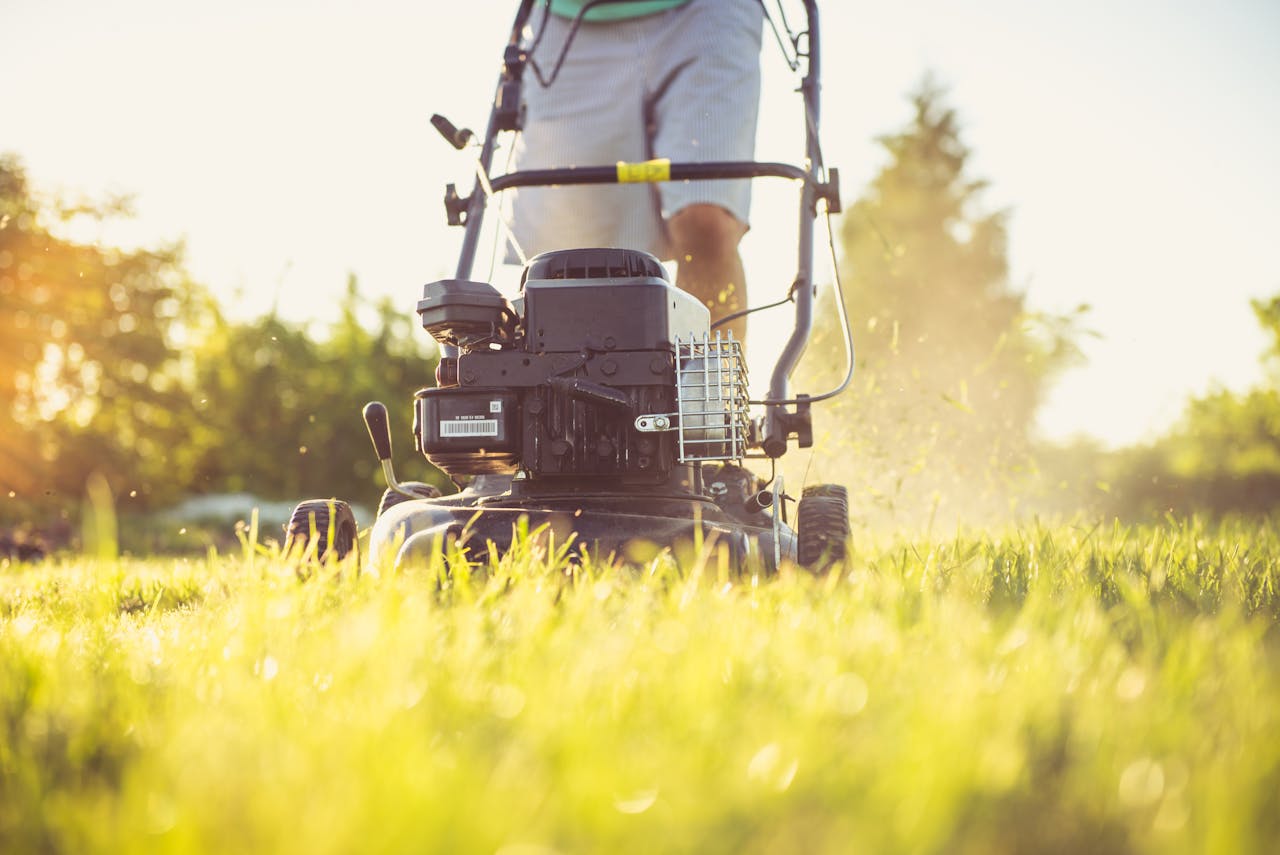
Most people know to avoid blaring loud music or having boisterous parties late into the night. But did you know that certain states have stringent noise ordinances that could result in fines if violated? States like New York, California, and even Florida have strict noise-control laws that regulate lawn mowers, air conditioners, and music levels during the day.
In many municipalities, noise levels are closely monitored, especially in residential areas. If you’re hosting a party or performing noisy work around the house, make sure you’re aware of local noise restrictions. Fines can range from a few hundred dollars to thousands of dollars, depending on the duration of the disturbance and the property’s location.
Leaving Your Trash Cans Out Too Long
Most people set their trash out on the curb the night before pickup, but some cities and states have strict ordinances about when trash cans can be left outside. In places like Seattle, San Francisco, and Chicago, leaving your trash cans out too long after collection could result in a fine.
Excessive Heating or Cooling
Keeping your home at a comfortable temperature is something most of us take for granted. However, in states facing environmental pressures such as California, Colorado, and Washington, there are increasing efforts to curb energy consumption. As a result, you could face fines for excessive heating or cooling, especially if you’re running systems like air conditioners or heaters for long periods of time without making efficient use of energy.
Local ordinances may require homeowners to take energy-saving measures, such as ensuring doors and windows are properly sealed or setting thermostats to energy-saving temperatures during certain hours. Failure to comply with these energy-saving laws could result in fines meant to encourage residents to use energy more efficiently.
Illegal Home-Based Businesses

Running a home-based business can be an appealing way to save on rent and start a side hustle. But in some states, operating a business out of your home without the proper permits can result in significant fines. Even small ventures, like offering daycare services, running an online store, or providing repair services, may require local business licenses or zoning approvals.
In states like California, New York, and Florida, zoning laws are particularly strict, and some residential areas are designated solely for residential use. Violating these zoning laws by operating a business without the proper permits could result in fines and even forced closure. Always check local laws before starting a home-based business to avoid legal trouble.
Conclusion
It’s easy to fall into the habit of assuming that what you’re doing at home is harmless, especially when it’s a routine you’ve been following for years. But with so many state-specific laws regulating household behavior, it’s important to stay informed and avoid practices that could result in fines.
Whether it’s excessive water usage, improper waste disposal, or even running a home business without the necessary permits, being mindful of local laws can save you from costly mistakes. Remember, the cost of a little knowledge today is much less than the price of a fine down the road.
Read the original Crafting Your Home.