


We’ve all been there: the temptation of an impulse buy, the allure of that shiny new gadget, or the promise of an experience that’s just too good to pass up. However, many of these seemingly harmless purchases can quietly drain your bank account over time, leaving you wondering where all your money went. The truth is, some spending habits can easily slip under the radar, quietly sabotaging your financial goals.
In this article, we’ll explore eight common purchases that are often overlooked but have a significant long-term impact on your finances.
Subscription Services That Pile Up
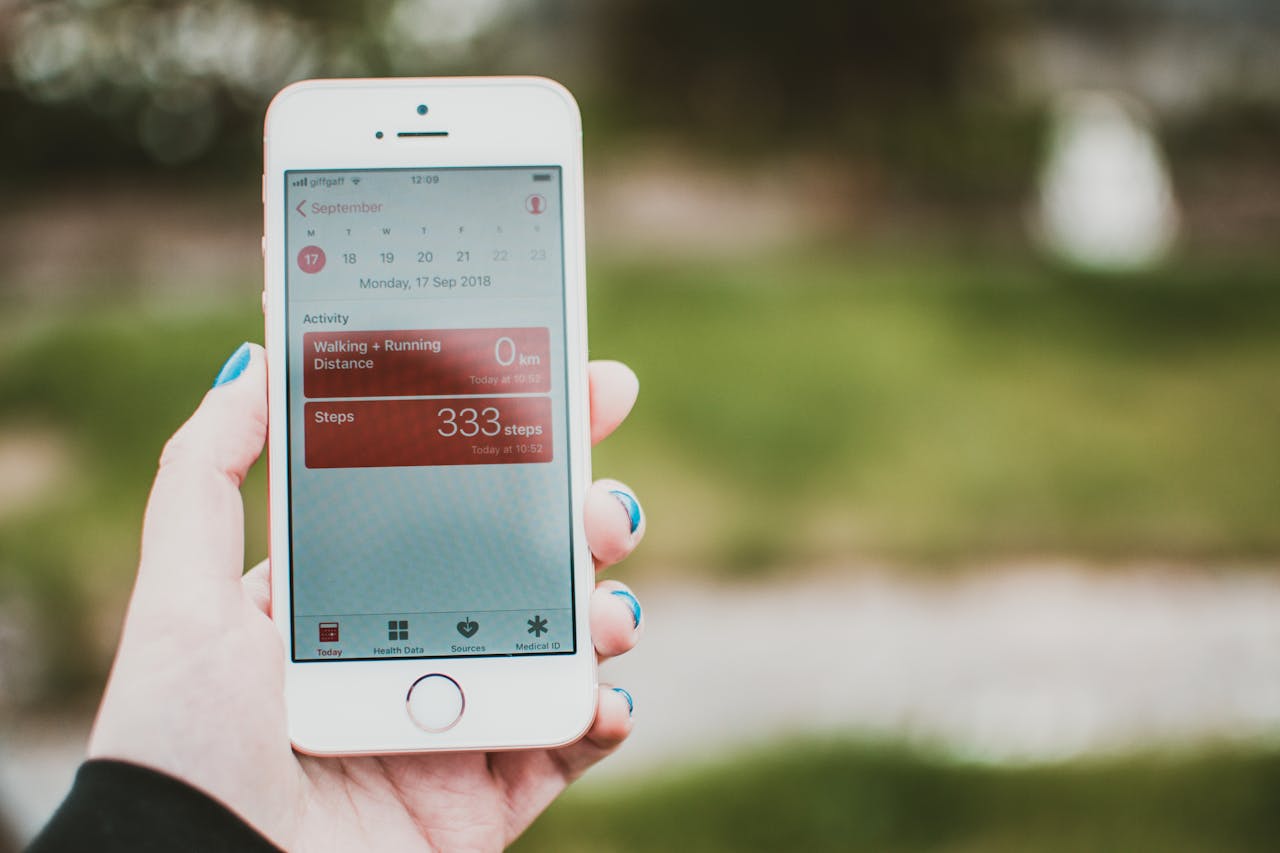
Subscriptions have become one of the easiest ways for businesses to keep their money flowing. Whether it’s streaming services, fitness apps, or digital magazines, these small, recurring charges can add up quickly. The convenience of automatic renewals makes it easy to forget about them altogether.
And yet, you could be paying for services you no longer use, or ones that don’t offer enough value for what you’re spending. Experts say that many people forget to regularly audit their subscriptions, leading to “subscription fatigue.” You might find yourself holding onto a streaming service that you’ve barely touched in months, or a gym membership that you’ve never used.
Combine several of these small monthly payments, and they can secretly drain hundreds, even thousands of dollars per year. To combat this, regularly assess your subscriptions and cancel any that no longer serve you.
Brand-New Gadgets and Tech
We live in an age where new gadgets are constantly hitting the market, from the latest smartphone to smartwatches, home assistants, and other tech innovations. The excitement of owning the newest, most advanced device can be hard to resist, but these gadgets come at a hefty price. It’s not just the initial purchase cost; the ongoing need to upgrade to the latest version only adds to the financial drain.
Tech enthusiasts often fall into the trap of upgrading their devices before the old ones have fully served their purpose. A new phone, tablet, or gaming console can cost anywhere from $500 to $1,000 or more. If you’re always chasing the latest tech, you’re constantly spending money on upgrades, warranties, and accessories.
Rather than succumbing to the pressure to own the latest and greatest, consider whether your current device still meets your needs. Extending the lifespan of your gadgets can save you hundreds of dollars each year.
Fast Food and Takeout

While grabbing takeout or hitting the drive-thru might seem like a time-saver, the financial toll of eating out frequently is much higher than many realize. What starts as the occasional dinner out can easily turn into a daily habit, especially if you’re constantly in a rush. A $10 lunch here, a $15 dinner there, these costs can quietly eat away at your monthly budget without you even noticing.
Costly Impulse Purchases at the Checkout
We’ve all experienced the urge to grab a few extra items while standing in the checkout line. It’s easy to toss a candy bar, a magazine, or a coffee into your basket as you wait to pay, thinking it’s no big deal. However, these small impulse buys can add up over time and drain your account faster than you might think.
Overpriced Designer Clothing and Accessories

Luxury brands and designer items have a certain allure, often being associated with prestige and status. However, these high-end purchases come with a steep price tag that can leave a lasting dent in your finances. Many people justify the cost by telling themselves that a luxury item is an investment, but that’s not always the case.
While designer items might look great and offer a sense of exclusivity, they rarely deliver significant value. A designer handbag, a pair of high-end shoes, or a luxury watch can easily cost several hundred, even thousands of dollars.
Unfortunately, these items often lose value the moment you purchase them, making them a poor investment for your long-term financial health. Instead of splurging on luxury items, consider shopping for quality items from more affordable brands that still offer durability and style without the excessive markup.
Unused Gym Memberships
A gym membership is a common purchase that many people sign up for with the best of intentions, only to abandon it within a few months. It’s easy to think that a gym membership will help you get fit, but if you’re not actually using it, it’s a waste of money. On average, people spend $50–$100 per month on gym memberships, and most visit only a handful of times each year.
Unnecessary Home Improvements

Homeownership is often viewed as an investment, but it’s easy to fall into the trap of overspending on home improvements that don’t significantly add to the value of your property. From lavish kitchen remodels to high-end bathroom fixtures, these projects can quickly add up, often costing more than they’re worth in terms of return on investment.
The ‘All-Inclusive’ Vacation Packages
While the idea of an all-inclusive vacation might sound like the perfect escape, these packages often come with hidden fees and overpriced amenities that can quickly drain your wallet. While the up-front cost may seem reasonable, it’s important to remember that the all-inclusive experience doesn’t always live up to expectations. Overpriced meals, activities, and excursions that you didn’t plan for can quickly add up.
Conclusion
While we all enjoy a little indulgence now and then, the key to long-term financial health lies in making mindful, intentional spending decisions. The purchases mentioned above, whether it’s recurring subscriptions, impulse buys, or costly designer items, can easily drain your bank account if you’re not careful. By being aware of these financial pitfalls and actively avoiding them, you can free up more money to save, invest, and achieve your financial goals.
Remember, it’s not about depriving yourself of the things you enjoy, but about being strategic and aware of where your money is going. With a little planning and conscious decision-making, you can maintain a healthy balance between enjoying life’s pleasures and securing a financially stable future.
Read the original Crafting Your Home.


