


Relationships are supposed to nurture, uplift, and inspire growth, but sometimes, they can devolve into something toxic and all-consuming. When love starts to feel more like an addiction than a healthy bond, it can be incredibly hard to recognize. We often romanticize the idea of being “obsessed” with someone or “lost” in love, but what happens when those feelings spiral into a cycle of dependency, emotional exhaustion, and insecurity?
An addictive relationship is characterized by unhealthy dynamics where one or both partners rely on each other in a way that isn’t sustainable. It often involves manipulation, control, emotional highs and lows, and an intense need for validation from the other person.
The most dangerous part? It can be incredibly difficult to recognize the signs, especially when you’re emotionally invested. If you’ve ever wondered if your relationship is more toxic than you realize, here are 9 alarming signs that you might be trapped in an addictive relationship.
You Feel Constantly Anxious or Uncertain

One of the most telling signs that you’re in an addictive relationship is the constant sense of anxiety or unease. In a healthy relationship, you should feel emotionally supported, loved, and secure. But in an addictive dynamic, you find yourself on edge, questioning your partner’s feelings, second-guessing your actions, or worrying about their reactions to even the smallest things.
You Can’t Imagine Life Without Them
It’s natural to have strong feelings for your partner, but in an addictive relationship, the idea of life without them can feel unbearable, even if the relationship isn’t healthy. You might find yourself clinging to the relationship, convincing yourself that it’s the only thing that brings you meaning or purpose, even though it causes you pain and distress.
The Highs and Lows Are Overwhelming
In an addictive relationship, the emotional rollercoaster can be exhausting. One moment, you’re on top of the world, your partner is showering you with affection, and everything feels perfect. Next, you’re plunged into the depths of despair, unsure of where you stand or what went wrong.
These extreme emotional swings are a hallmark of an addictive relationship, where moments of intense closeness are followed by distance, confusion, and emotional pain. This pattern creates an environment where you’re constantly chasing that “high” or emotional rush, hoping things will go back to the way they were.
But as you chase that fleeting feeling, the lows become harder to handle, and the emotional strain only deepens. Over time, you find yourself holding on to the hope of those high moments, despite the toll the lows take on your mental and emotional health.
You Compromise Your Values and Boundaries

In a healthy relationship, both partners should respect each other’s boundaries, values, and needs. However, in an addictive relationship, you may begin to compromise your own values, beliefs, and boundaries just to keep the peace or to maintain the connection with your partner.
This could mean ignoring red flags, accepting poor behavior, or giving in to things you’re uncomfortable with, just to avoid conflict or maintain the relationship. You might find yourself sacrificing your own happiness, well-being, and principles, all for the sake of keeping your partner satisfied.
The problem is that over time, these compromises erode your sense of self-worth and can lead to resentment and emotional burnout. If you’re finding it difficult to stand firm in your boundaries, it’s a clear indicator that the relationship has shifted from healthy love to an unhealthy addiction.
You’re Constantly Seeking Validation
In an addictive relationship, validation from your partner becomes the center of your emotional existence. You might constantly seek reassurance that they love you, that you’re good enough, or that you’re meeting their expectations.
This constant need for validation can be emotionally draining, as you rely on your partner to define your self-worth rather than developing your own confidence and self-assurance. You may feel like you’re never truly seen or appreciated unless your partner is constantly affirming your value.
When you’re in a relationship based on addiction, you are emotionally dependent on their approval, and when you don’t receive it, the emotional fallout can be devastating. Over time, this need for constant validation can drain both partners, leading to a cycle of emotional exhaustion.
You Ignore Red Flags and Excuse Their Behavior
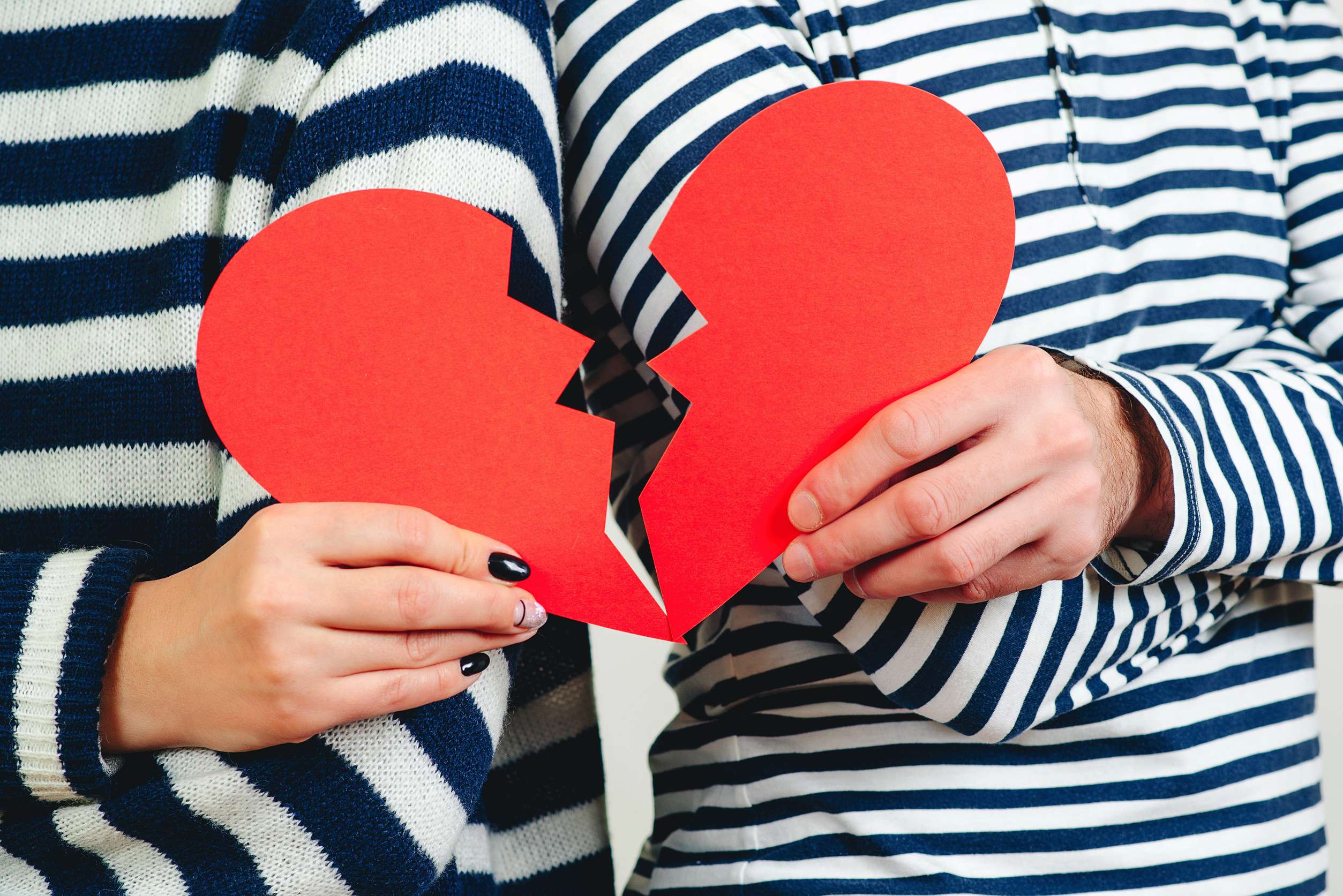
One of the most dangerous signs of an addictive relationship is the tendency to ignore red flags or justify your partner’s harmful behavior. Whether it’s emotional manipulation, controlling tendencies, or dishonesty, you may find yourself rationalizing or excusing their actions because you don’t want to face the truth.
You might tell yourself, “They didn’t mean it,” or “They’re just going through a tough time.” You convince yourself that their behavior is an exception, even if it consistently hurts you. When you’re emotionally addicted, you are more likely to turn a blind eye to your partner’s faults or mistreatment, making excuses for them to preserve the connection.
Unfortunately, this only perpetuates the toxic cycle, making it harder to break free.
You Feel Responsible for Their Happiness
In an addictive relationship, there’s often an unspoken belief that your happiness is tied to your partner’s happiness. You may feel responsible for their emotional state, thinking that you need to constantly make them happy or fix their problems. This sense of responsibility can lead to burnout, as you feel the weight of keeping the relationship afloat, often at the expense of your own well-being.
You Feel Like You’re Stuck in a Cycle of Hope
Hope is a powerful emotion, and in an addictive relationship, it can keep you trapped. You may find yourself holding on to the belief that things will improve or that your partner will change. You continue to invest time, energy, and emotional resources, hoping that one day, your partner will meet your needs, treat you better, or fulfill the promises they’ve made.
The issue with this is that your hope is often misplaced. The patterns of behavior in an addictive relationship rarely change without significant effort and commitment from both partners. Holding on to the hope of change keeps you stuck in the cycle, wasting time and emotional energy while you wait for something that may never happen.
It’s important to recognize when hope has crossed into delusion, and when it’s time to let go and move on.
You Feel Isolated from Friends and Family

An addictive relationship can isolate you from the people who care about you. You may find yourself withdrawing from friends and family and prioritizing your partner’s needs above all else. This isolation can be a form of control, where your partner encourages you to distance yourself from those who might influence you to see the relationship more clearly.
Conclusion
Addictive relationships can be incredibly difficult to break free from, but recognizing the signs is the first step toward healing. If you find yourself in a cycle of emotional dependency, seeking validation from your partner, and compromising your values, it’s crucial to take a step back and assess whether the relationship is truly serving you.
Remember that love should never be a source of anxiety, pain, or emotional exhaustion. A healthy relationship is built on mutual respect, understanding, and emotional independence. If you’re stuck in an addictive relationship, it’s essential to seek support from friends, family, or a professional counselor who can help you regain your emotional strength and guide you toward a healthier, more fulfilling life.
Breaking free from an addictive relationship is a difficult process, but it’s worth it for your mental and emotional well-being. Don’t let fear or guilt keep you trapped in a cycle of toxicity. Your happiness and peace are worth fighting for.
Read the original Crafting Your Home


