

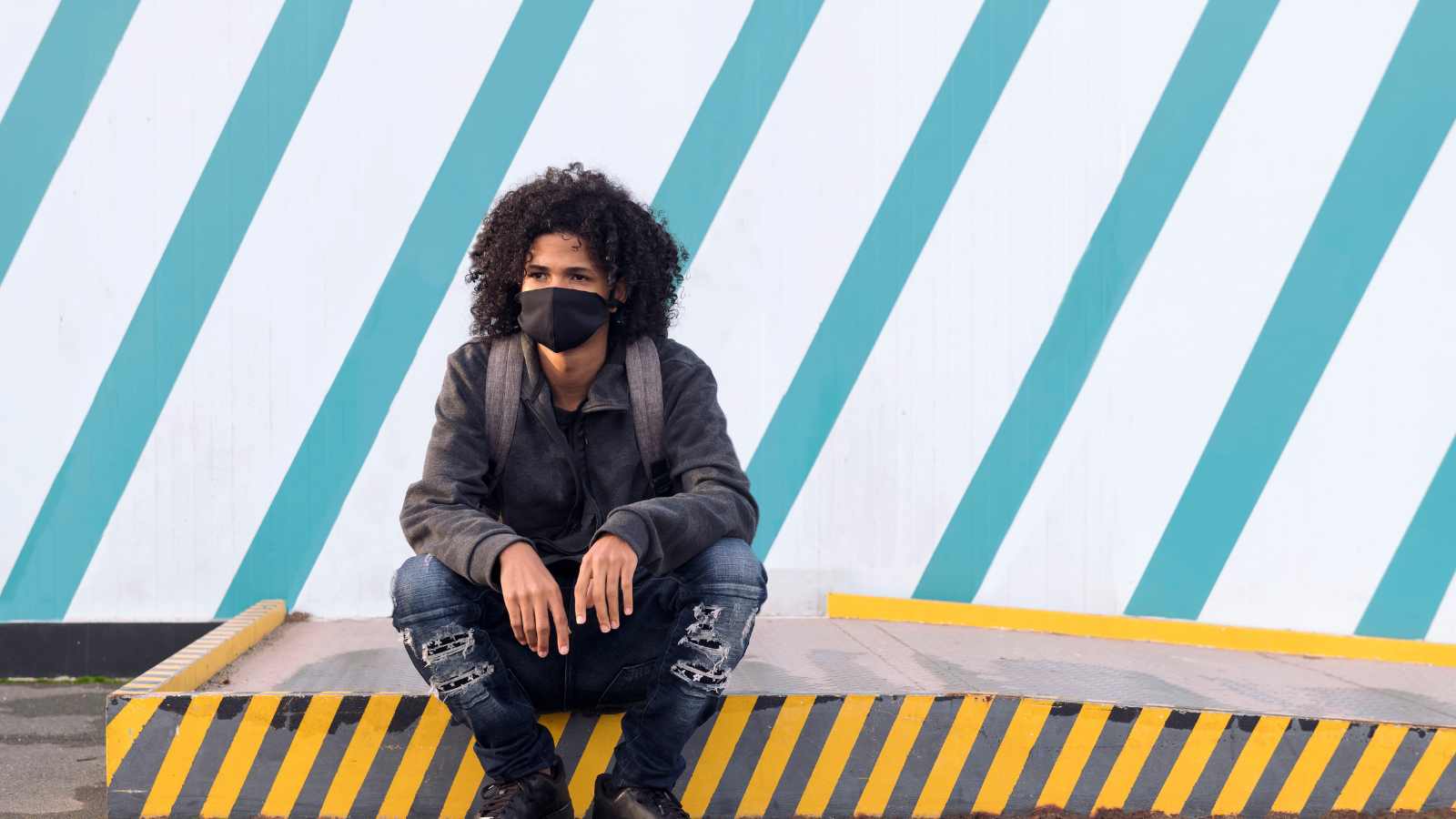
The pandemic didn’t just change how we interact with the world; it altered our very way of living.
From rethinking our daily routines to re-examining our priorities, Americans have quietly stopped doing a whole lot of things they once took for granted. While the world slowly returned to some form of normalcy, many found themselves opting out of habits they once thought were essential.
Here’s a breakdown of the habits we’ve quietly abandoned and how life has changed in ways we might never have imagined before 2020.
Commuting to the Office

Remember the rush-hour commute? The daily grind of getting up at 6 a.m., braving traffic, and spending half your life sitting in a cubicle? That lifestyle is slowly becoming a relic of the past for many. The pandemic forced us to rethink our work habits, and working from home became the norm for millions.
The office no longer feels like a second home; instead, it’s just a place you visit a couple of times a week to check in with HR. The dress code has relaxed, meetings are increasingly virtual, and many are just a few clicks away from “unexpectedly” turning off their cameras.
For many, the 9-to-5 hustle has transformed into a hybrid routine that doesn’t demand as much energy, effort, or time as before.
Midnight Target Runs
Once upon a time, a late-night Target run was the epitome of spontaneity. It was a time when “just going to grab a few things” meant driving to the store at 11:45 p.m. and coming back with a cart full of everything from candles to a 47-pack of cereal.
Today, however, most stores close earlier, and frankly, many of us are more inclined to scroll through our phones than wander the aisles in the dead of night. The ritual of late-night shopping has morphed into a new form of consumerism, online browsing from the comfort of our beds, adding items to our cart with no intention of checking out.
The late-night errand run has been replaced by digital window-shopping, and it seems like we don’t miss it one bit.
Long Restaurant Nights
Dining out used to be an event. You’d spend hours at a table, ordering multiple courses, savoring every bite, and lingering over dessert. But the pandemic made us rethink this ritual. With restaurants now adopting more efficient service models, many of us find ourselves opting for quicker meals and leaving before we even hit the 1-hour mark.
The idea of “lingering” over dinner seems old-fashioned, and now it’s all about efficiency. Fine dining has been replaced with takeout or dining out that ends promptly by 9 p.m. We’re no longer interested in spending hours at the table; we just want to eat and get back to our quieter, more relaxed evenings.
Movie Theaters
Once upon a time, going to the movies was the ultimate weekend activity. From standing in line for tickets to settling into a crowded theater with a tub of popcorn, it was a social event. However, the pandemic made streaming movies from the comfort of our own couches the new norm.
Now, movie theaters feel more like a special occasion than the default weekend outing. With new releases quickly available on streaming platforms, there’s little incentive to endure crowded theaters, overpriced tickets, and noisy audiences. Movie night has become synonymous with binge-watching on streaming services, and the idea of going out for a film seems almost foreign.
Impulse Shopping

Gone are the days when wandering through the mall meant buying something on a whim. Nowadays, every purchase is scrutinized through a mental filter that includes considerations like financial stability, current events, and the uncertainty of the future.
The days of impulse shopping have morphed into more thoughtful purchasing decisions, or at least more delayed ones. Instead of buying things we don’t need, we now abandon shopping carts online and send screenshots to friends asking, “Talk me out of this.” The thrill of unplanned purchases has turned into the burden of financial caution, and it looks like it’s here to stay.
The Joy of Saying “No”
Pre-pandemic, many of us felt pressured to say “yes” to every invitation, every event, and every social gathering. We’d power through even when we didn’t want to, just to avoid feeling left out. The pandemic gave us the invaluable gift of saying “no” and rediscovering the joys of solitude.
Now, an empty calendar is no longer seen as a sign of social failure but a symbol of self-care. “I’m staying in” has become a wellness practice, and many of us are finally embracing the luxury of doing nothing.
Paying with Cash

Cash used to be the go-to method of payment for everything from groceries to taxis. Now, cash is reserved for birthday cards or tucked away in kitchen drawers, gathering dust. Paying with cash feels antiquated, and the pandemic only accelerated the adoption of contactless and digital payment methods.
People now feel uncomfortable when asked to use cash, as digital wallets and phone payments have become the new normal. Carrying cash has gone from a necessity to a quaint throwback to a time when coins were a valid form of payment. Digital transactions now rule the day, and it’s likely to stay that way for the foreseeable future.
Key Takeaway

The post-pandemic world didn’t simply press “pause” on our lives; it gave us the chance to reevaluate, refine, and reset. Many of the habits we quietly let go of during the pandemic weren’t just inconveniences; they were outdated expectations that no longer served us. Now, we have more control over our time, our energy, and our priorities.
The habits we’ve abandoned may not have seemed important at the time, but collectively, they reflect a significant shift in how we approach life. We’re no longer rushing to fill our calendars with unnecessary activities or succumb to consumerist pressures. The pandemic forced us to slow down, and many of us are still in no hurry to go back.


