

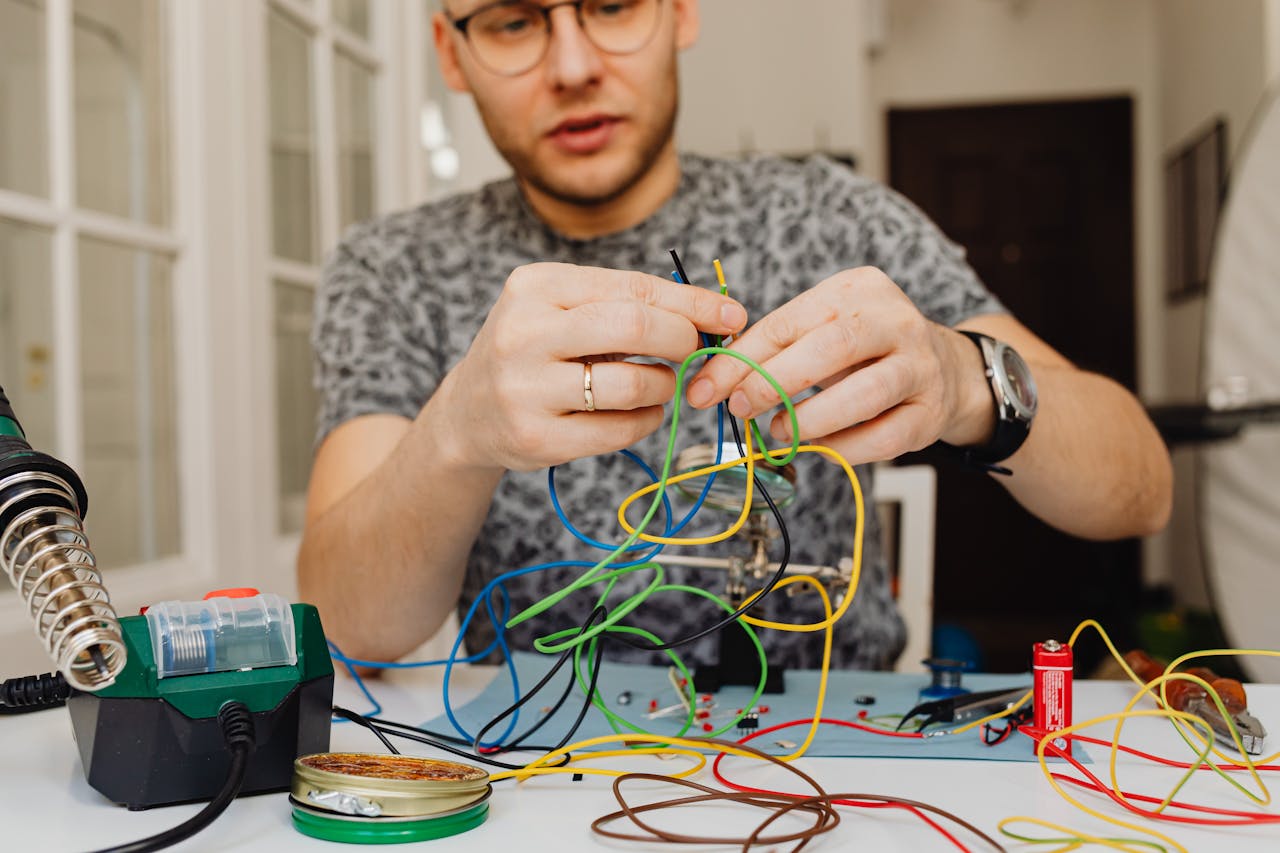
A flickering light may look harmless. A dead outlet may feel like a small weekend project. But when electricity is involved, small mistakes can lead to expensive repairs, damaged appliances, and, in the worst cases, a fire that starts behind the wall, where no one sees it coming.
That is what makes DIY wiring so tricky. It invites confidence because the work is hidden, the tools are easy to buy, and online advice often makes everything sound simple. Still, home wiring is one area where a rushed decision or a wrong assumption can create danger long after the job looks finished.
If you are tempted to handle electrical work yourself, these mistakes deserve your full attention.
Ignoring the breaker is off
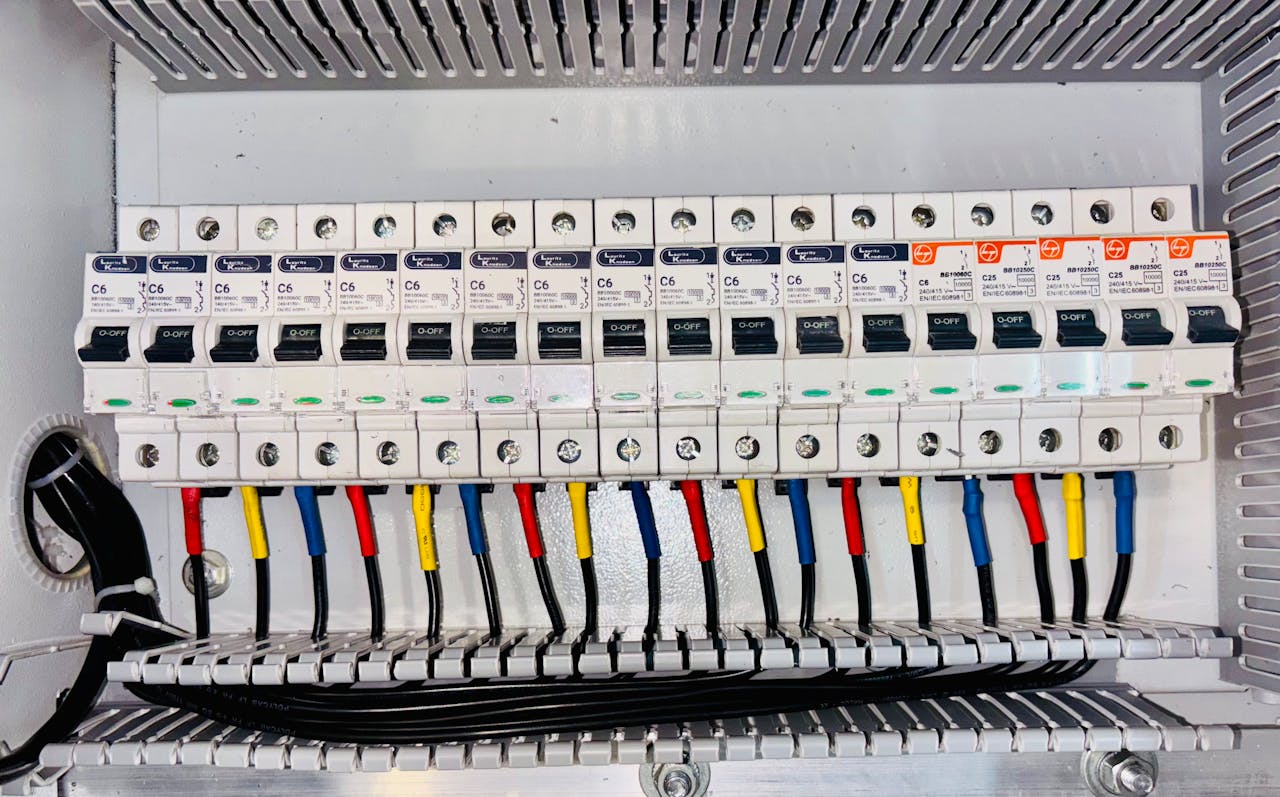
One of the most dangerous mistakes in DIY wiring happens before the real work even begins. Many people switch off what they think is the correct breaker, then move forward without checking the circuit itself. The problem is that panel labels are often outdated, sloppy, or completely wrong, especially in older homes where changes have been made over the years.
Using the wrong wire size
This mistake hides behind walls and quietly creates risk over time. Many DIYers assume that wire is wire and that if it fits, it works. In reality, the wire thickness matters because it must match the electrical load and the circuit it serves. When the wire is too small for the amount of current flowing through it, heat builds up.
That heat does not always announce itself right away. It can slowly damage insulation, weaken connections, and create problems that grow in silence. A room may seem normal for weeks or months, then one day an overloaded section begins to char inside the wall.
That is the kind of danger that makes electrical mistakes so serious. They can stay invisible until the damage is already done.
Overloading one circuit

Homes today carry far more demand than many older electrical systems were designed to handle. Space heaters, microwaves, gaming systems, air fryers, washing machines, and charging stations all compete for power. A common DIY mistake is adding new outlets or fixtures to a circuit that is already working near its limit.
At first, the signs can seem minor. Maybe the breaker trips now and then. Maybe the lights dim when another appliance kicks on. Those are not random annoyances. They are warnings.
An overloaded circuit puts your wiring system under stress, and repeated stress shortens its lifespan. When homeowners treat nuisance tripping as an inconvenience instead of a red flag, they often miss the chance to stop a bigger problem before it starts.
Hiding splices outside junction boxes
A splice may seem like a small detail, especially when someone is trying to quickly extend a wire or fix a damaged section without opening up more of the wall. Some DIYers simply connect the wires, wrap them up, and tuck them into the ceiling or drywall cavity. That shortcut can create a major hazard.
Junction boxes exist for a reason. They protect connections, contain sparks if something goes wrong, and keep wiring accessible for future inspection and repair. When splices are buried out of reach, the home loses that layer of protection.
It also becomes much harder to trace a problem later. What feels like a time-saver in the moment often becomes a hidden liability waiting for the wrong set of conditions.
Leaving loose connections behind
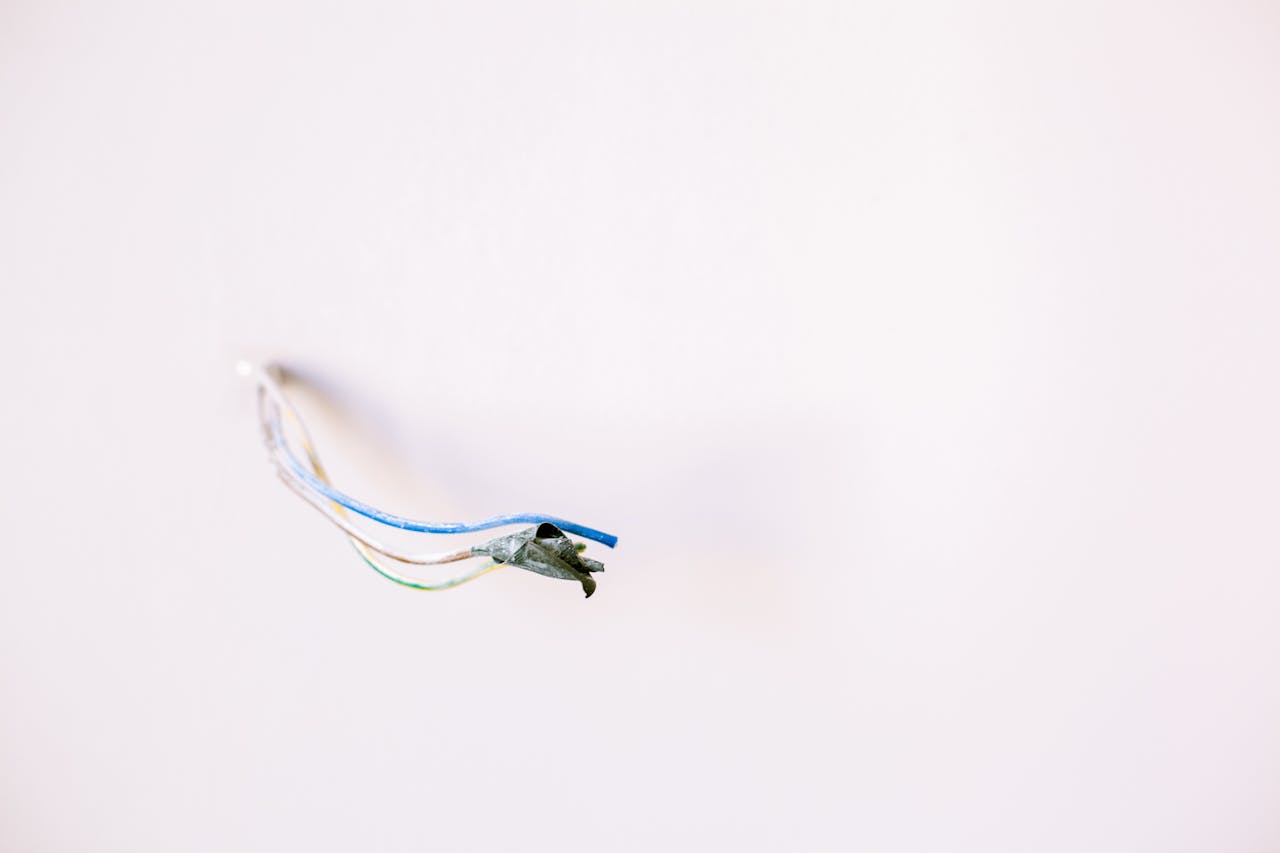
Electricity moves best through tight, secure connections. When wires are loosely attached, poorly twisted, or not fastened properly, the current can jump through tiny air gaps. That creates arcing, which produces intense heat and can ignite nearby material.
The frightening part is how ordinary a loose connection can look from the outside. A switch plate may sit neatly on the wall. A ceiling light may even turn on. But behind that polished finish, a weak connection can smolder for a long time before it fails dramatically.
This is one reason electrical work should never be judged by appearance alone. A clean-looking job can still be dangerous.
Mixing up hot, neutral, and ground
This is one of the most misunderstood parts of home wiring. Some DIYers focus only on getting a light or an outlet to work, without paying close attention to which wire does what. But each conductor has a specific role, and confusing them can make a device appear functional while leaving it unsafe.
Installing outlets in the wrong places
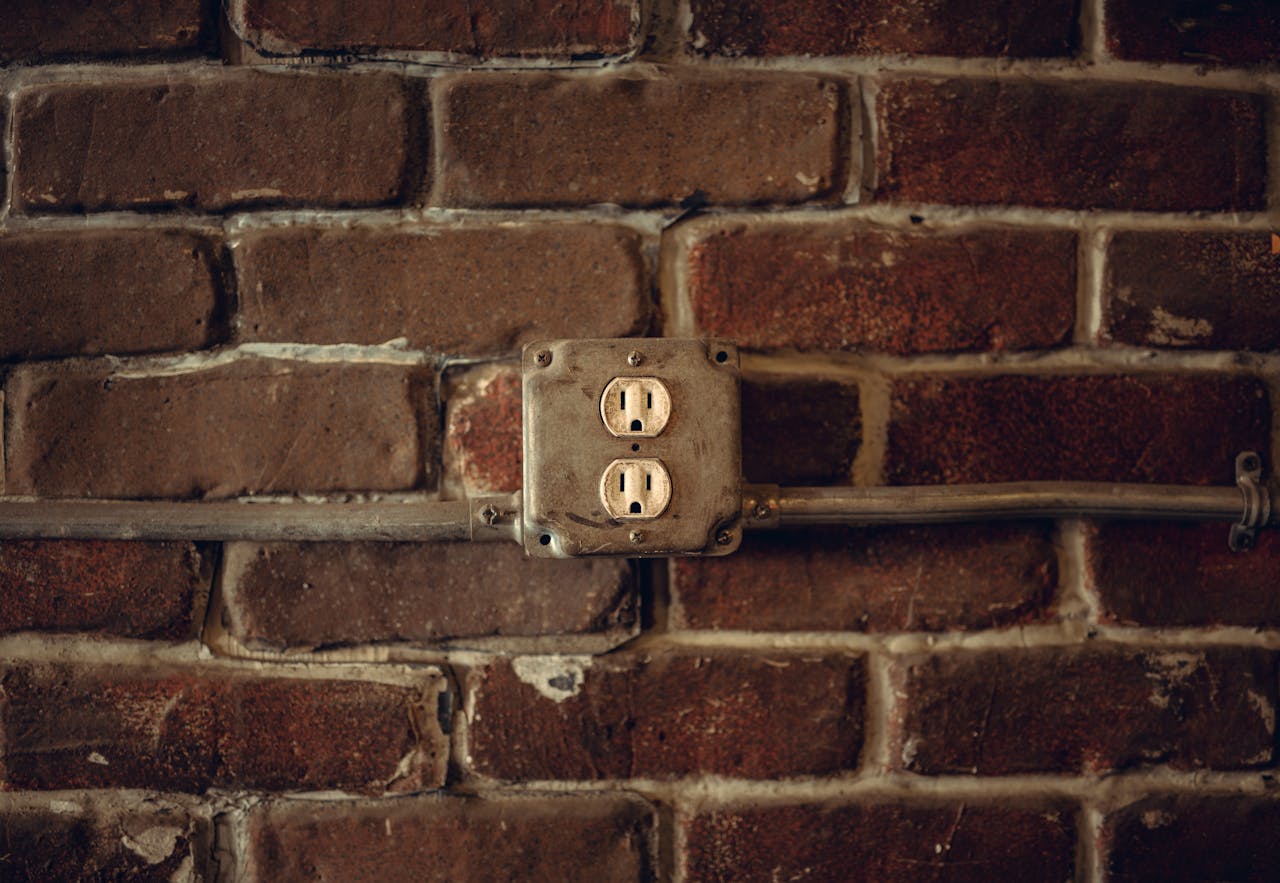
Bathrooms, kitchens, garages, laundry rooms, and outdoor areas all contribute moisture. Moisture and electricity are a terrible pair. Yet a frequent DIY mistake is treating every outlet the same way, without considering its surroundings.
Some locations need special protection because the risk is higher. When the wrong kind of outlet is installed in a damp or exposed area, the margin for error shrinks fast. A splash, a leak, or simple humidity can turn an ordinary setup into a dangerous one.
Homes are full of spaces that look familiar but carry very different electrical demands. Ignoring that difference is how accidents begin.
Skipping permits and inspections
Many homeowners see permits as paperwork, delays, or extra costs. So they skip them, especially for projects they believe are small enough to go unnoticed. But electrical permits and inspections are not there to make life harder.
They exist because wiring mistakes can stay hidden until they become emergencies. An inspection brings a trained eye to work that the homeowner may feel proud of but may not fully understand. It catches issues with load, placement, protection, and code compliance before they become future problems.
Skipping that step means you are relying entirely on your own judgment in an area where a small oversight can have serious consequences. It can also cause trouble later during insurance claims, home sales, or remodeling work.
Trusting videos more than experience
The internet has made every task look manageable. A ten-minute tutorial can convince almost anyone that they are one trip to the hardware store away from becoming an expert. That confidence is dangerous when it comes to electrical work. Videos rarely show a home’s true condition, the age of the wiring, hidden damage, or code issues unique to a specific property.
Conclusion
DIY wiring can feel empowering, especially in a time when homeowners want to save money and tackle repairs themselves. But electricity is not forgiving. It does not reward guesswork, shortcuts, or borrowed confidence. A mistake hidden behind a single outlet or fixture can put the entire home at risk.
That is why the smartest move is often knowing where your skill ends. Replacing a cover plate is one thing. Reworking circuits, adding new lines, or fixing mystery wiring is another story completely. When the job involves uncertainty, the safest decision is not to push through. It is to bring in a licensed electrician and protect your home before a small error becomes a life-changing one.
Read the original Crafting Your Home.


