

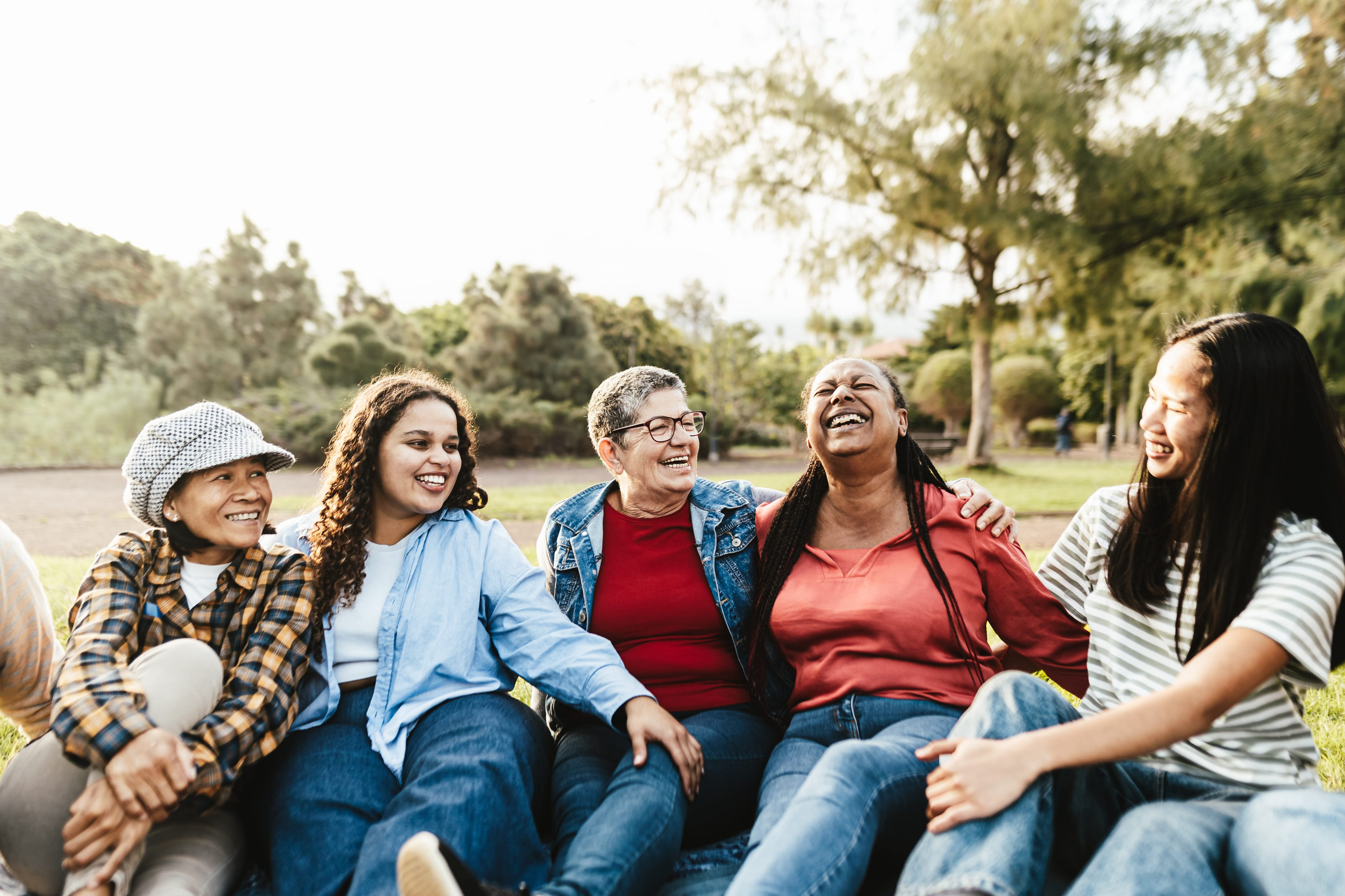
Friendship is one of life’s most valuable treasures, but when it comes to cross-generational connections, things can get complicated. While it might sound great in theory to share experiences with someone from a different generation, the reality often involves unexpected challenges that can strain the bond. Despite our best efforts to bridge the age gap, these friendships can often falter due to inherent differences in lifestyle, values, and communication styles.
Let’s dive into the eight uncomfortable truths about why cross-generational friendships fail.
Differences in Life Stages Create a Gap in Understanding
One of the most significant challenges in cross-generational friendships is the difference in life stages. A person in their twenties may be navigating the early stages of their career or relationships, while someone in their sixties may have established their career and family life. These life stages bring different priorities, responsibilities, and perspectives, making it difficult for individuals to relate to one another’s daily struggles and joys.
Technology and Communication Gaps Are Hard to Bridge

In today’s world, technology plays a central role in communication, but not every generation embraces the same tools in the same way. Younger generations are used to texting, social media, and instant messaging, while older generations may prefer face-to-face communication or even phone calls. These differences in communication preferences can create frustration, as messages get lost in translation or one party feels out of touch with the other.
Cultural and Social Differences Can Be Alienating
Each generation grows up in a unique cultural and social environment that shapes their beliefs, values, and behaviors. What one generation considers normal may be foreign or even off-putting to another. These cultural differences can manifest in everything from fashion choices and music preferences to political views and social issues.
Increased Emotional Needs Can Create Tension

Emotional needs often shift with age, and what one person might expect from a friendship can be vastly different from what another person requires. As people age, they may become more reflective, valuing deeper emotional connections and support. Younger individuals, on the other hand, may not yet be in a place where they understand the need for deep emotional intimacy.
Generational Stereotypes Fuel Misunderstandings
Stereotypes play a major role in cross-generational friendships, often leading to assumptions that undermine mutual respect. Younger generations may view older individuals as outdated or out of touch, while older generations may see younger people as entitled or irresponsible. These preconceived notions can cloud the way each person interacts with the other, making it harder to form a genuine bond.
Different Social Norms Can Be Challenging to Navigate
Social norms evolve, and what was once considered acceptable behavior may no longer hold in modern society. In cross-generational friendships, these shifting norms can create confusion and discomfort. For example, something as simple as how to address someone or behave in social situations can vary greatly between generations.
Energy and Lifestyle Differences Create Disconnects

Age often brings different energy levels and lifestyle habits, which can contribute to the erosion of cross-generational friendships. Younger individuals may be more active, constantly seeking new experiences and social outings, while older individuals may prefer quieter, more relaxed activities. These lifestyle differences can make it difficult to plan activities that both parties enjoy, leading to frustration or a sense of exclusion.
Generational Divides in Humor and Interests

Humor and interests are often deeply tied to the era in which someone grows up. What one generation finds funny, entertaining, or cool may be completely lost on another. A joke that resonates with a younger person may come across as outdated or irrelevant to an older individual, and vice versa.
Conclusion
Cross-generational friendships offer the potential for deep, enriching connections but also present unique challenges that can strain the bond. Differences in life stages, communication preferences, values, and social norms can create barriers that are difficult to overcome.
While it is certainly possible for men and women of different generations to form lasting friendships, it requires effort, understanding, and a willingness to navigate these uncomfortable truths. Ultimately, the success of a cross-generational friendship depends on both individuals’ ability to bridge differences and find common ground.


