

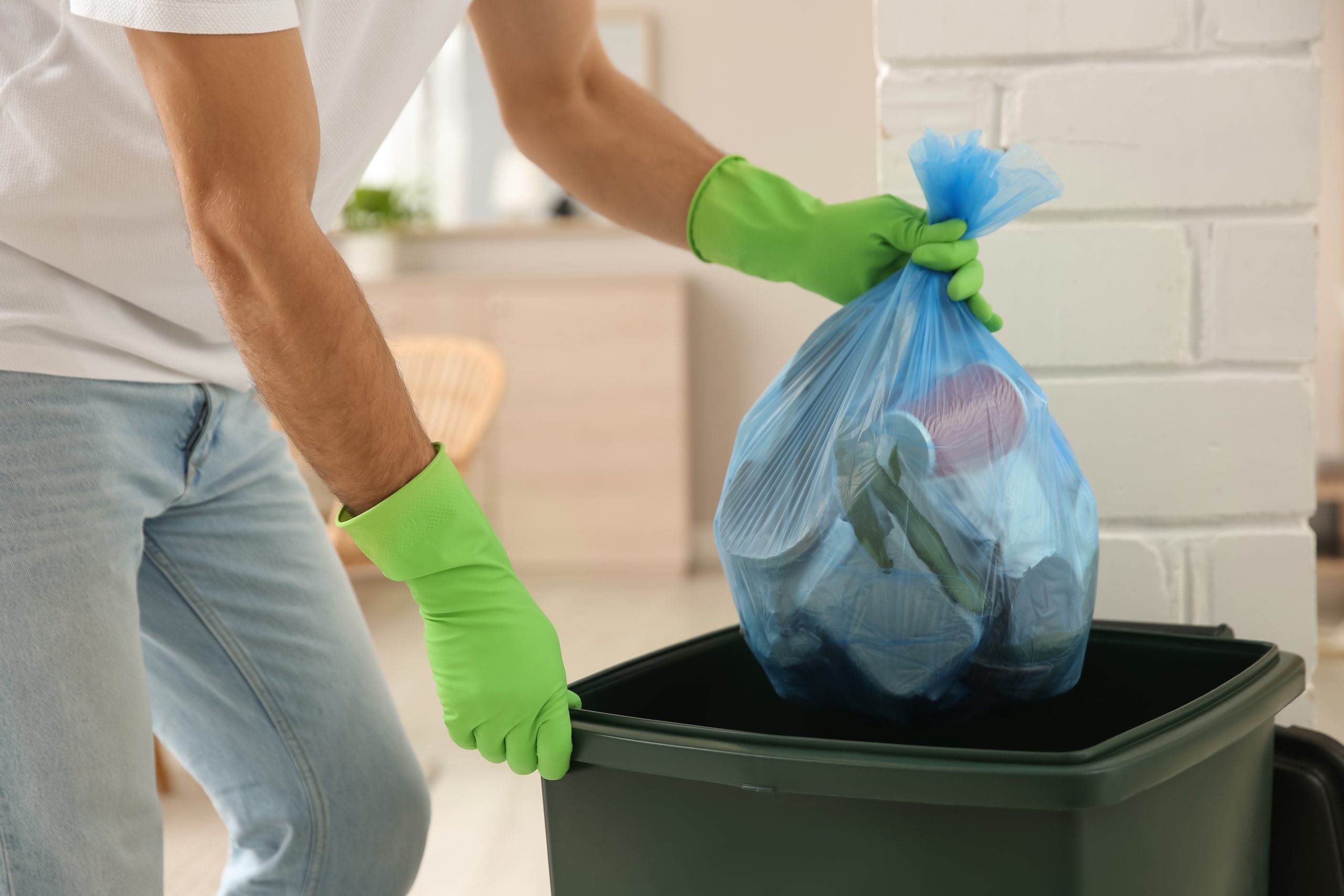
When it comes to household items, not everything can simply be tossed in the trash. Improper disposal of hazardous products not only risks damage to the environment but can also pose serious health threats. From old batteries to motor oil, here’s how to safely get rid of common household hazards without causing harm.
Old Paint
Leftover paint, especially oil-based, can be harmful to the environment. Many local recycling programs offer paint disposal, while others accept dried-out paint cans. To dispose of paint safely at home, allow it to dry completely, then take it to a hazardous waste disposal site or recycling center.
Motor Oil
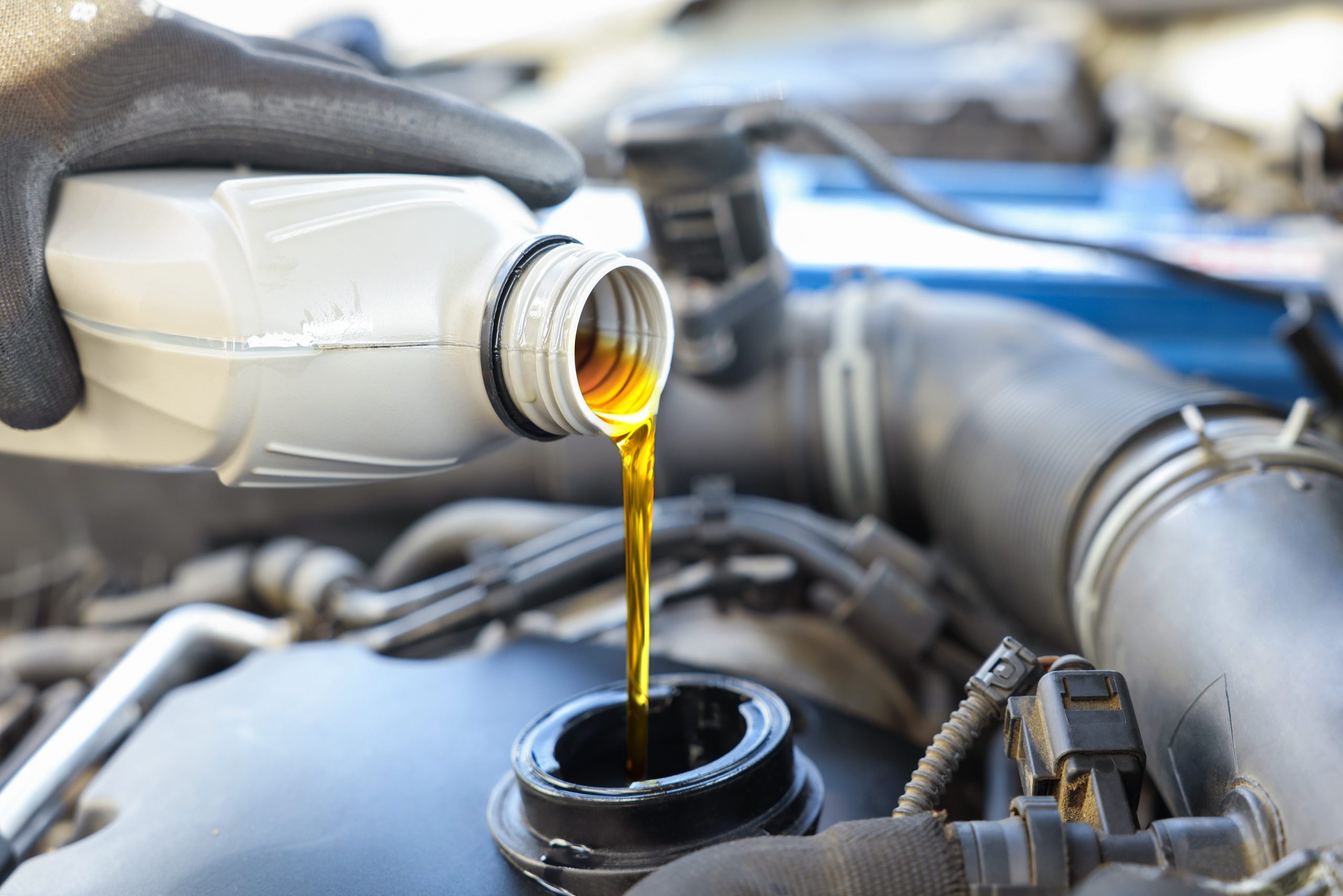
Motor oil is one of the most commonly misdisposed items. Pouring it down the drain or throwing it in the trash can pollute the water supply and harm wildlife. Instead, check with local recycling centers or mechanic shops that often accept used motor oil for recycling. Always transport it in a sealed container to prevent leaks.
Batteries
Akaline batteries can typically be tossed in the trash, but rechargeable batteries require more care. These should be taken to designated recycling centers where they can be processed properly to avoid hazardous leaks. Always check with local facilities for detailed disposal instructions for all types of batteries.
Charcoal Ash
When grilling or using charcoal in a fire pit, never throw away hot ash. First, let the charcoal cool for at least 48 hours. Then, safely wrap the ash in aluminum foil and dispose of it in the trash. This method reduces the risk of fire and ensures that you are disposing of it safely.
Insect Repellent
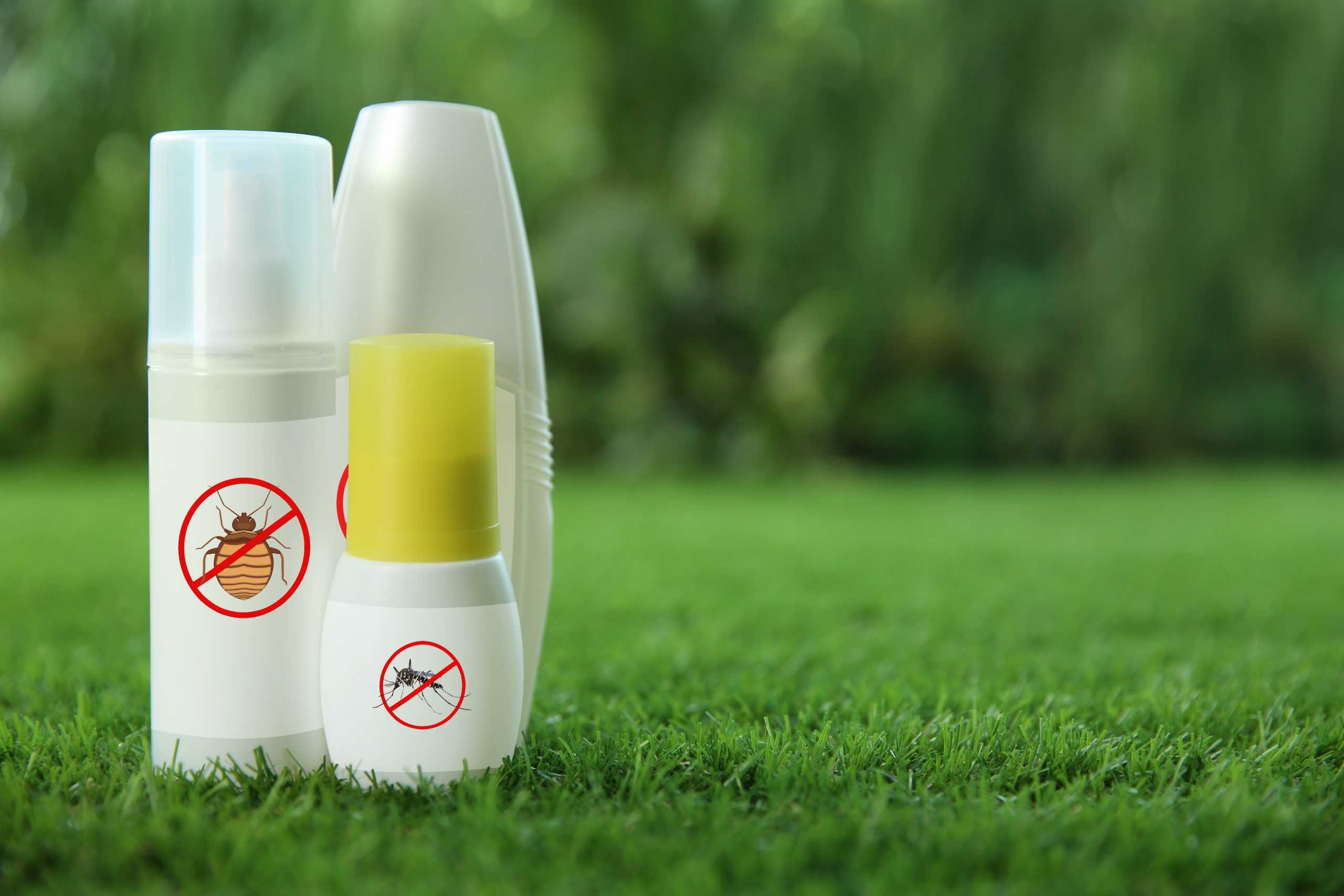
Empty insect repellent cans and wipes can be safely thrown in the trash, but unused containers are a different story. Always check local guidelines, as some cities offer collection programs for hazardous household waste. Ensure that any unused repellent is disposed of properly to avoid health and environmental risks.
Cleaning Chemicals
Old cleaning chemicals like bleach and ammonia should never be poured down the drain or into the trash. These substances can contaminate water sources and harm aquatic life. Contact your local waste management facility to learn about proper disposal methods for chemical cleaners.
Antifreeze
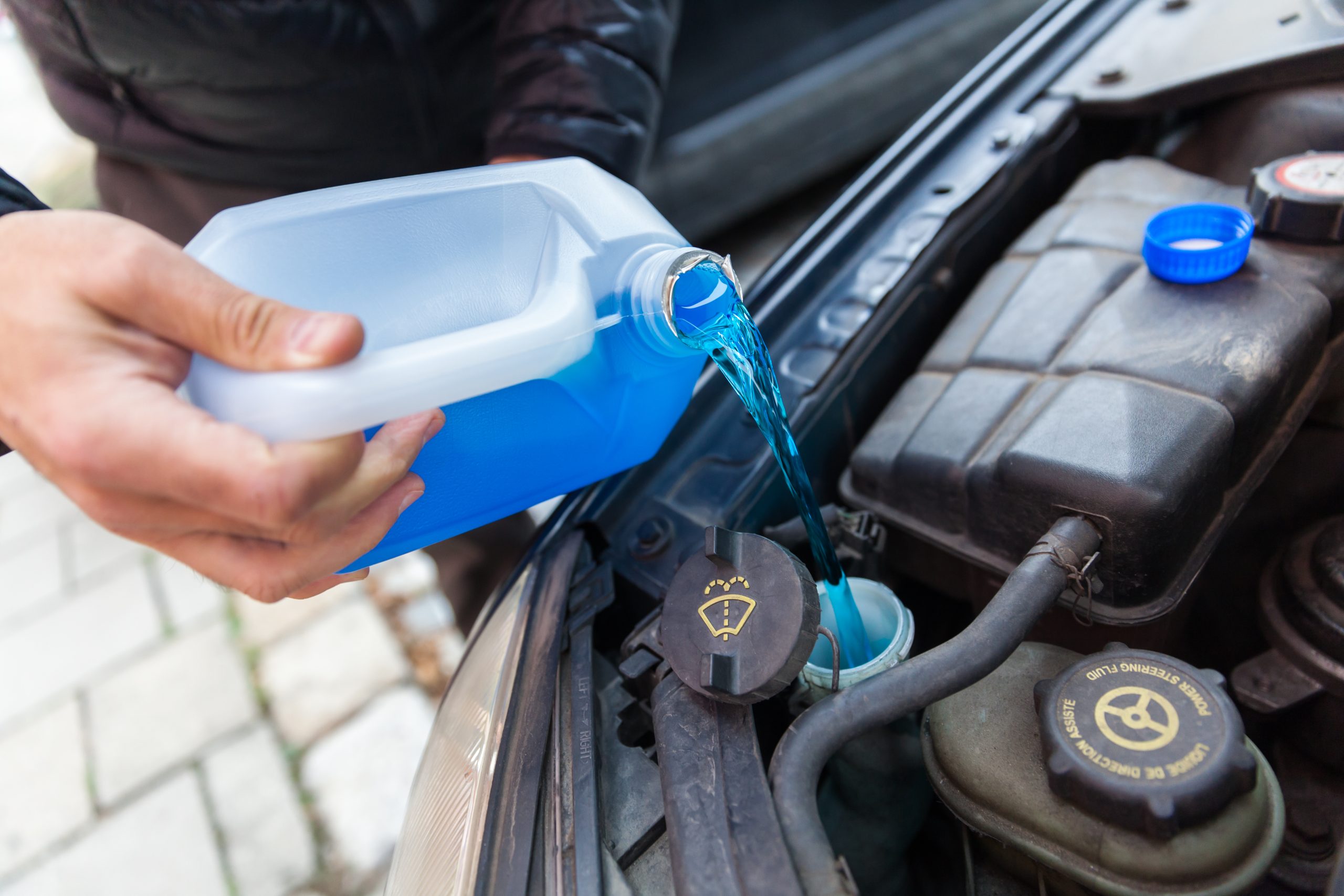
Antifreeze is toxic, so it’s essential to dispose of it safely. Many recycling centers accept used antifreeze for proper disposal. If there’s a spill, quickly cover the area with sawdust or cat litter to absorb the liquid before cleaning it up. Never pour antifreeze down the drain or let it enter the environment.
Mercury-Containing Items
Mercury is found in products like thermometers, thermostats, and some light bulbs. Since mercury is highly toxic, these items should be disposed of with care. Check with local recycling programs or hazardous waste facilities for specific disposal instructions. Always ensure mercury-containing items are sealed during transport to prevent contamination.
Old Medicines
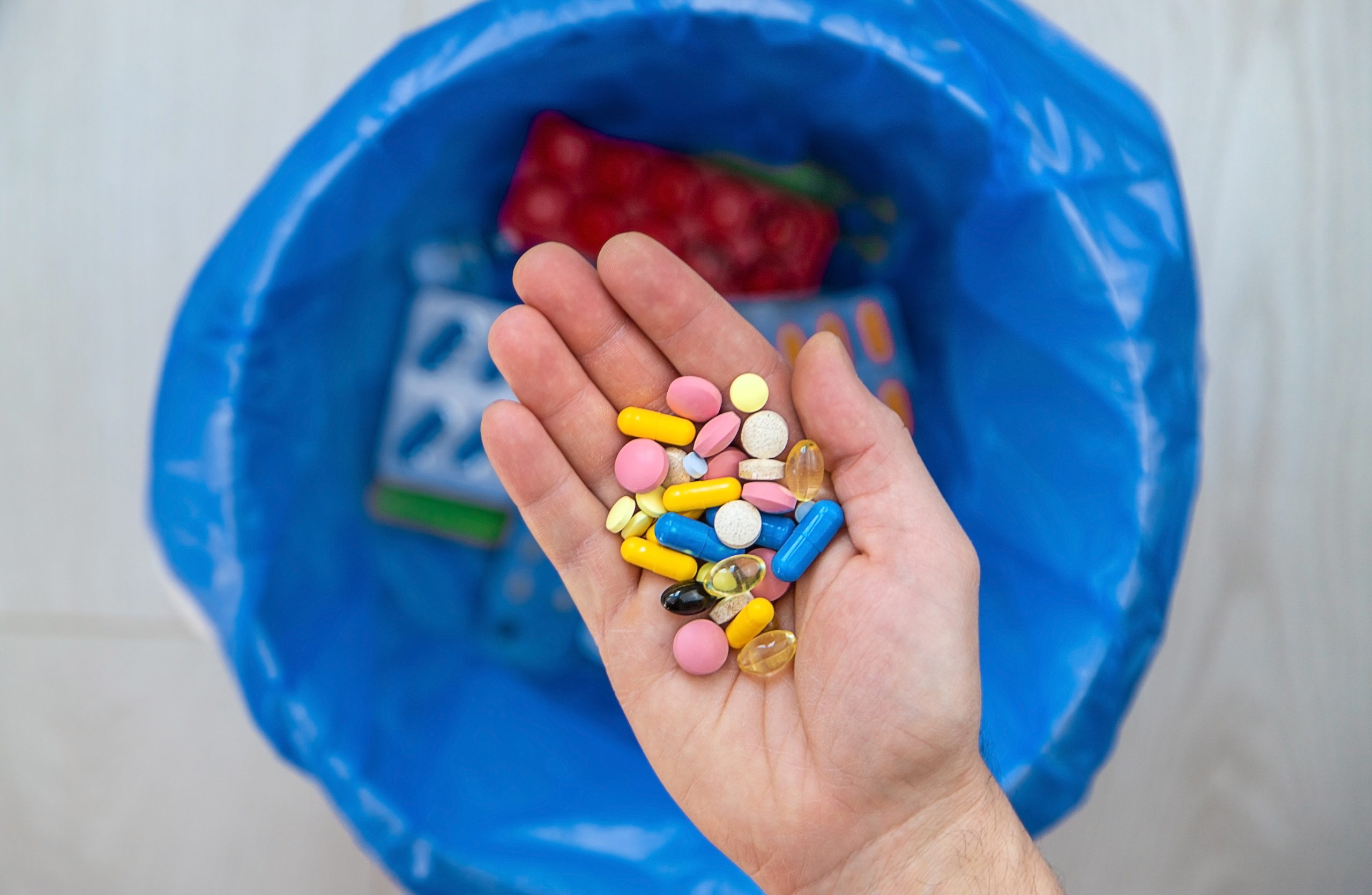
Old or unused medications should never be flushed down the toilet or tossed in the trash. The EPA recommends using pharmaceutical take-back programs, which ensure that medications are disposed of in an environmentally safe manner. Reach out to your local authorities to find a take-back program near you.
Compact Fluorescent Bulbs
Compact fluorescent bulbs (CFLs) contain mercury, so they must not be thrown in the trash. Many recycling centers accept CFLs for proper disposal. If you’re unsure where to take them, check with local recycling programs for safe disposal options that minimize environmental impact.
Proper disposal of hazardous household items protects both your home and the environment. From motor oil to old medications, each item requires specific care to ensure it doesn’t harm the planet or your health. By following these disposal tips, you’ll help create a cleaner, safer environment for everyone.
Read the original article on Crafting Your Home.


