


It might seem like the ultimate bonding experience, exercising together with your partner, pushing each other to be fitter and healthier. Sharing workouts can bring couples closer and provide that much-needed motivation, but it’s not always as perfect as it seems. In reality, working out with your partner can come with its own set of challenges that can lead to frustration and even strain your relationship.
Let’s take a closer look at the 8 hidden downsides of couple workouts and why they may not always be the best idea.
Unrealistic Expectations Can Lead to Frustration
When you work out with your partner, there’s often an unspoken pressure to keep up with each other’s fitness levels. This can lead to frustration if one person is more advanced or motivated than the other. Instead of enjoying the workout together, the experience can turn into a race, where one partner feels inadequate or left behind while the other feels pressured to perform.
Loss of Personal Space
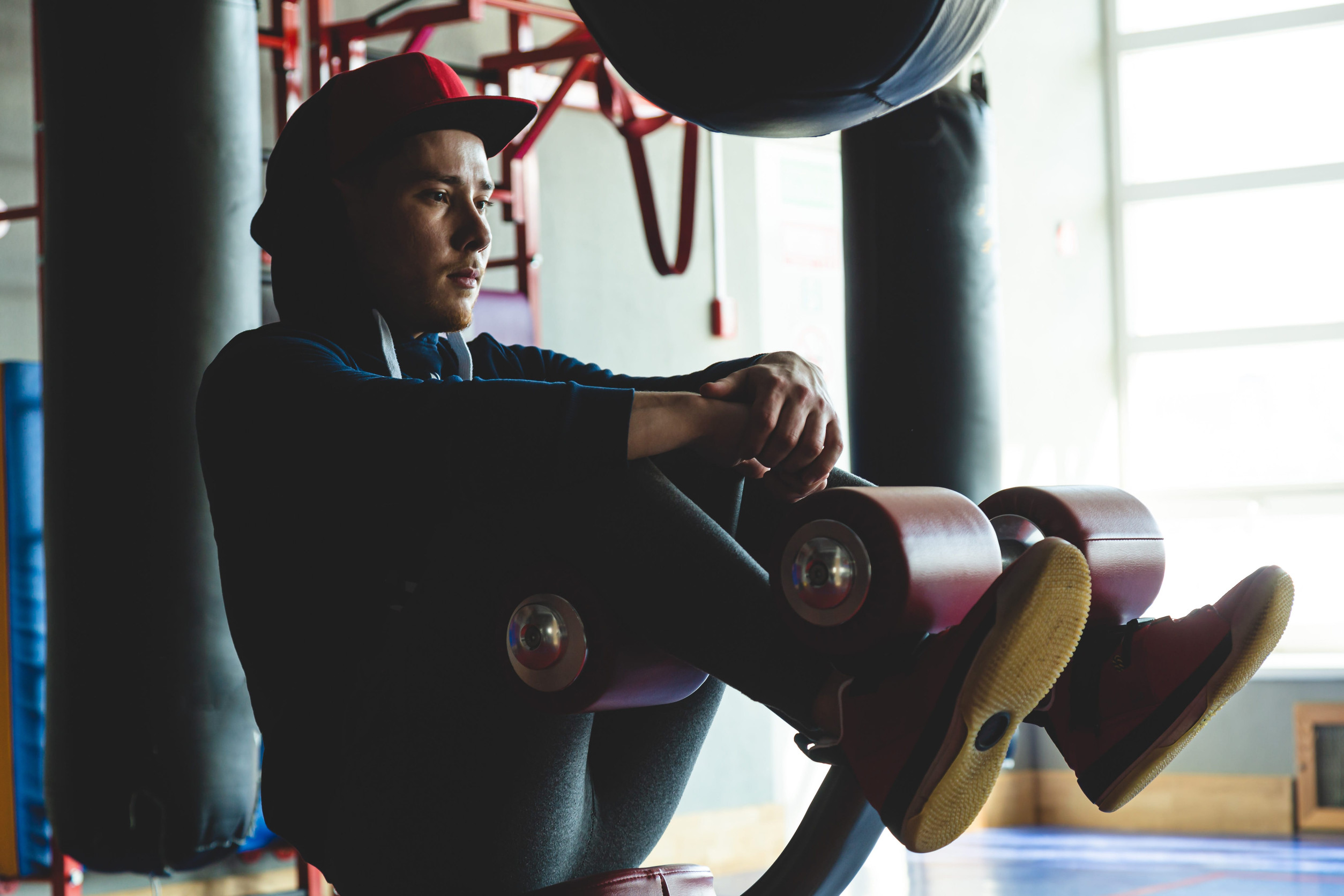
While working out together can be a great way to bond, it also means losing a little bit of personal space. Not everyone wants to share their gym time or yoga session with someone else. Exercising solo can offer a sense of freedom to focus on your own needs, but turning that time into a shared activity can make it feel more like an obligation than a self-care routine.
Different Fitness Goals Can Cause Tension
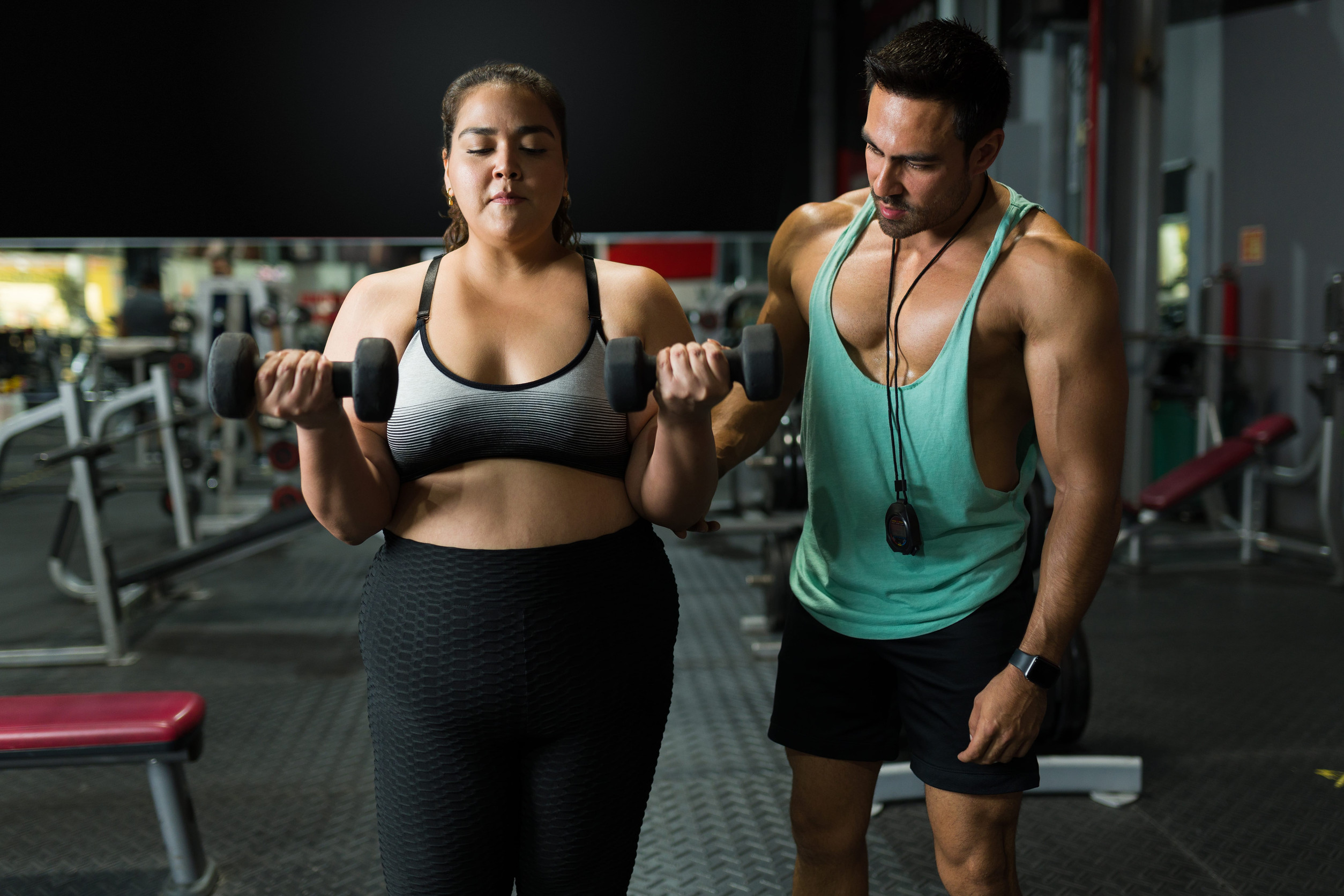
Partners often have different fitness goals. One might be training for a marathon, while the other is looking to build strength or lose weight. These different goals can lead to tension during workouts, as one person’s intensity might not match the other’s. What motivates one person might feel frustrating or unachievable to the other.
Increased Risk of Injury
Working out with a partner can increase the risk of injury, especially if one person is more experienced and doesn’t take their partner’s capabilities into account. It’s easy to get caught up in trying to keep up with someone else’s pace, which can lead to improper form or overexertion. This increases the likelihood of injury, which can sideline both of you and set back your fitness goals.
Unbalanced Power Dynamics
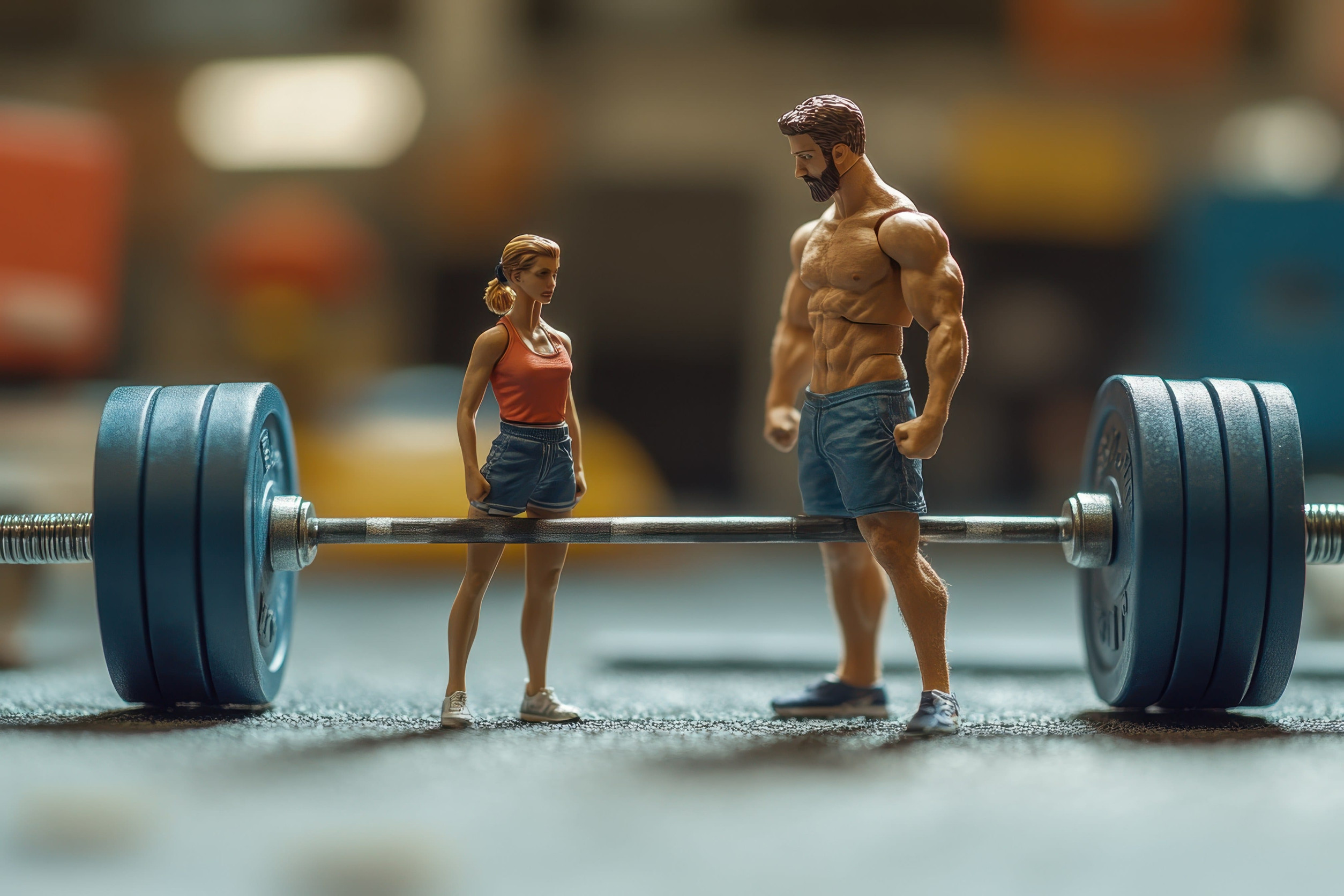
If one partner is more dominant or more confident in their fitness routine, it can create an unhealthy power dynamic in the relationship. One person may take control of the workout or decide which exercises to do, which can make the other partner feel uncomfortable or powerless. This imbalance can quickly turn a workout into a frustrating experience instead of a supportive one.
Disagreement on Workout Styles
People have different preferences when it comes to workout styles. One person may prefer high-intensity interval training, while the other enjoys a more relaxed approach, such as stretching or yoga. If both partners don’t agree on the type of exercise, it can lead to dissatisfaction and a lack of motivation.
Unhealthy Comparison and Competition
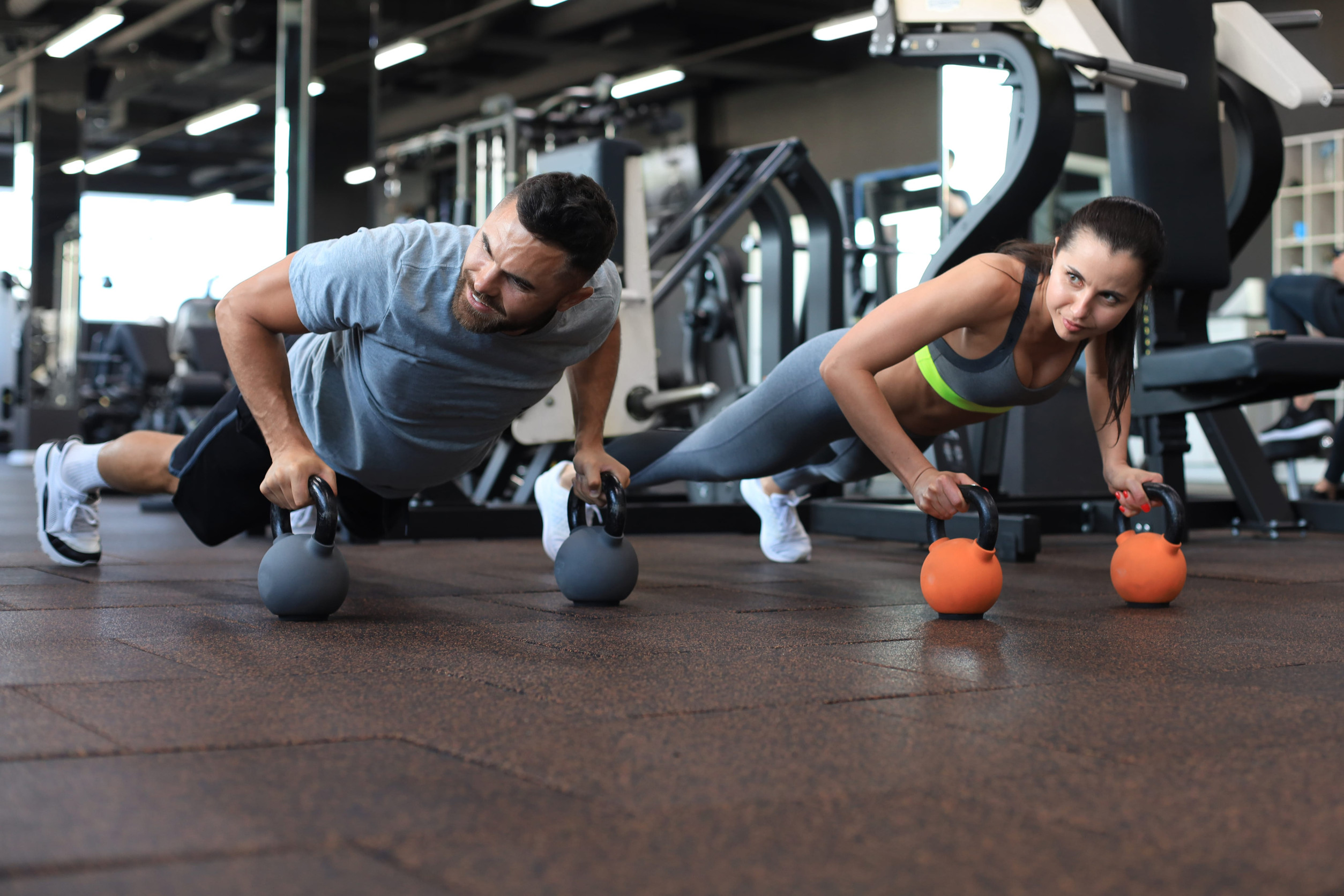
When working out together, comparison is inevitable. One partner might feel like they’re not progressing as fast or achieving the same results as the other. This comparison can turn a joint workout into a competitive situation, where one person feels like they’re not good enough or can’t keep up.
Strain on Relationship Dynamics
In some cases, working out with your partner can strain your relationship. If one partner starts to feel like the other is pushing them too hard, or if workouts are taking away from quality time together, it can cause tension. The pressure to work out together can shift the dynamic of the relationship, turning a fun activity into a point of conflict.
Conclusion
While working out with your partner can be fun and motivating, it’s important to be aware of potential downsides. From unrealistic expectations to unbalanced power dynamics, working out together can sometimes create more stress than support. The key to making it work is communication, understanding, and respect for each other’s personal fitness journeys.
Remember, fitness is about your health and well-being, and it’s okay to take time for yourself while also enjoying shared activities with your partner. Finding a balance that works for both of you can ensure that your workouts remain a positive, enjoyable experience.


