


AI therapy has become an increasingly popular tool for those seeking mental health support in the digital age. With the convenience of chatbots and virtual assistants providing therapy sessions at the touch of a button, it might seem like the future of mental well-being. However, as we delve deeper into AI therapy, several concerns are hard to ignore, especially on the human side of healing.
Let’s explore the eight dark sides of AI therapy that may raise serious doubts about its true effectiveness.
Lack of Human Empathy
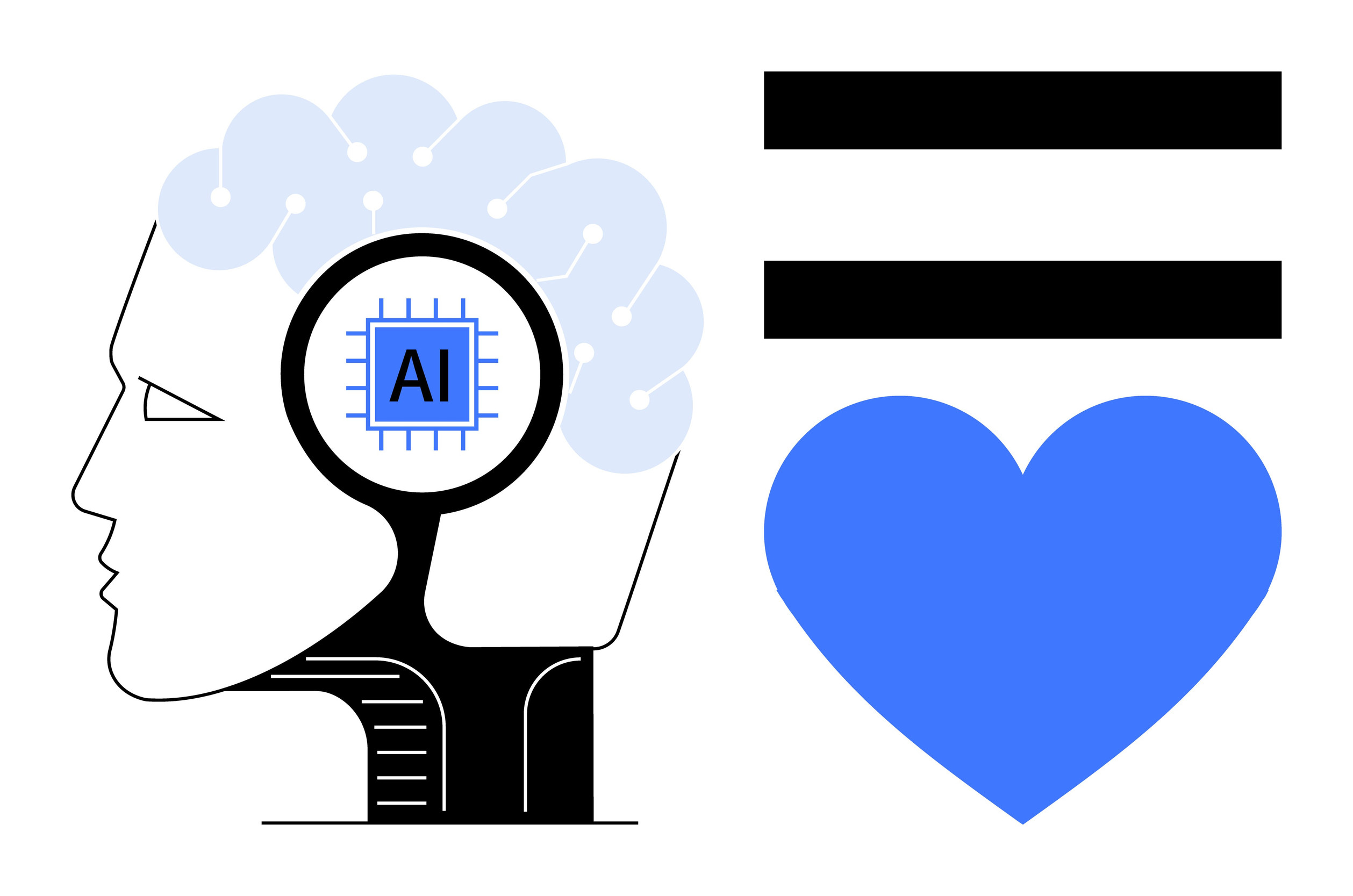
AI therapy systems can analyze words and detect patterns, but they lack the empathy and emotional understanding that a human therapist can provide. Mental health support is deeply rooted in human connection, and AI cannot replicate the nuances of human emotions or offer the genuine empathy that many individuals need. This lack of emotional support can make it difficult for users to feel understood, especially when dealing with complex mental health issues.
Limited Understanding of Complex Emotions
While AI can process vast amounts of data, it cannot truly understand the complexities of human emotions. Feelings of sadness, grief, anxiety, and depression are often layered and require deep understanding, which AI cannot provide. AI might miss important emotional cues or fail to understand the full context of a situation, leading to advice that may not fully address the individual’s unique emotional needs.
One-Size-Fits-All Solutions
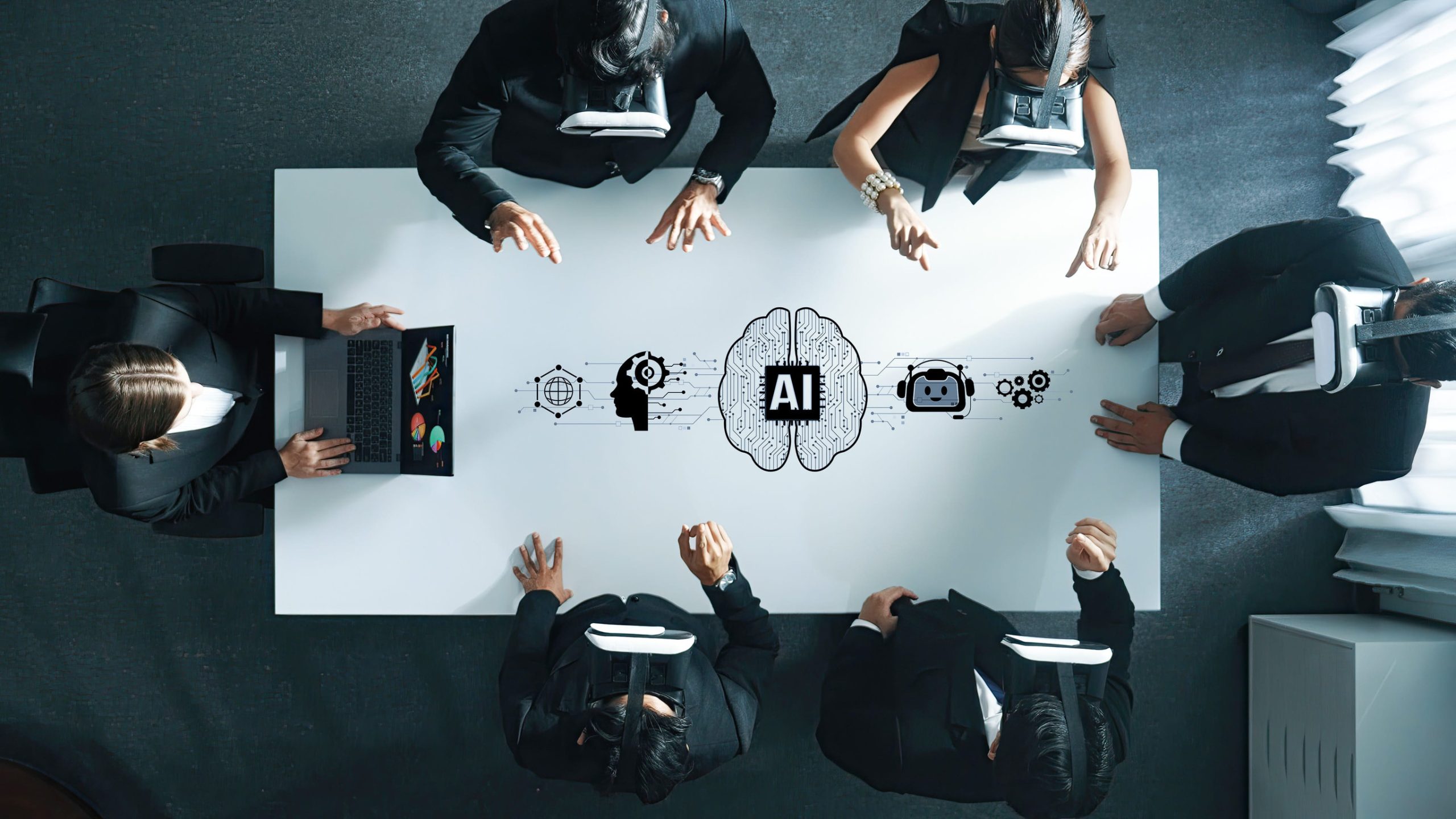
AI therapy systems often rely on algorithms that provide generalized solutions for a wide range of mental health issues. While these solutions can be helpful for many people, they may not address the unique circumstances and needs of every individual. Everyone’s mental health journey is different, and the one-size-fits-all approach of AI systems can result in advice that feels impersonal or ineffective.
Privacy Concerns
One of the most significant concerns surrounding AI therapy is privacy. Many AI platforms collect sensitive personal data, such as mental health history, personal experiences, and emotional states, to provide customized care. However, storing and processing this data introduces potential privacy risks, as hackers or malicious actors could gain access to highly sensitive information.
Inadequate Crisis Management
AI therapy can be helpful for general mental health support, but it is ill-equipped to handle severe crises. In situations where a person is experiencing a mental health emergency, such as suicidal thoughts or an acute panic attack, AI lacks the necessary response capabilities to provide immediate and appropriate care. While some AI systems can detect certain warning signs, they cannot intervene in real time or provide the kind of emergency care needed in critical situations.
Over-Reliance on Technology

While AI can serve as a helpful supplement to traditional therapy, there is a growing concern about people becoming overly reliant on technology for their mental health care. AI therapy offers easy access and convenience, but relying solely on a screen for support can discourage individuals from seeking more comprehensive and personal care. Over time, this reliance on technology could lead individuals to neglect essential in-person interactions and deeper therapeutic relationships, which are essential for long-term healing.
Risk of Misdiagnosis or Inaccurate Advice
AI systems, while intelligent, are still not infallible. They rely on programmed algorithms to analyze symptoms and provide advice, which can sometimes lead to misdiagnoses or inaccurate recommendations. Mental health is highly complex and requires a nuanced understanding of individual experiences, something that AI is not yet capable of providing.
Potential for Emotional Manipulation
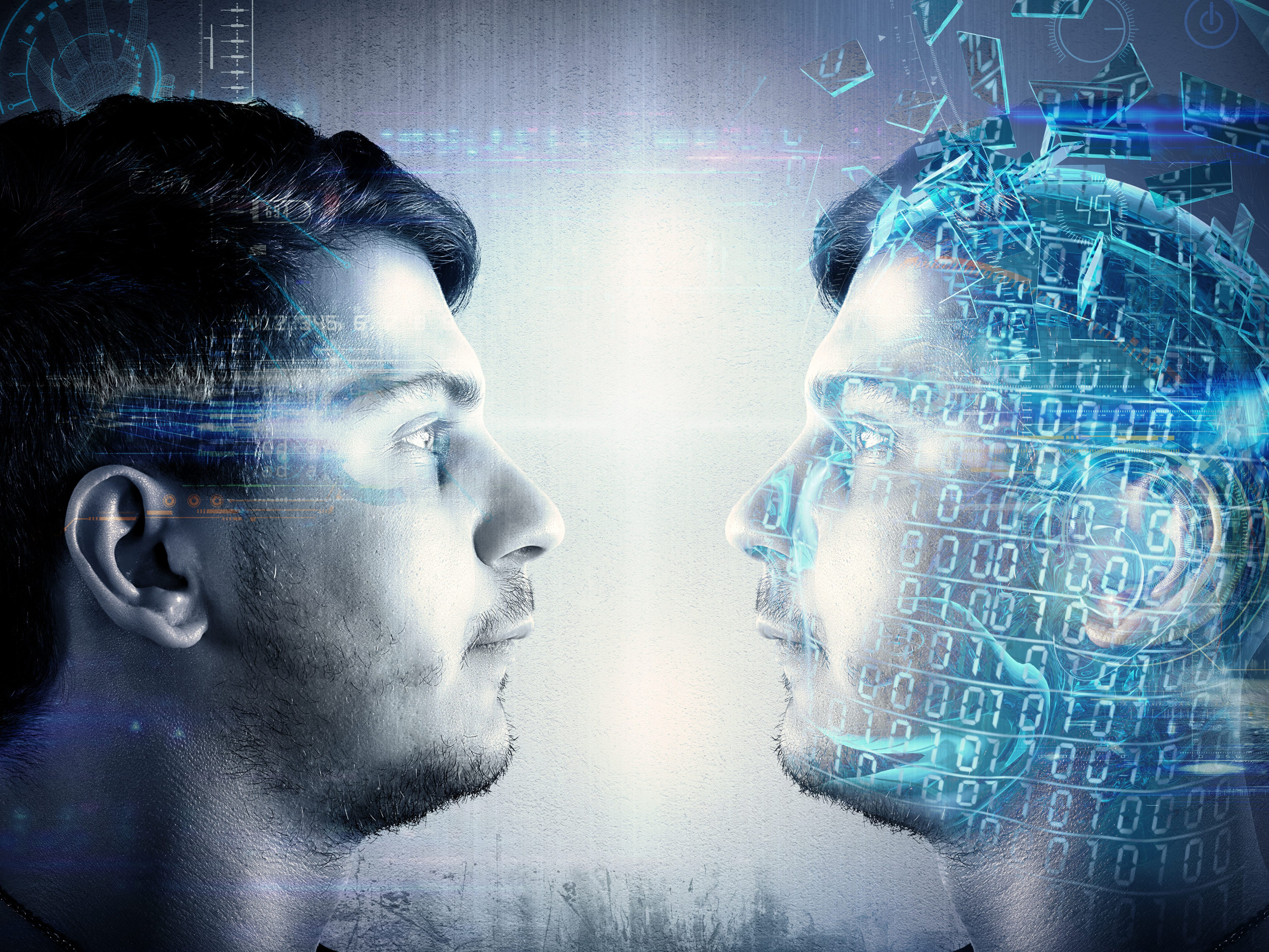
Finally, there is concern about emotional manipulation in AI therapy. While most AI systems are designed to help, there is a risk that some could be programmed to encourage users to become reliant on the service, potentially exploiting their vulnerability. AI systems that are too persuasive or manipulative could encourage users to engage more frequently, even when it isn’t necessary, leading to a dependency on the technology for emotional validation.
Proceed with Caution
AI therapy has made significant strides toward providing accessible, convenient mental health support. However, it is essential to recognize its limitations and risks. While AI can be a valuable supplement to traditional therapy, it cannot replace the nuanced understanding, emotional support, and personalized care that human therapists provide.
For those considering AI therapy, it’s important to proceed with caution and to understand that, no matter how advanced, technology cannot replicate the depth and empathy of human connection. Always ensure AI therapy is used as part of a broader mental health care strategy, not as a complete replacement for human support.


