

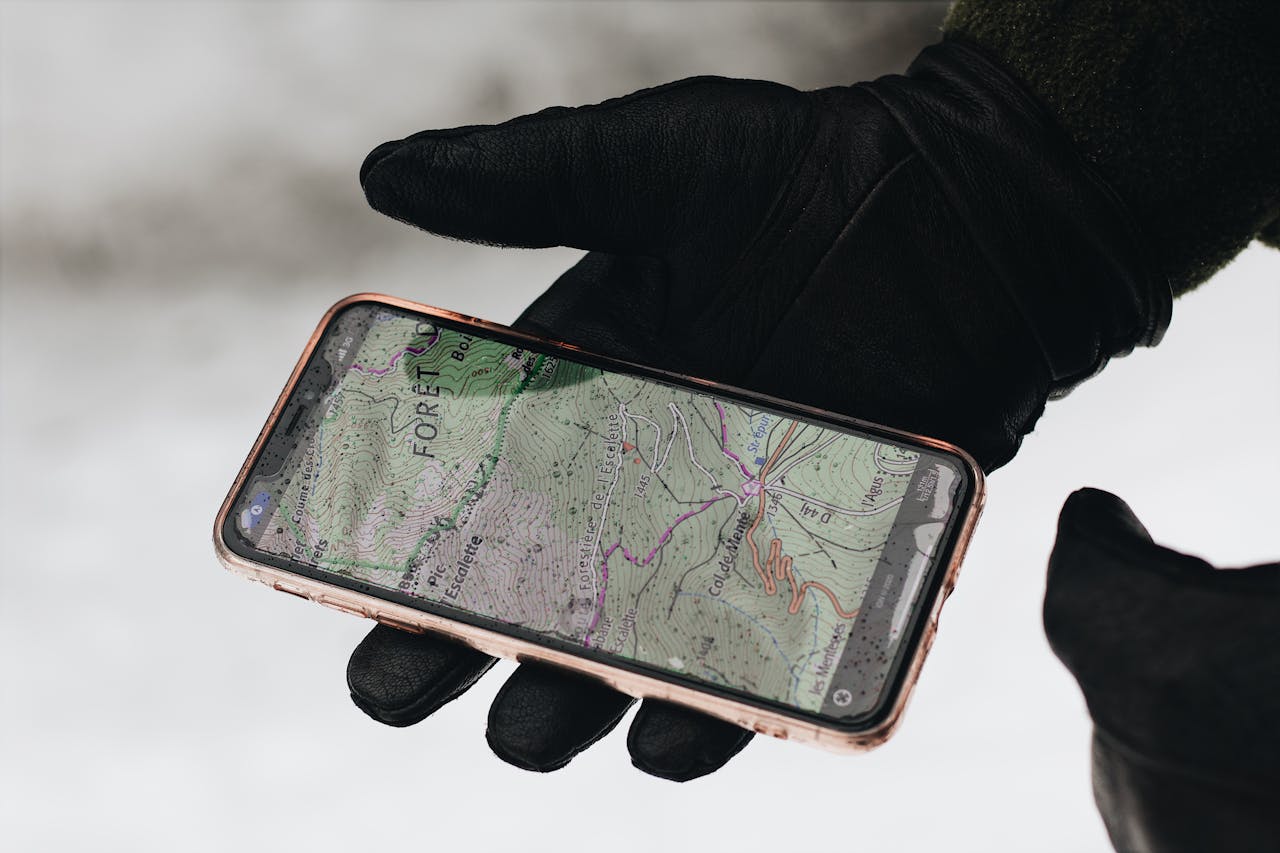
The use of artificial intelligence to generate hiking routes has become increasingly popular, offering convenience and innovation to outdoor enthusiasts. Hiking, once a traditional activity involving physical maps, guidebooks, and local advice, is now being guided by algorithms.
While the ease and accessibility of AI-generated routes can be appealing, many hikers, experts, and environmentalists are raising serious concerns. These concerns go beyond simple skepticism, warning of potential dangers in using AI to navigate the great outdoors.
Here are the seven most alarming reasons why you should think twice before relying on AI-generated hiking routes.
Overcrowding of Popular Trails
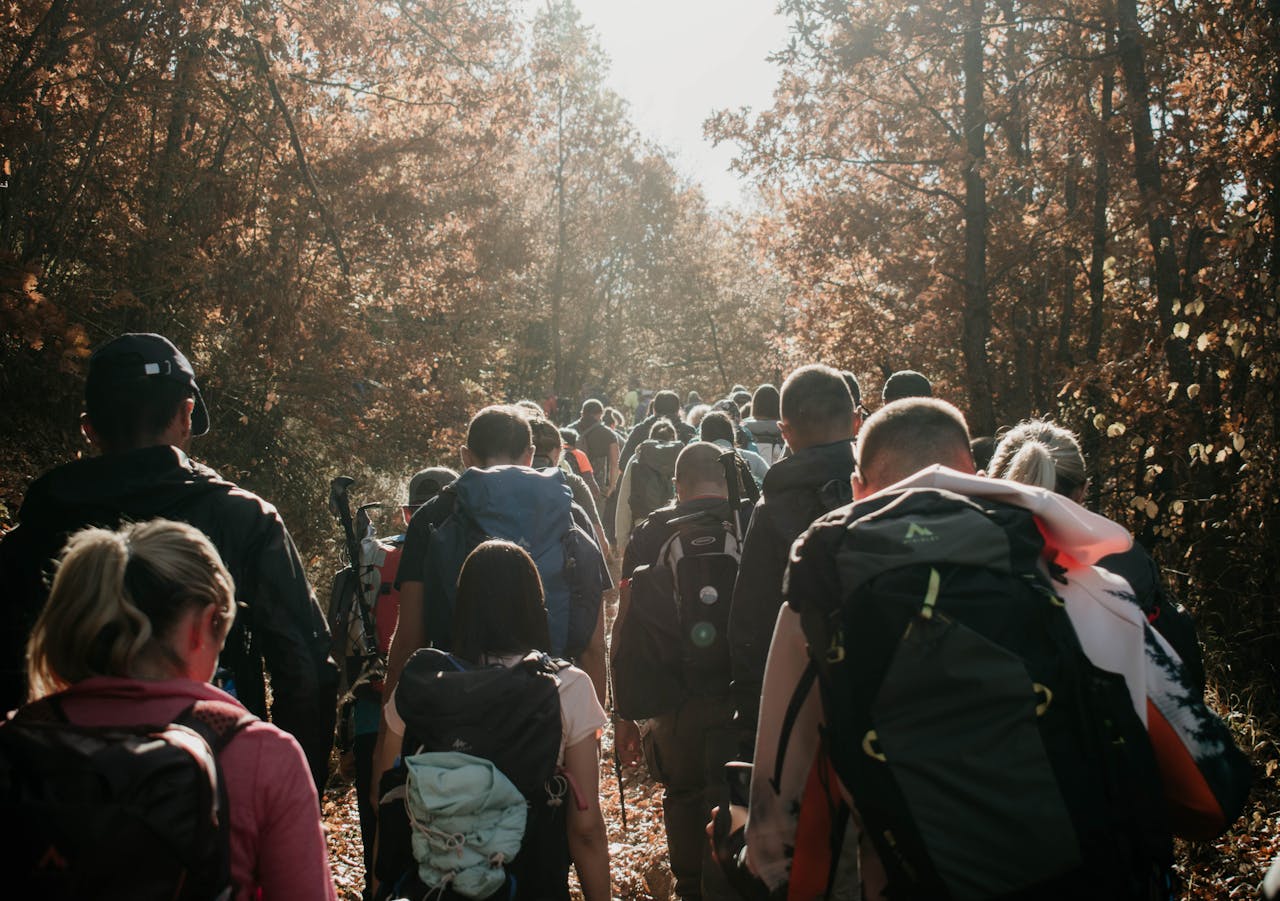
AI-generated hiking routes often suggest popular or well-known trails based on user preferences and trending data. While these trails may offer beautiful scenery or easier navigation, recommendations for popular trails can contribute to overcrowding, especially during peak seasons. Crowded trails diminish the overall hiking experience, making it harder to find solitude or connect with nature.
Additionally, the environmental impact of overcrowding on these trails is significant. Overuse can cause erosion, habitat destruction, and other long-term damage to fragile ecosystems.Moreover, AI doesn’t account for the long-term environmental impact of directing more hikers to already crowded or fragile areas.
Even if the AI algorithm is trying to provide the best route based on user feedback, it doesn’t consider the environmental costs of more people walking on the same paths. Overcrowding, while seemingly harmless in the short term, can eventually degrade natural spaces that once attracted visitors for their pristine beauty and peaceful solitude.
Inaccurate Trail Data
Trail data can change frequently, yet AI systems often rely on static or outdated information. Hiking trails can be altered by erosion, natural disasters such as wildfires or floods, or the work of trail maintenance teams. However, AI systems may not be updated regularly to reflect these changes, meaning that the trails they suggest might be inaccessible, closed, or in poor condition.
An AI-generated route might point hikers to a trail that was once well-maintained but has since deteriorated or become hazardous due to lack of upkeep.Reliance on outdated trail data can be particularly dangerous in more remote or less-traveled areas, where trail conditions change rapidly.
Hikers may find themselves on paths that were once passable but are now overgrown, washed out, or unsafe, all because the AI system has not been updated with the latest information. This discrepancy between what AI suggests and the reality of the trail can lead to dangerous situations, including hikers getting lost or injured.
Lack of Local Knowledge
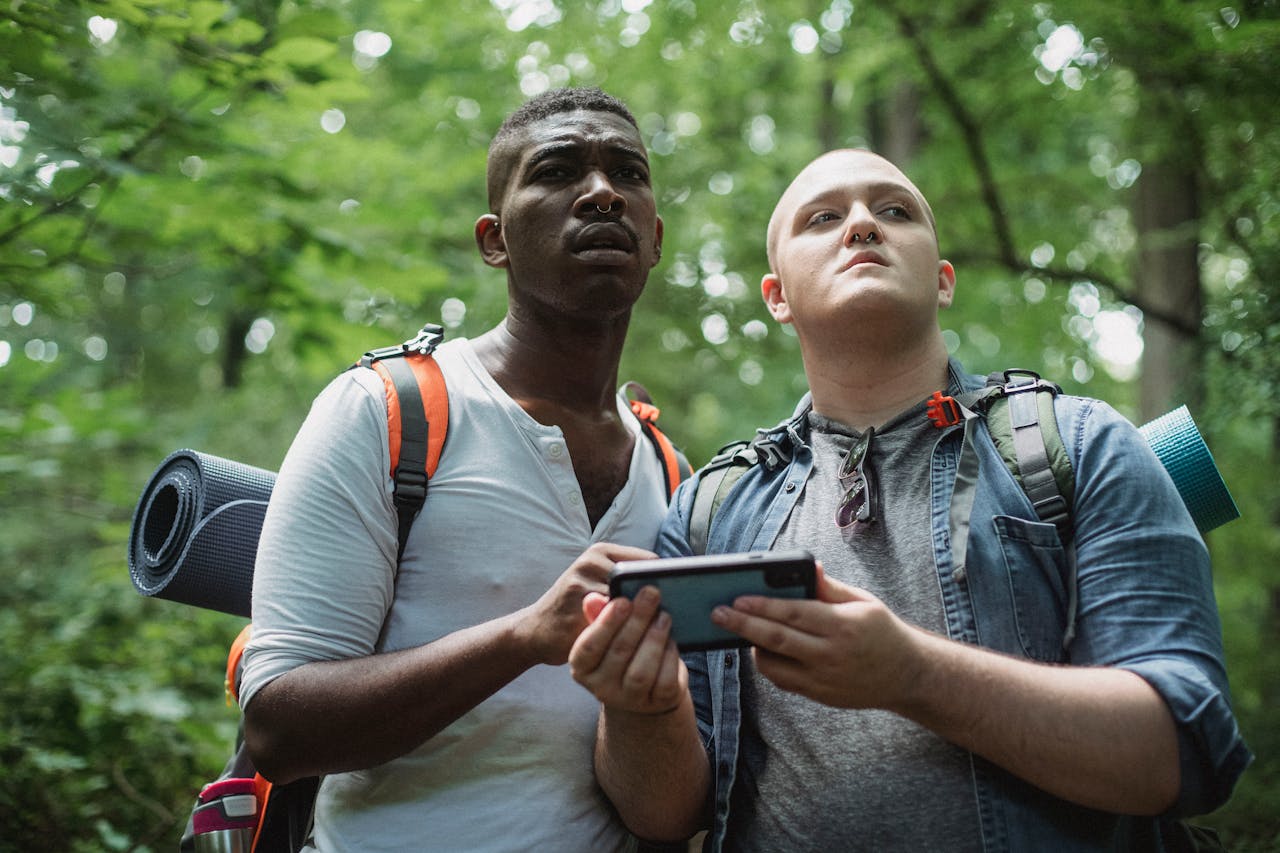
One of the most pressing issues with AI-generated hiking routes is the absence of local knowledge. AI systems are built by collecting data from various sources, such as online maps and hiking databases, but they lack the nuanced understanding of real-world conditions that local experts or experienced hikers possess. Local trails are subject to seasonal changes, wildlife activity, and weather conditions that can make them more or less accessible at different times of year.
AI systems are unable to factor in this kind of detailed, real-time information, and hikers may find themselves on trails that are either too challenging or dangerous for the current season or weather conditions.Local knowledge also plays a critical role in identifying hazards on a particular trail.
This includes everything from rock slides to the presence of wild animals or specific plants that could pose a threat. Without this knowledge, AI-generated hiking routes may lead you down paths that are unexpectedly treacherous or even closed off for safety reasons.
Lack of Consideration for Hiker Skill Level
One of the major advantages of traditional hiking advice is that it considers a hiker’s skill level, experience, and fitness. AI-generated hiking routes, on the other hand, often overlook these personal factors. An AI system may recommend a trail based solely on its difficulty rating or popularity, without considering whether it matches a hiker’s abilities.
For example, a novice hiker might find themselves on a challenging mountain trail, while an experienced hiker might be directed to an overly easy or boring route.This mismatch can lead to serious problems. Novice hikers, particularly those unfamiliar with more technical or strenuous trails, may find themselves unprepared for difficult terrain, which can lead to exhaustion, injury, or a dangerous situation.
On the other hand, advanced hikers might become frustrated by easier, less engaging trails that don’t offer the challenge they crave. Without proper consideration of the hiker’s experience, AI systems fail to provide personalized recommendations that align with individual skill levels.
Dependence on Technology

One of the fundamental aspects of traditional hiking is the sense of self-reliance it encourages. Hikers are taught to navigate with maps, compasses, and their own instincts, building a connection to nature and learning to read the landscape. However, AI-generated hiking routes replace this traditional method with a heavy dependence on technology.
While it may seem convenient to have a device guide you on your journey, this reliance on technology can be risky.If a hiker’s phone or GPS device malfunctions, loses signal, or runs out of battery, they could find themselves stranded without a way to navigate back to safety.
In remote areas with limited cell service or where paper maps and navigation skills are required, depending on an AI-generated route could leave hikers unprepared for unexpected challenges. The convenience of technology often blinds us to the potential dangers of putting too much trust in a device without a backup plan, especially when the wilderness is unpredictable.
Potential for Environmental Harm

AI-generated hiking routes might prioritize the quickest or most scenic path, but they do not always account for the environmental sustainability of those routes. Hiking on poorly chosen trails or venturing into environmentally sensitive areas can cause damage to fragile ecosystems. By design, AI systems are not concerned with ecological impact.
They may suggest paths that pass through protected wildlife areas, endangered plant species, or natural habitats susceptible to human activity.The potential for environmental harm increases when large numbers of people follow these AI recommendations without being mindful of the land they’re traversing.
As hiking grows in popularity, AI-driven routes might contribute to the degradation of the very nature that people are trying to enjoy. Hiking should always involve respecting the environment, but AI-generated routes fail to incorporate sustainability into their recommendations.
Lack of Personalized Risk Assessment
Each hiker has different health needs, fitness levels, and personal limitations. AI-generated hiking routes generally fail to assess these factors on a personal level. This means that hikers with specific health concerns, such as heart conditions or mobility issues, might find themselves on routes that are unsuitable or dangerous for their condition.
Similarly, AI doesn’t factor in personal preferences, such as whether a hiker prefers quiet, scenic routes or more social, popular paths.Personalized risk assessments are essential for ensuring that hikers are safe and well-prepared for their journey.
Without considering individual needs and preferences, AI-generated routes can put hikers at unnecessary risk. Whether due to physical health or emotional readiness for certain challenges, a one-size-fits-all route recommendation is never ideal for everyone.
Rethink Relying on AI Hiking Routes
While AI-generated hiking routes might seem like a revolutionary tool for adventurers, there are significant concerns that should not be overlooked. From inaccurate trail data to environmental harm and the risks of overdependence on technology, relying solely on AI for hiking routes can be dangerous. Nature is unpredictable, and no algorithm can replace the insights gained through local knowledge, real-time experience, and personal preparation.
Before trusting an AI-generated route for your next hike, consider the risks and ensure your safety, environmental impact, and enjoyment of the outdoors remain top priorities. The best hiking experiences still come from connecting with nature, using your instincts, and preparing thoroughly for the journey ahead.


