

Canned foods have long been a convenient solution for busy households, offering long shelf life and ease of preparation. However, not all canned items deserve a spot in your kitchen. While some canned products can be handy in a pinch, many are loaded with excessive amounts of salt, unhealthy fats, artificial additives, and preservatives.
These ingredients can negatively affect your health in the long run. In this article, we’ll take a closer look at seven common canned foods you should avoid and explore why they don’t make the cut for a healthy, well-balanced pantry. It’s time to swap them out for fresher, more nutritious alternatives.
Canned Pasta
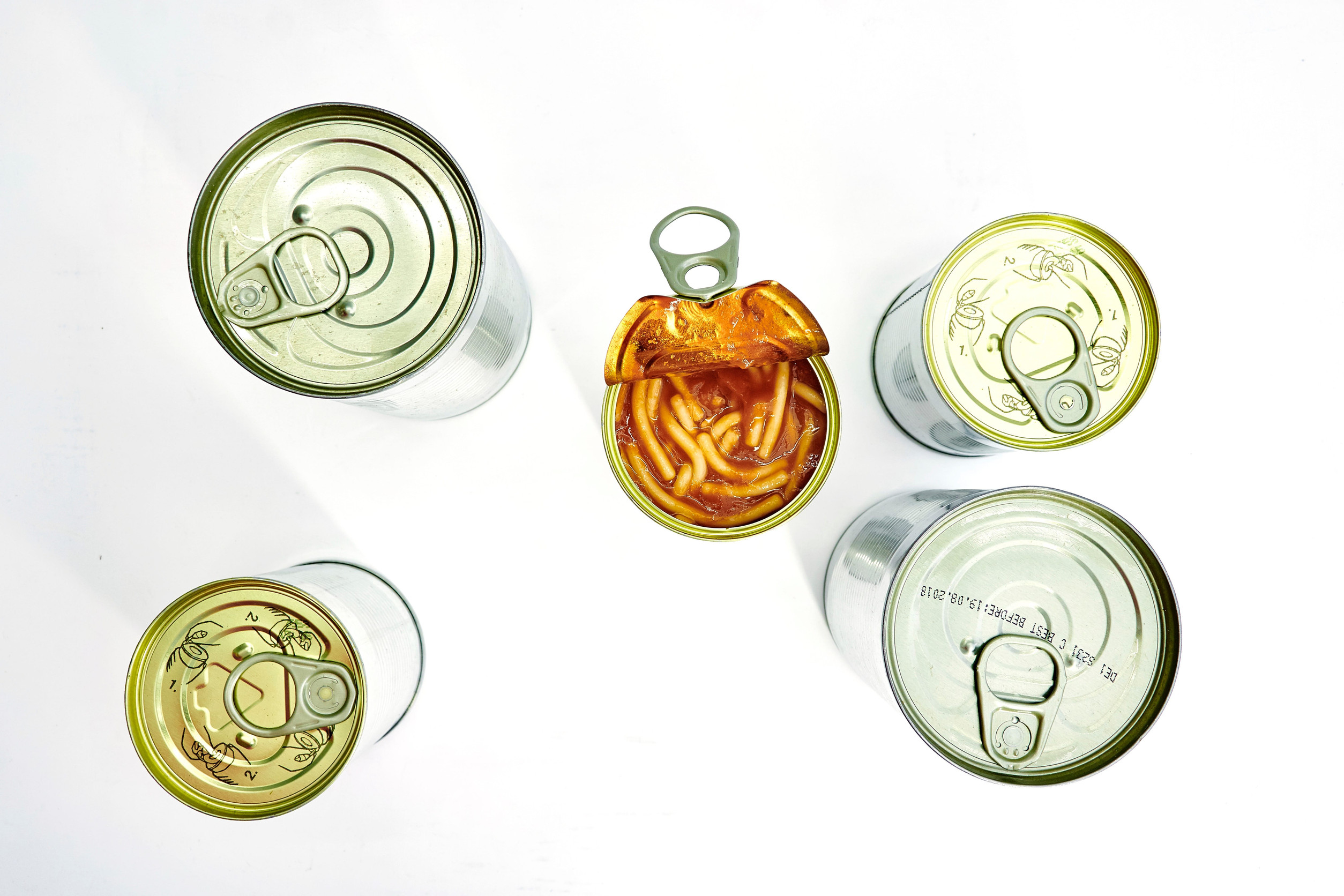
Canned pasta, including popular varieties like SpaghettiOs, has long been a go-to comfort food for many. While convenient, it’s also loaded with sodium, preservatives, unhealthy fats, and artificial flavorings. These canned pastas contain little to no nutritional value, leaving you with a meal that’s not only unappetizing but also potentially harmful to your health.
The ingredients used to preserve these products are often the culprits, adding unnecessary chemicals to your food. Cooking pasta from scratch is incredibly easy, simply boil water, add your pasta, and make a delicious sauce with fresh ingredients. Not only is it healthier, but it’s also far more flavorful and satisfying than anything you’ll find in a can.
Canned Refried Beans
Refried beans are a staple in many households, especially in Mexican and Southwestern cuisine, but canned versions are far from healthy. Most canned refried beans are made with hydrogenated oils or lard, which are high in unhealthy trans fats that contribute to heart disease and other chronic conditions.
Additionally, these beans are high in sodium, often containing up to 1,000 milligrams per serving, which can raise blood pressure and increase the risk of cardiovascular issues. Instead of relying on canned refried beans, make your own from scratch with healthier oils like olive or avocado oil, and you can control the sodium while enjoying a fresh, delicious dish.
Canned White Tuna

Tuna is considered a healthy protein source, but canned white tuna, particularly albacore tuna, can pose significant health risks due to its high mercury content. Mercury is a heavy metal that can accumulate in the body over time, leading to potential health problems, especially in pregnant women, children, and individuals with compromised immune systems.
Canned white tuna typically contains up to three times more mercury than other types of tuna, such as skipjack or light tuna. Regular consumption of high-mercury tuna can lead to neurological damage and developmental issues. While tuna is convenient and readily available, it’s important to limit intake of white tuna and opt for lighter tuna varieties or fresh fish to reduce mercury exposure.
Canned Soup
Canned soup may once have been a go-to comfort food, but most varieties are high in sodium, preservatives, and unhealthy fats. A single can of soup can contain more than 1,000 milligrams of sodium, which is nearly half of the recommended daily intake. Additionally, many canned soups contain added sugars and trans fats to enhance flavor and extend shelf life.
These ingredients not only compromise the soup’s nutritional value but can also contribute to weight gain, high blood pressure, and other health issues when consumed regularly. Making homemade soup is easy and lets you control the ingredients, helping you avoid excess sodium and preservatives found in canned versions. Plus, it’s much more flavorful and satisfying when made from scratch.
Canned Corned Beef
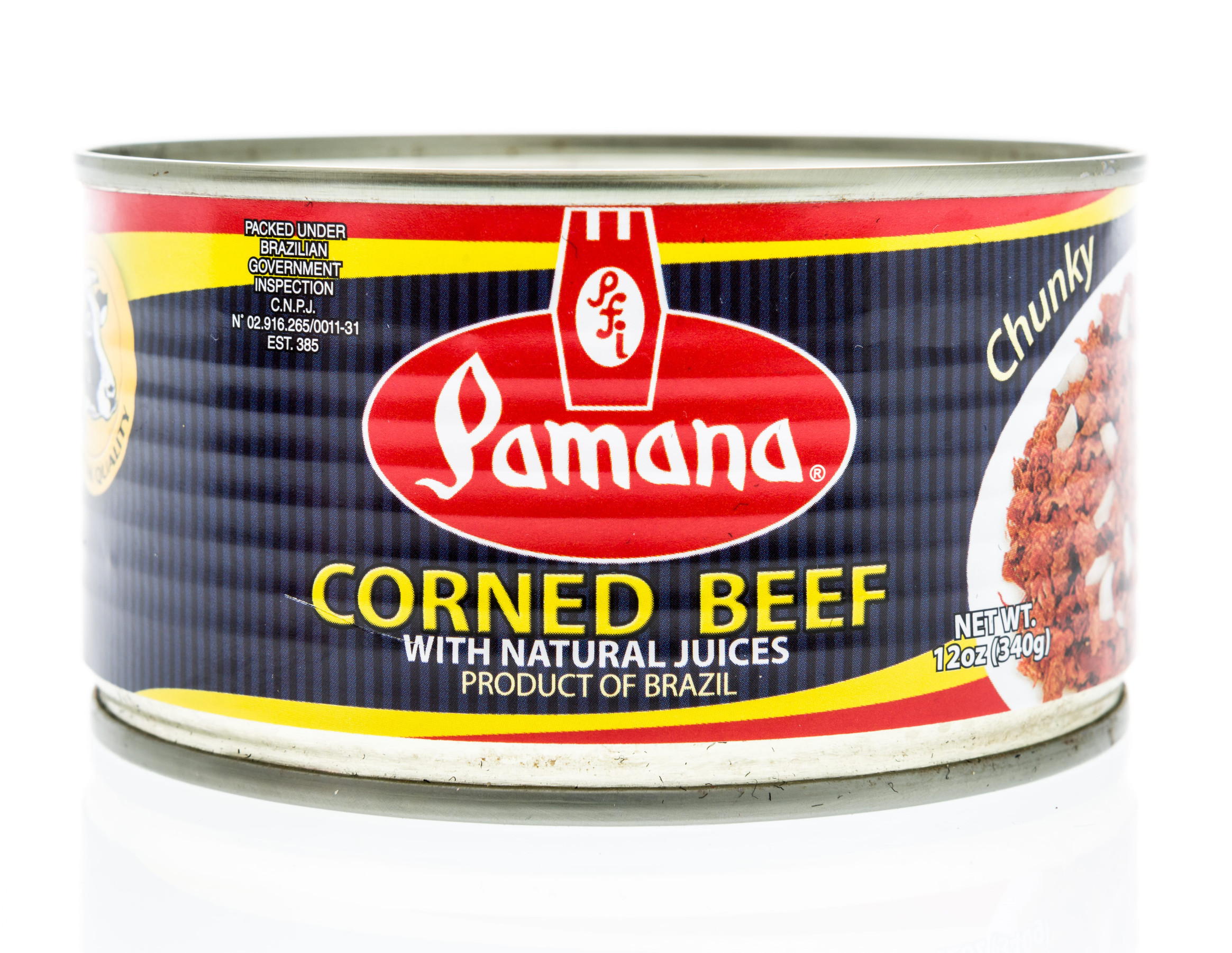
Canned corned beef is a nostalgic option for some, but it’s far from a health-conscious choice. Unlike fresh brisket corned beef, which is made from high-quality cuts of meat, canned corned beef often contains lower-grade meat and excessive sodium due to the preservation process.
The brining method used to preserve the meat also contributes to the high sodium content, which can raise blood pressure and increase the risk of heart disease. Additionally, processed meats like corned beef have been linked to an increased risk of cancer, particularly colorectal cancer. If you crave corned beef, opt for fresh, lean cuts and cook them yourself for a healthier and more flavorful meal.
Canned Vienna Sausages
Vienna sausages may seem like an easy snack or meal, but they come with a list of health concerns. These tiny sausages are often filled with sodium, nitrates, and preservatives to extend their shelf life. High sodium intake is linked to elevated blood pressure, which increases the risk of heart disease and stroke.
Additionally, the sausages contain more fat than protein, making them an unhealthy choice for anyone trying to maintain a balanced diet. Instead of reaching for a can of Vienna sausages, consider healthier protein-packed snacks like boiled eggs, roasted nuts, or grilled chicken that don’t contain harmful additives.
Canned Fruit Cocktail

Canned fruit cocktail may seem like a quick way to satisfy a fruit craving, but it’s far from the healthy option you might think. Typically, canned fruit cocktail is packed in heavy syrup, which significantly increases its sugar and calorie content, making it a less healthy snack. Even varieties labeled “no added sugar” are often sweetened with artificial alternatives, which can harm your gut health and disrupt your metabolism.
Furthermore, the canning process causes the fruit to become mushy and lose its fresh, vibrant flavor. To get the real taste and nutritional benefits of fruit, it’s better to reach for fresh or frozen alternatives. These options provide all the vitamins and fiber without the unnecessary sugars and chemicals.
Conclusion
While canned foods can offer convenience and a long shelf life, many fall short in terms of nutrition and health. From excessive sodium and unhealthy fats to artificial additives and preservatives, canned foods can pose a risk to your overall well-being. By choosing fresh, frozen, or homemade alternatives, you can ensure that your meals are not only more flavorful but also healthier and more nutritious.
Skip the canned options that are full of empty calories and additives, and start filling your pantry with fresh ingredients that support your health and contribute to a well-balanced diet. Remember, the best food nourishes your body, not just your taste buds.
Read the original article in Crafting Your Home.


