

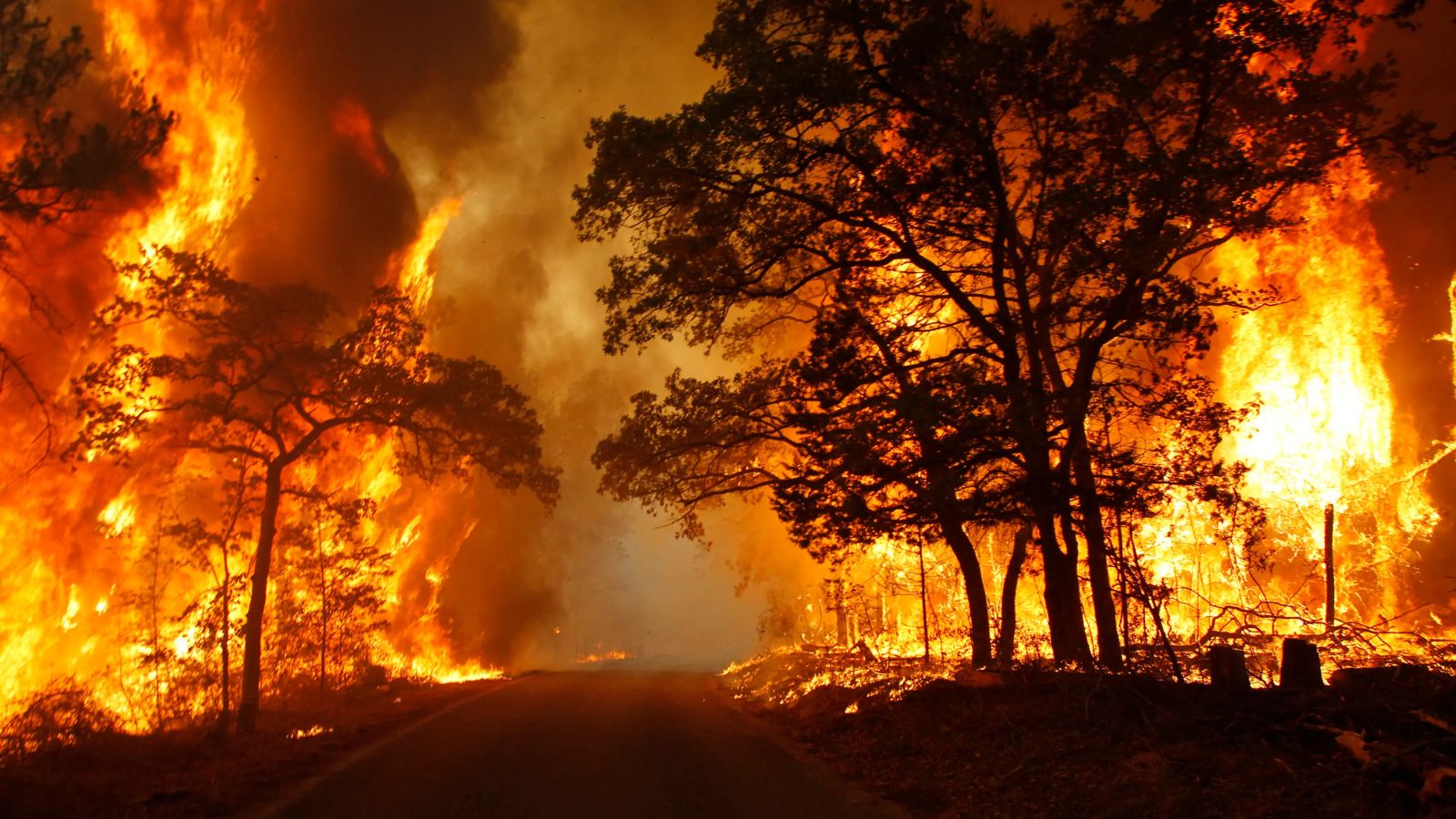
Throughout history, humanity has faced the unpredictability of natural disasters—earthquakes, tsunamis, volcanic eruptions, and storms—events that can cause widespread devastation and fear. In ancient times, with little understanding of the scientific causes behind these phenomena, people turned to mythology, folklore, and spiritual beliefs to explain their origins.
From massive sea spirits to trapped gods, cultures around the world have woven fascinating stories to make sense of the forces beyond their control. These myths not only served as attempts to understand the natural world but also provided comfort and a way to navigate the fear and uncertainty that disasters often brought.
In this article, we explore ten of the most bizarre and imaginative ways humans have tried to explain the seemingly uncontrollable forces of nature.
Tsunamis Are Sent by a Sea Spirit
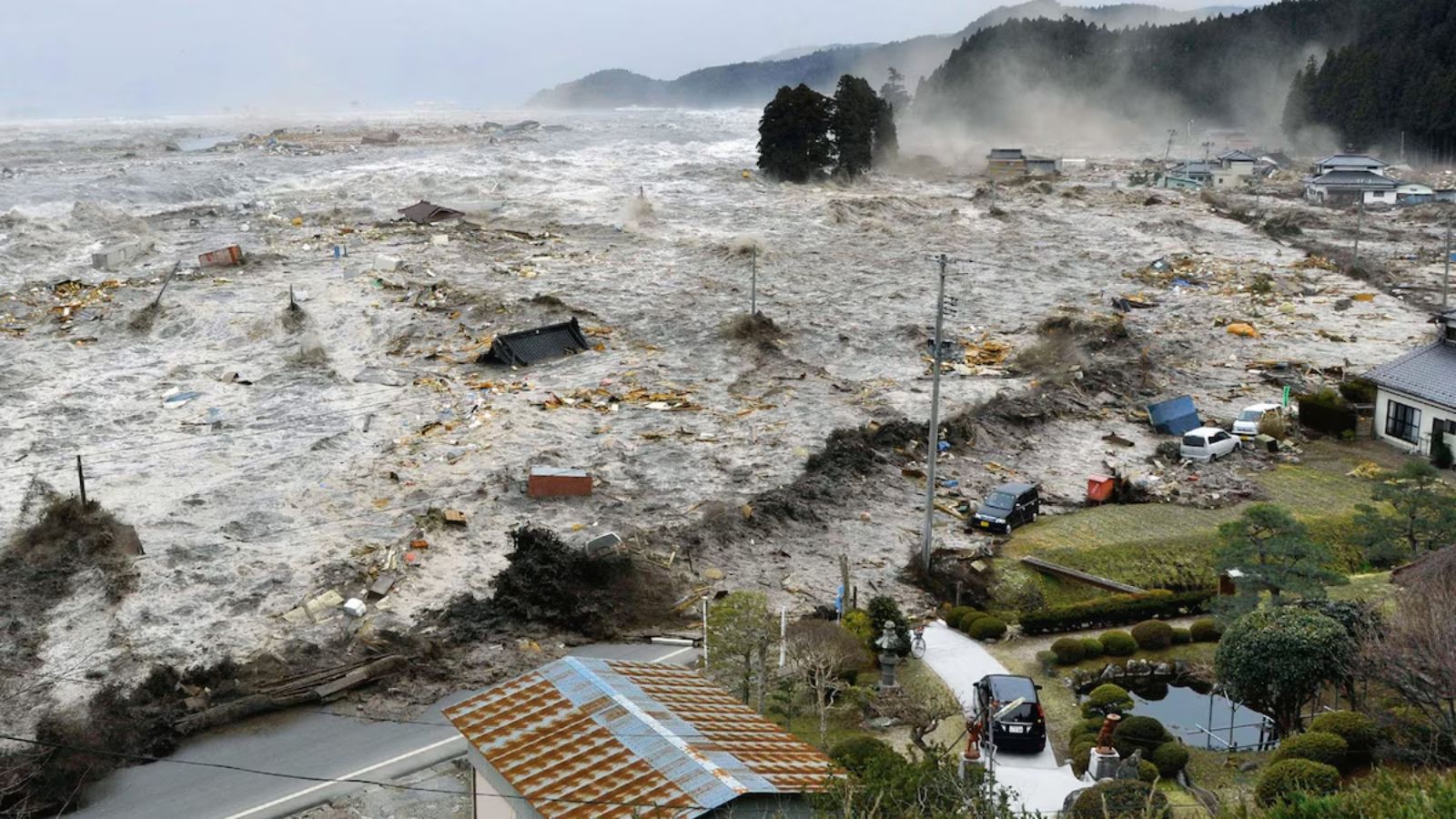
In Southeast Asia, particularly in parts of Indonesia and Malaysia, people believed that tsunamis were sent by Katoy Oken, a spirit who resided in the sea. This spirit was thought to control the waves, and when it became angry, it would cause massive surges to flood the land.
People would often see signs, such as the receding of water from the shore, as warnings of an impending tsunami. These signs were interpreted as the spirit preparing to send the waves, so local villagers knew to flee. This belief likely helped communities survive tsunami events when they weren’t fully understood scientifically.
This shows how ancient cultures sought to explain the forces of nature that were both terrifying and beyond their control.
Earthquakes Are Caused by a Giant Catfish
The Japanese myth of the giant catfish, Namazu, is an interesting tale that attempts to explain earthquakes. According to the myth, Namazu lives deep beneath the earth, and when it thrashes its massive tail, it causes the ground to shake.
The earth’s stability was said to be guarded by a god, Kashima, who would place a large stone on the fish to keep it still. However, if the god grew lazy or distracted, the catfish would stir, creating earthquakes.
This myth offered an imaginative way to explain the sudden and violent shaking of the earth, which ancient civilizations found impossible to predict.
Volcanoes and Quakes From a Buried God’s Child
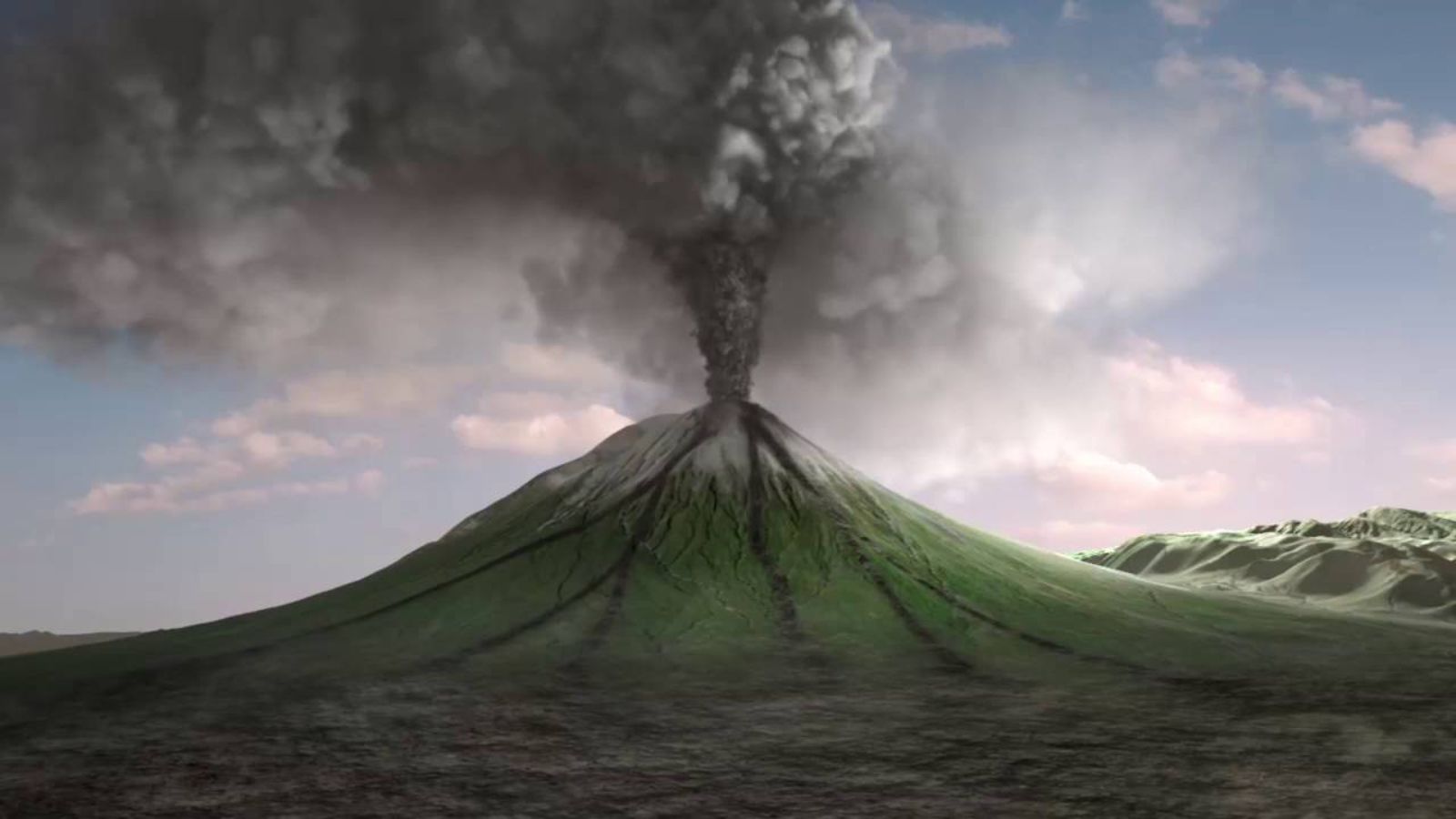
In Māori mythology from New Zealand, the Ruaumoko is the god of earthquakes and volcanoes. He is said to be the unborn child of the sky god Ranginui and the earth goddess Papatūānuku. While still in his mother’s womb, Ruaumoko was trapped underground, and his movements would cause eruptions and tremors on the surface.
The Māori believed that his restlessness below the earth caused the shaking of the ground and volcanic eruptions, which were seen as his expressions of anger or discomfort. The idea of a god causing such natural events provided a divine explanation for terrifying, unpredictable phenomena.
Volcanoes and Quakes from Aztec God Battles
The ancient Aztecs had a vivid mythology explaining the destruction caused by volcanoes and earthquakes. They believed that their world had gone through several “suns” or eras, each ending in a catastrophic event brought about by the gods’ battles.
For example, one era was destroyed by earthquakes, and another by floods, all as a result of divine warfare. This belief system linked natural disasters to the will of the gods, viewing violent phenomena as either punishments or consequences of divine conflict.
This narrative helped people make sense of the random and devastating nature of earthquakes and volcanoes in the Aztec world.
The Earth Mother’s Wrath
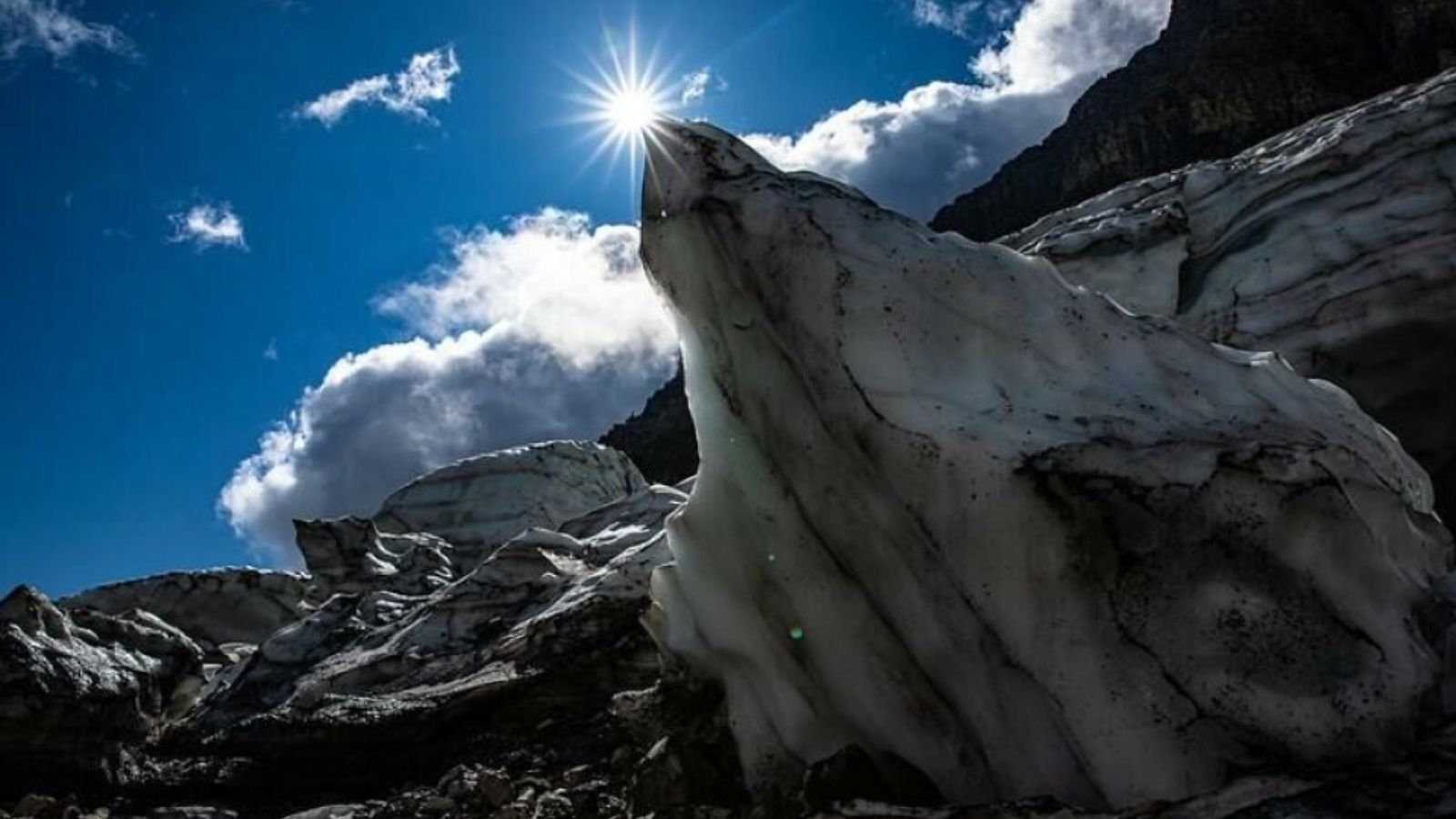
The Pachamama is the Earth Mother in Andean culture, particularly among the Quechua and Aymara people of Peru and Bolivia. She is revered as the provider of all crops and natural wealth. However, when humans failed to show her proper respect, it was believed that she would unleash earthquakes, landslides, and storms as a form of punishment.
This myth reflects a deep connection to nature, in which the health of the land is directly linked to human actions. The Andean people believed that offerings and ceremonies could appease Pachamama, preventing her from causing natural disasters.
Earthquakes From a Hero Trapped in the Mountains
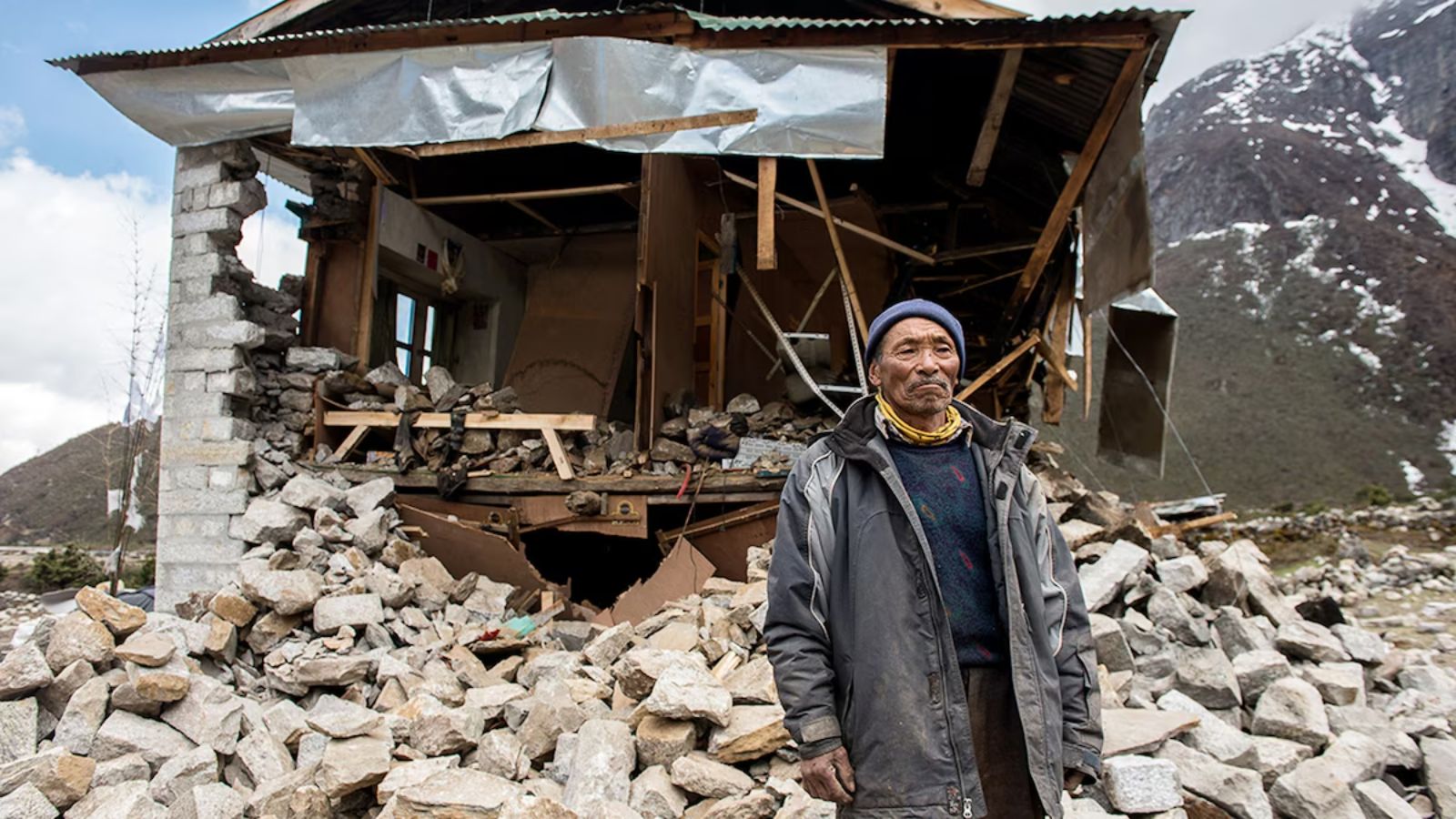
In Philippine mythology, the tale of Bernardo Carpio explains earthquakes as the result of a trapped hero’s struggle. Bernardo Carpio was said to be a giant who was trapped between two mountains by a powerful king. His efforts to free himself from the mountains caused the earth to shake, which the people interpreted as earthquakes.
This myth not only explained the shaking of the earth but also created a cultural hero figure who was linked to the land’s natural events. It was a form of storytelling that humanized the natural disaster, making it something more understandable and less frightening.
Volcanoes Born From a Dead Fire God
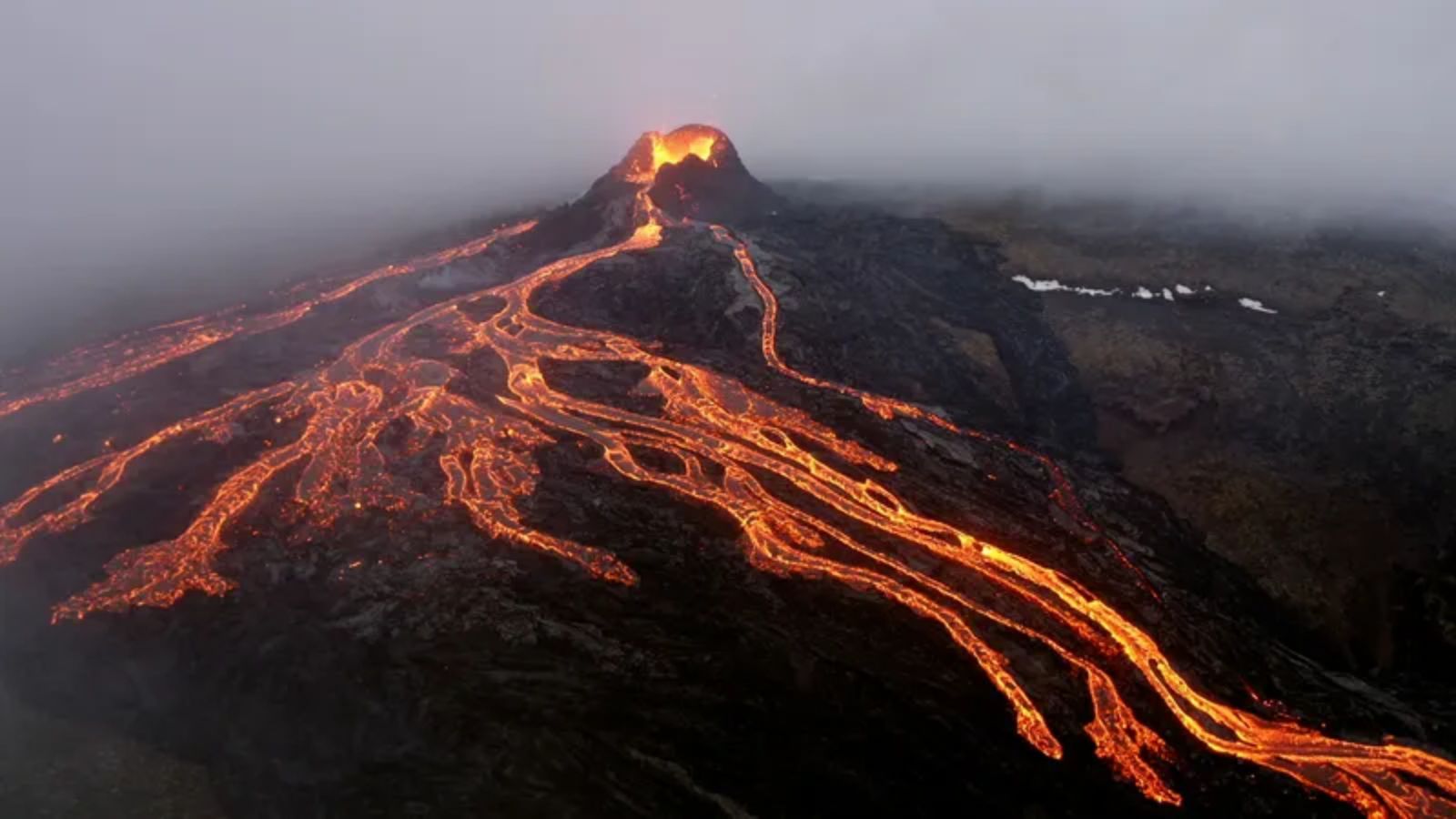
In Japanese mythology, the god Kagutsuchi was the god of fire. He was killed by his father Izanagi, and from his blood and body, the volcanoes of Japan were born. The violent eruptions of these volcanoes were thought to be the remnants of Kagutsuchi‘s fiery nature.
This mythological tale connected the destructive power of volcanoes with a divine cause, making it a story that explained both the origin of volcanoes and the unpredictable eruptions they caused. It also served to explain the concept of life and death in the natural world, where gods were born, lived, and died, affecting the human realm.
Ill-Tempered Gods Bring Disease and Disaster
In Mesopotamian mythology, gods such as Nergal, who was associated with plague and war, were often blamed for natural disasters like epidemics and crop failures. People believed that these gods became angry or jealous, causing suffering in the human world.
For example, Nergal was thought to bring disease and pestilence whenever his wrath was provoked. In a world without modern medicine, attributing plagues and disasters to the wrath of gods provided an explanation for inexplicable suffering, especially in times when people had little control over disease or famine.
Storms Brought by Thunderbird Wings
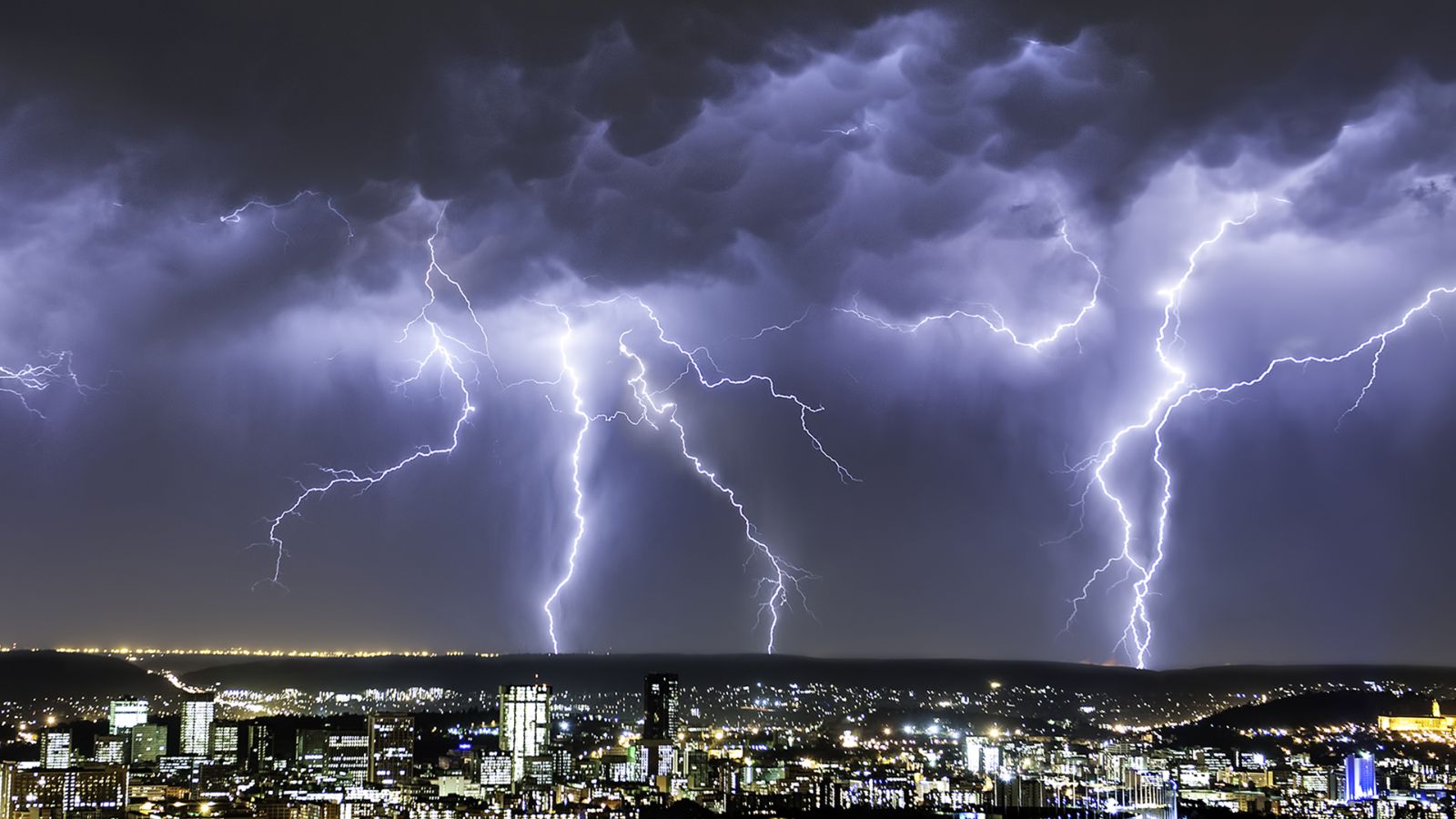
In Native American mythology, particularly among the Algonquian tribes, the Thunderbird was a giant bird whose wings caused thunder and lightning. The Thunderbird was said to fly across the sky, and when its wings flapped, storms would form.
The people believed the Thunderbird was not only a powerful force of nature but also a protector, with the storm being a form of defense against evil spirits. This myth helped explain the unpredictable and often dangerous weather patterns in North America, turning a natural phenomenon into a sacred and divine event.
Ancient Irish God of Plagues
In pre-Christian Ireland, the god Crom Cruach was associated with agricultural fertility, but he was also blamed for pestilence and destruction when his followers failed to make the proper sacrifices. It was believed that Crom Cruach could unleash plagues and other disasters on the land if humans neglected their duties to him.
The myth was rooted in the idea that nature and the gods were deeply intertwined, and any neglect of spiritual rituals could bring about suffering in the form of natural disasters. The tale of Crom Cruach served as a reminder of the importance of maintaining the balance between human actions and the natural world.
Conclusion
These myths illustrate how ancient cultures tried to make sense of the natural world. From giant creatures to angry gods, these stories provided comfort and understanding in a world full of unpredictable and terrifying events.
They reflect the human need to find patterns and causes in the chaos, often linking natural disasters to forces beyond human control but still deeply connected to human actions and divine will.


