


For veterans struggling with PTSD, daily life can feel overwhelming and isolating. The psychological toll of past trauma can make even simple tasks seem insurmountable. Fortunately, service dogs are proving to be life-changing companions, providing not just emotional support but a sense of security and purpose.
Here are 8 ways how these incredible animals help veterans reclaim their lives, one paw at a time.
Emotional Support When It’s Needed Most
Service dogs are trained to offer emotional support during times of high anxiety or distress, which is crucial for veterans with PTSD. Their presence provides a calming effect, helping veterans feel grounded and more in control of their emotions. The unconditional love and loyalty of a service dog offer a comforting reminder that they’re not alone in their struggles.
Breaking the Isolation
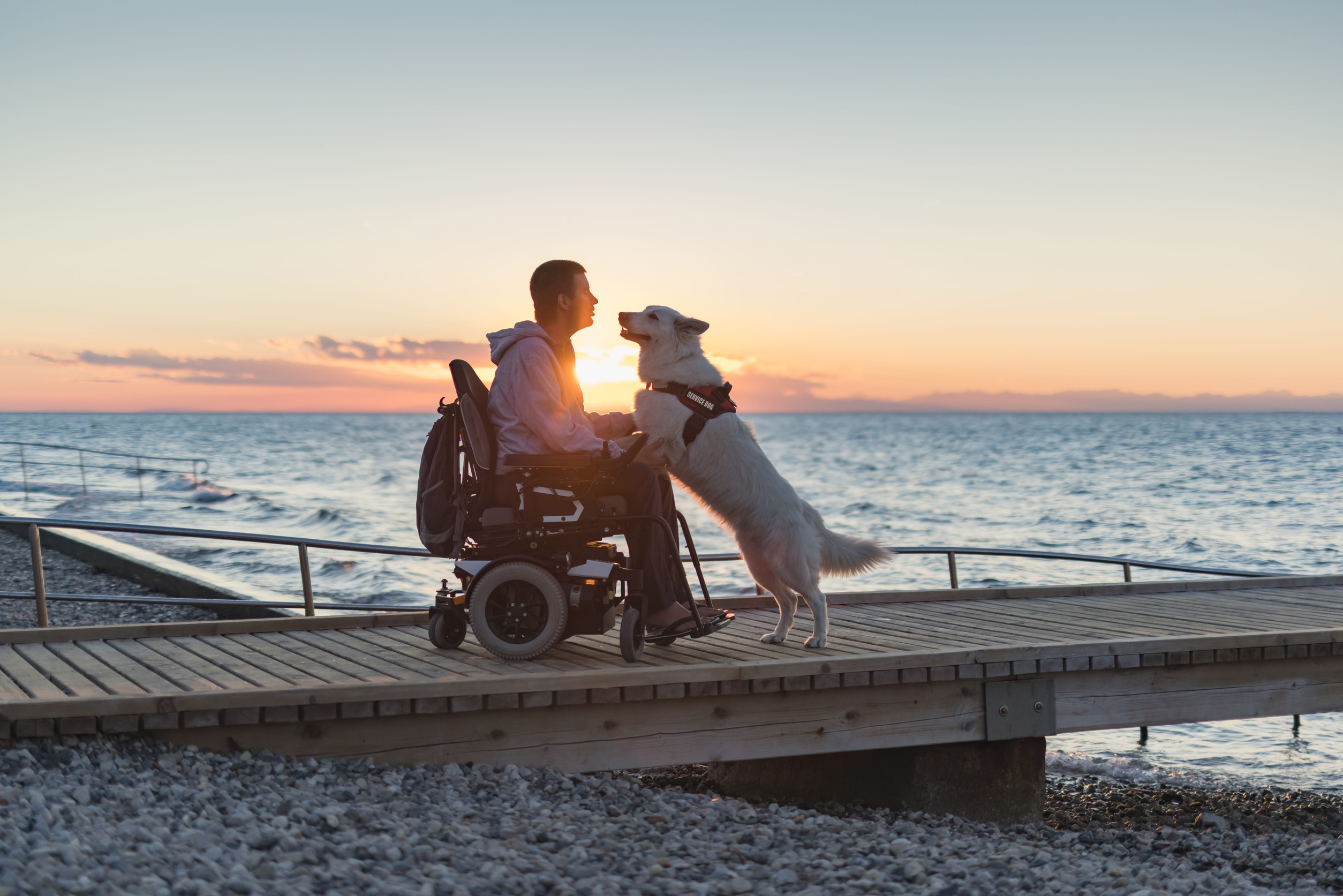
PTSD can cause veterans to withdraw from social situations, leading to feelings of loneliness and isolation. A service dog offers a constant companion, encouraging interaction with others and reducing feelings of being alone. The dog can act as a bridge, making it easier for veterans to engage in daily activities that might otherwise be too daunting.
Enhanced Safety and Security
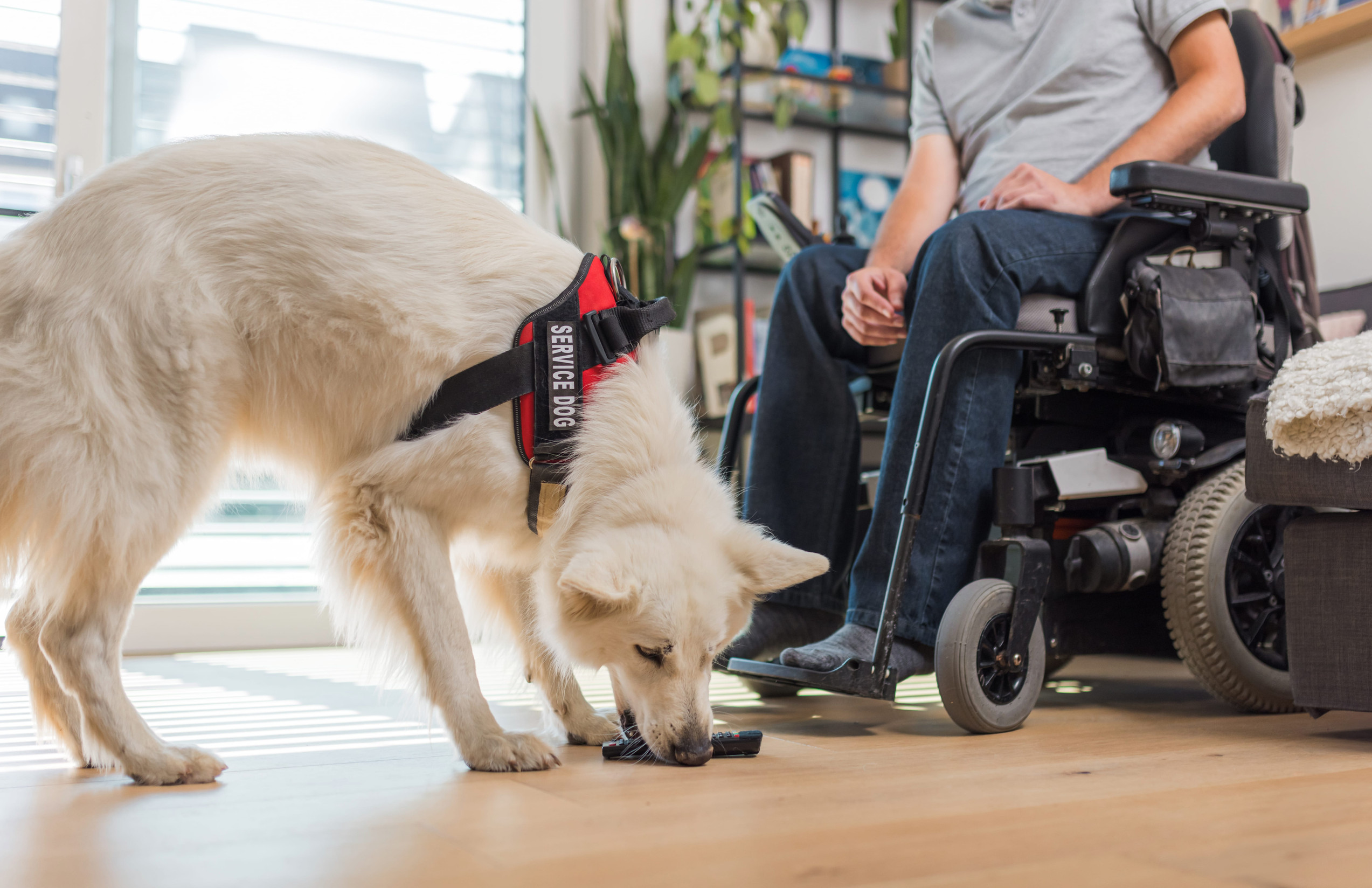
Many veterans with PTSD experience heightened vigilance, hyperarousal, and even panic attacks, which can make them feel unsafe in everyday environments. Service dogs are trained to detect changes in their handler’s emotional state and can offer a physical presence that provides reassurance. This added sense of security can help veterans feel more in control, especially when navigating unfamiliar or stressful situations.
Providing a Sense of Purpose
One of the significant challenges of PTSD is the loss of a sense of purpose or meaning in life. Service dogs give veterans a reason to wake up and care for another living being, fostering routine and structure. The responsibility of caring for their dog also gives veterans a sense of achievement and pride in their role as caregivers.
Reducing the Frequency of Flashbacks
PTSD can trigger intense flashbacks, where veterans relive traumatic experiences from their past. Service dogs are trained to interrupt these flashbacks by providing physical contact or using commands that draw the veteran’s attention away from the traumatic memory. This simple yet effective method can break the cycle of flashbacks, helping veterans regain control over their minds in those moments of distress.
Encouraging Physical Activity
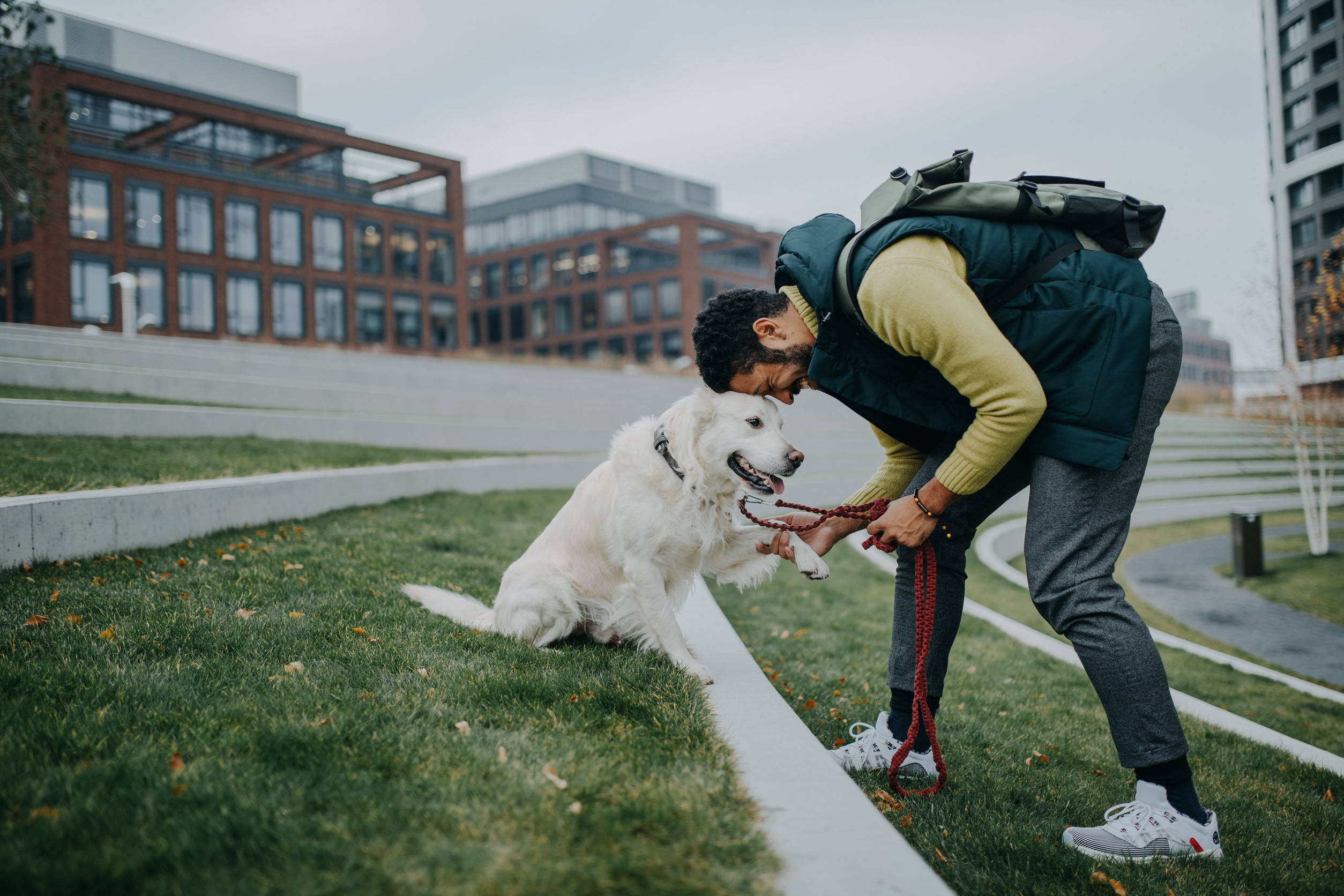
Physical activity is essential for managing PTSD symptoms, but many veterans find it difficult to stay active due to emotional or physical barriers. Service dogs can motivate their owners to exercise by requiring regular walks, playtime, or outdoor activities. This encourages a healthier lifestyle and helps veterans stay physically active, which has been shown to benefit mental health.
Offering a Calming Presence in Public Spaces
Leaving the house can be daunting for veterans with PTSD, as public places can trigger anxiety or panic. Service dogs offer a calming presence, making it easier for veterans to navigate crowded or chaotic environments. The dog’s behavior and training allow veterans to feel more secure in public spaces, giving them the courage to go out and resume normal activities.
Strengthening Bonds and Relationships
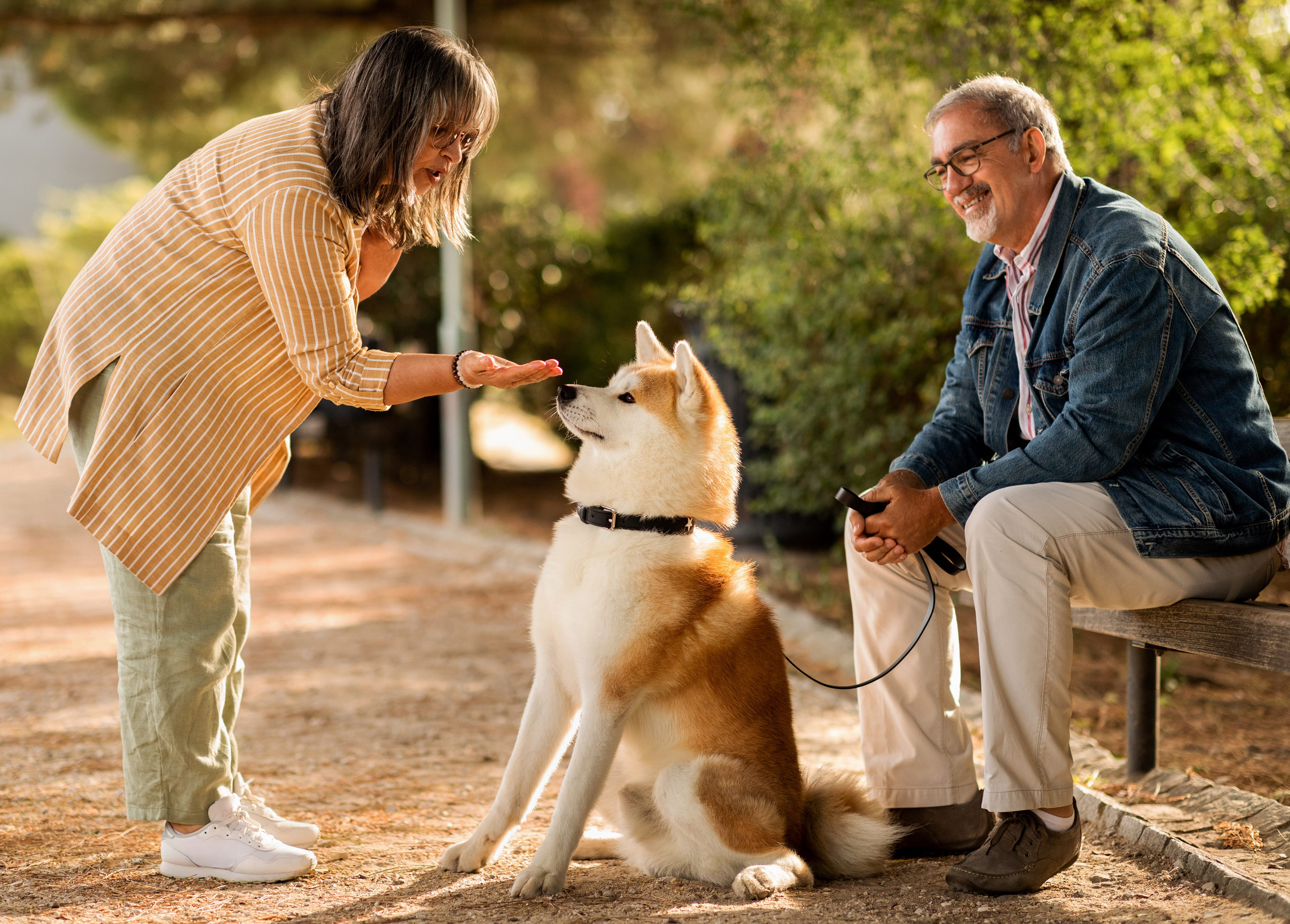
Veterans with PTSD often struggle with interpersonal relationships due to trust issues, irritability, or emotional numbness. Service dogs help break down these barriers by offering a non-judgmental presence, which can ease communication and build trust. Over time, the bond between a veteran and their service dog grows stronger, fostering emotional healing and connection.
Conclusion
For veterans with PTSD, the road to recovery can be long and filled with challenges. However, service dogs provide much-needed support, offering emotional comfort, security, and companionship in a world that often feels overwhelming.
These remarkable animals help veterans reclaim their lives, reduce symptoms, and rebuild relationships. With a service dog by their side, veterans can find hope and healing, navigating the complexities of PTSD with newfound strength and resilience.


