

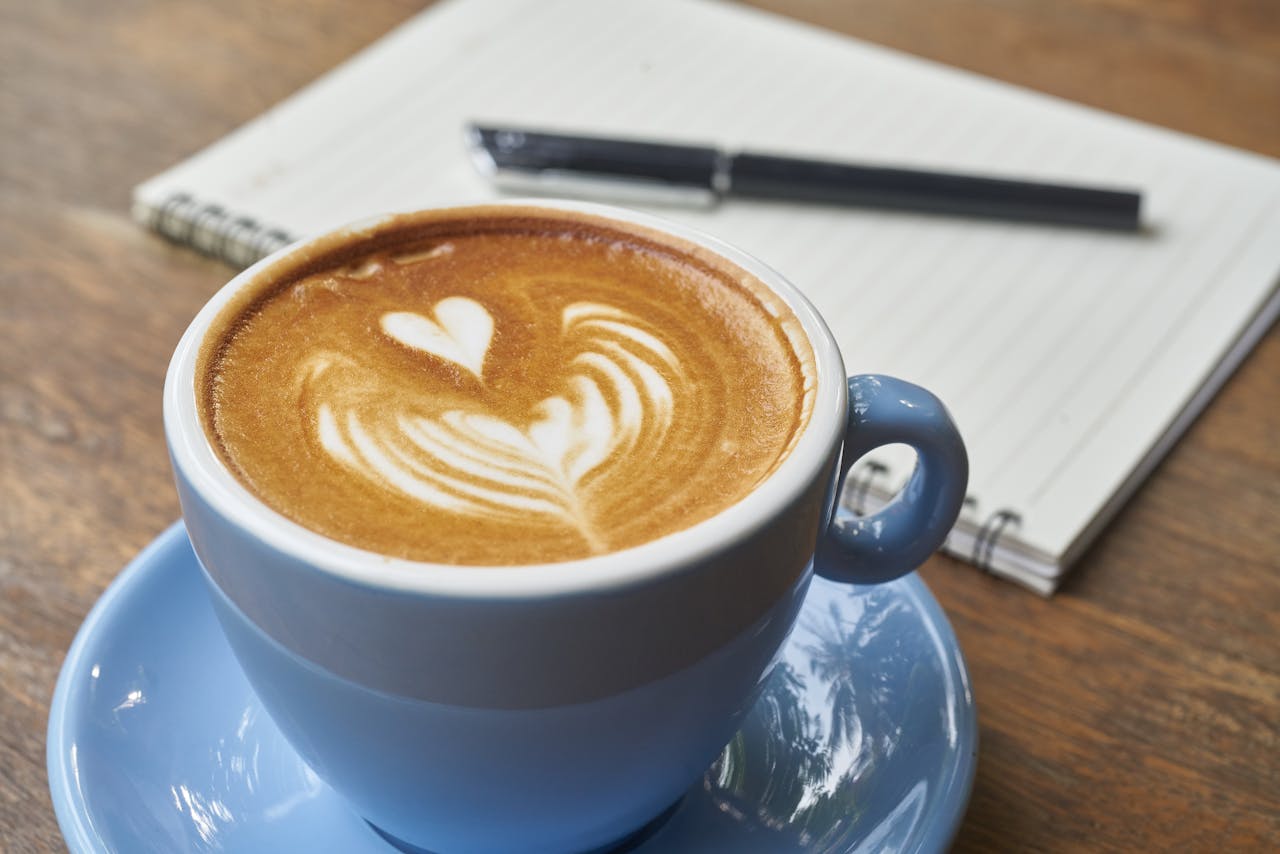
The age-old question remains: what can lift the fog of depression and spark joy? Some turn to coffee, while others explore microdosing, seeking alternative ways to boost their mental health. But what if the answer to lifting that cloud of despair was simpler than we thought? Could coffee, something most of us rely on for that daily boost, hold the key to alleviating symptoms of depression in a more effective and accessible way than microdosing?
Here are eight reasons you might want to choose coffee over microdosing to improve your mood and mental well-being.
Natural Boost of Energy and Alertness
Social and Cultural Connection

Coffee has always been more than just a beverage, it’s a social ritual. Whether it’s grabbing a cup with a friend or enjoying a quiet moment alone in a café, coffee provides an opportunity to connect with others or take a moment for self-reflection. For those battling depression, the social aspect of coffee can play an important role in mental health.
Sharing a coffee with a loved one, engaging in conversation, or simply being in the presence of others can offer comfort and lessen feelings of isolation.On the flip side, microdosing is often a private or even secretive practice, with many people keeping their experiences to themselves due to its controversial nature.
This solitude can lead to feelings of isolation, which may actually exacerbate the very symptoms people are trying to alleviate. Coffee, in contrast, encourages human connection and helps foster relationships, offering both a mental and emotional lift.
Available and Affordable
Microdosing, in comparison, often requires sourcing specific substances, which can be expensive or even illegal depending on your location. The effort required to procure the necessary materials for microdosing, combined with the cost of purchasing them, may create unnecessary barriers to mental health care. Coffee, by contrast, can be enjoyed every day without the hassle, expense, or legal risk.
Regulated and Safe
Microdosing can involve substances such as psychedelics, which are not only controversial but also illegal in many parts of the world. Furthermore, the lack of regulation means there is no guarantee of quality or consistency, and side effects can vary significantly from person to person. Coffee, on the other hand, offers a regulated, safe alternative that provides a consistent and predictable experience, which is an important consideration for those seeking mental clarity and stability.
Mood-Enhancing Properties

While microdosing may have the potential to elevate mood by stimulating certain brain pathways, the effects are often unpredictable and can vary widely based on individual tolerance and the substance used. Coffee, on the other hand, has been consistently shown to improve mood and cognitive function in a reliable and safe manner, making it a preferable option for those seeking consistent results without the risk of adverse effects.
No Legal Complications
Even in places where microdosing might be legally permissible, there is still the risk of stigma or legal ambiguity surrounding certain substances. Coffee is a safe, legal, and widely accepted option that allows people to manage their mental health without fear of breaking the law. Its accessibility and legality make it the less complicated choice.
Improves Cognitive Function

Microdosing may also improve cognitive performance in some people, but the effects can be inconsistent, and it is often difficult to predict how any given substance will impact cognitive function. By choosing coffee, you can ensure a consistent and effective mental boost without the uncertainty or experimentation required with microdosing.
Long-Term Benefits Without Risk of Dependence
In contrast, coffee is a socially accepted and widely practiced part of daily life, with few risks when consumed responsibly. For those who are looking for an effective, sustainable way to improve their mental health without the potential for harmful dependencies, coffee presents a safer, long-term option.
Conclusion
When it comes to alleviating the symptoms of depression, coffee presents a practical, safe, and effective alternative to microdosing. With its mood-boosting properties, cognitive benefits, and accessibility, coffee offers a reliable and predictable way to feel better and stay mentally sharp. While microdosing may seem appealing to some, its risks and uncertainties make it a less desirable option for many.
By choosing coffee, you can enjoy the benefits of improved mental health without the potential complications, making it a simple yet powerful tool in your mental wellness arsenal.


