

Grocery stores can feel a little like museums of tiny, everyday mysteries. A tube of dough that practically startles you open, a pizza tucked into a square box like it lost an argument with geometry, a bag of chips that seems to contain more puff than potato, all of it can look faintly ridiculous at first glance.
And yet, the closer we look, the less random these choices seem and the more like quiet negotiations between safety, cost, freshness, shipping, and habit. It may be tempting to assume food packaging is mostly about marketing, and sometimes it certainly is.
But quite often, the stranger designs come from practical problems nobody notices anymore because the solution has become normal. What looks awkward to us now may have once been the simplest answer to a very specific headache in a factory, a bakery, a brewery, or a delivery truck.
The Dough Tube That Is Supposed to Pop
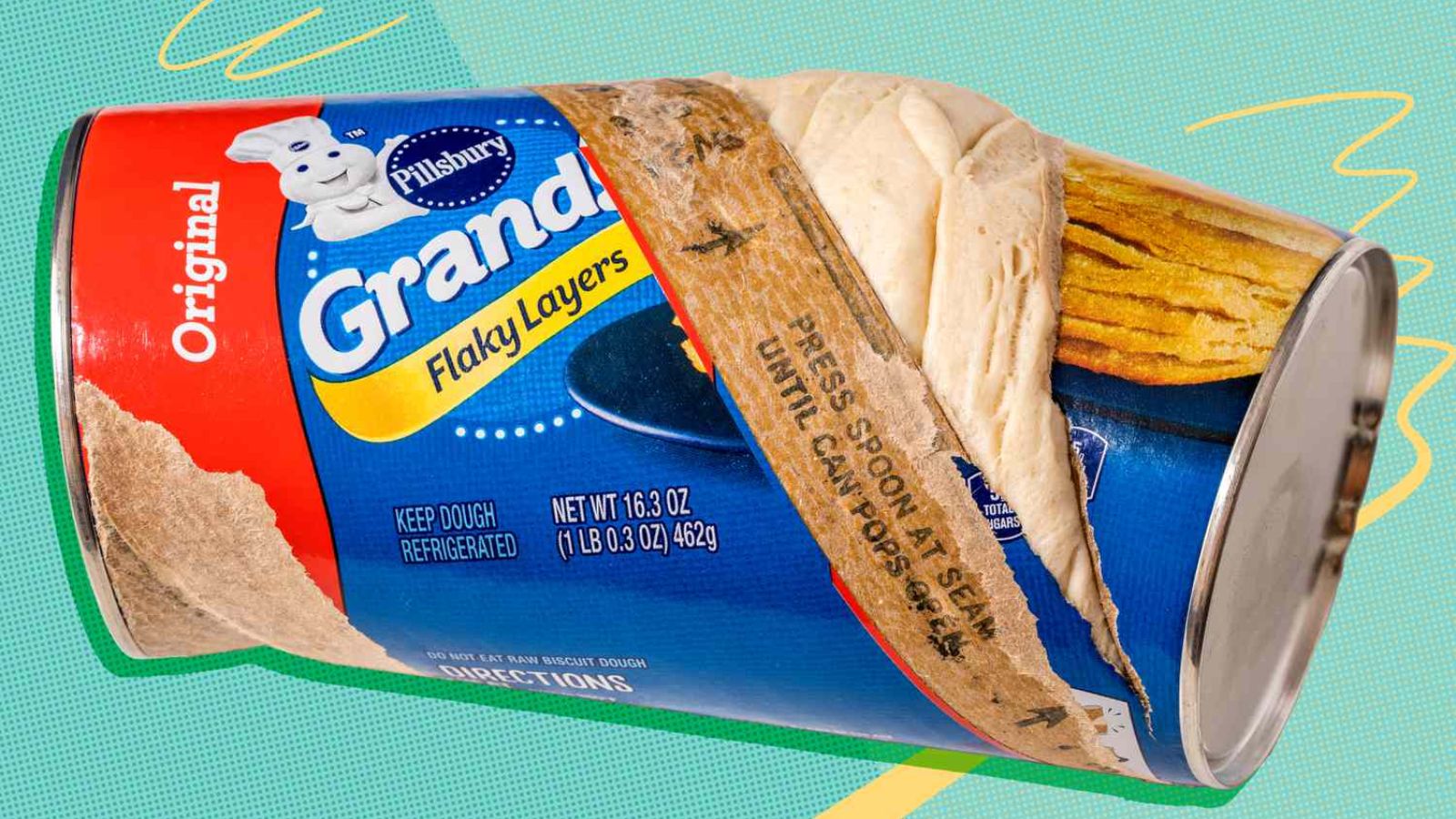
Few packaging experiences feel more dramatic than refrigerated dough in a cardboard tube. It seems almost theatrical, as if the package has been designed to make us flinch before breakfast. But that pop tube was created for a reason, Pillsbury needed an airtight package that could move dough across long distances without forcing people to wrestle with stubborn metal ends, so inventors ended up creating a container that is intentionally meant to break open under pressure.
Even the old debate about whether to tap it with a spoon or hit it on the counter has roots in the product’s original design history. There is something oddly charming about that solution. Instead of pretending the package should behave like a perfect box, the designers seem to have accepted that this food needed a little controlled chaos.
The result is inconvenient for the nervous and oddly satisfying for everyone else, which may be why it has survived for so long.
The Square Pizza Box That Carries a Round Pie
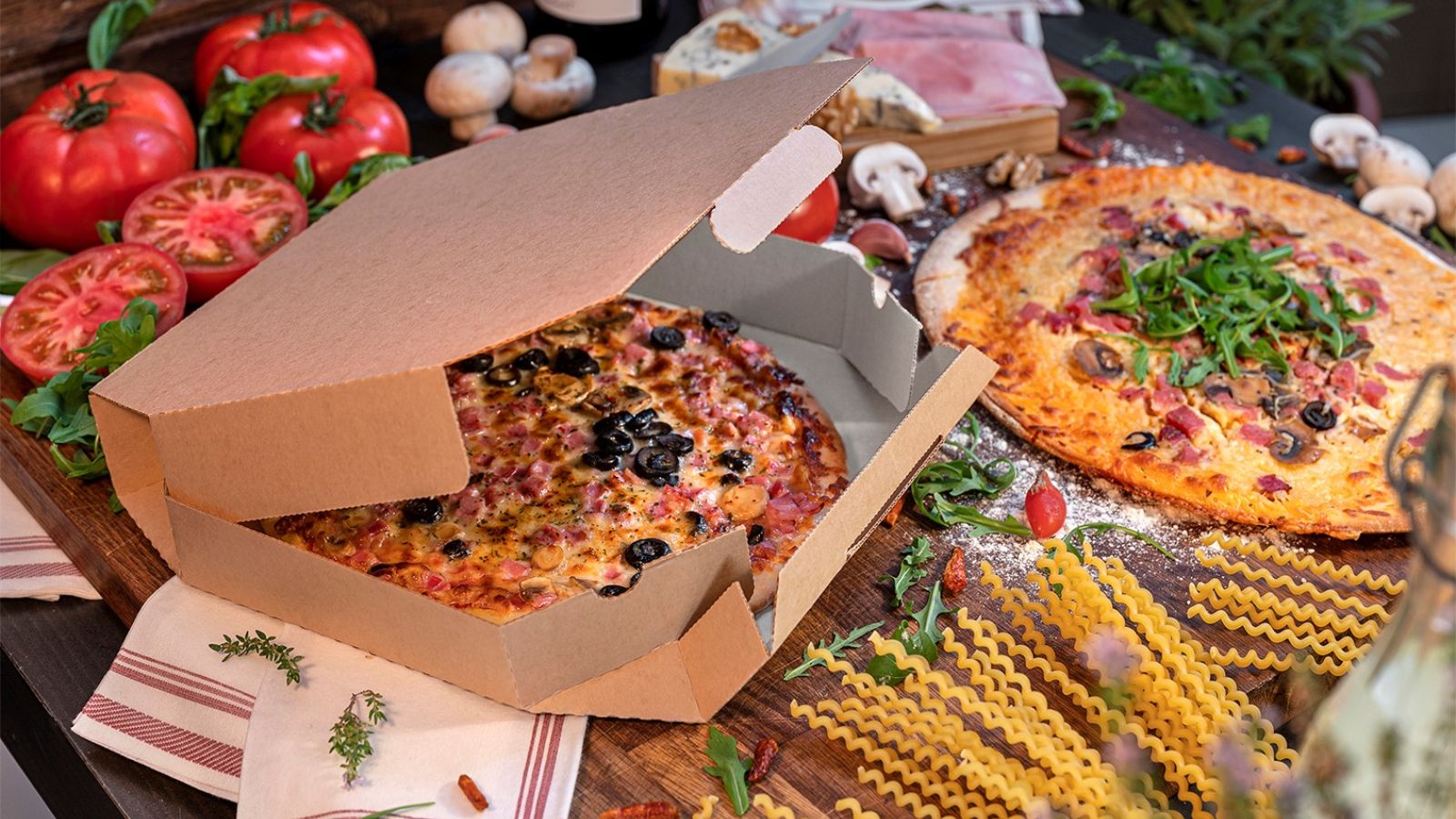
A round pizza inside a square box can feel like a mistake that became tradition. But the shape is mostly about ease. Square boxes are easier to cut from a single sheet of cardboard, simpler to fold, easier to stack, and far less fussy to store and ship flat before they ever meet a pizza.
That means lower manufacturing costs and faster work for restaurant staff during a rush. In other words, the pizza box may not be trying to mirror the food inside it at all. It may be solving the problems around the food, not the food itself.
The pie is round because dough likes that shape when it is stretched and spun. The box is square because cardboard and delivery economics prefer straight lines. Strange, yes, but perhaps not irrational.
Beer Is Put In Dark Bottles To Keep It From ‘Skunking’
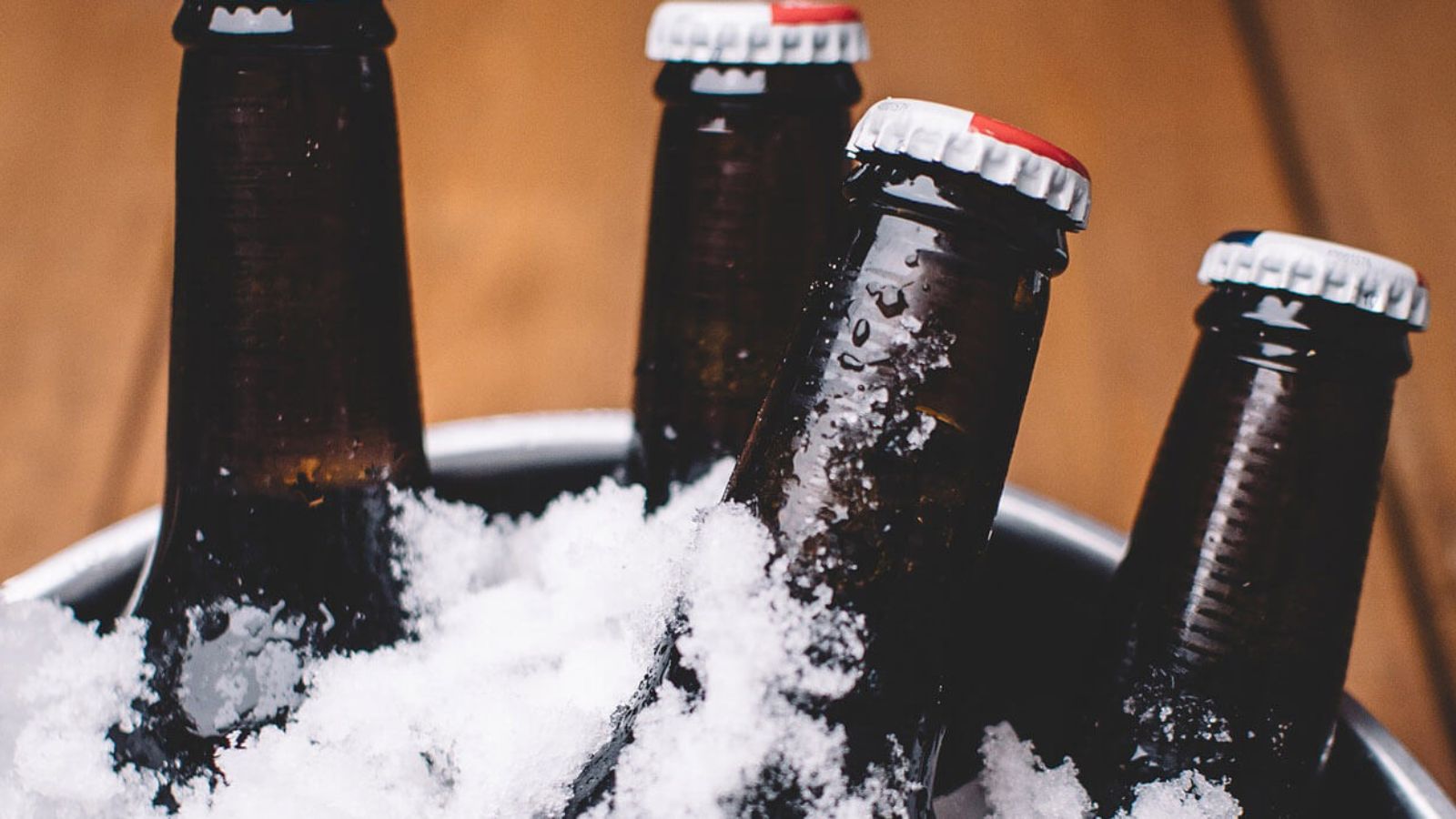
Beer in brown bottles has a certain old world dignity to it, and it would be easy to assume the color is mostly branding. In reality, dark glass helps shield beer from light exposure. When light reacts with hop compounds, it can create the unmistakable “light struck” or “skunky” character that drinkers tend to notice immediately.
Brown glass offers more protection than clear glass, which is why so many brewers keep coming back to it. That may be one of the clearest examples of packaging acting like a bodyguard. The bottle is not merely a vessel, it is part of the flavor defense system.
So the next time a dark beer bottle looks unnecessarily moody on the shelf, it may simply be doing what it was made to do, keep sunlight from ruining the drink before it reaches you.
The Absorbent Pad Under Raw Meat That Nobody Wants to Touch
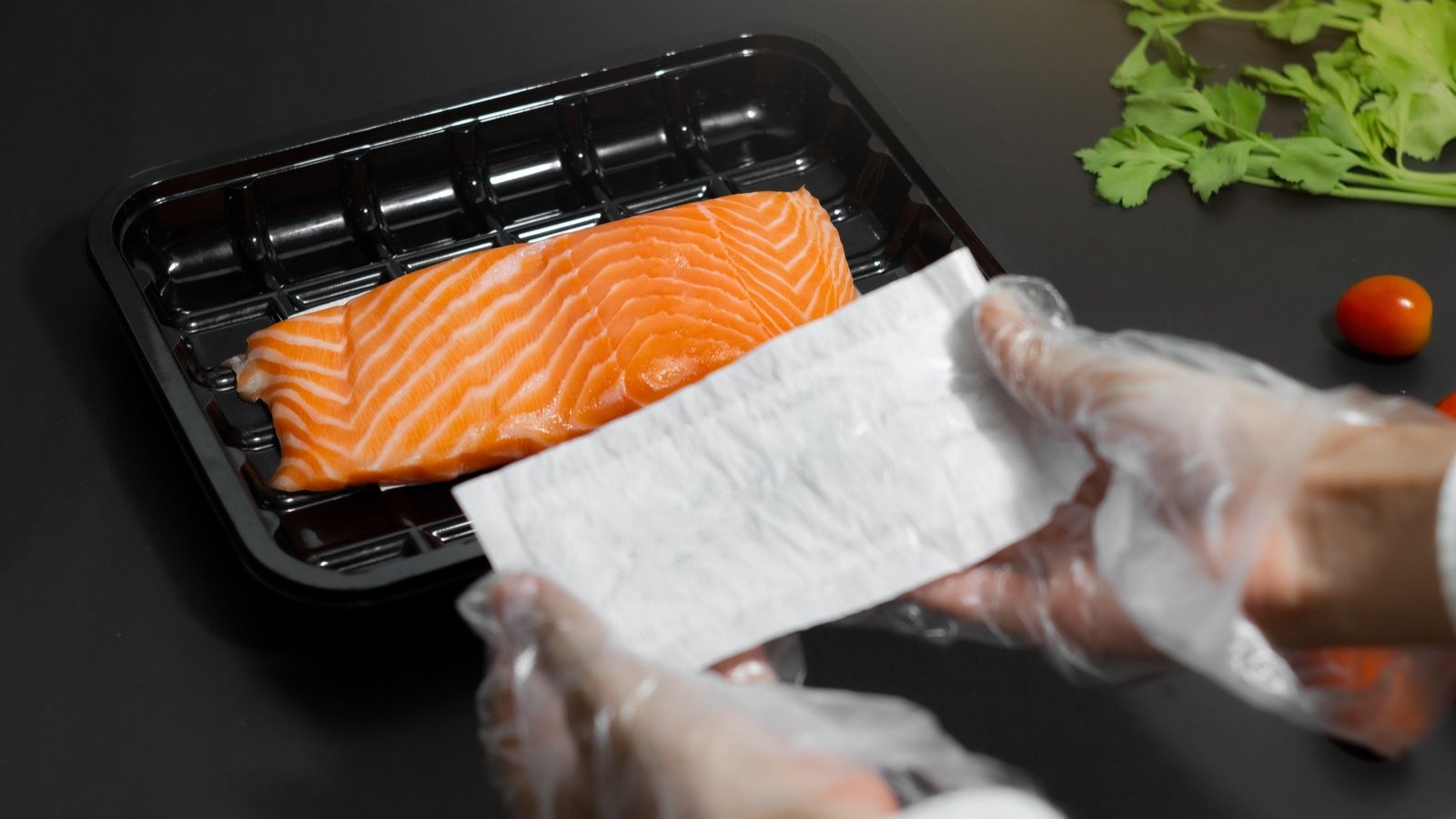
That little white pad beneath packaged meat has an unfortunate talent for making people uneasy. It looks improvised, almost suspicious, like something that wandered into the tray by accident.
But it is there to absorb excess liquid, reduce leakage, and help keep juices from spreading where bacteria could travel more easily, whether on your countertop, in your shopping bag, or inside your refrigerator. U.S. food safety authorities describe these materials as regulated packaging components, and FDA documents discuss absorbent pads used in meat, poultry, and fish packaging.
So while it may look like the least appetizing part of the package, it is probably one of the most useful. The real problem is not the pad itself, but the fact that it does its job so quietly that most people only notice it when they almost throw it into a hot pan.
Dog Kibble Is Sold in Thick Bags to Fight Off Pests
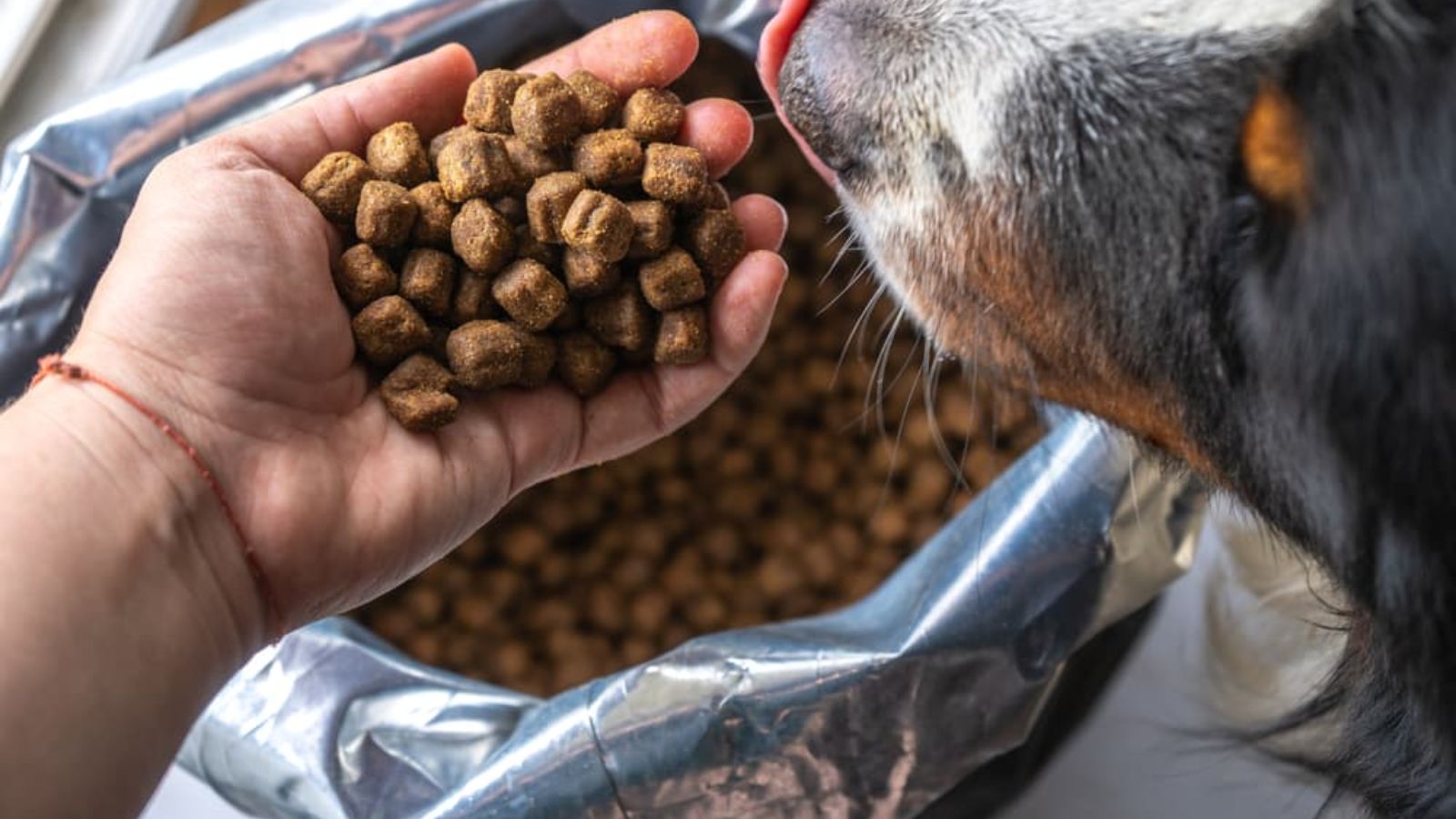
Pet food bags can feel absurdly overbuilt. They are thick, glossy, stubborn to fold, and rarely open with grace. Still, that toughness is not just about holding a lot of kibble. The packaging is designed to help protect dry food from air, light, moisture, and pests, all of which can shorten freshness or affect quality.
Purina even advises keeping dry pet food in its original bag, then placing that bag inside a sealed container rather than dumping the food out entirely. That advice surprises many people because the neat pantry bin looks so much more civilized.
But the original bag may be doing more than we give it credit for. It is not merely packaging; it is part of the storage system the food was designed around.
The Chip Bag Full of “Air” That Is Not Really Just Air
A bag of chips can feel like a minor betrayal. You tear it open, hoping for abundance and get a modest pile of chips lounging at the bottom like they have rented too much space. Still, that empty-looking room usually serves a purpose.
Chip bags are commonly filled with nitrogen rather than ordinary air because nitrogen helps reduce oxidation, preserve crispness, and create a cushion that protects the chips from crushing during transport. So the puffiness may be less of a scam than it seems. Annoying, perhaps.
But if every bag were packed tight with no protective buffer, many of those chips might arrive as seasoned rubble. The disappointment would simply change shape.
The Hot Dog Package That Refuses to Match the Buns
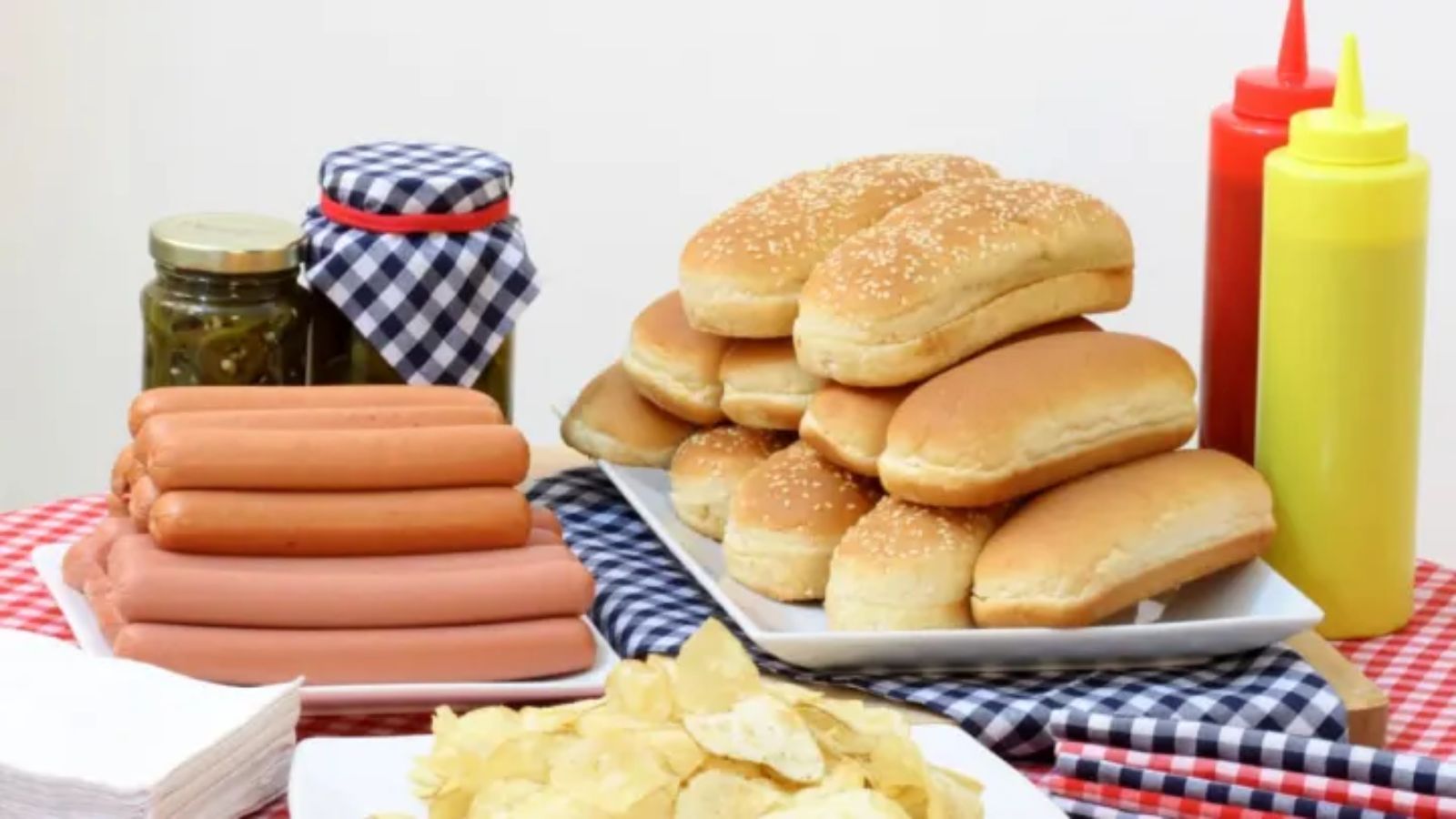
This one may be the most stubborn grocery irritation of all. Hot dogs often come in packs of ten, while buns are more often sold in packs of eight, leaving shoppers doing accidental math in the bread aisle. The mismatch is not random.
The National Hot Dog and Sausage Council says buns have traditionally been baked in pans that hold eight rolls, while hot dogs have historically been sold by weight, which helped make ten count packages standard for many brands. It is a little funny that one of the most iconic American food pairings still behaves like two industries that never quite introduced themselves to each other.
The package sizes may persist not because they make life easier, but because manufacturing habits are hard to uproot once they become normal.
Cereal Is In A Bag Inside A Box To Keep It Fresh
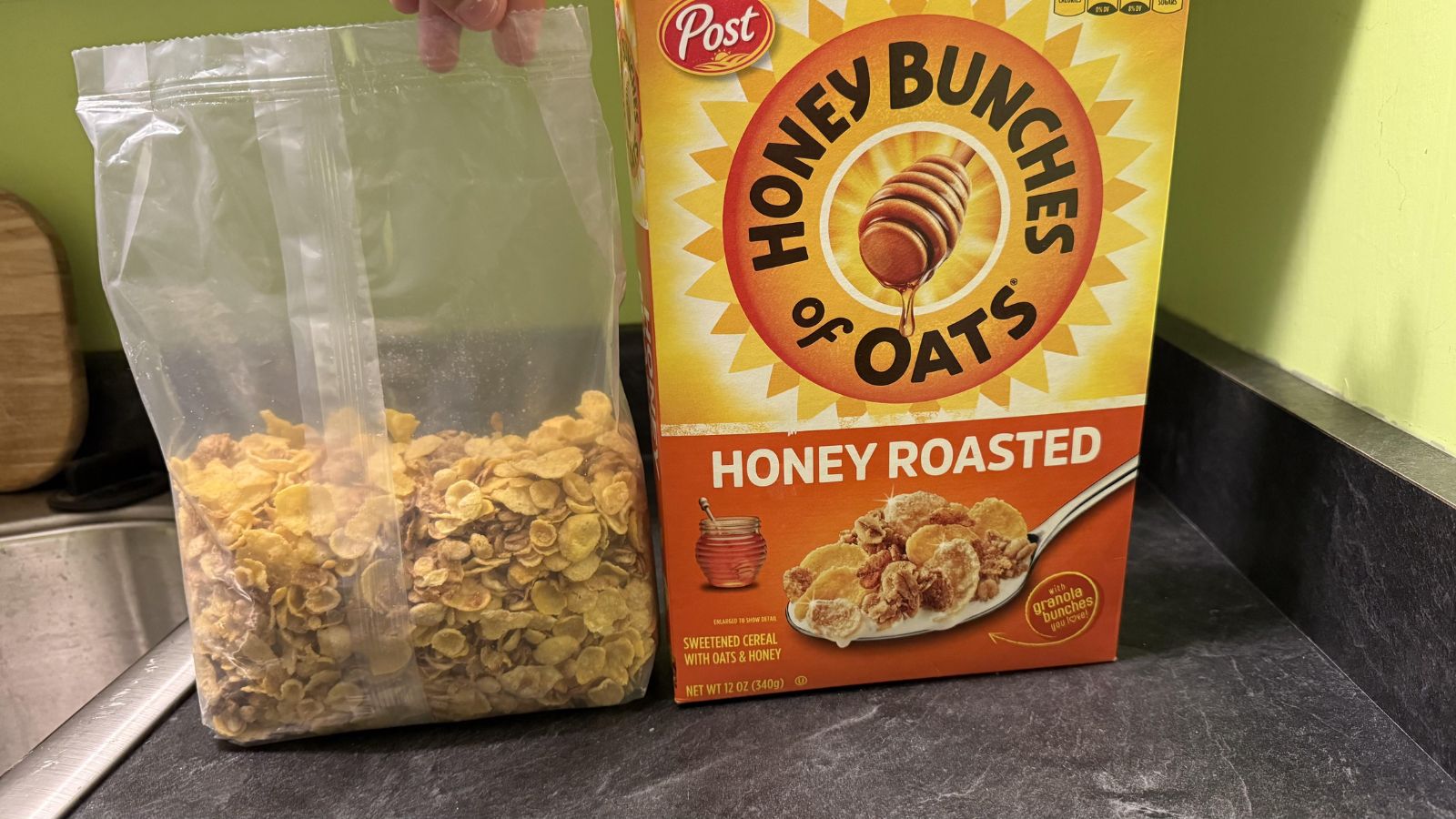
Cereal has been an American breakfast staple for nearly a century. Kellogg’s first started selling cereal in a wax paper bag, within a box, in 1924. At the time, technology didn’t exist to clearly print the company’s logo or branding on a wax paper bag. To make sure customers knew which product was theirs, cereal companies put the bags in boxes that were easy to print on.
But are both bags and boxes still necessary today? Cereal companies could just use bags without boxes and make them resealable. But this would make production much more expensive. The higher cost would be passed on to consumers, who might choose a cheaper, still-in-box cereal instead.
So unless all the cereal companies make the shift to deboxing their cereal, you’ll still be buying bags within boxes for the foreseeable future.
Key Takeaways
That may be the quiet truth tying all of this together. We tend to think of food as the product and packaging as the disposable wrapper around it. But in many cases, the package is part of how the food survives the trip from factory to shelf to kitchen.
It preserves texture, blocks light, absorbs liquid, reduces contamination risk, stacks efficiently, or simply keeps shape and freshness intact long enough for us to complain about it at home.
So perhaps the next time a grocery item looks oddly boxed, puffed, padded, tinted, or overengineered, it may help to see it less as a design flaw and more as a compromise. Not a glamorous one, certainly. But maybe a practical one, and in the world of food packaging, practicality seems to win far more often than elegance.


