


Water conservation is no longer just a trend; it’s a necessity. While we often think about saving water outdoors, many of the biggest culprits are right inside our homes.
From dishwashers to showers, water usage in your home can add up quickly, impacting both your water bill and the environment.
By understanding which appliances use the most water, you can take steps to reduce consumption and make smarter choices.
Washing Machines
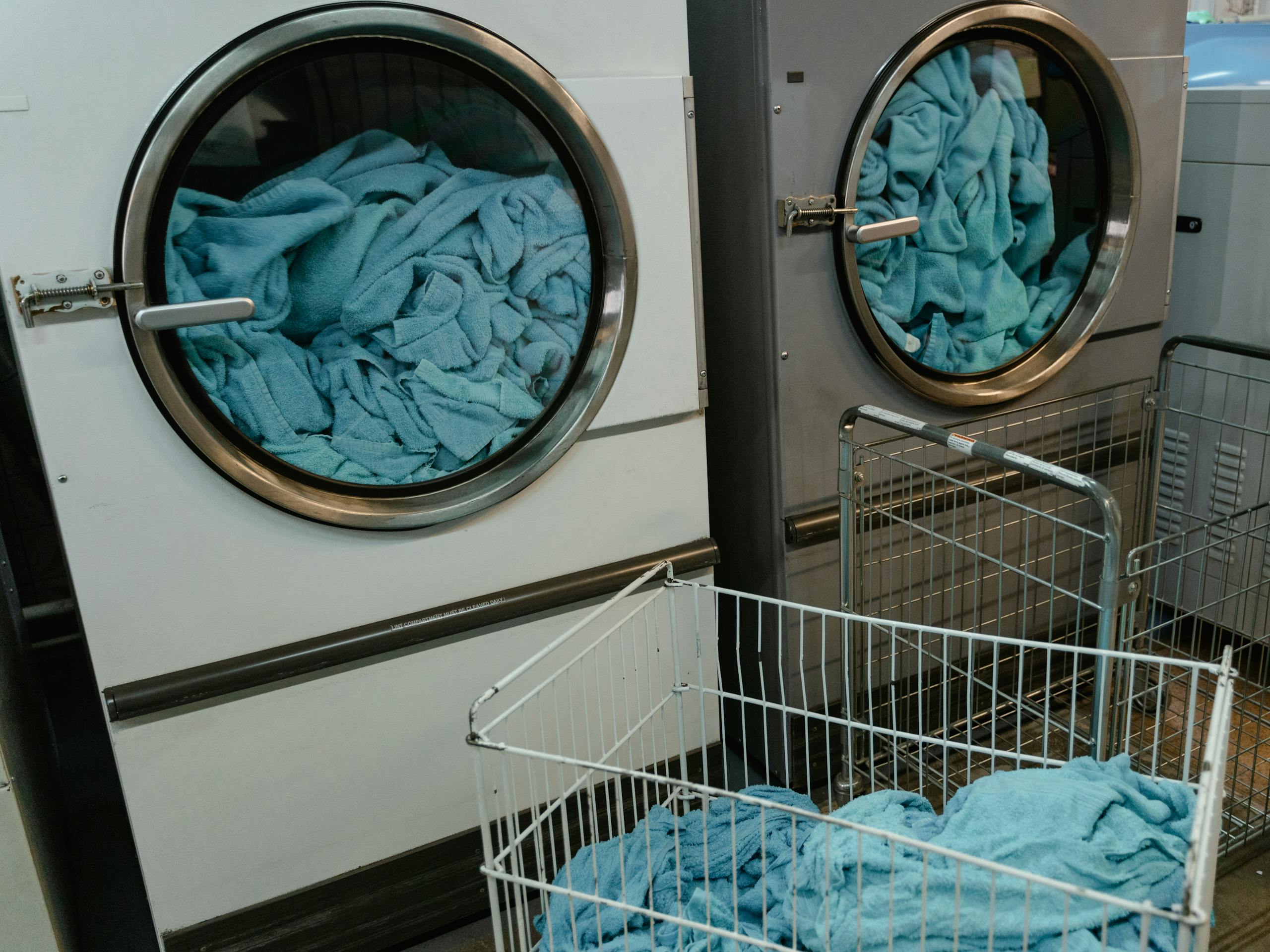
Washing machines are notorious for their high water consumption. On average, a standard washing machine uses between 15 to 40 gallons of water per load, depending on its age, efficiency, and load size.
Older models, while cheaper upfront, can use significantly more water than modern, energy-efficient machines.
By investing in a high-efficiency washing machine and adjusting your laundry habits, you can reduce water consumption in this area by up to 50%.
Showers
When you think of water-wasting appliances, your shower probably isn’t the first thing that comes to mind.
However, the average showerhead dispenses about 2.1 gallons per minute (GPM), and with an average shower lasting 8 minutes, this can total more than 16 gallons of water per use.
With daily showers, the numbers can skyrocket, making showers one of the top offenders in your home.
Switching to a low-flow showerhead and adopting mindful showering habits could reduce your bathroom water consumption by nearly 40%.
Toilets
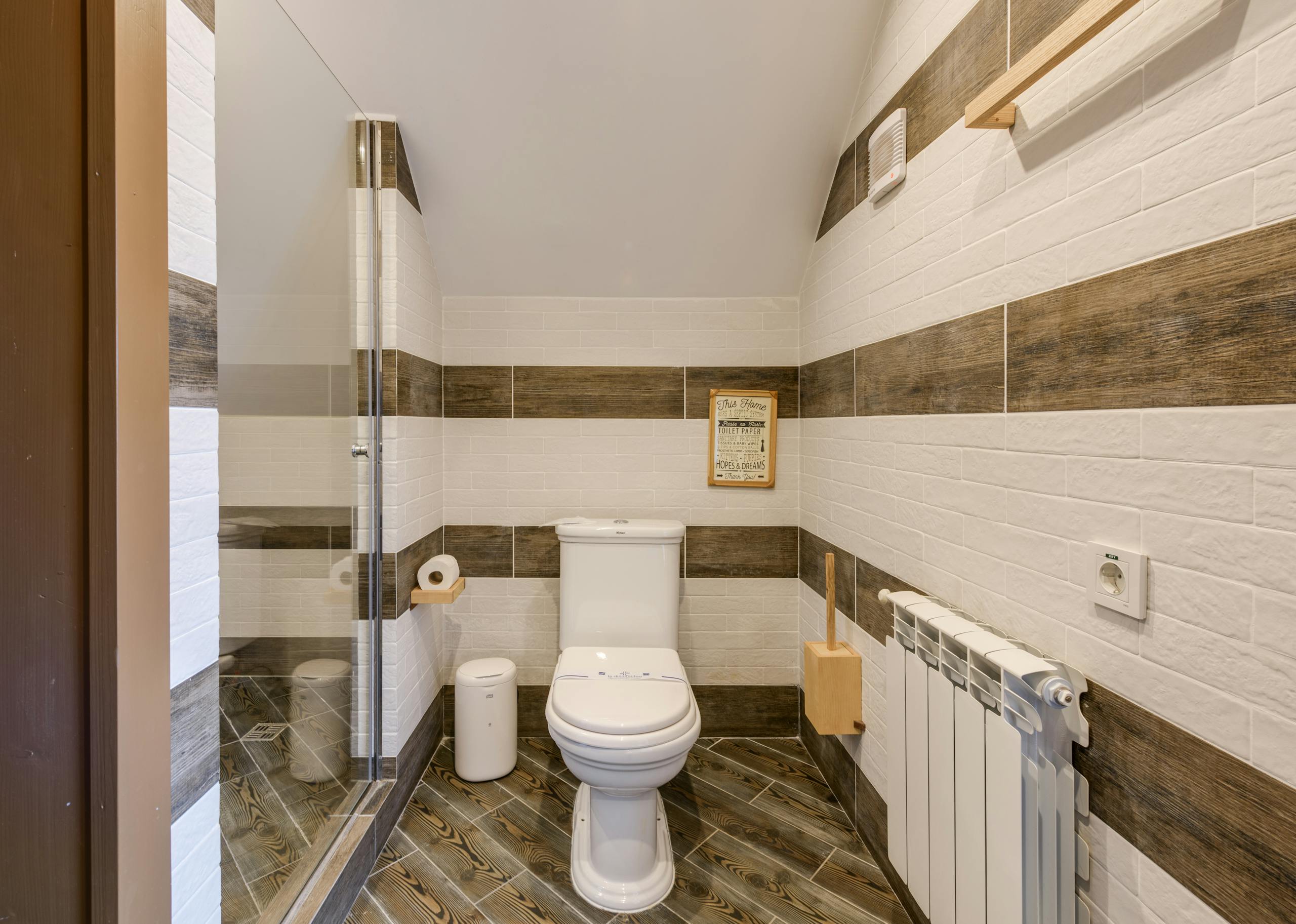
Toilets are perhaps the most water-intensive household appliances. Older toilets can use up to 5 gallons per flush, while newer models typically use 1.28 to 1.6 gallons per flush.
The number of flushes in a typical household, especially in families with children, adds up quickly.
By switching to a water-efficient toilet and promptly addressing leaks, you can drastically reduce water usage in your home.
Dishwashers
Dishwashers can use up to 6 gallons per cycle, depending on the model and efficiency. While they may seem more efficient than hand-washing dishes, older dishwashers or improperly loaded dishwashers can use excessive amounts of water and energy.
Switching to a water-efficient dishwasher and adjusting your usage habits can reduce your dishwasher’s water consumption by up to 30%.
Faucets
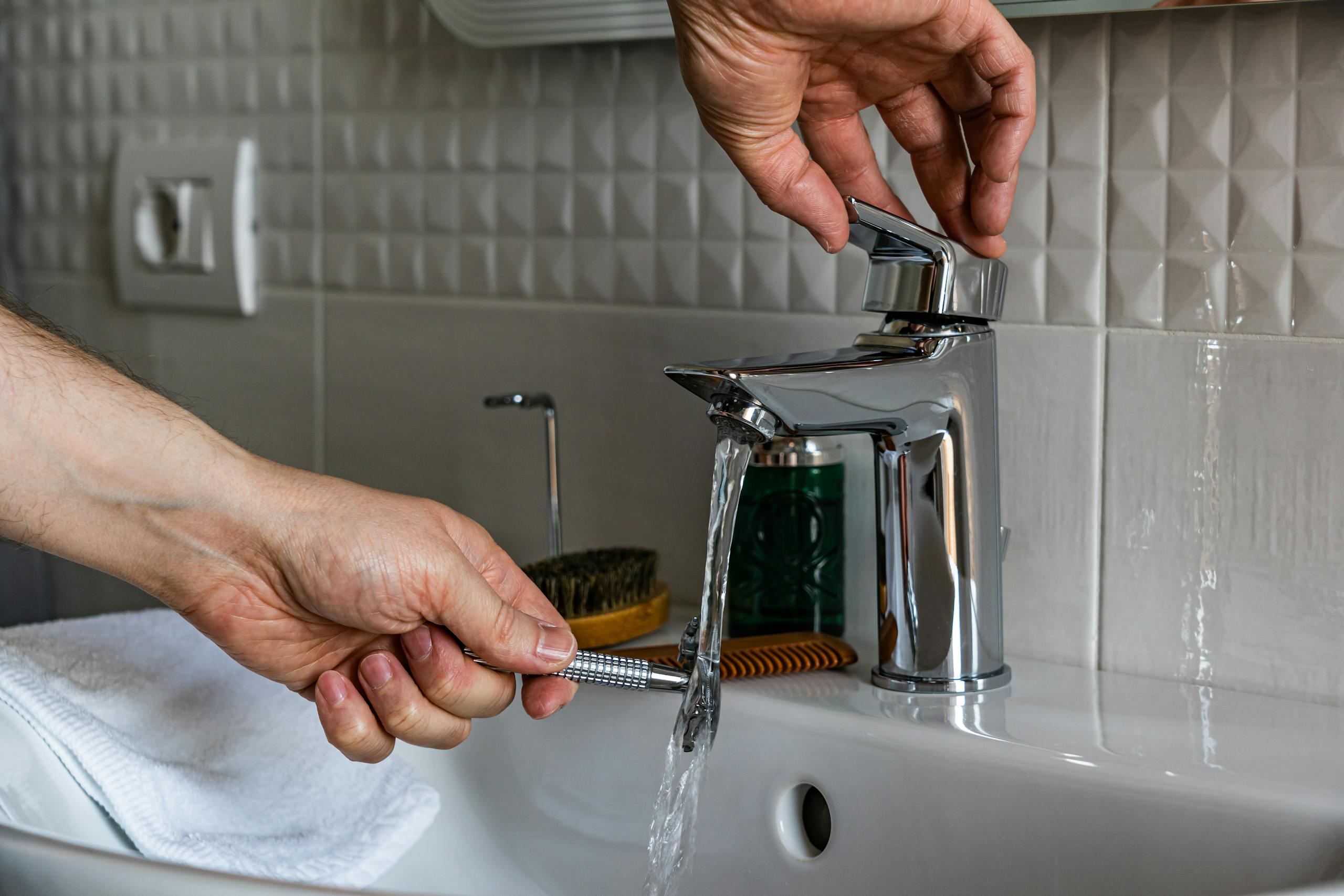
Faucets are often left running during daily activities like washing hands, brushing teeth, or cleaning dishes.
A standard faucet uses approximately 2.2 gallons of water per minute, and it’s easy to forget how quickly that adds up when left on unnecessarily.
Making small changes, like installing aerators and turning off the faucet when not in use, can significantly reduce your overall water consumption.
Outdoor Irrigation Systems
While not an indoor appliance, outdoor irrigation systems can use a significant amount of water, especially if they’re not maintained properly.
Over-watering or watering during the wrong times of day (like midday) can lead to wasted water and higher utility bills.
By upgrading your outdoor irrigation system and implementing water-wise landscaping, you can drastically reduce your outdoor water use.
Water Heaters
While water heaters don’t consume water directly, they do use energy to heat water, which can indirectly increase water usage.
Many households keep their water heaters running continuously, resulting in both water and energy waste.
Investing in an efficient water heater or making adjustments to your current setup can reduce your household’s water usage and energy consumption.
Conclusion
In conclusion, many of the appliances in your home consume more water than you might expect.
By taking simple, cost-effective steps like upgrading to water-efficient appliances, fixing leaks, and changing your habits, you can dramatically reduce your water usage.
Start by identifying the highest water-using appliances in your home and take targeted actions to reduce their consumption.
Not only will you lower your water bills, but you’ll also contribute to a more sustainable future.


