


If you’ve ever had the urge to clear out your home and make a little cash in the process, a garage sale might seem like the perfect solution.
The sun’s shining, the driveway is cleared, and you’re ready to turn clutter into cash. But before you pull out that folding table, take a moment to think, some things should never find their way to the sale pile.
Certain items pose safety risks, raise privacy concerns, or are simply too valuable to be underpriced at a yard sale.
So, what belongs in the “do not sell” pile? Here are the top 11 things we should all avoid putting on display at our next garage sale.
Recalled Products
Imagine you’ve carefully set up a used blender or toaster on your sale table, only to find out that it’s been recalled for safety reasons.
The last thing you want is for someone to buy a product that could cause harm, all for a few bucks. Recalled products are not just an inconvenience; they’re dangerous.
Legally, selling recalled items is prohibited, regardless of whether the product looks fine to you.
Recalled items can cause fires, injuries, or even death, so checking for recalls should be the first step before pricing any item for resale.
If it’s been recalled, it’s better off in the trash than in someone else’s hands.
Used Baby Gear

Used car seats, cribs, and strollers may seem like good deals, but they come with hidden risks.
Baby products, especially those that are outdated or have been involved in an accident, may no longer meet current safety standards.
Car seats, for instance, might be difficult to verify for crash history, missing parts, or expiration dates.
Cribs can have worn-out components that pose a suffocation risk or may not comply with modern safety standards.
For the safety of children, it’s best to avoid selling anything related to baby gear unless you can prove it’s in perfect condition and up to the latest standards.
Opened Cosmetics and Personal Care Items
When it comes to cosmetics, there’s no room for compromise. Selling used makeup or skincare products is a major health risk.
Even if the item appears clean and unused, you cannot guarantee that it hasn’t been contaminated.
Lipsticks, foundations, and mascara come into direct contact with sensitive skin and eyes, making their resale unsafe.
Additionally, the shelf life of cosmetics isn’t always clear, and many products may be expired without clear labeling.
Instead of risking an allergic reaction or infection, it’s better to toss or donate unused products, rather than attempting to sell them at a garage sale.
Old Electronics
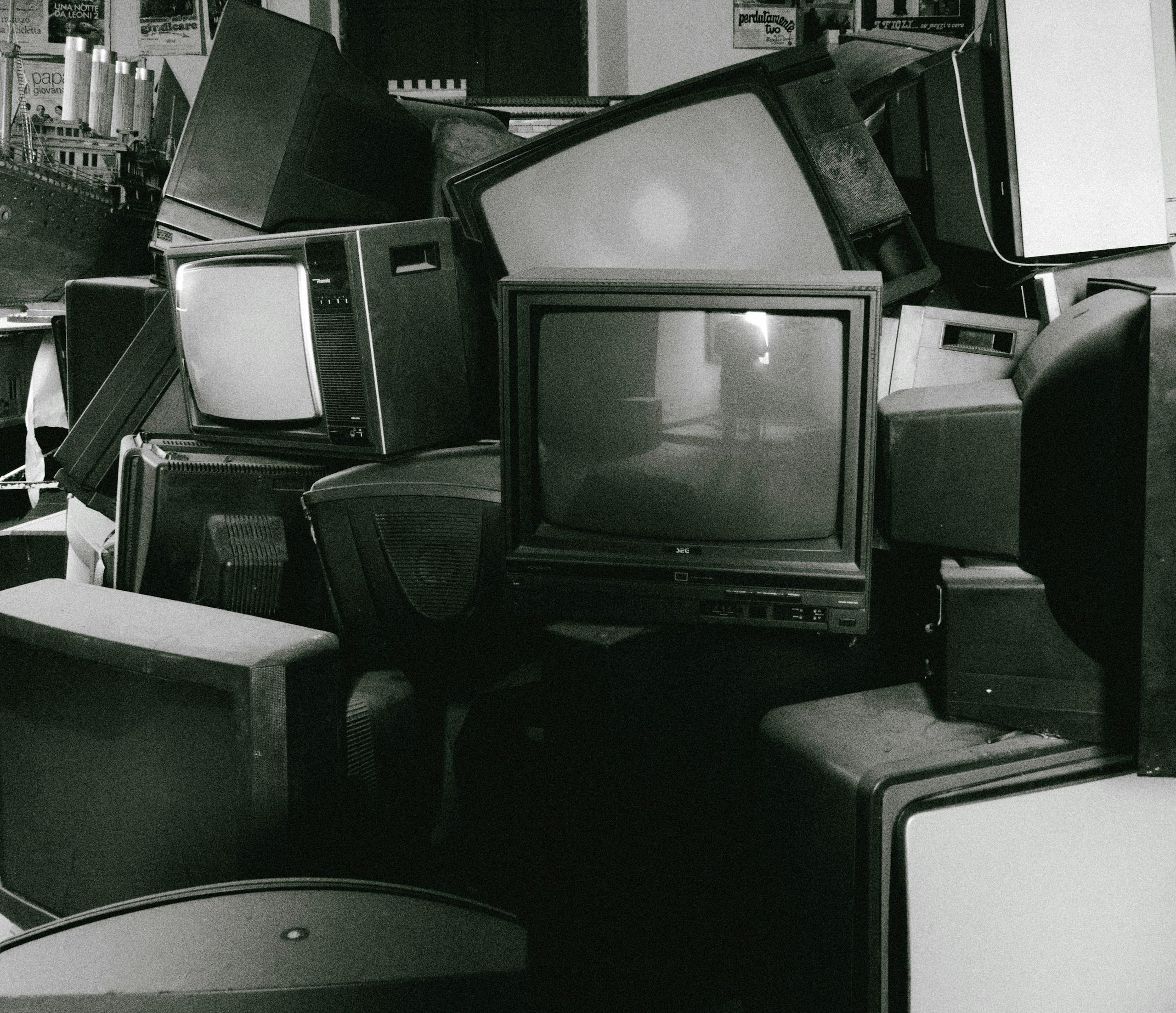
We all have old phones, laptops, and tablets lying around, and a garage sale might seem like an easy way to get rid of them.
But these electronics could hold more than just old games and apps; they might still contain your personal data.
Photos, passwords, email accounts, and sensitive financial information could be sitting on that device, ready for anyone to find. Simply wiping a hard drive or deleting files is often not enough.
These devices are best recycled or sold through secure, professional channels that ensure your personal data is fully erased.
Valuable Collectibles
A vintage watch, designer handbag, or rare collectible may look like it belongs on your garage sale table.
However, the reality is these items could be worth far more than what you’d make from a quick sale.
Selling valuable items without understanding their true worth can result in massive underpricing.
Rather than giving these pieces away, it’s wise to get them appraised and sell them through specialized marketplaces or auctions where they can fetch their true value. These items deserve careful consideration, not a rushed price tag.
Damaged Furniture and Mattresses
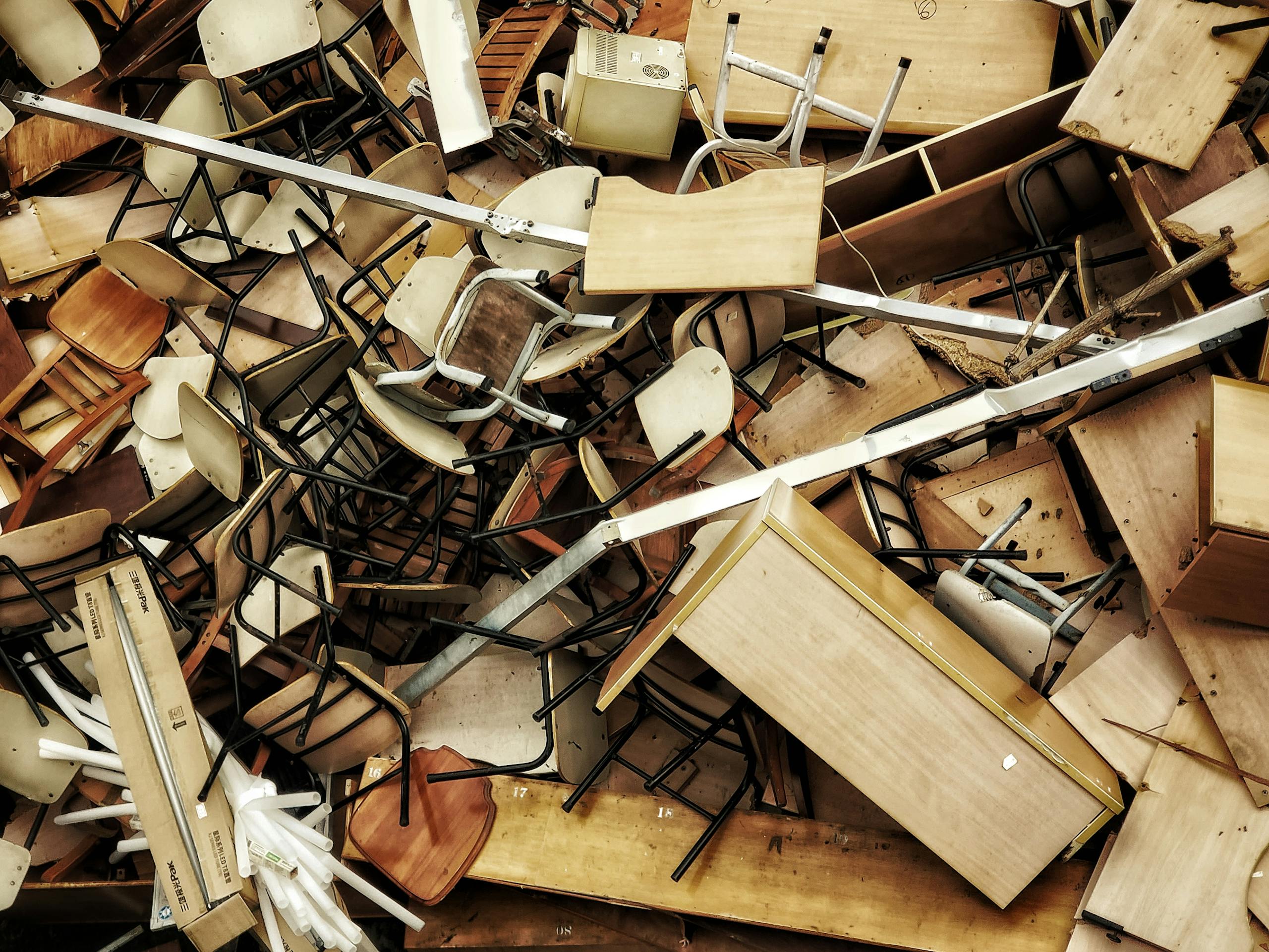
There’s no doubt that furniture can make or break a room, but it’s a different story when you’re selling it secondhand.
Furniture that’s heavily stained, damaged, or worn-out isn’t likely to sell for much, and even if it does, it won’t sell for enough to make it worthwhile.
Mattresses are a particularly tricky item to sell; stains, odors, and signs of wear and tear can turn potential buyers away.
If your furniture needs significant repair, is missing parts, or is clearly worn, it’s better to donate it or recycle it responsibly.
Broken Appliances and Tools
Have you ever come across a toaster that works only if you press down on the lever just right, or a lamp that flickers unless you adjust the cord a certain way? These are the types of items that end up being more trouble than they’re worth.
Selling broken or partially functioning items at a garage sale can quickly lead to buyer complaints and disputes.
It’s not worth the time to haggle over faulty goods, especially when the buyer may end up disappointed or frustrated. If an item isn’t in full working order, it’s best to repair it or dispose of it appropriately.
Medical and Hygiene Products

Selling used medical products or hygiene items is not only unsanitary but also inappropriate. Products like old thermometers, bandages, or anything that’s come into contact with the body should be strictly off-limits for resale.
Not only can these items carry contamination risks, but selling them could also be seen as a violation of trust.
When it comes to personal hygiene items, it’s best to dispose of them or donate unopened items to charity organizations in need.
Counterfeit or Unauthenticated Luxury Goods
There’s a fine line between a great deal and a fake product, and garage sales often walk that line.
It’s tempting to try to sell a “designer” handbag or watch you’ve acquired, but without proper documentation and authentication, you could be passing off counterfeit goods.
Luxury items such as handbags, jewelry, and watches require verification of authenticity, especially when they carry a high price tag.
Selling counterfeits not only damages your reputation but could also lead to legal issues. If you’re unsure about an item’s authenticity, don’t risk it, seek professional help before selling.


