Maintaining a functional and clean kitchen requires more than just wiping down counters and mopping the floor.
One of the most crucial yet often overlooked aspects of kitchen maintenance is what goes down the drain.
Certain substances can wreak havoc on your plumbing, contribute to environmental harm, and even lead to costly repairs.
Below are 10 things you should never pour down your kitchen sink to protect your plumbing, prevent clogs, and keep your home running smoothly.
Grease, Oil, and Fats
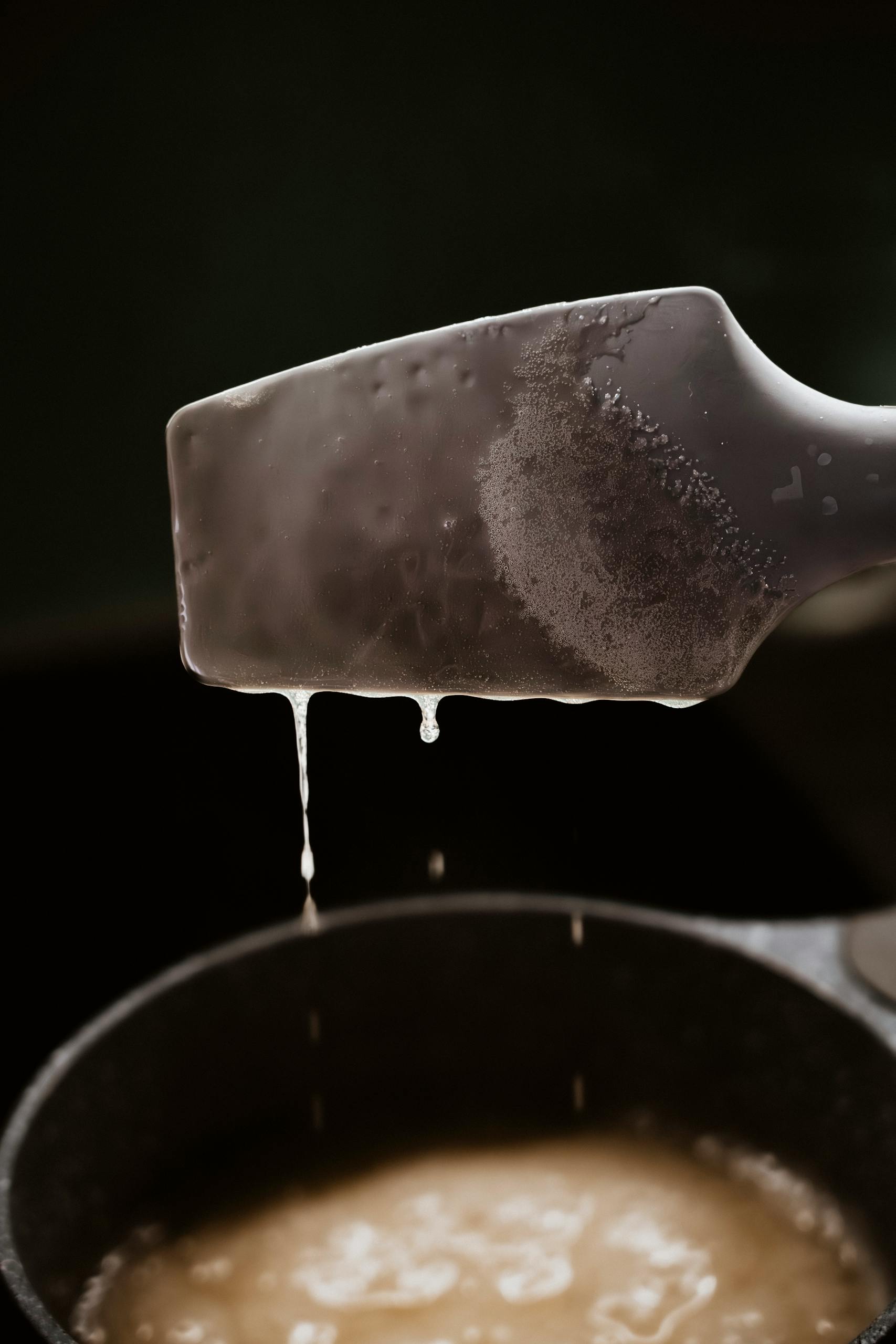
Grease, oil, and fats may seem harmless when they’re still hot, but they turn into a nightmare once they cool.
As they flow through the pipes, they solidify, stick to the pipe walls, and form a thick sludge that traps food and debris.
This buildup leads to blockages, slow drainage, and potential backups. Over time, hardened grease and fats create an environment where more materials can accumulate, leading to significant plumbing issues.
The longer you allow this to happen, the more expensive the fix becomes, requiring professional intervention.
Once grease, oil, or fat cools, scrape it into a container or can and dispose of it in the trash. A small investment in a grease trap can help manage excess fats and prevent long-term problems.
Always ensure that no cooking oil or fatty residue is poured down the sink, no matter how tempting it may be in the moment.
Coffee Grounds
Coffee grounds are deceptively innocent, but they can cause major problems for your kitchen sink.
When mixed with water, they form a dense, clumpy substance that can easily get stuck in your pipes.
Over time, the accumulation of coffee grounds can restrict water flow, leading to blockages that may require a plumber to clear.
Even a small amount of grounds can create substantial problems when flushed down the drain, as they don’t dissolve or break down like other organic materials.
Instead of rinsing coffee grounds down the drain, collect them in a compost bin or throw them in the trash. Not only does this prevent clogs, but it also benefits your garden, as coffee grounds are rich in nitrogen and can be used to enrich the soil.
Eggshells
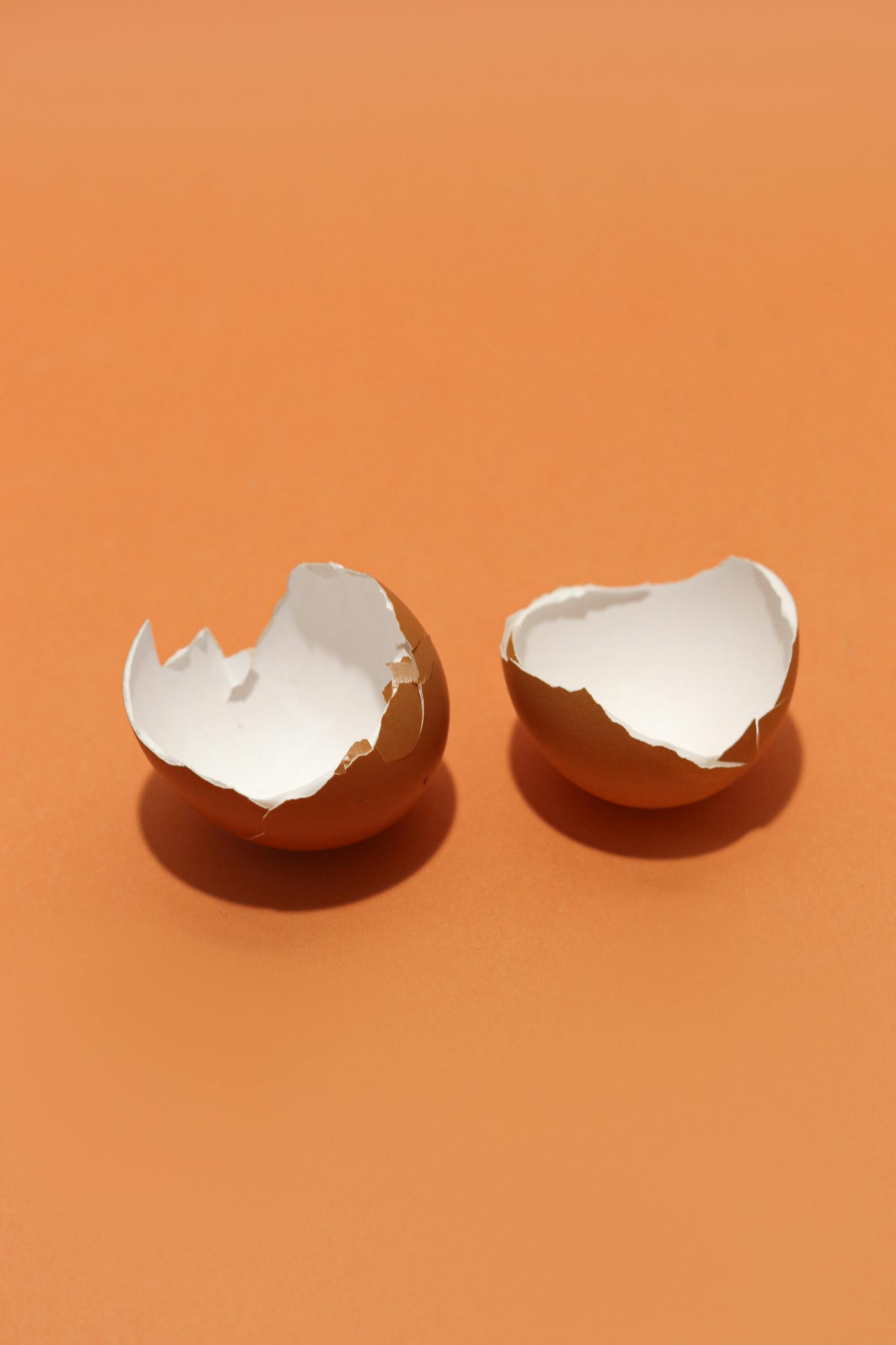
Eggshells might seem harmless, but they can cause significant plumbing problems. When broken down into smaller pieces and poured down the sink, eggshells can combine with other debris in your pipes, forming a hard-to-remove paste.
This paste gradually builds up over time, leading to serious blockages. The sharp edges of eggshells can also scratch the insides of your pipes, creating nicks where debris can accumulate and form stubborn clogs.
Throwing eggshells in the trash or composting them is a better alternative. They provide beneficial minerals for your garden and reduce the strain on your plumbing system.
Paper Towels and Wipes
Paper towels, napkins, and wipes are designed to be durable, and their resistance to water is exactly what makes them a problem when poured down the sink.
Unlike toilet paper, these materials do not break down in water and can easily accumulate in pipes.
As they combine with other debris, they form dense masses that block water flow and create difficult-to-remove clogs. In the long run, this can lead to slow drains, standing water, and the need for professional plumbing services.
Dispose of paper towels, napkins, and wipes in the trash. Even if the packaging claims they are “flushable,” they can still clog your pipes and cause major plumbing issues.
Always check whether the wipes you use are biodegradable, but even then, they are better off in the trash than the drain.
Fruit and Vegetable Peels
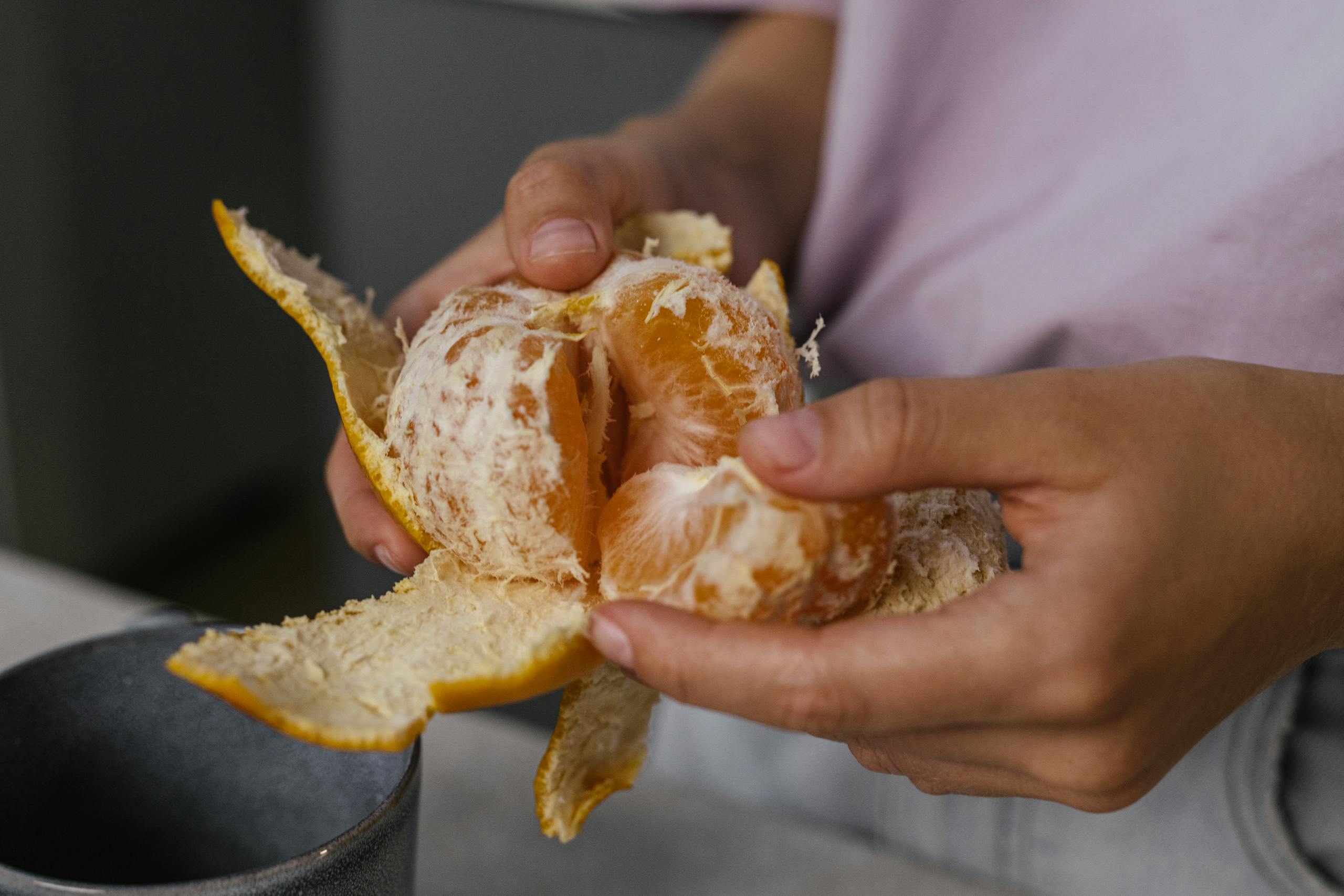
Fruit and vegetable peels may seem like harmless organic material that should decompose naturally, but they can create serious problems when washed down the sink.
Peels can accumulate in pipes, causing blockages and trapping other debris. Over time, this can lead to slow drainage and unpleasant odors.
Even small peels from fruits like bananas or apples can combine with other waste and contribute to plumbing issues.
To avoid these problems, throw peels into your compost bin instead of washing them down the drain.
They’re biodegradable and contribute to the enrichment of your garden, while keeping your plumbing system free of debris.
Medications
Prescription drugs and over-the-counter medications should never be poured down the sink or flushed down the toilet.
Medications contain chemicals that can contaminate water supplies, harming the ecosystem and possibly affecting the health of humans and animals alike.
Even small amounts of medication can significantly impact water quality. By flushing or pouring these substances down the drain, you are adding to the pollution of natural water sources.
The safest way to dispose of medications is to use a medication take-back program, which is often available at local pharmacies or through government initiatives. These programs ensure the safe and environmentally friendly disposal of unwanted medications.
Harsh Cleaning Products
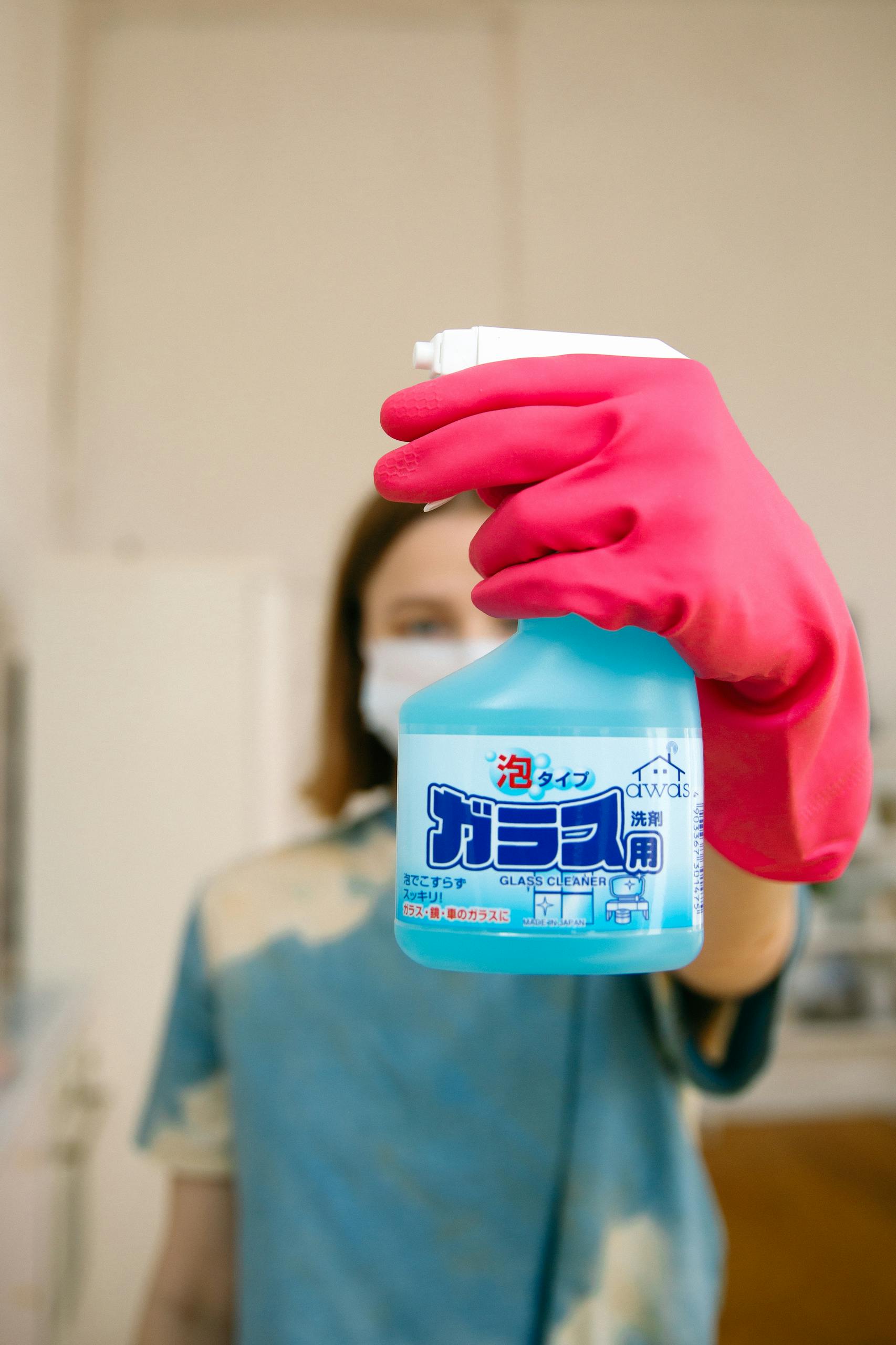
Harsh cleaning products, including bleach, ammonia, and commercial drain cleaners, should never be poured down the kitchen sink.
These chemicals can corrode pipes, especially older ones, leading to leaks, cracks, and eventually bursts.
Additionally, the chemicals can interact with other substances in your plumbing, releasing toxic fumes and damaging your pipes.
In addition to risks to your plumbing system, these chemicals can contaminate the water supply, posing significant health risks to anyone who comes into contact with it.
Opt for natural, non-toxic cleaning solutions such as vinegar, baking soda, or lemon juice. These alternatives are just as effective as their chemical counterparts and won’t harm your pipes or the environment.
Conclusion
By carefully considering what goes down your kitchen sink, you protect your plumbing, reduce environmental harm, and ensure your home remains a safe, functional space.
Avoiding these 10 substances will save you time, money, and frustration, allowing you to maintain a smooth-running kitchen without costly repairs.
Remember, a little extra effort today can prevent major problems down the road, keeping your kitchen and plumbing system in excellent condition for years to come.