

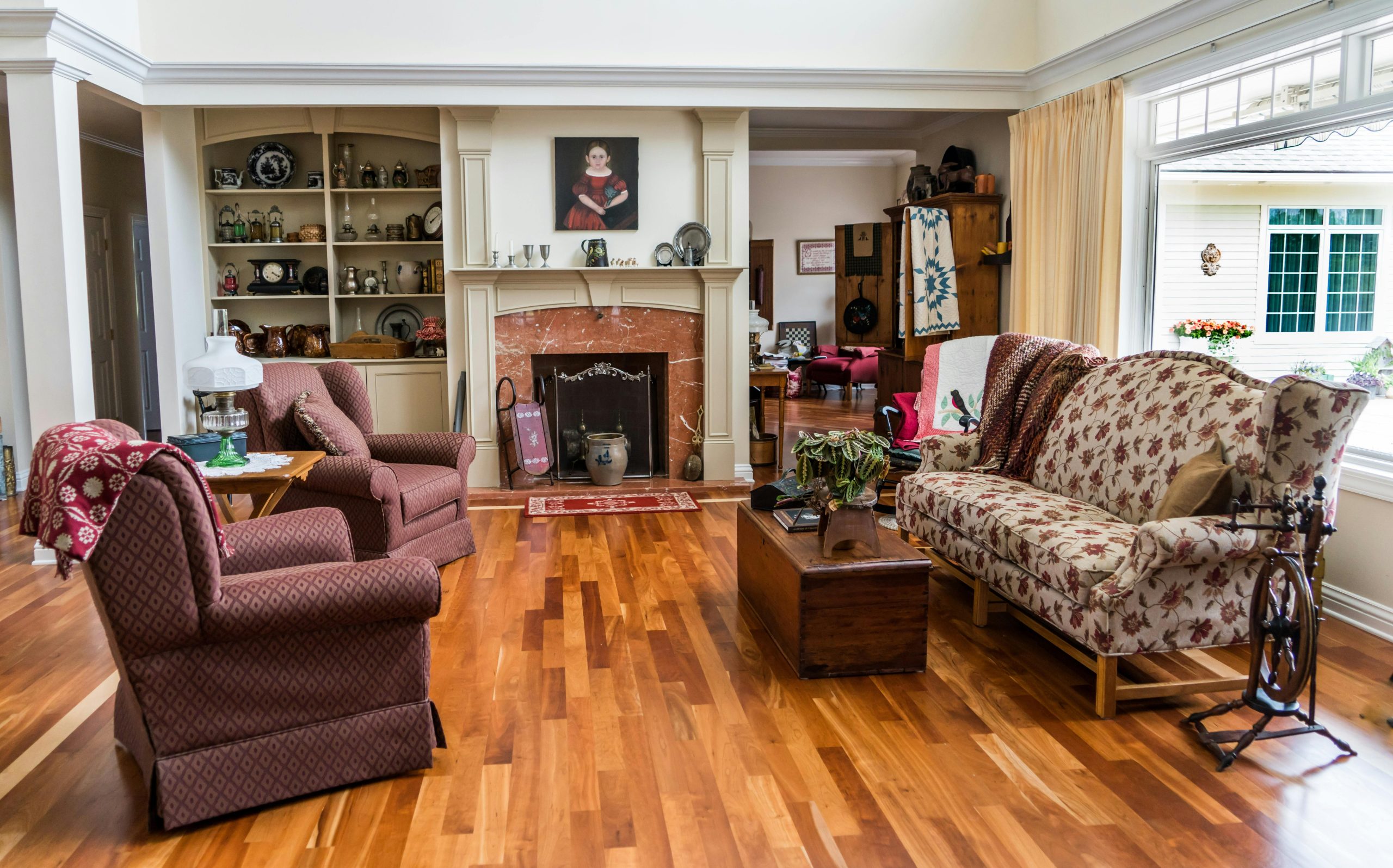
In the ever-evolving world of home design, what worked a decade ago may feel outdated in today’s modern, multifunctional spaces. Living room layouts that were once the height of fashion have lost their appeal, as we lean toward more open, flexible, and purpose-driven spaces. If you’re still holding onto a living room setup from a bygone era, it’s time for a rethink.
Here are eight dated living room layouts that simply don’t work anymore in 2026, and how you can revamp your space for a more contemporary feel.
The Overly Formal, “Matching Set” Layout
Gone are the days when matching furniture sets, couches, chairs, and tables all bought as a set, were considered the epitome of a well-decorated living room. This rigid, formal layout has become increasingly irrelevant in today’s more relaxed and eclectic design culture. The perfectly coordinated sofa, loveseat, and armchairs may look orderly, but they can also feel impersonal and stiff.
Instead, embrace a more curated approach in which pieces vary in style, color, or texture while still complementing one another. Mixing and matching adds personality and warmth, creating a space that feels more lived-in and inviting.
TV as the Central Focal Point

For years, the TV has been the center of attention in most living rooms, with furniture arranged around it like the focal point of a gallery. While TV viewing is still an important aspect of daily life for many, making it the only focal point of your space can make the room feel disconnected and solely entertainment-driven. Instead of a TV-centric layout, focus on creating a balanced room that accommodates both conversation and entertainment.
Consider positioning the TV off to one side or incorporating it into a media console or built-in unit, so it doesn’t dominate the space. This allows the room to be more flexible and multifunctional for activities such as socializing, reading, or relaxing.
The Too-Heavy, Overloaded Coffee Table Setup

A coffee table that’s loaded with knick-knacks, magazines, and decorative objects might have been a design feature in the past, but in 2026, it’s seen as a cluttered and impractical choice. While coffee tables can still be a functional and stylish part of your living room, they shouldn’t be overstuffed with items that make the space feel overcrowded. A large, bulky coffee table can disrupt the flow of the room, making it difficult to navigate.
Opt for a cleaner, more minimalist approach, choose a coffee table with storage or go for a sleek, lighter design that doesn’t dominate the room. This will help keep the room feeling spacious and organized.
Traditional Sectionals That Box In the Room
Traditional sectionals, especially large, overstuffed ones, can make your living room feel closed off and cramped. While they may provide plenty of seating, they also create a sense of separation between spaces, making the room feel less open and inviting. In 2026, we’re embracing layouts that flow and encourage interaction. Instead of a massive sectional, consider a more flexible seating arrangement with individual pieces that can be rearranged.
This allows for a better flow of conversation and makes the room feel more dynamic. You can still have a comfortable sofa, but aim for one that doesn’t take up the entire room and leaves plenty of room for movement and functionality.
The “One Wall” Arrangement
The “one-wall” layout, where all the furniture is lined up against the walls, is a classic but outdated approach. While it may have once been a popular way to maximize space in small rooms, it often results in a cold, sparse, and uninspiring environment. In 2026, the trend is toward a more intimate, balanced layout, with furniture grouped to encourage conversation and connection.
Try positioning your sofa and chairs so they face each other, creating a welcoming, cozy environment. This layout makes the space feel more inviting and functional, without leaving everything scattered against the walls.
Closed-Off, “Living Room Only” Concept

In the past, the living room was often a separate, self-contained space, reserved only for entertaining or family time. However, modern living is all about multi-purpose spaces that can adapt to your needs. A room that serves solely as a “living room” can feel stagnant and underused in a home where family activities extend beyond a single room.
Open-concept designs that allow the living area to flow into other parts of the house, such as the kitchen or dining area, are more in line with contemporary preferences. Embrace open-plan layouts that integrate the living space with other areas of the home, promoting connection and flexibility.
Overly Dark, Heavy Drapery
Heavy, dark drapes and thick blinds used to be the standard for living room windows, but in 2026, we’re shifting toward lighter, more airy window treatments. Dark curtains can make a room feel boxed in, dark, and heavy, especially when paired with dark furniture or walls. Instead, opt for sheer, light fabrics or blinds that allow natural light to flood the space. Sheer curtains can soften the room while still maintaining an open, fresh vibe.
If privacy is a concern, choose window treatments that are both functional and stylish, like light-filtering shades or drapery that can be easily opened and closed to control light.
Cluttered Shelving Units

While shelving units and bookcases are useful for storage and display, overstuffing them with knick-knacks, books, and miscellaneous decor can create a visually cluttered, chaotic space. The dated look of cramming every shelf with items has fallen out of favor. Instead of making your shelves an afterthought, treat them with intention.
Curate the items on display by showcasing only a few carefully selected books, vases, or art pieces that complement the room’s overall aesthetic. The key is to create a clean, balanced look that doesn’t overwhelm the space or detract from the rest of your decor.
Conclusion
As we move into 2026, it’s clear that the design trends of the past no longer align with the way we live today. The living room of the future is about flexibility, openness, and personalization. Say goodbye to outdated layouts and hello to spaces that foster connection and functionality. Whether you’re replacing a heavy sectional with more modular seating, moving away from the TV as the focal point, or embracing a lighter approach to window treatments and decor.
The goal is to create a living room that’s warm, inviting, and adaptable to your lifestyle. With a few thoughtful changes, you can transform your living room into a modern sanctuary that reflects both your style and your way of life.
Read the original Crafting Your Home.


