


We’ve all done it, tossed something into the toilet, pressed the flush lever, and thought, “Well, it’s gone now.”
But here’s the truth: not everything should be flushed, no matter how convenient it might seem. You may think it’s harmless, but certain items can lead to clogged pipes, hefty plumbing bills, and even environmental damage.
The problem is, we’ve all been told that toilets are “flush-and-forget” devices, but that’s not always the case.
Some of the common things we dispose of this way can seriously damage your plumbing, cause costly repairs, and pollute the environment.
So, let’s break down the 10 most common things you should NEVER flush down the toilet, and why making these simple changes can save you time, money, and a whole lot of frustration.
Wipes (Even “Flushable” Ones)
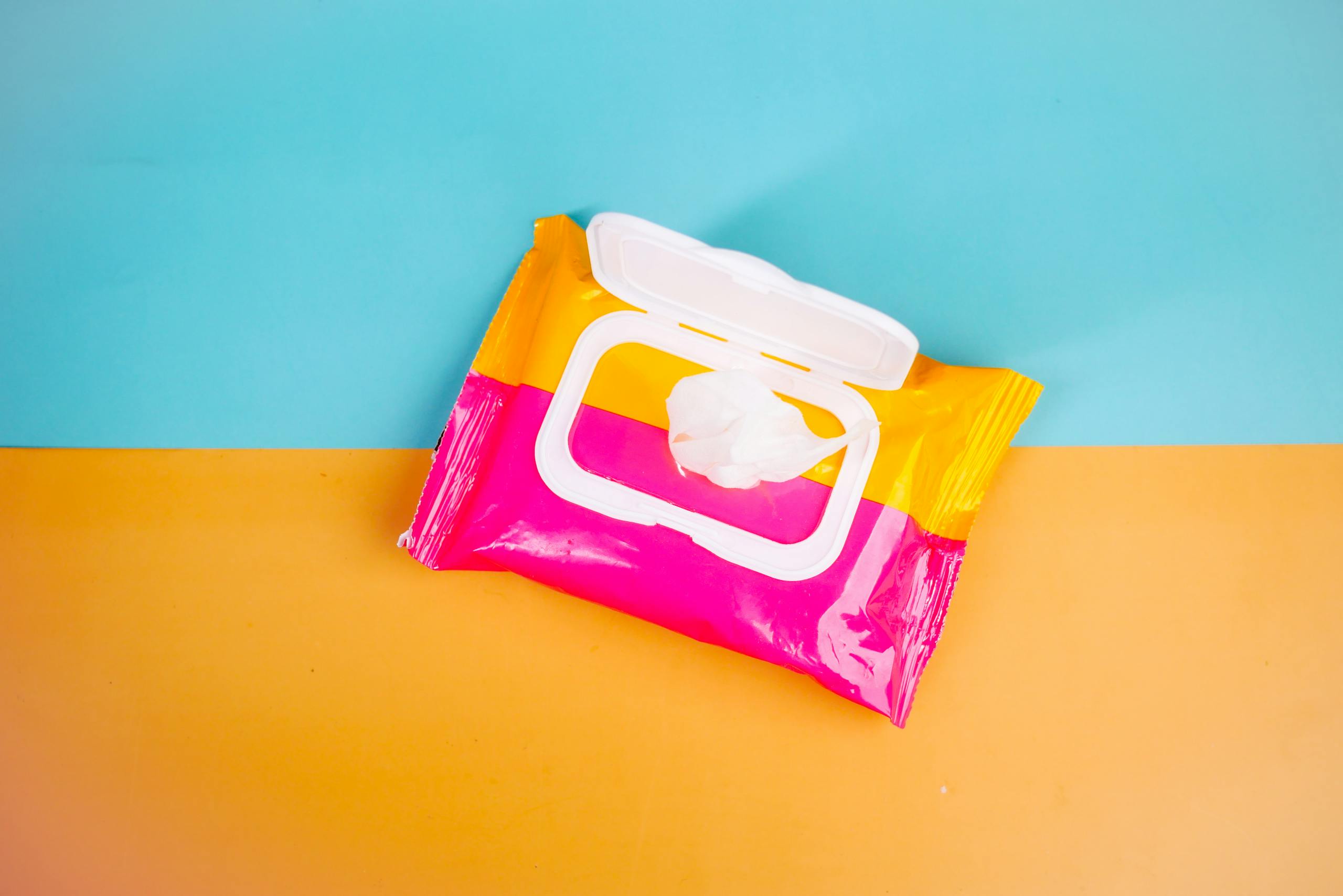
Many of us use baby wipes, facial wipes, or cleaning wipes regularly, and the packaging may proudly proclaim that they’re “flushable.”
However,even “flushable” wipes often don’t break down properly in the pipes, meaning they can get stuck and cause massive clogs. Unlike toilet paper, these wipes are made from materials that just won’t dissolve like they’re supposed to.
Why it matters: Even if the packaging says they’re flushable, wipes can form stubborn blockages in your pipes, and over time, these can cause bigger issues in your home plumbing system.
The better option: Trash them instead of flushing. Dispose of wipes in a trash bin to keep everything flowing smoothly.
Paper Towels and Tissues
It’s easy to think that paper towels and facial tissues are just another form of paper, right? After all, they’re soft and absorbent, so why not flush them? Well, the truth is that these products don’t dissolve in water the same way toilet paper does.
When flushed, they can form dense masses that block pipes and disrupt sewage systems.
Why it matters: Paper towels and tissues are thicker and more absorbent, meaning they can get caught in pipes and lead to serious plumbing issues.
The better option: Trash them, simple as that. If you’re concerned about waste, try composting paper towels made from biodegradable materials.
Feminine Hygiene Products
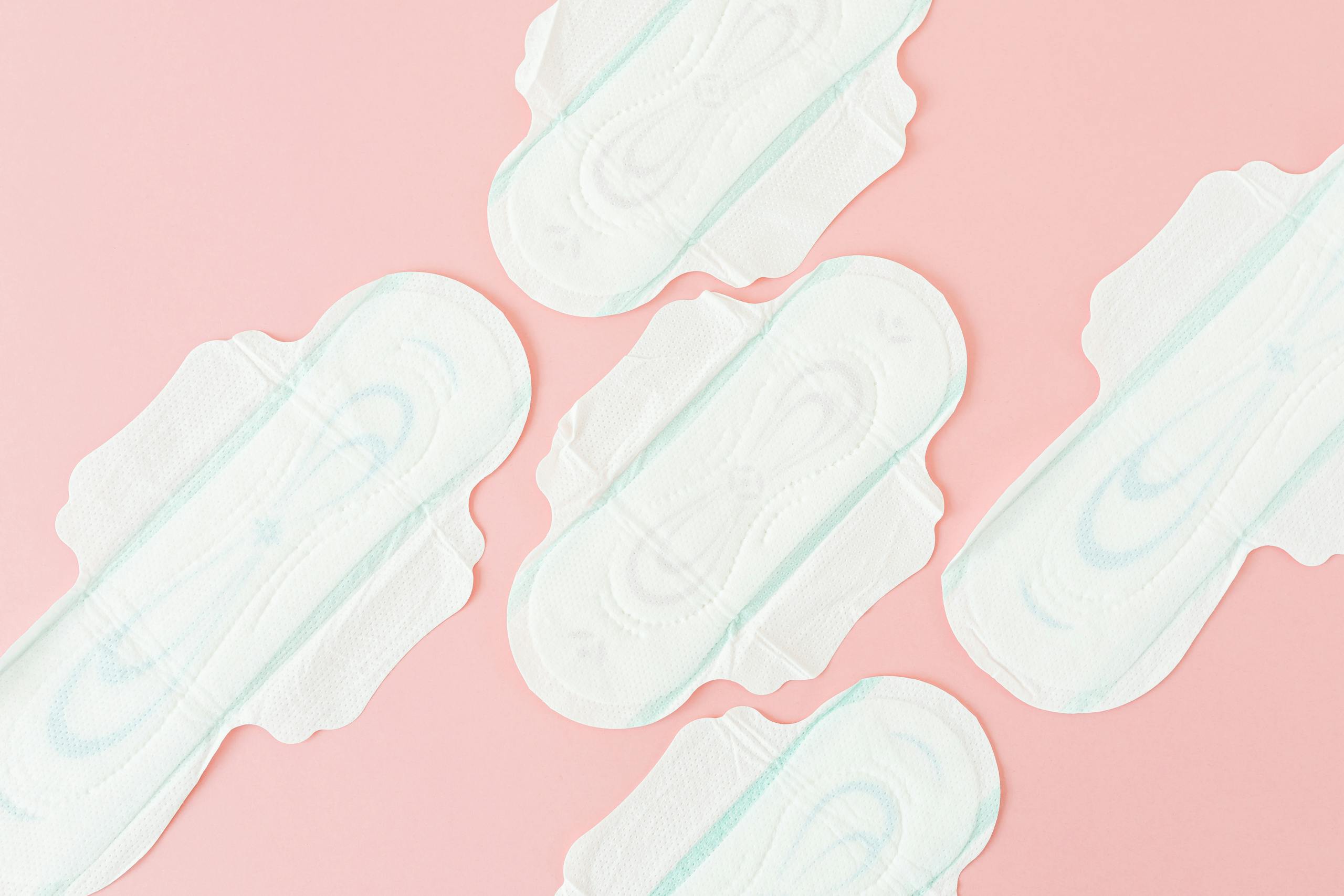
Tampons, pads, and other feminine hygiene products are all designed to absorb moisture, which is the opposite of what you want in your plumbing.
These products don’t break down easily in water and can cause major clogs in your pipes and local sewage systems.
Why it matters: Flushing these items can lead to backups that not only affect your home plumbing but can also damage public sewer systems.
The better option: Wrap your used sanitary products in tissue or biodegradable wrap and toss them in the trash. Some products even come with special disposal bags for easy handling.
Dental Floss
Dental floss might seem like a tiny, harmless piece of string, but don’t be fooled. Once flushed, it doesn’t dissolve, and it can easily get tangled around other debris in your pipes. Over time, dental floss can contribute to blockages that are both tough to detect and expensive to fix.
Why it matters: It might seem insignificant, but floss can build up over time and cause major problems in your plumbing.
The better option: Always throw your used floss in the trash. It’s a simple switch that can save you from costly plumbing repairs.
Hair
Whether it’s from brushing or shaving, hair has a tendency to collect in clumps when it gets wet, and when it’s flushed, it can easily lead to a clogged drain. It doesn’t break down in water, so it just sits there and creates matted blocks that trap other debris.
Why it matters: Hair is one of the main culprits behind slow-moving drains and stubborn clogs in bathrooms.
The better option: Collect hair in a trash bag and dispose of it when cleaning up. You can also use hair-catching devices in drains to avoid a mess in the first place.
Medications
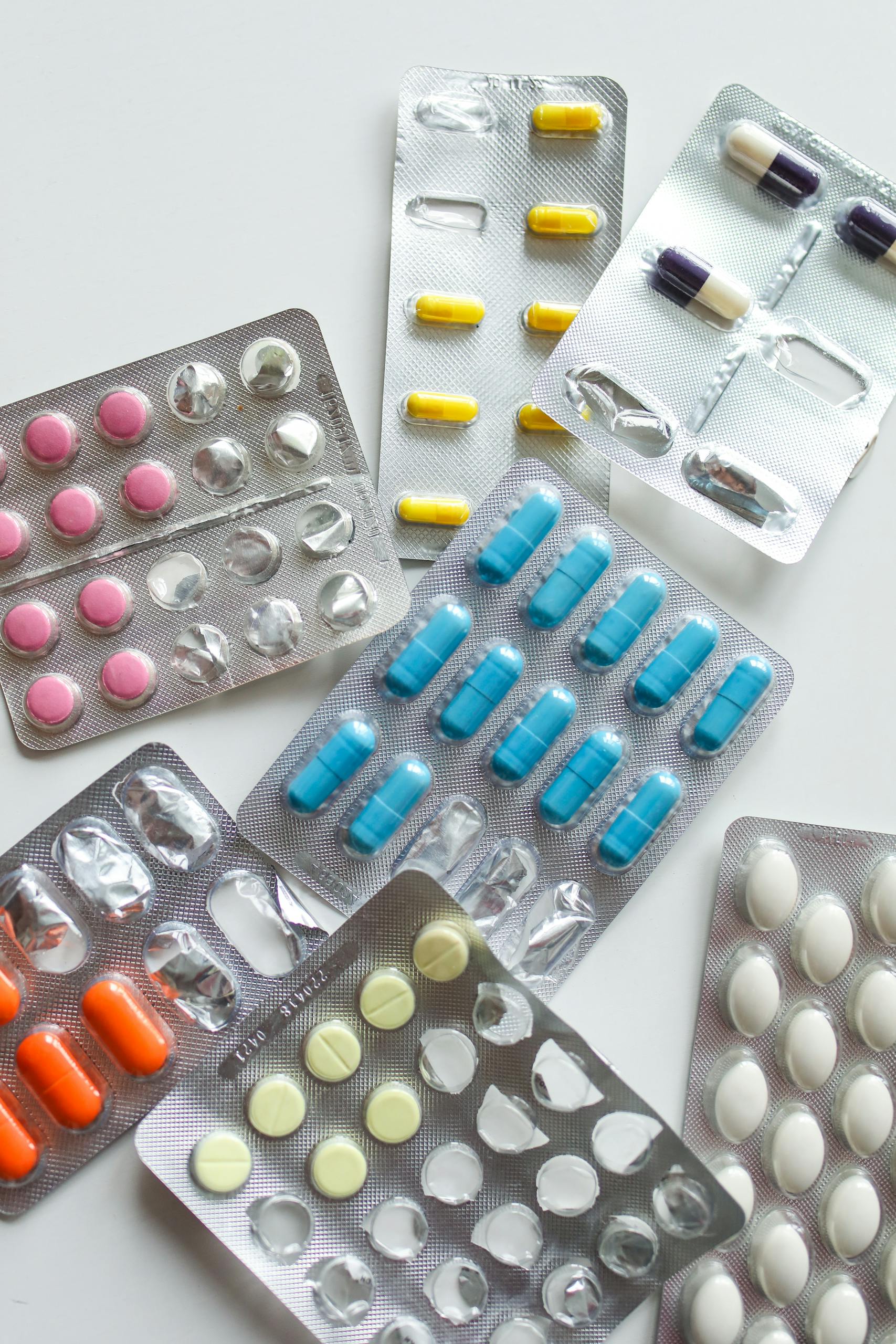
While it may seem like a good idea to flush expired medications, it’s actually one of the worst things you can do.
Many drugs contain chemicals that can pollute water systems and harm aquatic life. Flushing them down the toilet can release these chemicals into the environment.
Why it matters: Flushing medications can introduce harmful substances into rivers and streams, potentially contaminating drinking water and harming wildlife.
The better option: Check your local pharmacy or community for medication disposal programs or follow the FDA’s safe disposal guidelines.
Condoms
Condoms, whether they’re used or unused, are made of materials like latex, which don’t break down in water. Flushing them can cause a blockage in your plumbing and contribute to sewer system strain.
Why it matters: Like other non-dissolvable items, condoms are problematic for both home plumbing and municipal sewage systems.
The better option: Wrap them in tissue and dispose of them in the trash.
Band-Aids and Medical Dressings
Band-Aids, gauze, and other medical dressings are often coated with adhesives and plastic fibers that don’t dissolve in water. Flushing these items can lead to stubborn clogs that require professional help to fix.
Why it matters: These items don’t degrade in water, and they can get tangled in the pipes, causing unwanted buildup.
The better option: Trash your bandages. If you have multiple medical dressings, consider using bio-degradable options where possible.
Cigarette Butts

It’s tempting to just flick your cigarette butt into the toilet, but these tiny bits of trash are packed with chemicals that don’t dissolve. Flushing cigarette butts can also clog your pipes and pollute waterways when the chemicals leach out.
Why it matters: Cigarette filters are made of synthetic fibers that never break down and contribute to toxic waste in the environment.
The better option: Dispose of cigarette butts in a designated waste bin or an ashtray.
Plastic Packaging
Plastic wraps, plastic bags, and other types of packaging don’t break down when flushed and can cause severe issues within your plumbing and local sewage systems.
Plus, the plastic will eventually make its way into the environment, contributing to pollution.
Why it matters: Plastic is an environmental nightmare that can cause both local and global harm, particularly in water sources.
The better option: Recycle plastic packaging when possible, and always throw away non-recyclable plastic items in the trash.
Conclusion
Flushing things like wipes, cotton swabs, and medication may seem harmless, but they can wreak havoc on your plumbing and the environment.
By sticking to the simple rule, flush only human waste and toilet paper, you’ll protect your pipes, save money on plumbing bills, and do your part to preserve the environment.
Now that you know what not to flush, it’s time to take action! Next time you’re tempted to toss something into the toilet, remember: if it’s not toilet paper or human waste, it belongs in the trash.


