


History has a funny way of slipping through our fingers, sometimes disappearing in the blink of an eye.
Whether due to environmental damage, over-tourism, or simply the ravages of time, the world’s most iconic historical sites are constantly at risk.
If you’ve been putting off a trip to these unforgettable locations, you might soon regret it. Here’s a warning: time is running out to visit some of the world’s most awe-inspiring historical treasures before they’re lost forever.
The Great Wall of China
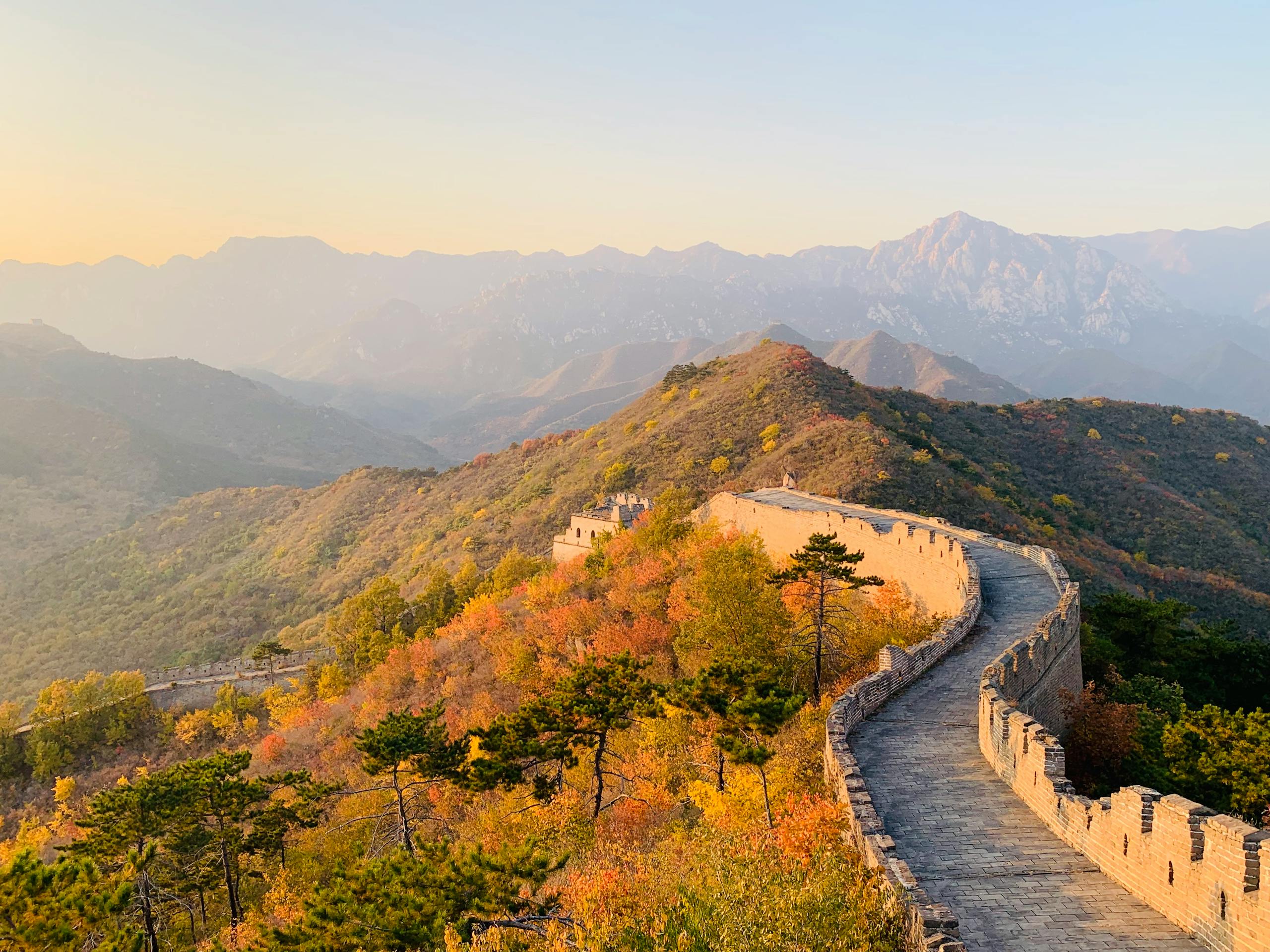
Stretching over 13,000 miles, the Great Wall of China is one of the most ambitious human constructions ever built. Yet, it is now facing a dire future. Sections of the wall are eroding due to neglect, pollution, and natural weathering.
As millions of visitors continue to flock to its most famous sections, lesser-known parts of the Wall are being left to deteriorate without care or funding for their restoration.
In some areas, the stone and brickwork have crumbled to the point where the wall is barely recognizable.
Additionally, the increasing number of tourists visiting the Wall has led to unsustainable practices that further damage this symbol of Chinese endurance.
Time is running out for travelers to explore this majestic feat of architecture before large sections become lost forever.
Machu Picchu, Peru
Machu Picchu, often called the “Lost City of the Incas,” is quickly becoming one of the most endangered historical sites in the world.
This ancient citadel, perched high in the Andes Mountains, has already suffered significant structural damage from overtourism.
With up to 1.5 million visitors a year, the delicate balance between preservation and access is hanging by a thread. Some areas of the site are at risk of permanent closure due to safety concerns and environmental deterioration.
The famous Inca Trail, once a pristine path, has become overrun, with a noticeable increase in waste, traffic, and environmental degradation.
As the tourism industry pushes to accommodate more visitors, it becomes increasingly difficult to preserve Machu Picchu’s integrity. If you’ve ever dreamed of visiting this magnificent site, now is the time. Don’t wait for its future to be uncertain.
The Colosseum, Rome, Italy

The Colosseum in Rome is one of the most iconic symbols of the Roman Empire’s might, but even this ancient wonder is under threat. Due to centuries of pollution, earthquakes, and the sheer weight of history, parts of the Colosseum are slowly decaying.
Restoration efforts are underway, but due to the structure’s fragility and the marble’s delicate nature, complete preservation seems increasingly unlikely.
In recent years, portions of the arena floor have collapsed, revealing the intricate system of underground tunnels where gladiators once waited to face death.
However, the restoration process has been slow, and large sections of the Colosseum remain closed to the public.
For anyone who has dreamed of stepping inside this ancient amphitheater, you may want to act fast before further deterioration makes access more difficult.
Petra, Jordan
Petra, the stunning rose-red city carved into the cliffs of Jordan, faces a perilous future. The ancient city’s rock-hewn facades, once magnificent, are beginning to show the marks of centuries of weathering and exposure.
With tourists flocking to the site every day, the erosion of Petra’s structures has accelerated. Despite efforts to protect the site, some areas are so fragile that they have been closed off to the public.
The famed Treasury, one of Petra’s most recognizable landmarks, is slowly being swallowed by the harsh desert winds.
Additionally, the surrounding environment has become increasingly vulnerable to environmental damage, including flooding and human impact.
Petra’s decline is inevitable without immediate, sustained preservation efforts, making it crucial for travelers to visit now before the damage becomes irreversible.
Stonehenge, United Kingdom
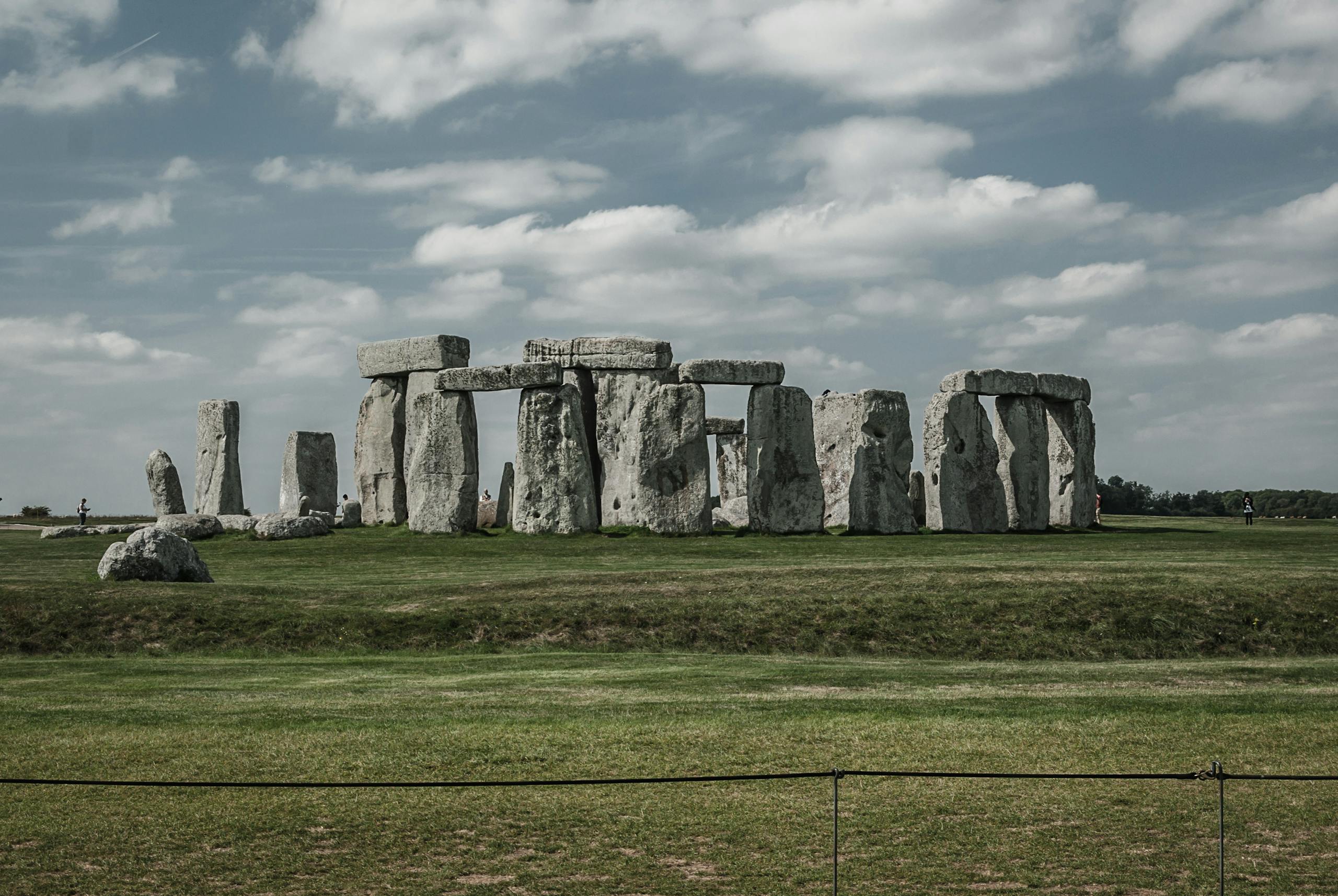
Stonehenge is one of the world’s most mysterious monuments, and it faces an uncertain future. Situated in the UK, this prehistoric stone circle has been at the mercy of the elements for thousands of years, and the continued erosion of its stones is becoming a major concern.
The ancient stones, once used in religious and astronomical practices, are showing signs of weathering, and the surrounding landscape is becoming overdeveloped.
Tourists’ access to the site has been restricted in recent years, but the damage done to the stones may already be irreversible.
Stonehenge’s once-untouched aura is rapidly diminishing as time, weather, and human activity take their toll. Visit this enigmatic site now, before the mysterious aura that has surrounded it for centuries is lost forever.
Angkor Wat, Cambodia
Angkor Wat, the largest religious monument in the world, faces the dual challenges of over-tourism and environmental stress. As Cambodia’s most famous temple, it receives millions of visitors each year.
The constant flow of tourists, combined with humidity, tree roots, and rising water levels, has led to cracks in the temple’s structure. Without proper restoration, parts of Angkor Wat risk complete collapse.
Many of the intricate carvings that adorn the temple are starting to fade or erode, while some sections are covered with vegetation. The Cambodian government, along with UNESCO, is working hard to preserve the site, but the pressure from millions of visitors continues to take its toll. Visit Angkor Wat soon, or risk seeing it deteriorate beyond recognition.
The Pyramids of Giza, Egypt
The Pyramids of Giza have stood for over 4,500 years, yet they are slowly being worn down by pollution, tourism, and the unforgiving climate of Egypt.
Once regarded as the epitome of ancient architectural genius, the Pyramids are now facing the very real threat of erosion and disintegration.
As global warming accelerates, these monumental structures are at risk of irreversible damage. If you don’t visit soon, these timeless wonders may not look the same by the time you get there.
The Great Pyramid, which once served as a burial place for Pharaoh Khufu, is slowly losing its outer casing of smooth limestone, exposing the rough core beneath.
With increasing air pollution in Cairo and the relentless strain of millions of tourists, there’s no guarantee how long this ancient wonder will remain unscathed.
The majestic Sphinx, too, faces erosion from sandstorms and smog. Take the opportunity to witness these spectacular feats of engineering before they’re lost to time.
The Acropolis of Athens, Greece
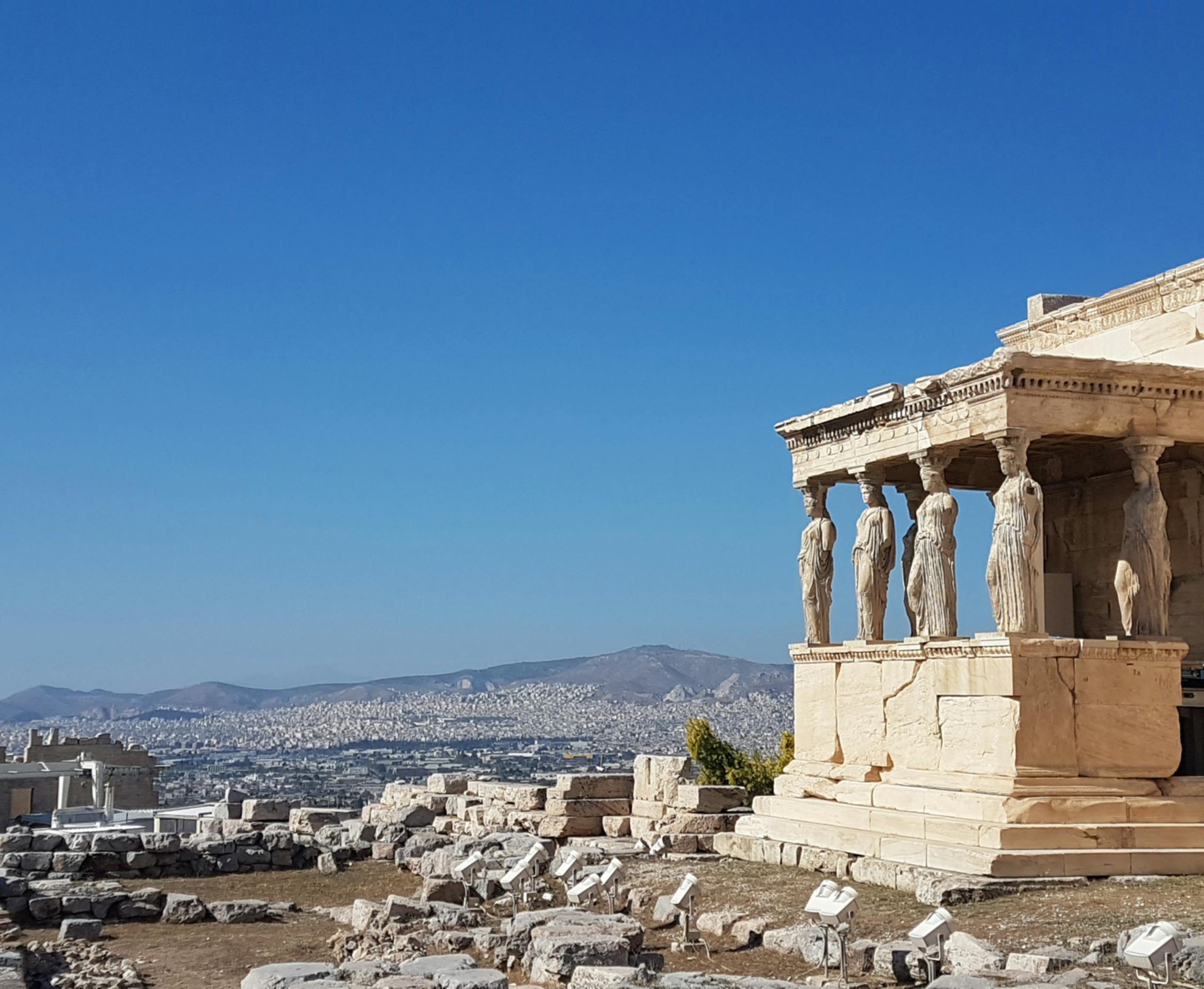
The Acropolis, the symbolic heart of Athens and the birthplace of Western civilization, is under constant threat from pollution, urbanization, and tourism.
The Parthenon, one of the most famous and enduring symbols of ancient Greece, has been severely damaged by centuries of exposure to the elements.
The acidic air in Athens, combined with the high volume of visitors, has accelerated the deterioration of the temple’s structure.
Efforts to preserve the Acropolis are underway, but the wear and tear from centuries of human activity may be irreversible.
As one of the world’s most important historical sites, the Acropolis is in danger of losing its grandeur. Time is running out to experience this incredible site before its future becomes uncertain.
Conclusion
The world’s most iconic historical sites are at risk of being lost forever due to the ravages of time, neglect, and the ever-increasing pressure of tourism.
If you’ve been procrastinating on visiting these breathtaking locations, now is the time to act before they are forever changed, or worse, lost.
Traveling to these historical wonders is not just a chance to see something remarkable; it’s an opportunity to preserve history before it slips away. Don’t let these incredible sites vanish into the past; visit them before it’s too late.


