


Water conservation is a growing concern for gardeners, especially in areas facing droughts or extreme heat. Fortunately, there are a number of vegetables that thrive in dry conditions, making them ideal for sustainable, water-efficient gardens.
By choosing drought-tolerant varieties, you can not only reduce your water usage but also enjoy a vibrant and productive garden. Below are 11 drought-tolerant vegetables to consider for your garden this summer.
Beans and Other Legumes
Beans, especially varieties like black-eyed peas and pole beans, are among the most drought-tolerant vegetables you can grow.
These plants have deep roots that help them access water from the soil, allowing them to survive even in periods of dryness. Legumes like snap beans are perfect for vertical gardening, where they can thrive on a shared trellis, reducing the need for regular watering.
Pairing beans with mulch can further retain moisture in the soil, making them perfect for water-efficient gardening.
Best For: Vertical growing in sunny gardens
Recommended Variety: Rattlesnake Beans
Zucchini, Squash, and Melons

Although cucurbits such as zucchini, squash, and melons are water-rich themselves, they have a surprising ability to tolerate dry conditions.
Their long root systems allow them to tap into deep water reserves in the soil, and their broad leaves create shade that slows down evaporation. If you’re looking for a summer garden that can weather dry spells, these vegetables are an excellent choice.
Varieties such as Green-Striped Cushaw squash and Dark Star zucchini are particularly drought-resistant.
Best For: Sunny gardens with rich soil
Recommended Variety: Green-Striped Cushaw Squash
Globe Artichokes
A perennial favorite for drought-prone areas, globe artichokes are ideal for xeriscaping and edible landscaping. Not only are they drought-tolerant, but they also attract pollinators, adding beauty and function to your garden.
Globe artichokes are especially effective in USDA Hardiness Zones 7 and up, where they can survive winter and thrive in relatively dry conditions. Their drought resistance makes them a standout choice for sustainable gardening.
Best For: Pollinator gardens and edible landscapes
Recommended Variety: Green Globe Artichoke
Okra
Okra thrives in the heat and is naturally drought-tolerant once established. This southern staple is perfect for hot, dry conditions, where it can handle sun exposure and limited watering.
While young plants require regular watering to establish, mature okra is quite resilient. Additionally, okra’s large flowers and edible pods make it a pollinator-friendly addition to your garden.
Best For: Pollinator-friendly edible landscaping
Recommended Variety: Burgundy Okra
Peppers
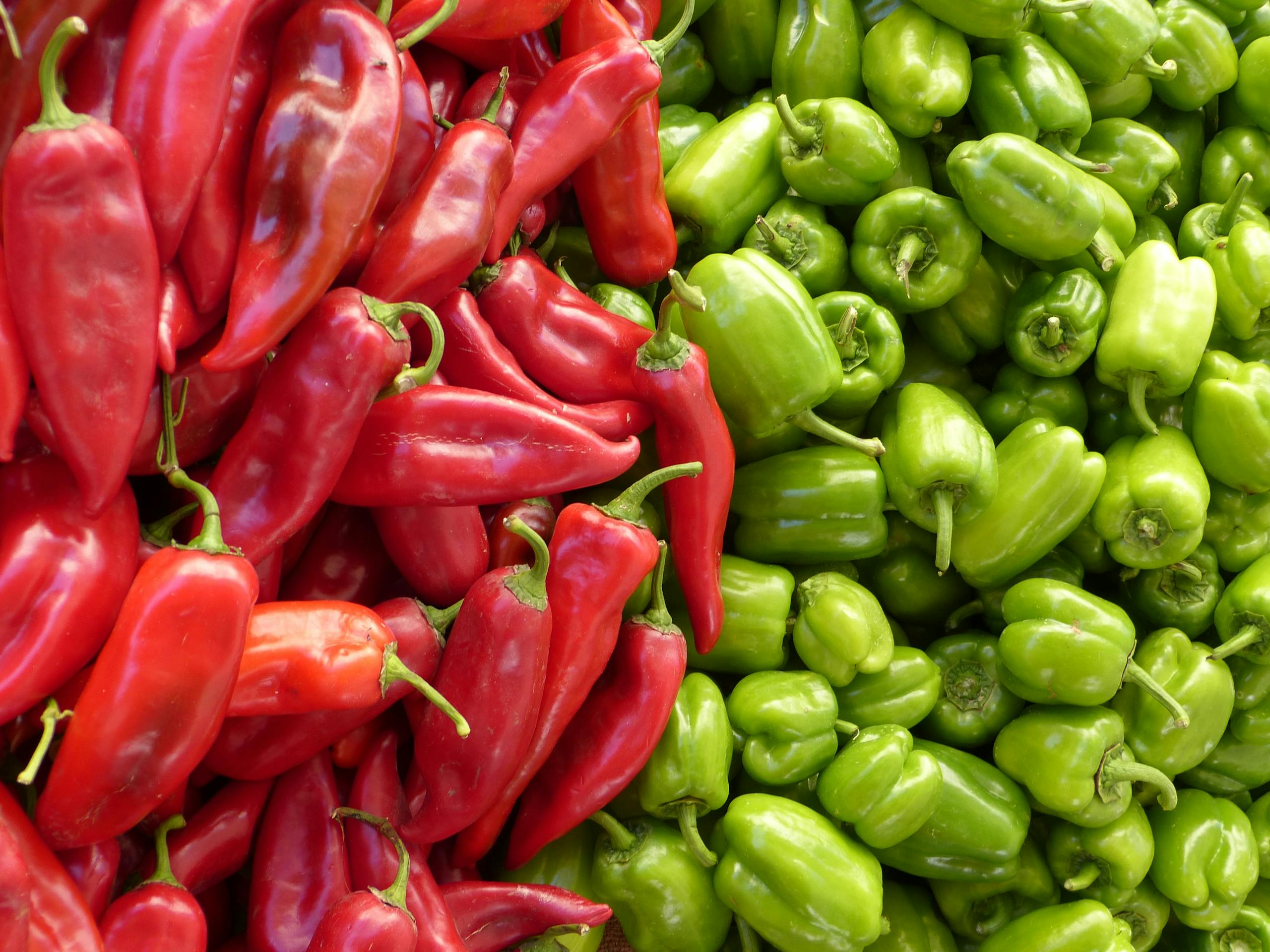
Peppers, particularly varieties like jalapenos and other hot peppers, thrive in warm temperatures and dry conditions.
The intense heat of summer can actually enhance the flavor of these peppers, especially when they are water-stressed.
Additionally, peppers are compact enough to be grown in containers or raised beds, making them versatile for various garden sizes. They’re perfect for both fresh eating and preserving through freezing, canning, or drying.
Best For: Container gardens and food preservation
Recommended Variety: Heirloom Jalapeno Peppers
Armenian Cucumbers
Unlike regular cucumbers that require consistent watering, Armenian cucumbers can withstand drier soil without turning bitter. Their long, deep roots make them more resilient in dry conditions, and they offer a refreshing, burpless alternative to traditional cucumber varieties. Armenian cucumbers also grow well on trellises, making them a great option for small gardens.
Best For: Vertical growing in rich soil
Recommended Variety: Armenian Pale Green Cucumber
Swiss Chard
Swiss chard is one of the most adaptable leafy greens when it comes to drought tolerance. It can handle high heat and dry conditions without bolting, making it an excellent choice for summer gardens.
With its colorful stems and robust flavor, Swiss chard thrives in containers and raised beds, where it can be harvested continuously throughout the growing season.
Best For: Container gardening and succession planting
Recommended Variety: Rainbow Swiss Chard
Eggplants

Eggplants are well-suited for hot climates and drought conditions. While they do require nutrient-rich soil for optimal growth, eggplants can handle periods of dryness.
To maximize water efficiency, consider installing a drip irrigation system and using mulch around the plants. Eggplants not only tolerate dry conditions but also produce high yields when well-maintained.
Best For: Sunny gardens and container growing
Recommended Variety: Eggplant Seed Collection
Rhubarb
Rhubarb, a hardy perennial, is well-suited for dry, hot conditions. Once established, it stores water in its roots, allowing it to thrive even during extended dry spells. Its deep red stalks add color to your garden while providing early-season harvests.
Rhubarb is also a pest-resistant plant, making it low-maintenance and ideal for edible landscapes.
Best For: Edible landscaping and early harvests
Recommended Variety: Victoria Rhubarb
Heirloom Corn
While sweet corn typically requires regular watering to yield well, certain heirloom varieties, such as Painted Mountain and Hopi Pink corn, have been bred to tolerate drought. These varieties have adapted to less-than-ideal growing conditions and can still provide a bountiful harvest. Additionally, heirloom corn is perfect for seed saving, allowing you to grow your own seeds year after year.
Best For: Larger gardens and seed saving
Recommended Variety: Painted Mountain Corn
Jerusalem Artichokes
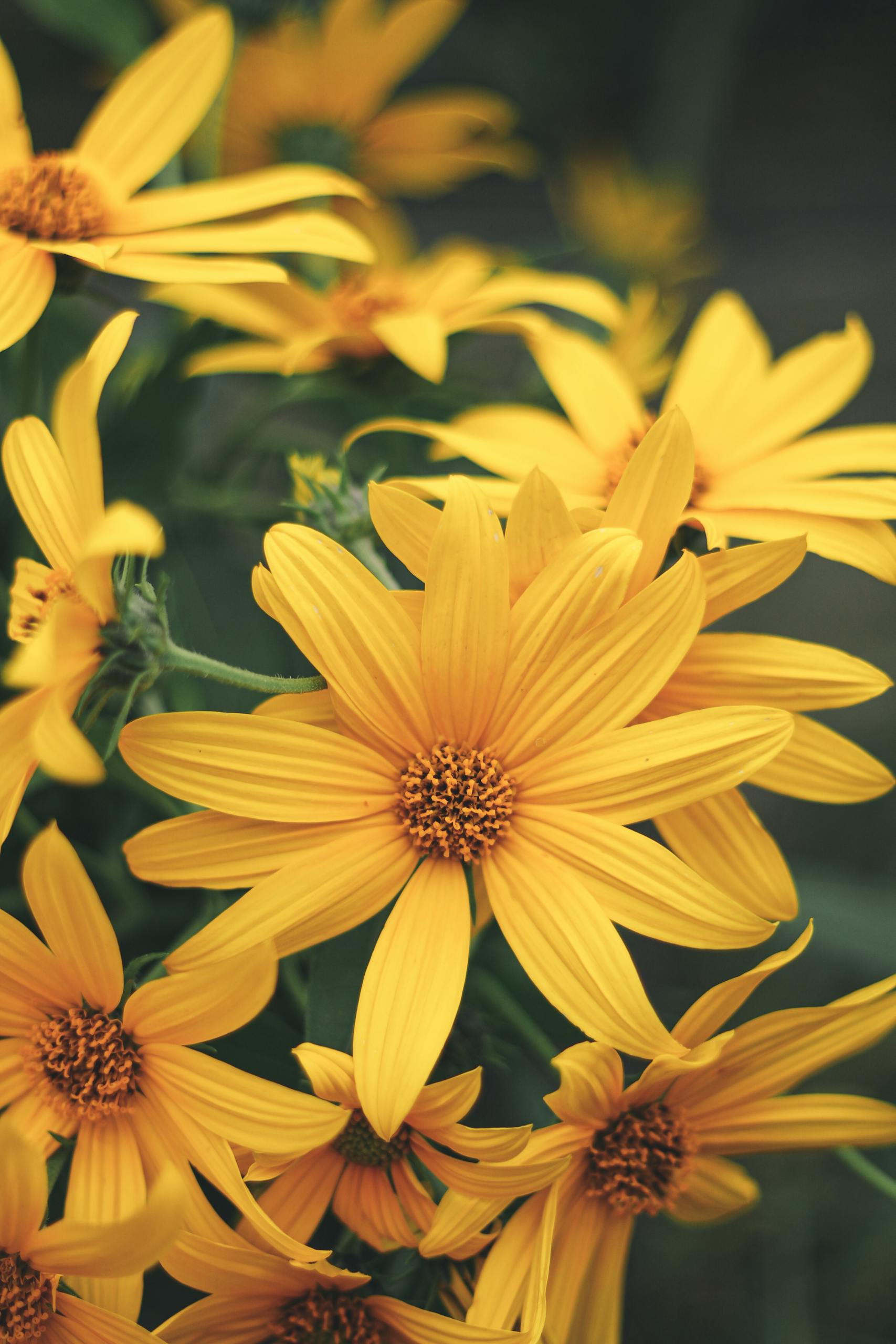
Jerusalem artichokes, also known as sunchokes, are native plants that thrive in dry soil and can handle periods of drought. These resilient plants produce bright yellow flowers and edible tubers that can be used like potatoes.
Jerusalem artichokes also support pollinators, making them a great addition to any garden looking to attract beneficial insects.
Best For: Pollinator gardens and native plant gardens
Recommended Variety: Jerusalem Artichoke Tubers
Conclusion
Drought-tolerant vegetables are an excellent solution for reducing water usage while maintaining a productive garden.
By selecting hardy plants like beans, zucchinis, and peppers, you can create a thriving, water-efficient garden that withstands dry conditions.
Whether you’re looking for pollinator-friendly plants, vegetables for container gardens, or crops that can withstand heat, these drought-resistant varieties are sure to help you make the most of your outdoor space.


