7 Signs of Autism in Adults That Often Go Unnoticed
The CDC estimates that about 1 in 45 adults in the United States is autistic, including those who may never have been diagnosed in childhood.
Autism in adults often goes unnoticed, mainly because the spotlight is usually on children. But the reality is, autism affects plenty of adults too, and the signs can be much subtler than most people realize. Many adults only discover they are on the spectrum after spending years feeling like something was just “different” about them. It’s a journey of realization that often comes later in life, after navigating years of unspoken struggles.
When these signs go unnoticed, people can struggle quietly in social situations, at work, or in relationships. Some wear a smile while feeling misunderstood, which is why spotting traits early can transform experiences and relationships.
This article talks about major signs of autism in adult that often go unnoticed.
Preference for Routine and Predictability

Adults with autism often feel more comfortable with routines because they bring a sense of stability and ease. It might mean sticking to the same morning routine, carefully planning every detail of a grocery trip, or feeling off-balance when plans suddenly change.
Difficulty With Social Interactions

For autistic adults, picking up on social cues can feel like trying to learn a new language without any guidance. You might see someone struggling with things like tone of voice, making eye contact, or picking up on what’s left unsaid in a conversation. It can feel like standing at the edge of a party, wanting to join in, but not quite knowing how.
Intense Focus on Special Interests
Some adults are known for having very deep interests that are more than hobbies. These passions might dominate conversations, free time, or even finances because they bring joy and meaning that other activities do not provide.
Sensory Sensitivity

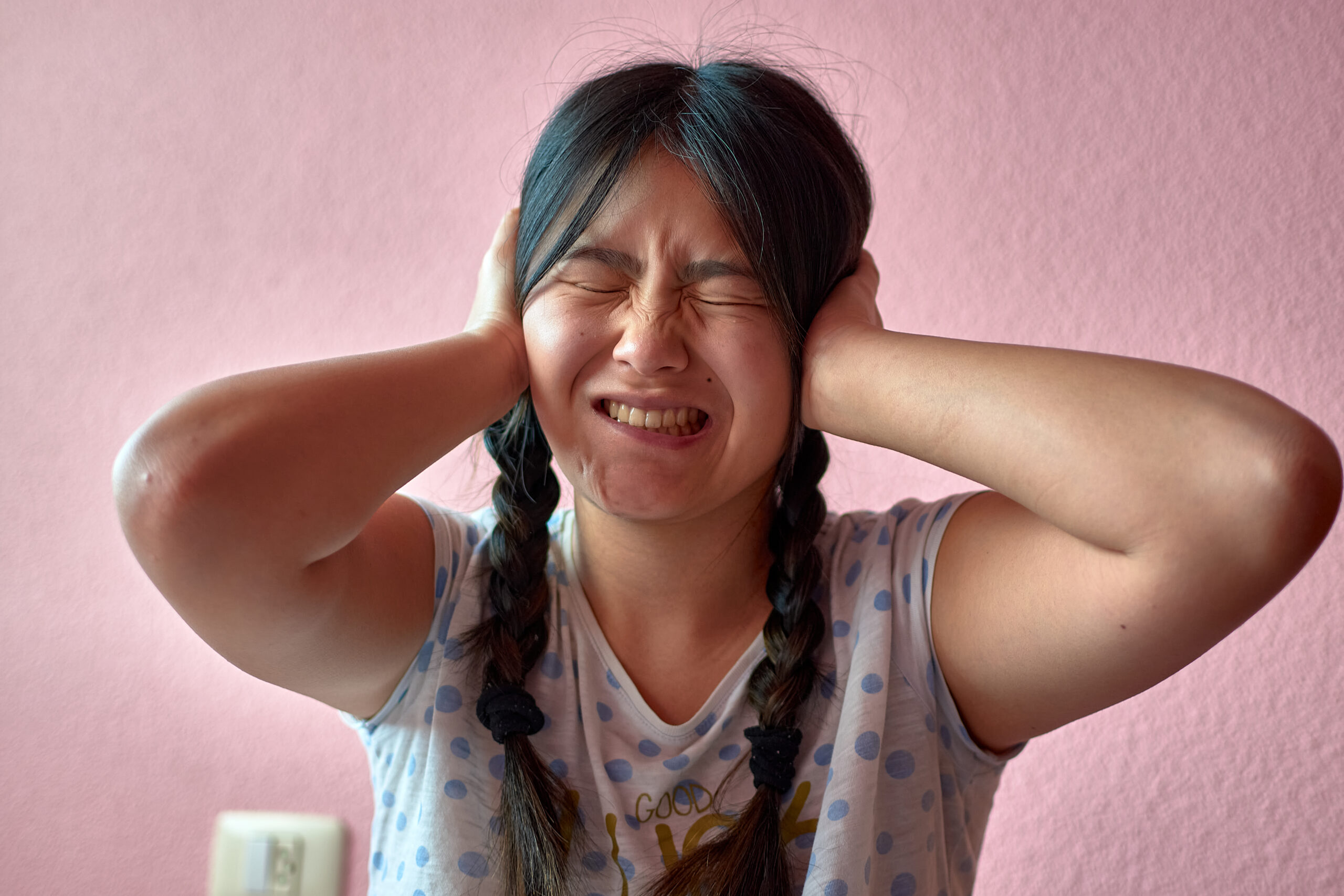
Sensory experiences that most people brush off can feel overwhelming to autistic adults. Some people are hypersensitive to smells, sounds, or textures, while others may be hyposensitive, seeking stronger sensations.
These sensory differences shape how someone experiences everyday environments and can contribute to avoidance of crowded or noisy places.
Slow or Literal Processing of Language
For autistic adults, language can be a bit more straightforward. They may take longer to respond to questions because their brain is busy processing every detail carefully.
Some autistic adults learn to “mask” behaviors so others don’t notice their differences. Masking can involve mimicking social habits or hiding discomfort with eye contact. It might feel like putting on an acting role every day, and it can be exhausting.
Challenges in Relationships and Emotional Reciprocity
Some autistic adults may find it hard to express emotions in ways others immediately grasp, or they might struggle to read their partner’s feelings in real time.
Difficulty With Transitions and Executive Function
Adult life demands juggling tasks, deadlines, and priorities, but some autistic adults find executive functions , such as planning, task-switching, and organizing, particularly challenging.
Conclusion
Autism in adults, when understood, can open up a world of empathy and clarity.
Everyone’s experience is unique, and it’s important to remember that the way someone navigates the world, whether through routines, communication, or social interactions, doesn’t make them less capable or valuable.
It just makes them who they are. With awareness and acceptance, we can all make life a little easier for those walking a different path.
Read the original article on crafting your home