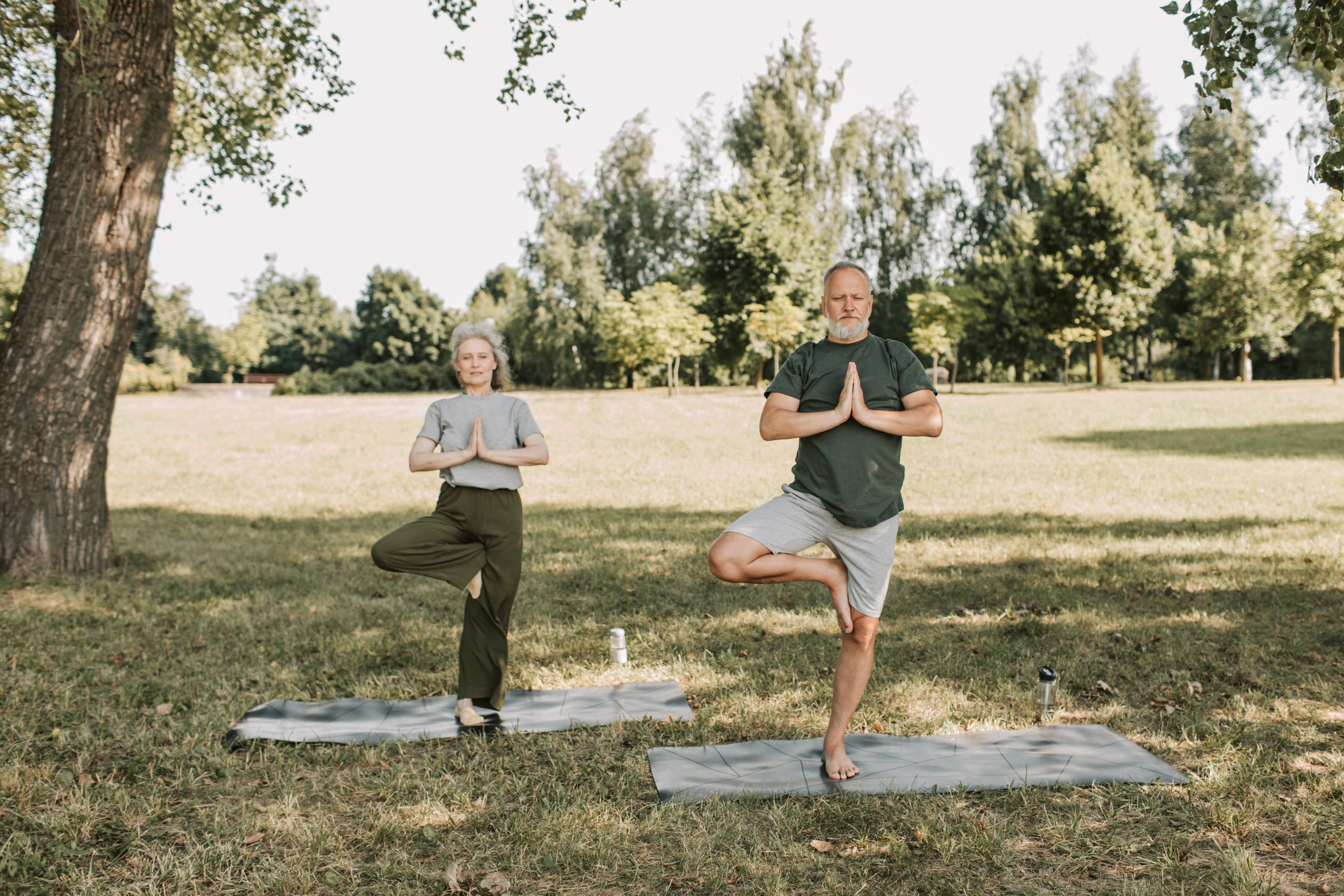
Some people seem to have discovered the cheat codes to life, living long enough to collect great-grandchildren like rare stamps. Longevity isn’t just about good genes; it’s about lifestyle hacks that cultures have perfected over centuries. From sipping tea to embracing life philosophies, these nine practices reveal surprisingly simple yet profoundly effective ways that people worldwide are stretching their lifespans.
These longevity practices aren’t a gimmick or a fleeting trend. They blend diet, purpose, relaxation, and environment into everyday life, creating a foundation for health, happiness, and endurance. As we journey through these global secrets, you might be tempted to pack your bags for Japan, Spain, or Costa Rica, or at least raid your kitchen for olive oil and herbal tea.
Olive Oil Magic

In sun-drenched Mediterranean regions, olive oil reigns supreme, earning its nickname “liquid gold” for a reason. Packed with antioxidants, monounsaturated fats, and anti-inflammatory compounds, it doesn’t just flavor food; it protects cells from oxidative damage, promoting heart and brain health. Drizzling it over salads, fish, or even enjoying a spoonful straight up has been linked to lower rates of cardiovascular disease and healthier aging.
Mediterranean populations consuming high amounts of extra virgin olive oil consistently report longer lifespans and reduced chronic disease risk. Its polyphenols support endothelial function, regulating blood pressure and vascular health. Using olive oil as a staple fat rather than butter or margarine is more than a culinary choice; it’s a proven strategy for extending the quality of your years.
Ikigai
The Japanese concept of Ikigai combines passion, mission, profession, and vocation into a single purpose-driven life. People who live with a clear purpose often experience lower stress, better emotional resilience, and improved mental health. Finding your Ikigai doesn’t require a career change; it requires aligning daily activities with what genuinely fulfills you and benefits others.
Studies of Okinawa residents, who enjoy some of the highest global life expectancies, reveal that a strong sense of purpose correlates with longevity. Those who report waking up excited to engage in meaningful tasks show lower cortisol levels, better immune function, and longer telomere length, a biological marker of cellular aging. Ikigai isn’t a philosophy; it’s a longevity toolkit for the mind.
Red Wine Rituals

Moderate red wine consumption in Mediterranean countries has long been associated with extended life expectancy and improved cardiovascular health. Rich in polyphenols like resveratrol, red wine helps protect blood vessels, reduces inflammation, and may help balance cholesterol levels. Sharing a glass with friends strengthens social bonds, which, in turn, contribute to mental and physical health.
French and Italian populations practicing the “wine with meals” tradition exhibit lower rates of heart disease despite diets rich in cheese and bread. This lifestyle synergy, antioxidants, moderate consumption, and social enjoyment illustrate how small, pleasurable routines can yield large dividends in longevity.
Hara Hachi Bu, Eating Until You’re 80 Percent Full
Okinawan elders practice Hara Hachi Bu, stopping meals when they feel about 80 percent full. Caloric moderation without malnutrition reduces metabolic strain, supports healthy weight, and promotes cellular repair. Mindful eating, emphasizing vegetables, legumes, and fish, ensures nutrient density while preventing overconsumption.
Research suggests that this slight caloric restraint can activate longevity pathways, including improved insulin sensitivity and reduced oxidative stress. The combination of dietary balance and portion control exemplifies how restraint can paradoxically fuel both energy and lifespan.
Ayurveda Wisdom
Ayurveda, the ancient Indian system of wellness, emphasizes aligning daily routines with individual doshas, or energy types. Incorporating herbs like turmeric and ashwagandha, mindful sleep patterns, and seasonal dietary adjustments enhances immune function, reduces inflammation, and supports longevity. Simple practices like oil pulling, warm herbal teas, and meditation contribute to systemic detoxification and mental clarity.
Modern studies link Ayurvedic herbs with neuroprotective and anti-aging properties. Turmeric’s curcumin combats oxidative stress, while ashwagandha regulates cortisol, reducing chronic stress. Applying these ancient practices daily creates a holistic framework for extending both life span and vitality.
Sauna Therapy

Regular sauna use, traditional in Finland and other Nordic countries, promotes cardiovascular health, stress reduction, and detoxification. Elevated temperatures induce heat shock proteins that repair cellular damage, improve blood vessel function, and enhance endurance. Social sauna practices also nurture community bonds, combining physiological and psychological benefits.
Finnish studies demonstrate that frequent sauna users have lower rates of fatal cardiovascular events and all-cause mortality. Even short, consistent sessions can improve vascular compliance, reduce inflammation, and strengthen the heart, making a simple sweat session one of the most potent longevity tools available.
Siesta Culture
In Spain and other siesta-practicing nations, a brief midday nap restores cognitive function, reduces stress, and may lower cardiovascular risk. Short sleep intervals complement nighttime rest, improving memory, mood, and metabolic balance. Embracing downtime without guilt allows the body to recover, optimizing resilience and healthspan.
Population studies reveal that regular nappers exhibit lower rates of heart disease and improved psychological well-being. By reintroducing purposeful rest into daily routines, individuals can extend life expectancy while enhancing quality of life.
Pura Vida Lifestyle
Costa Ricans embrace Pura Vida, a philosophy emphasizing gratitude, simplicity, and stress-free living. Social cohesion, outdoor activity, and a positive mindset correlate with low chronic disease prevalence and long-life expectancy. Engaging with nature, maintaining strong family networks, and savoring each day contribute to both mental and physical resilience.
Communities in Nicoya, Costa Rica, demonstrate remarkable centenarian rates. Sunshine, active lifestyles, and low-stress social norms create a blueprint showing how environment and attitude combine to slow aging. Pura Vida illustrates that longevity is as much about lifestyle philosophy as it is about food or exercise.
Chinese Tea Culture

Tea is far more than a warm drink; it’s centuries of longevity wisdom steeped into your cup. Oolong, pu-erh, and green teas deliver antioxidants, support heart health, and calm the mind.
Daily tea rituals are slow, deliberate, and meditative, showing that sipping slowly may actually make life longer and sweeter. Populations that drink tea regularly, particularly traditional green and black teas, show associations with lower mortality in older adults and antioxidant‑related benefits tied to heart health, gut microbiome balance, and metabolic support.
Conclusion
Longevity emerges as a blend of mindful diet, purposeful living, restorative rest, and environmental harmony. From olive oil drizzles to sauna sweats, these Nine practices are not magic; they are replicable habits grounded in culture and science.
Integrating even a few into your daily life could extend both your lifespan and your health-span, giving you more years to enjoy family, friends, and the small joys of life.