

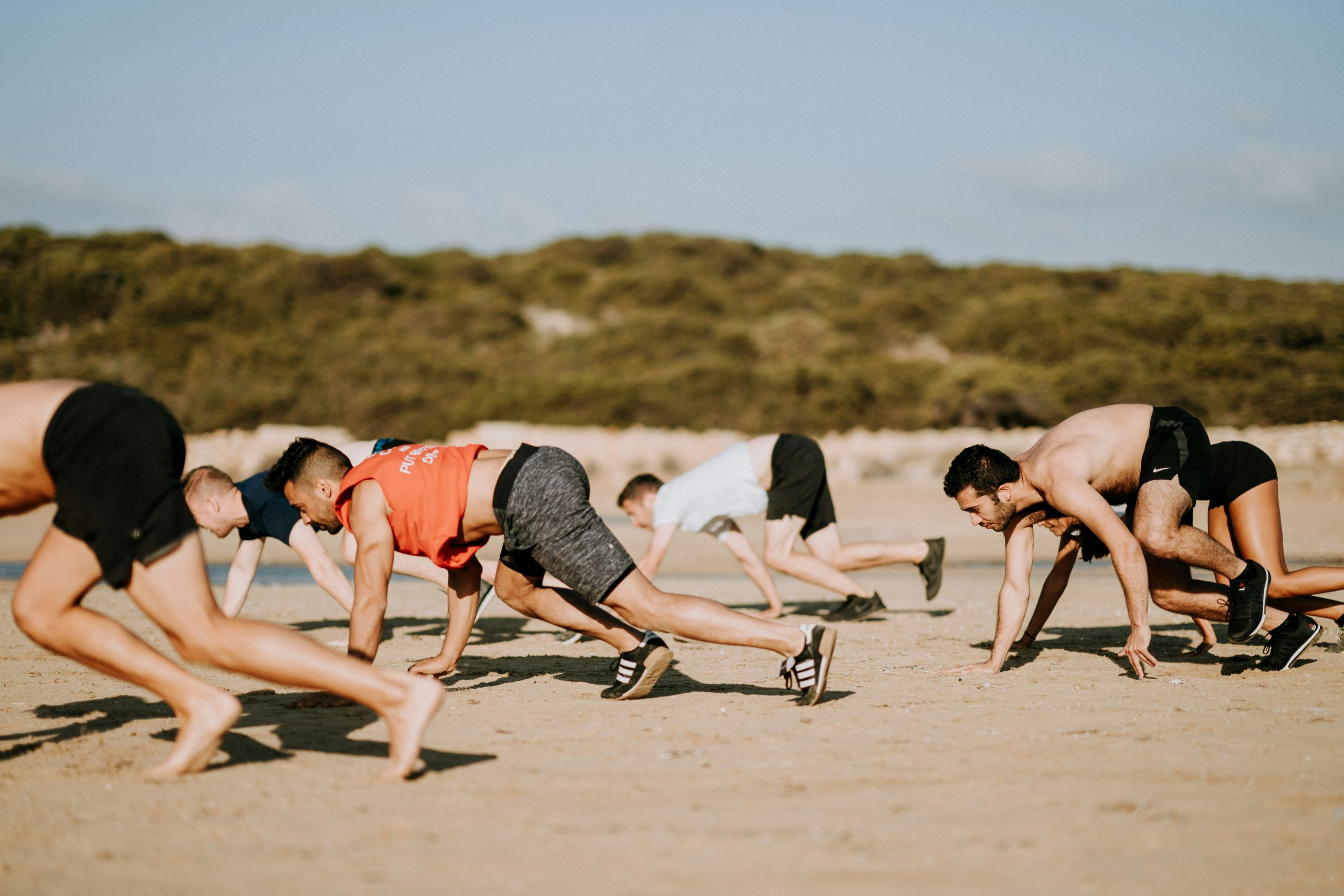
Struggling with insomnia can leave you feeling exhausted and frustrated. While popping a pill might seem like the easiest solution, recent research suggests that exercise could be a more effective and sustainable remedy. Science-backed exercises not only improve sleep quality but also help reduce anxiety and calm the mind. Here are nine exercises that can help you conquer insomnia without the need for sleeping pills.
Yoga
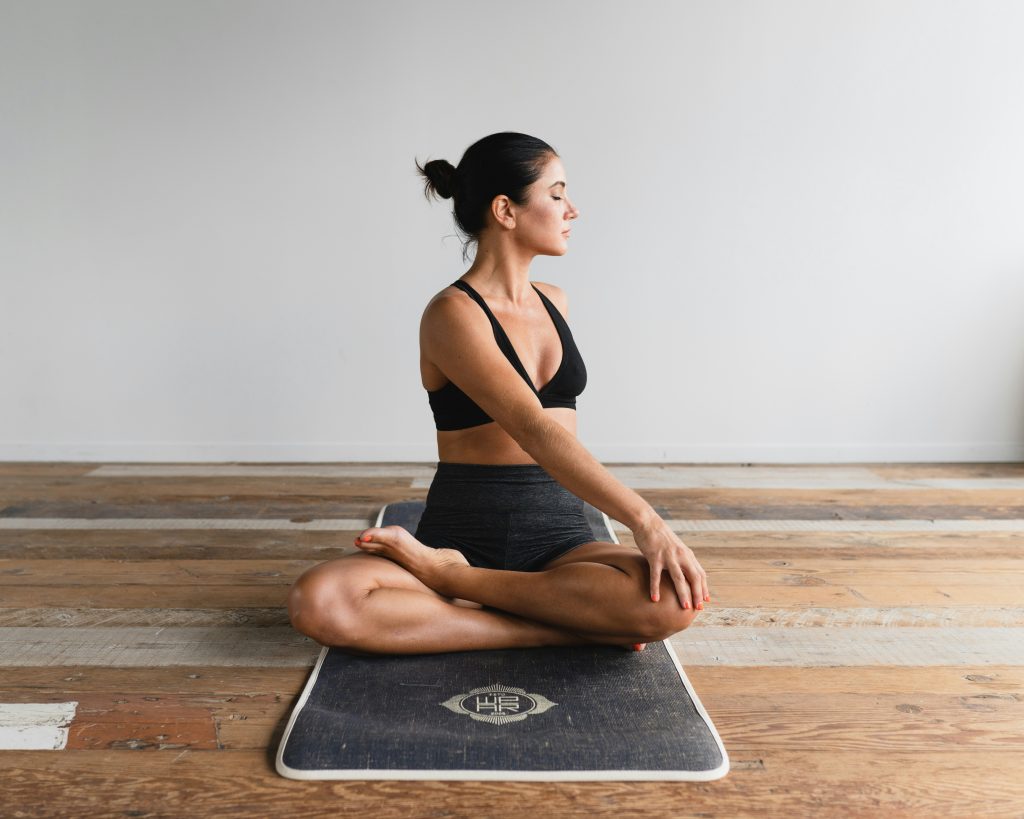
Yoga is a powerful practice for improving sleep. Its emphasis on deep breathing, gentle stretches, and mindfulness helps reduce stress and activate the parasympathetic nervous system, which encourages relaxation. A regular yoga session, especially before bed, can lead to longer, deeper sleep by calming both the body and mind. The combination of physical and mental relaxation makes yoga an effective tool for combating insomnia.
Walking
Walking is one of the easiest and most accessible forms of exercise, yet its benefits for sleep are profound. Regular walking, especially in nature, helps regulate your circadian rhythm and reduce stress. Whether it’s a brisk walk around the block or a stroll through the park, moving your body during the day can promote better sleep at night. It’s a natural way to release pent-up energy and prepare your body for restful sleep.
Tai Chi
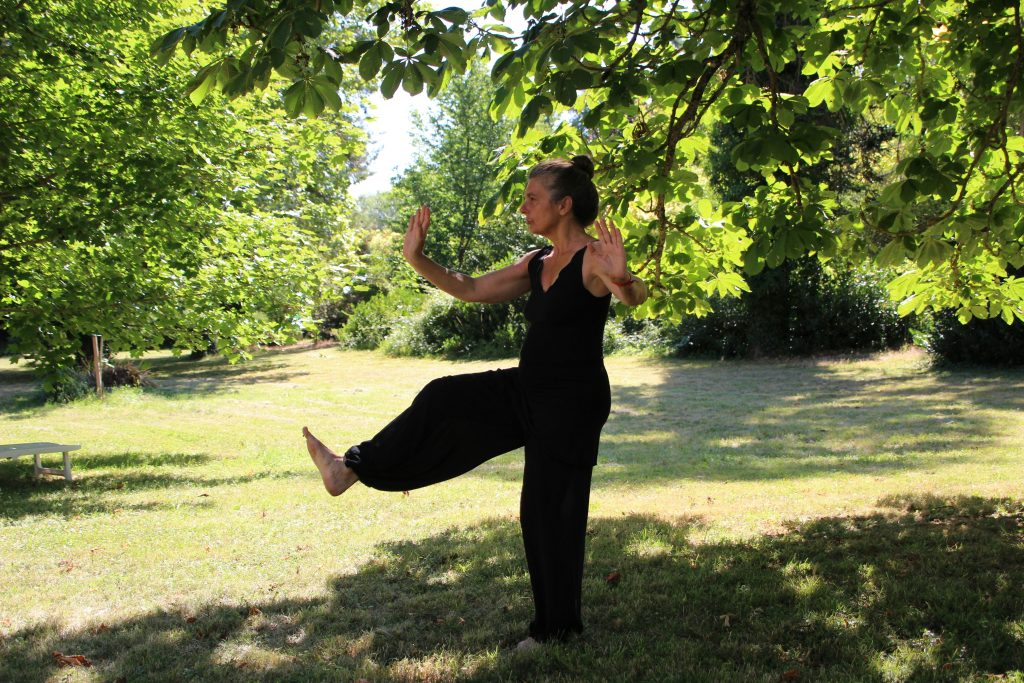
Tai Chi is an ancient Chinese practice that combines slow, deliberate movements with deep breathing. It has been shown to improve sleep quality by reducing anxiety and stress, both of which are major contributors to insomnia.
The meditative nature of Tai Chi helps calm the nervous system, promoting relaxation and making it easier to fall asleep. This exercise is particularly beneficial for those who want a low-impact, soothing activity to incorporate into their routine.
Jogging
If you’re looking for something more intense, jogging may be your answer. It’s a great way to expend energy and release endorphins, the “feel-good” hormones that improve mood and help you relax. Jogging can enhance sleep by increasing total sleep time and decreasing the time it takes to fall asleep.
Just be mindful of the timing; exercising too close to bedtime could have the opposite effect and keep you awake.
Strength Training

Strength training, which involves lifting weights or using bodyweight exercises, has been shown to improve sleep by enhancing muscle repair and reducing stress. The process of building muscle can help regulate sleep patterns, while the exertion of strength training tires the body, making it easier to fall asleep.
Just like jogging, it’s best to avoid intense strength training right before bed to prevent overstimulation.
Swimming
Swimming is a full-body workout that combines aerobic and resistance training. The repetitive strokes and the water’s buoyancy create a calming effect on the body, which can reduce anxiety and promote better sleep.
Swimming also releases endorphins, making it a great way to improve mood and sleep quality. It’s ideal for individuals seeking a low-impact exercise that doesn’t compromise results.
Cycling
Cycling is an excellent cardiovascular exercise that can help reduce insomnia symptoms. The rhythmic motion of pedaling not only boosts physical fitness but also has a calming effect on the mind. Regular cycling can help regulate your sleep-wake cycle and reduce the time spent tossing and turning in bed.
Whether you prefer outdoor cycling or a stationary bike, this exercise can be a great way to promote more restful nights.
Pilates
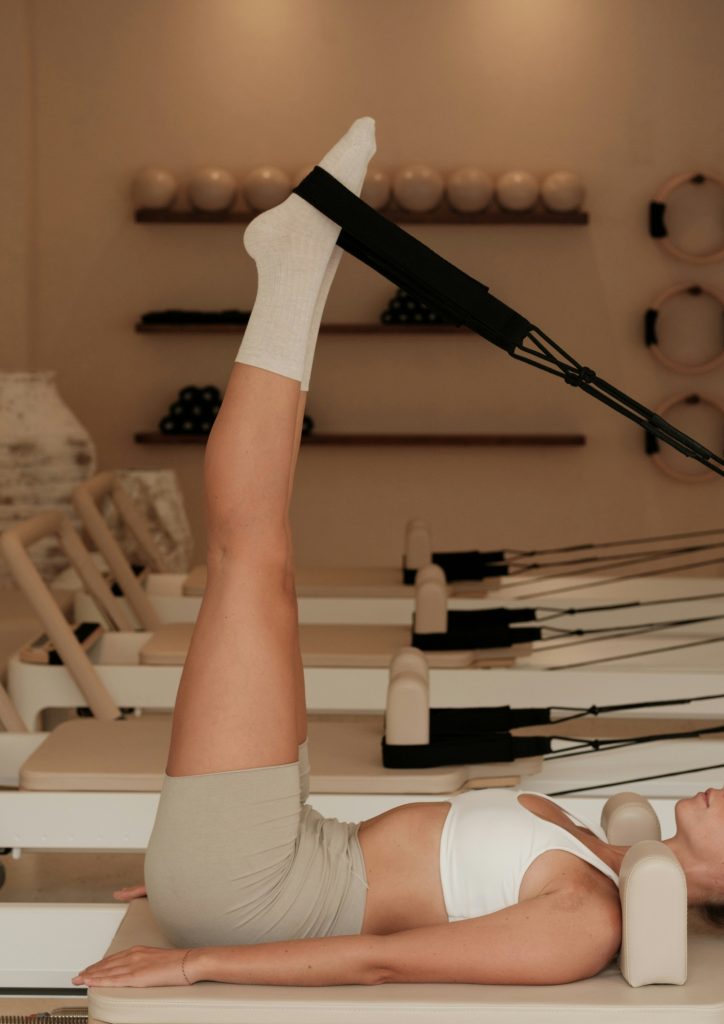
Pilates is a low-impact exercise that focuses on strengthening the core, improving posture, and increasing flexibility. It’s an excellent option for people who want a gentler workout that still delivers results.
The deep breathing techniques used in Pilates can help calm the nervous system, reduce muscle tension, and promote overall relaxation, key components in preparing the body for restful sleep. Pilates can also help with the management of chronic pain, which often interferes with quality sleep.
Dance
Dancing may not be the first exercise that comes to mind when thinking about improving sleep, but it can be incredibly effective. Whether it’s a freestyle dance session at home or a structured class, dancing can help release pent-up energy and stress.
The rhythm, movement, and fun of dance activate endorphins, which improve mood and help combat restlessness. Plus, it’s a social activity that can help alleviate loneliness and anxiety, two common culprits of insomnia.
Conclusion
While sleeping pills might offer temporary relief, incorporating regular exercise into your routine can provide long-term benefits for both your body and mind. From yoga’s mindful stretches to the vigorous pace of jogging, these exercises help reset your body’s internal clock, reduce stress, and prepare you for a good night’s rest.
Exercise is not just a remedy for insomnia; it’s a lifestyle change that offers sustainable improvement in sleep quality. Choose the exercise that fits your lifestyle, and watch your sleep transform for the better.


